What Is Subcutaneous Calcaneal Bursitis?
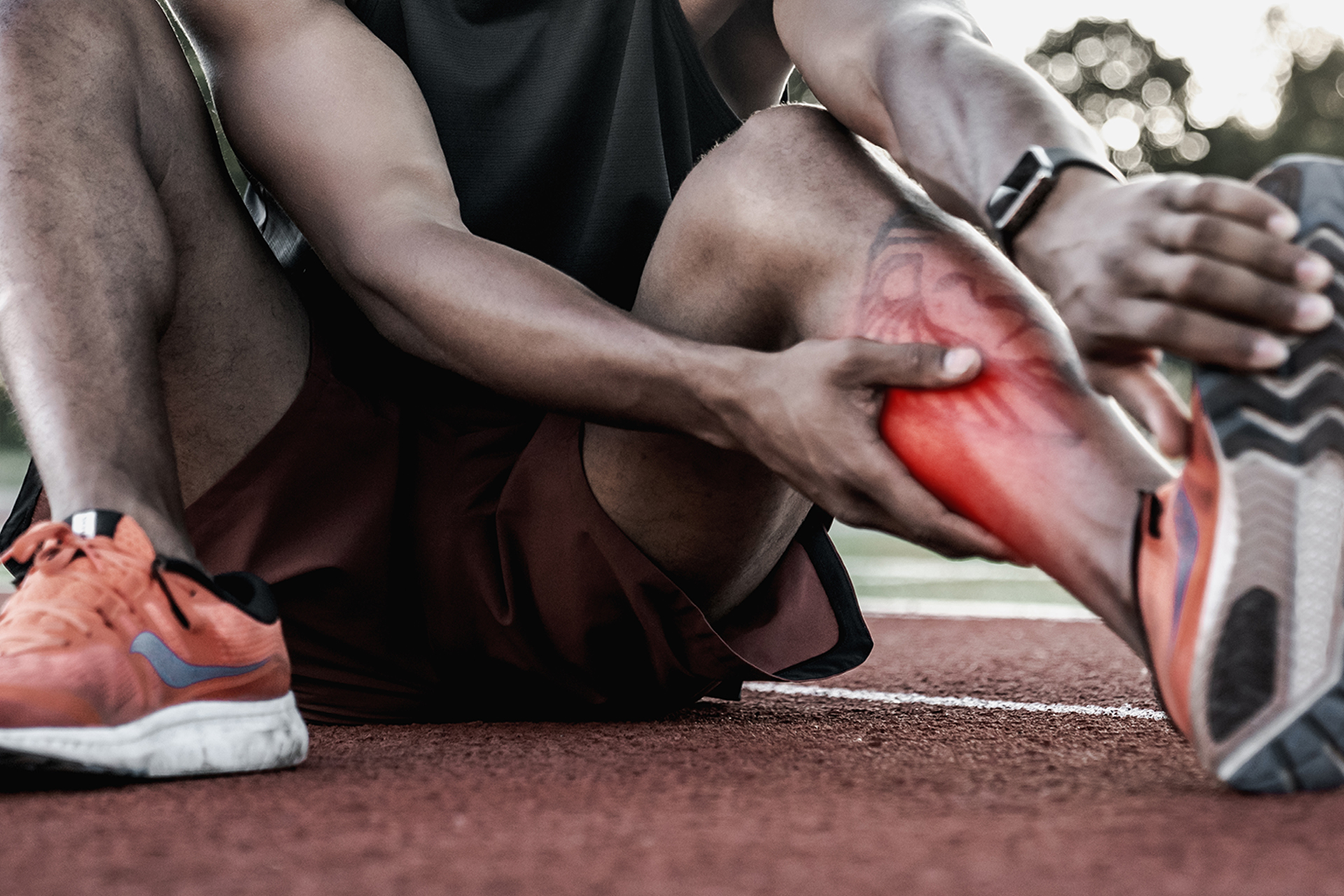
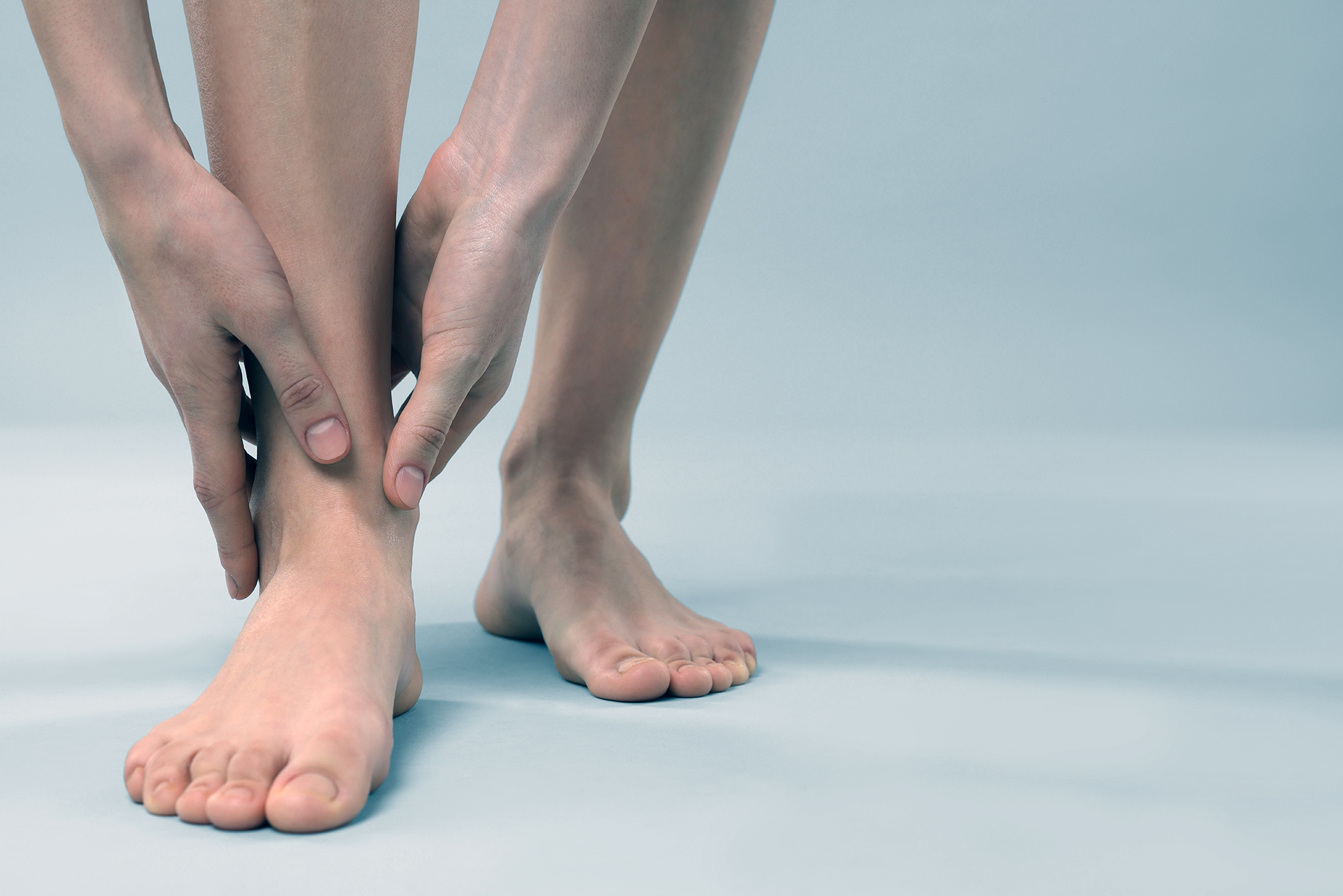
Subcutaneous calcaneal bursitis is inflammation of the small fluid-filled sac between the skin and the back of the heel near the Achilles tendon. The bursa acts like a cushion, helping to reduce friction where skin, tendon and bone might otherwise rub against each other. In heel bursitis, the bursa at the back of the heel becomes irritated, swollen and painful. The result is heel pain and tenderness right where the heel counters of shoes often press.
Heel bursitis is different from retrocalcaneal bursitis, although the two are often confused. Retrocalcaneal bursitis affects the subtendinous bursa, the deeper bursa between the Achilles tendon and the heel bone. Subcutaneous calcaneal bursitis affects the more superficial bursa between the skin and the Achilles tendon. Recognising how heel bursitis differs from retrocalcaneal bursitis helps guide appropriate footwear choices and expectations regarding pain patterns and triggers.
In podiatry practice, our aim is not only to calm the heel bursa down but also to identify what is repeatedly irritating it, whether that is footwear pressure, activity overload, foot mechanics, or an underlying inflammatory problem.
Causes
The most prominent cause of subcutaneous calcaneal bursitis is repeated friction or mechanical irritation at the back of the heel. Tight-fitting, ill-fitting, rigid-heel-countered, and poorly fitting shoes, including school shoes, work shoes, dress shoes and high heels, can all irritate the calcaneal bursa. Those who regularly wear heels are at higher risk of developing heel bursitis. Athletes can also develop heel bursitis when their footwear does not suit their foot shape or activity.
Load also matters. A sudden increase in walking, running, jumping, or standing can make the area more sensitive, especially if the tissues are already under pressure from the shoes. Trauma can also trigger heel bursitis. A direct knock to the heel or repeated rubbing from a poorly shaped shoe collar may be enough to inflame the heel bursa. An increase in weight can also contribute by adding to the overall load your feet bear.
Foot shape and movement patterns may contribute too. Flat feet, high arches and other biomechanical abnormalities have both been linked to greater irritation in this region, likely because they alter how the heel moves within the shoe and how force is transferred. Unlike retrocalcaneal bursitis, subcutaneous calcaneal bursitis causes are more directly linked to shoe pressure and surface friction. In Singapore, podiatrists often see heel bursitis in those who spend long hours in enclosed shoes in the heat, where friction, sweating, and constant rubbing can aggravate the skin and soft tissues at the back of the heel.
Less commonly, heel bursitis can be associated with inflammatory conditions such as rheumatoid arthritis, ankylosing spondylitis, psoriatic arthritis, reactive arthritis, gout or pseudogout. In rare cases, bacterial infection can affect the bursa, which changes the urgency and type of care needed. Knowing the cause is important, as it guides your podiatrist’s chosen intervention strategy.
Symptoms
Subcutaneous calcaneal bursitis symptoms usually include heel pain, swelling and tenderness at the back of the heel, especially when wearing shoes that press on the area. Many notice a sore, puffy spot near the posterior heel that becomes worse in enclosed shoes. The pain is often worse when wearing shoes with stiff heel counters. Redness and warmth can occur. Some describe the pain as a sharp rub, while others notice a dull ache that builds up throughout the day.
Heel bursitis often has a gradual onset. Some feel discomfort when first getting out of bed, which eases slightly after walking a short distance and then returns with longer periods of walking or standing. Increased pain when standing on the toes, pushing off, or walking uphill may occur, along with ankle pain, particularly if the surrounding Achilles tendon is also irritated.
Subcutaneous calcaneal bursitis pain can range from irritating to quite limiting. Mild cases may only bother you when wearing certain shoes. However, more inflamed heel bursitis cases can hurt even in flat shoes or open footwear, or when the back of the heel brushes against bedding. If the heel becomes very red, hot, or acutely swollen, or if you develop a fever or chills, urgent medical review is needed because you may have an infection.
When to See a Podiatrist
You should see a podiatrist if subcutaneous calcaneal bursitis symptoms persist, keep returning, or make shoes and walking uncomfortable. Early care is useful because the longer friction continues, the more stubborn heel bursitis can become.
You should also seek help if the pain seems out of proportion, if there is marked swelling, or if you are not sure whether heel bursitis is the correct diagnosis. Pain at the back of the heel can also come from insertional Achilles tendinopathy, retrocalcaneal bursitis, plantar fasciitis, a Haglund deformity, Kager’s fat pad irritation or other causes. If treated incorrectly, your recovery can be delayed.
Prompt assessment is especially important if you have systemic inflammatory disease, diabetes, fever, chills, spreading redness or concern about infection. These situations need a more careful, specialised approach than simple footwear advice alone.
Diagnosis
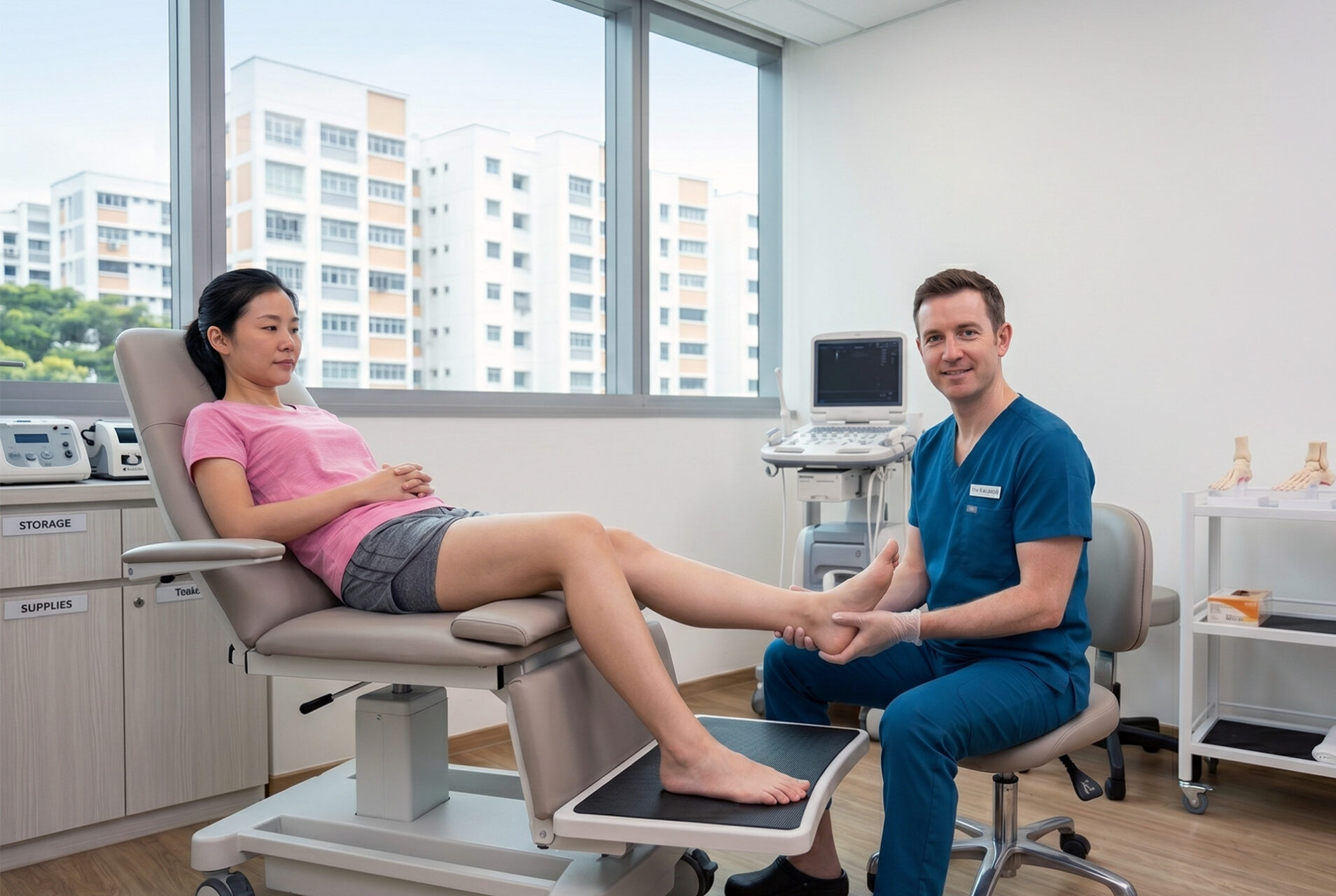
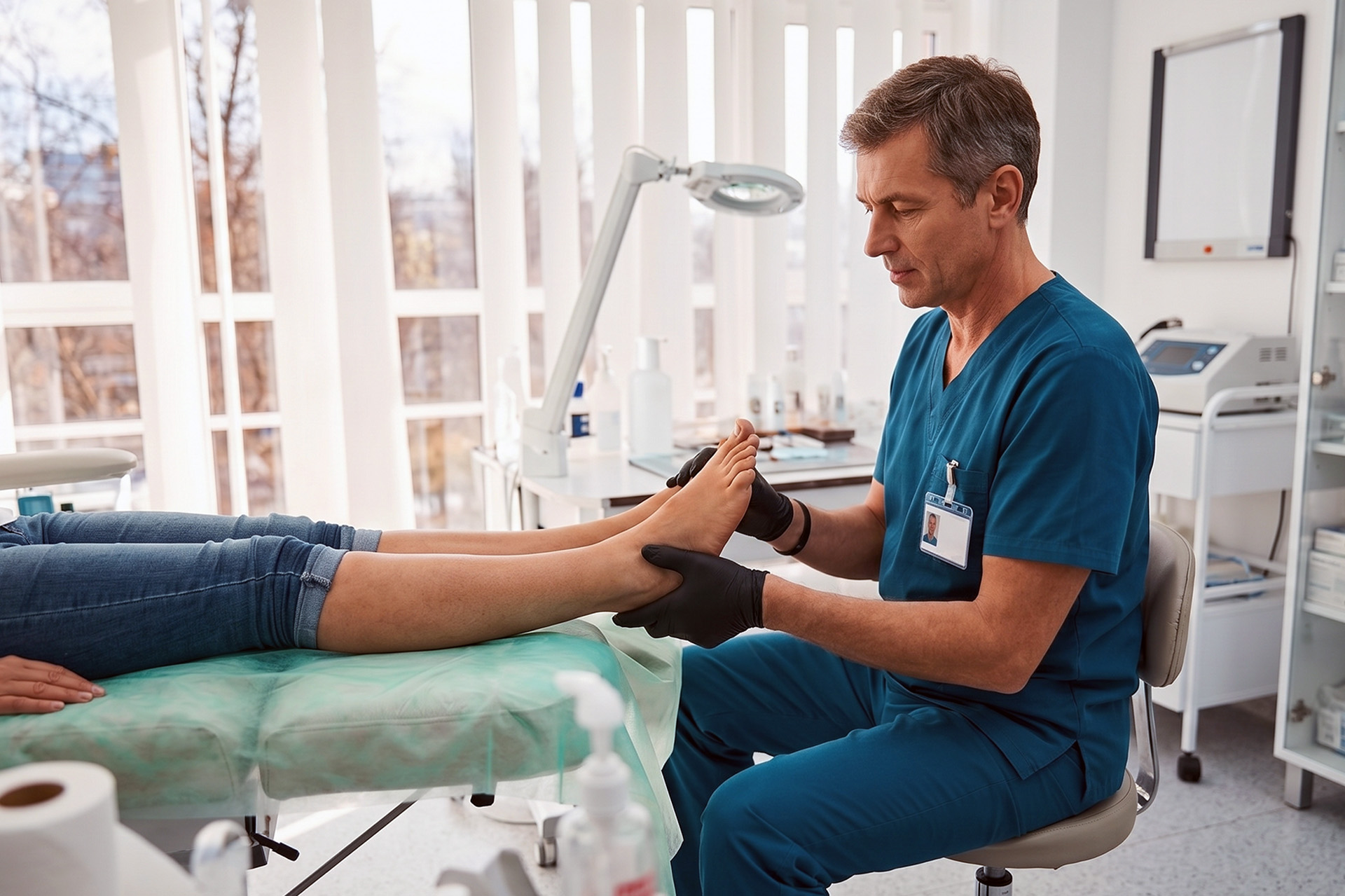
Diagnosis of subcutaneous calcaneal bursitis is based on the location of the pain, clinical examination, and, when needed, imaging such as a subcutaneous calcaneal bursitis ultrasound scan. A podiatrist will ask when the pain started, what shoes you wear, whether symptoms worsen when wearing shoes or with pressure from footwear, and whether there has been any recent increase in activity or trauma.
The physical examination looks for swelling, warmth, redness, local tenderness and irritation when wearing shoes. Your podiatrist will also assess your Achilles tendon involvement, ankle motion, calf flexibility, foot posture and the way you walk. This matters because recurring heel friction often has a mechanical element. A foot that rolls excessively, a high arch that changes shoe contact, or a heel that lifts and rubs inside the shoe can all cause heel bursitis to recur and require long-term intervention to manage the issue.
An ultrasound scan can show the thickening or enlargement of the fluid-filled sac and the affected bursa, and help distinguish it from the retrocalcaneal bursa and deeper structures. In some cases, X-rays help identify a bony prominence or other heel abnormalities, while magnetic resonance imaging (MRI) may be used when the diagnosis remains uncertain, another cause of heel pain is suspected, or plantar fasciitis needs to be excluded. If infection is suspected, an aspiration of synovial fluid from the bursa may be needed for testing.
Non-Surgical Management
Subcutaneous calcaneal bursitis treatment usually starts with reducing friction, calming the calcaneal bursa and correcting the factors that are provoking it. For many people, the first step is footwear modification. This may mean avoiding tight heel counters, choosing softer or open-back shoes for a period, stretching the shoe upper, or using heel cups or heel padding to reduce contact pressure. Shoes with a cut-out, U-shaped or V-shaped back collar can sometimes reduce rubbing on the painful area.
Relative rest is often helpful. High-impact activity, long walks, or anything that repeatedly aggravates heel bursitis may need to be reduced for a short time. Ice can help ease symptoms and relieve pain, especially after activity. Some patients benefit from nonsteroidal anti-inflammatory drugs if it is appropriate for them medically. These measures do not fix the cause on their own, but they often help calm the heel bursitis flare enough for the inflammation to settle.
Orthotic support or custom heel wedges may be useful when foot mechanics are contributing to the problem. At The Foot Practice, gait assessment and a footwear review help determine whether orthoses are likely to reduce strain on the Achilles tendon at the back of the heel. If flat feet or high arches are causing bursitis, custom orthoses may help improve load distribution and reduce repeated rubbing of the calcaneal bursa. Heel lifts may also reduce the tension through the Achilles tendon insertion and lessen pressure in selected cases.
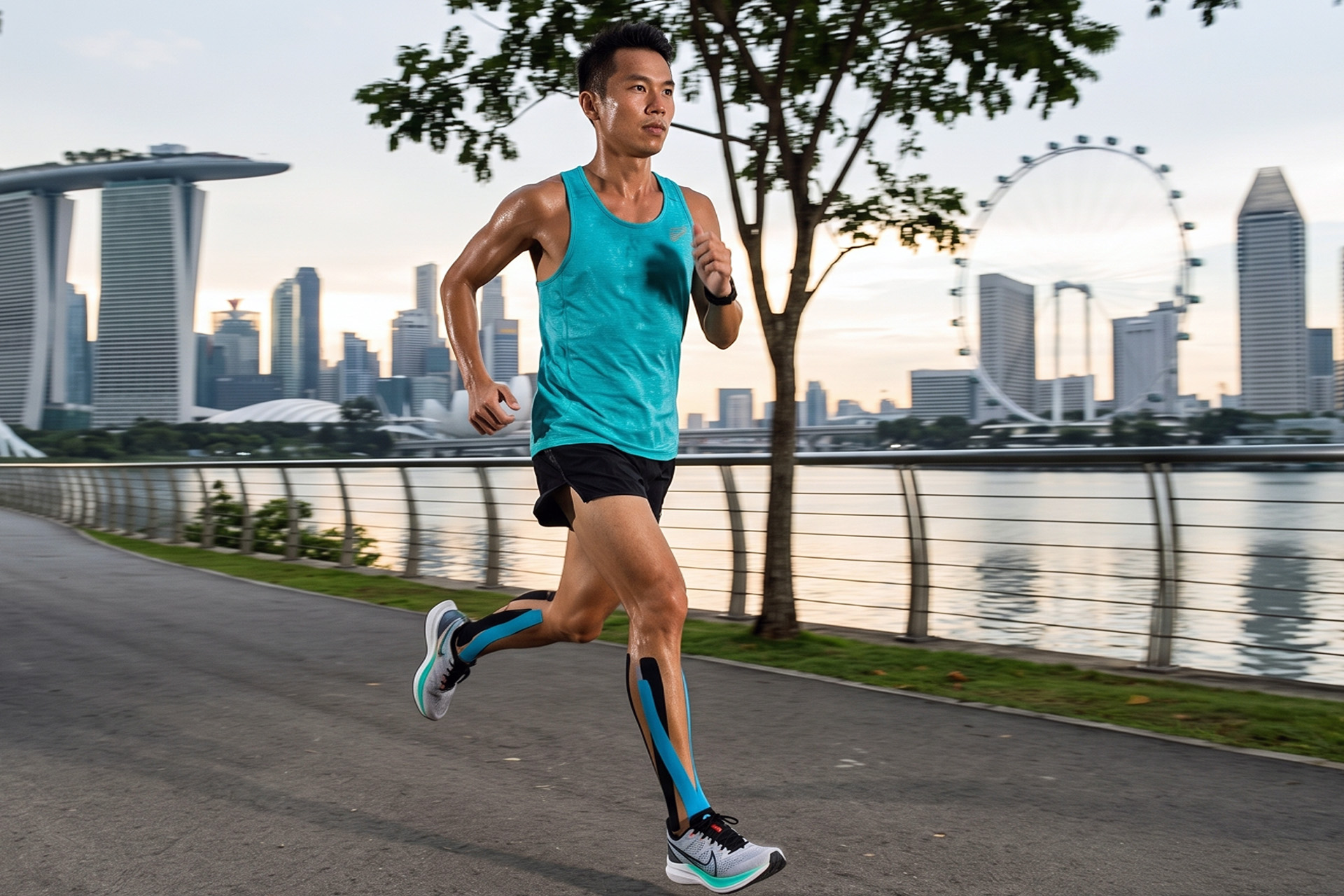
Subcutaneous calcaneal bursitis exercises can play a role in recovery, but they need to match the cause. Gentle calf-muscle and ankle-mobility work, along with stretching exercises, may reduce the tension around the heel. Prescribed exercises are not the first answer for every case of heel bursitis, but manual therapy and prescribed exercises are often part of a broader recovery plan.
In more persistent non-infective heel bursitis cases, including Achilles tendon bursitis, image-guided procedures or injection-based care may occasionally be considered by the appropriate clinician, but these decisions depend on the diagnosis and the specific tissues involved.
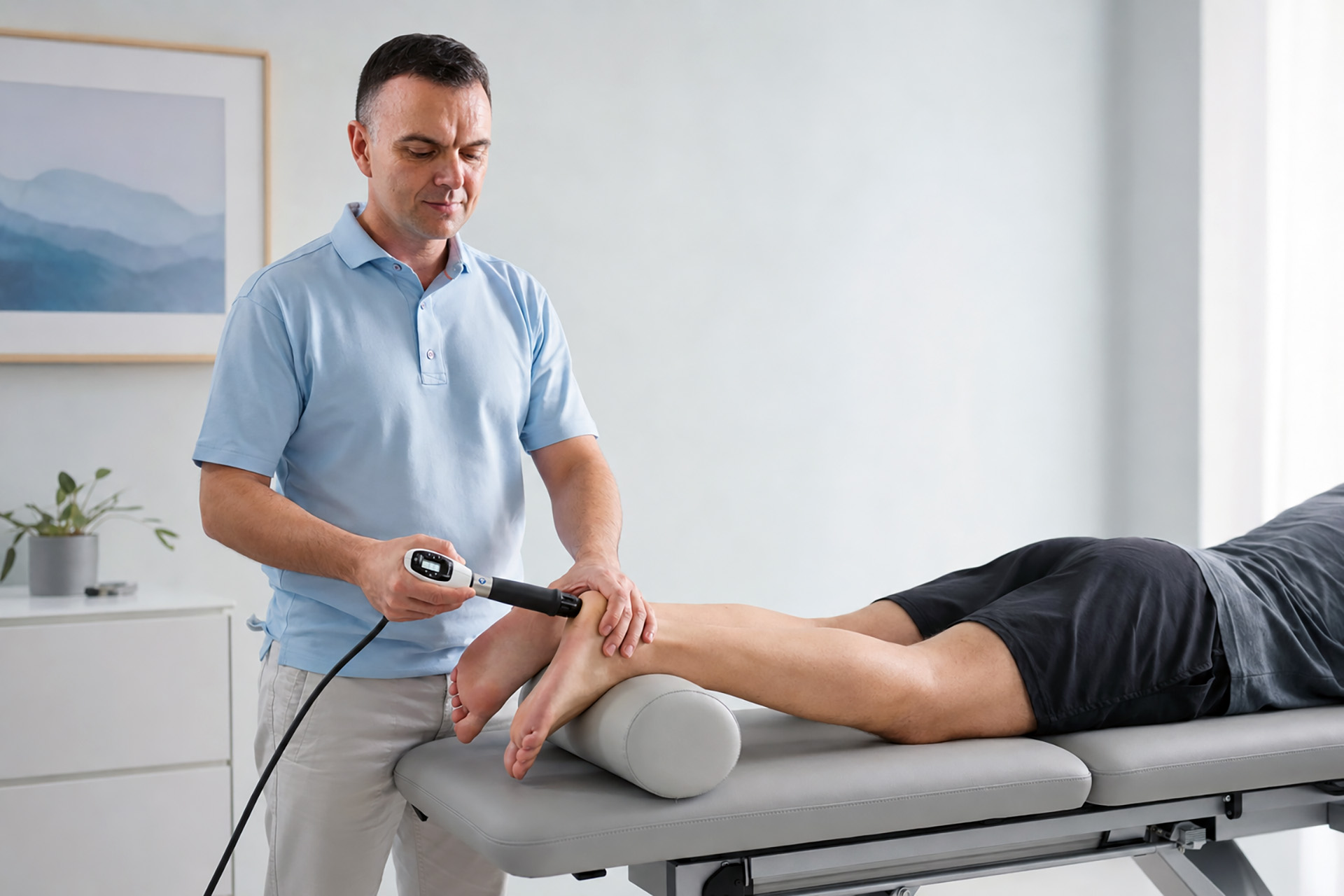
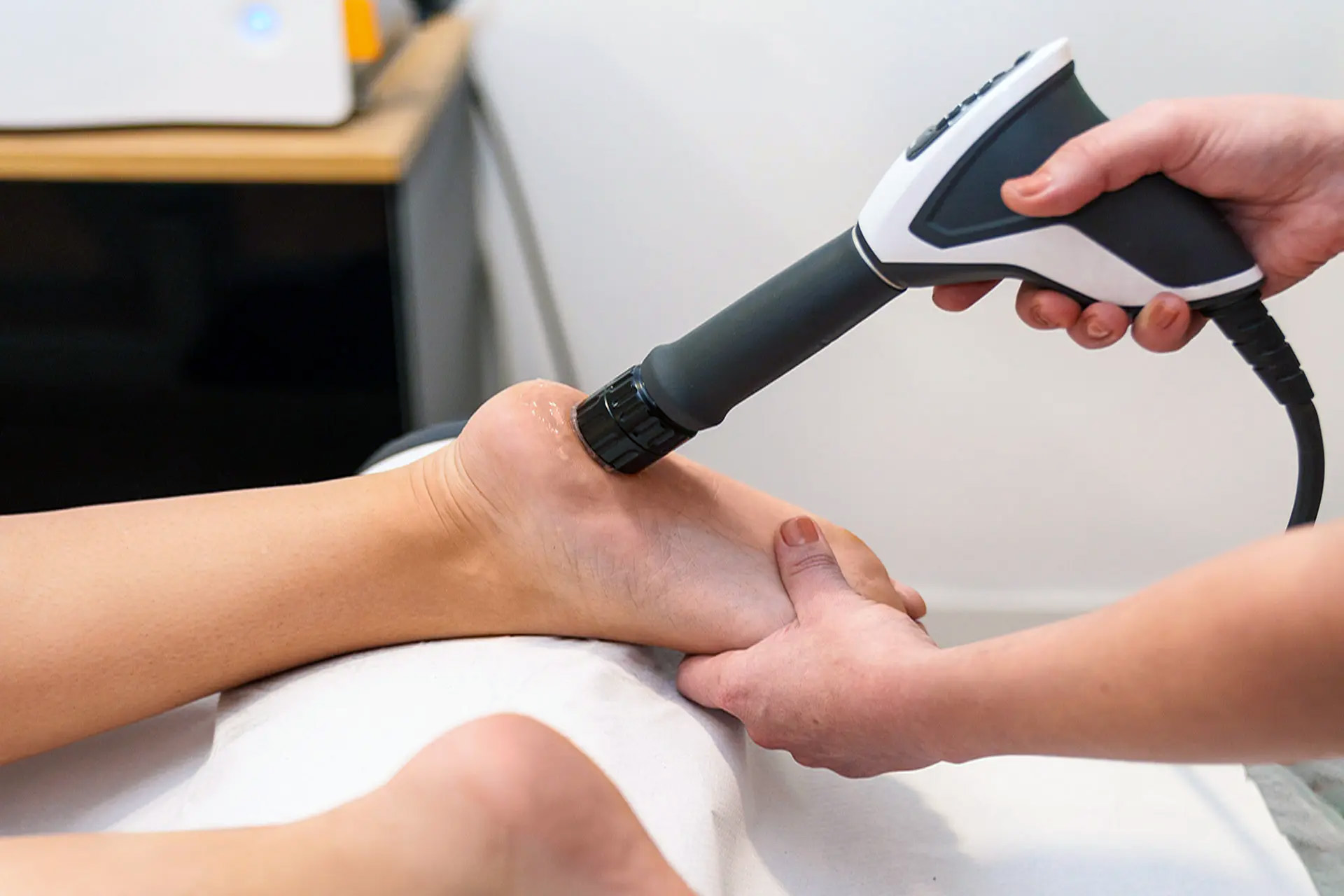
Shockwave Therapy may also be considered for stubborn cases of heel bursitis to help reduce the pain and support healing. The most important thing is that the root cause of your subcutaneous calcaneal bursitis is being addressed to reduce irritation and allow long-term recovery.
Risks and Recovery
Recovery from heel bursitis is often stable, but the healing time depends on how quickly friction is removed and whether the true cause is addressed. Mild cases of heel bursitis may improve within a few weeks once the aggravating footwear or activity is changed. More severe or long-standing cases of heel bursitis can take much longer, sometimes several months.
The main risk of leaving heel bursitis untreated is that it becomes chronic. Ongoing pain can limit exercise, affect gait and make normal footwear increasingly difficult to tolerate. Constant rubbing can keep the tissues inflamed and may also damage the Achilles tendon.
Proper conditioning of the calf muscles and lower limb will support long-term recovery. This is why a podiatry-led treatment plan is especially helpful for adult foot problems like heel bursitis. It looks beyond the swollen bursa itself and focuses on what the heel is being asked to do each day.
Get Help from The Foot Practice for Heel Pain
If you have heel bursitis symptoms such as pain, swelling or redness at the back of the heel, it may be more than simple friction. At The Foot Practice in Singapore, our podiatrists will assess the exact source of your heel pain, review your footwear and walking mechanics, and design a personalised plan to reduce irritation and support recovery. Whether the issue is heel bursitis, subcutaneous calcaneal bursitis, Achilles-related pain or another cause of heel discomfort, a clear diagnosis leads the path to long-term recovery.
Contact The Foot Practice today to arrange a consultation and get help for persistent heel pain before it becomes a longer-term problem.