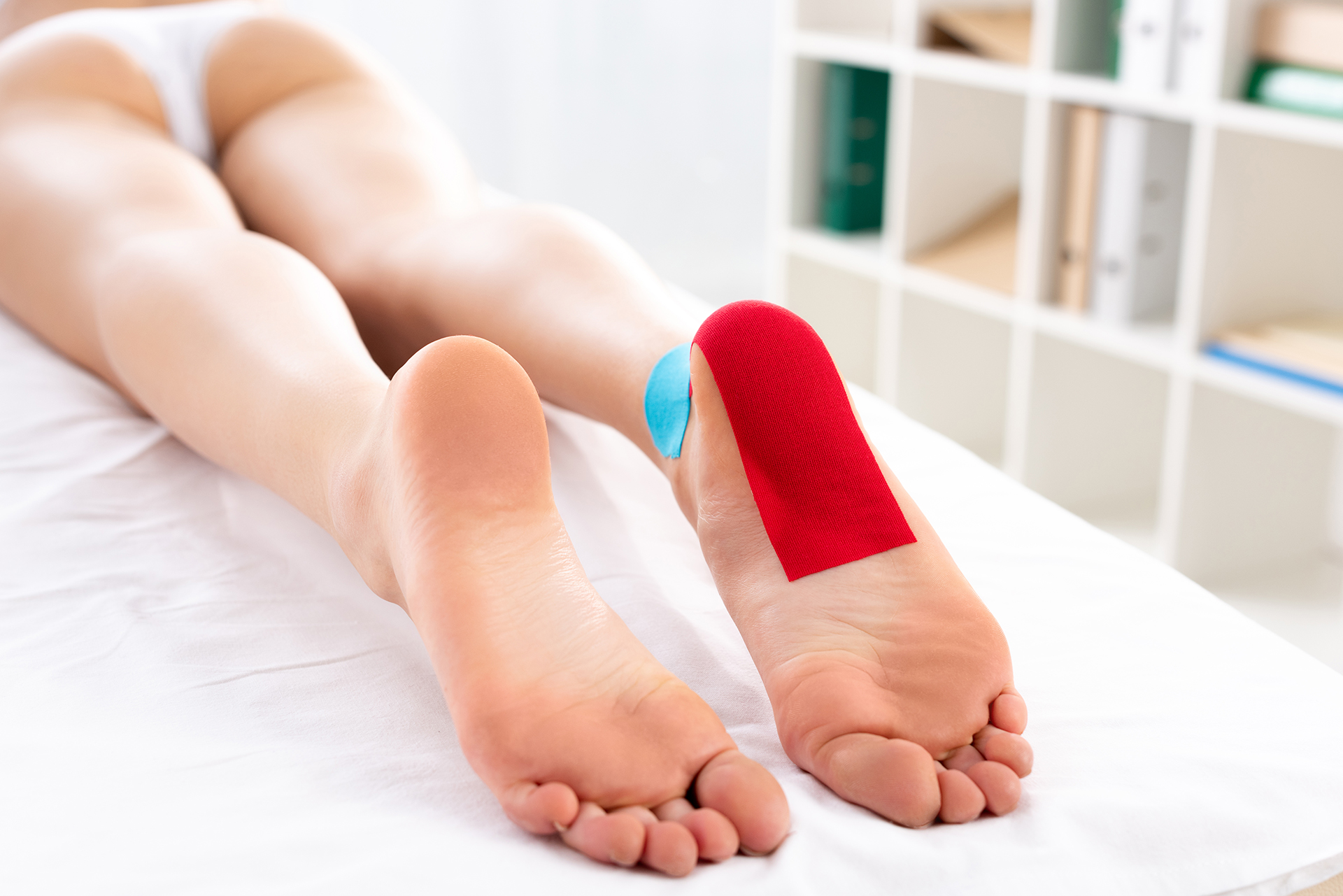
Heel pain can have several causes, including problems involving the plantar fascia, heel pad, bone, tendon or nearby nerves. An assessment can help identify the likely source when pain persists or affects weight-bearing.

Understanding Calcaneus Pain
The calcaneus is the heel bone beneath the ankle. Pain felt around it may arise from bone or neighbouring tissues. The location and timing of pain help guide assessment; first-step pain is commonly associated with plantar fasciitis.
Persistent or worsening heel pain, pain at rest or difficulty bearing weight deserves assessment. Heel pain has several causes; it does not automatically progress to a stress fracture or pain elsewhere.
Common Calcaneus Pain and Plantar Fasciitis Causes
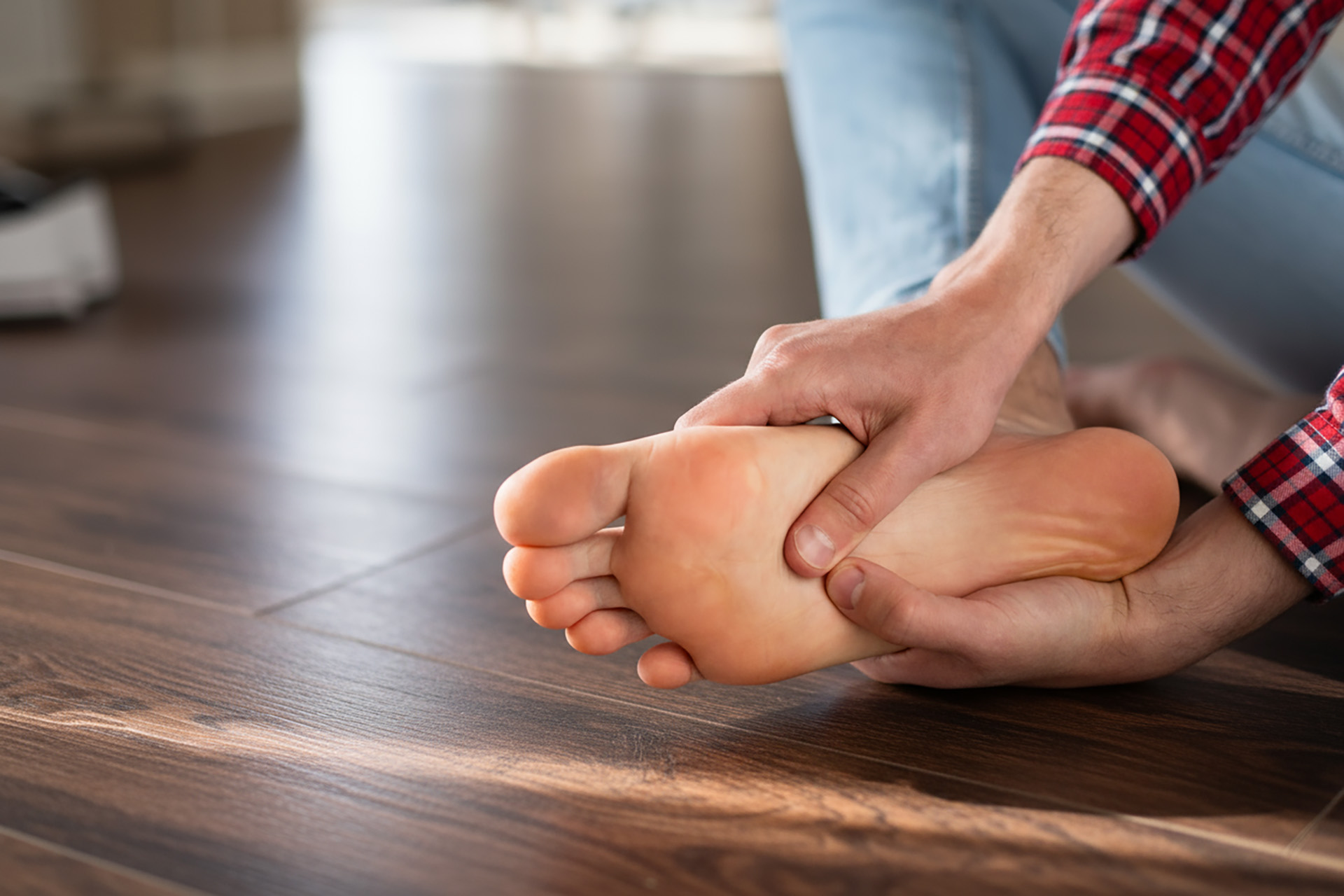
Plantar fasciitis is one common cause of pain beneath the heel. It affects the band of tissue along the sole and can involve tissue changes with or without inflammation.
Nerve compression, including tarsal tunnel syndrome, can cause burning, tingling or numbness around the heel or sole. These symptoms also have other possible causes.
Insertional Achilles tendinopathy affects the tendon where it attaches to the heel. Pain may be related to loading, but symptoms do not by themselves prove that the tendon has torn.
A heel spur is a bony projection visible on imaging. Many heel spurs do not cause pain, so an assessment should consider other possible sources of symptoms.
Other less common but significant causes include calcaneal stress fractures, retrocalcaneal bursitis (often associated with Haglund’s deformity) or inflammation from systemic conditions such as rheumatoid arthritis.
In children and adolescents, Sever’s disease (also known as calcaneal apophysitis) is a common cause of posterior heel pain due to overuse and tight tendons.
A podiatrist considers the history and examines the foot to assess heel pain. A pressure-sensing treadmill may add information about foot loading, but it cannot by itself establish the cause of pain.
Why Calcaneus Pain Is Worse in the Morning
First-step pain after rest can occur with plantar fasciitis. It may ease after moving, but the exact pattern varies and does not identify every cause of heel pain.
Persistent heel pain has several possible causes and is worth discussing with a healthcare professional, even if it eases during the day. An assessment can help identify the likely cause and guide care; a stress fracture or tendon injury requires its own assessment.
Calcaneus Pain Diagnosis
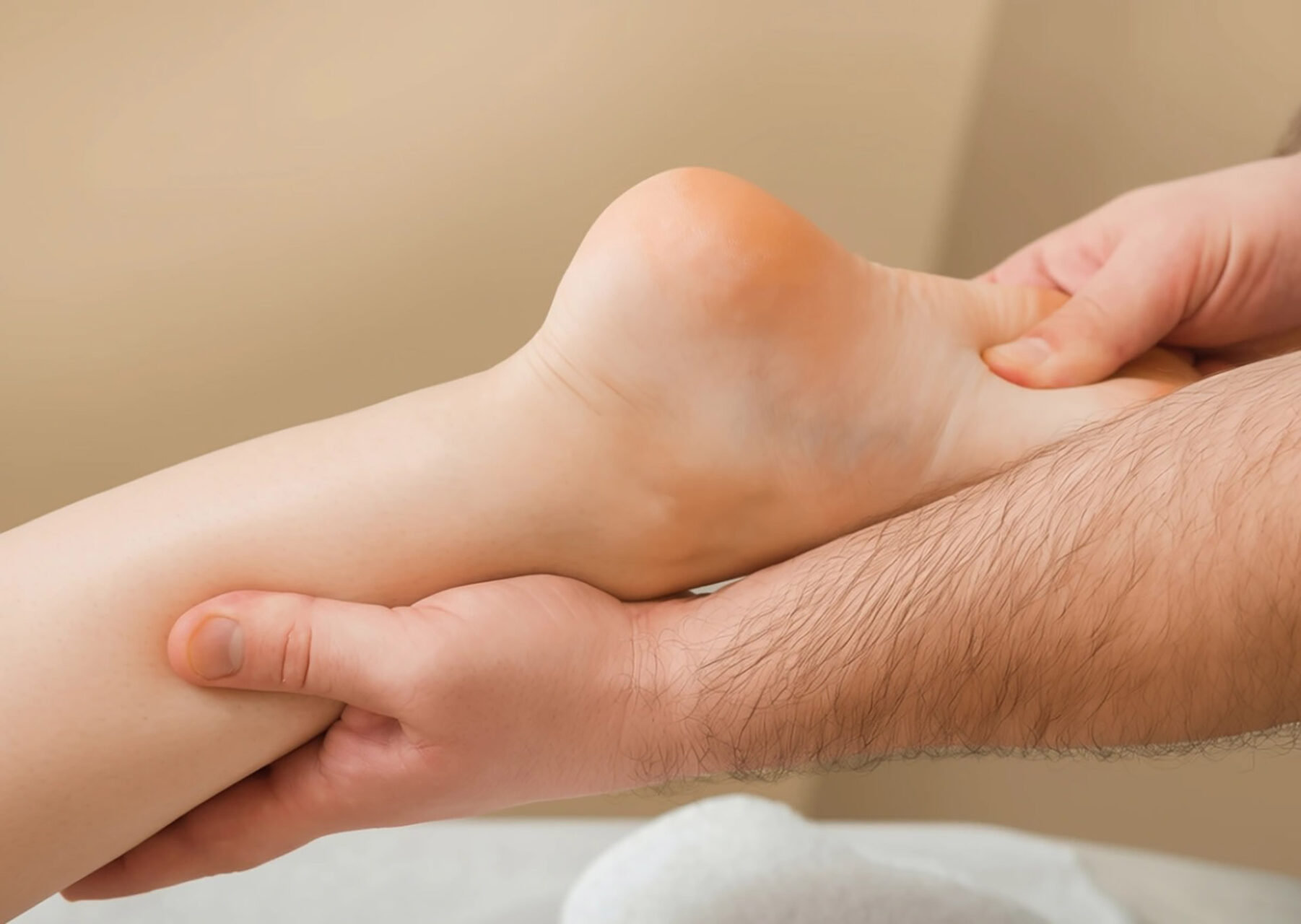
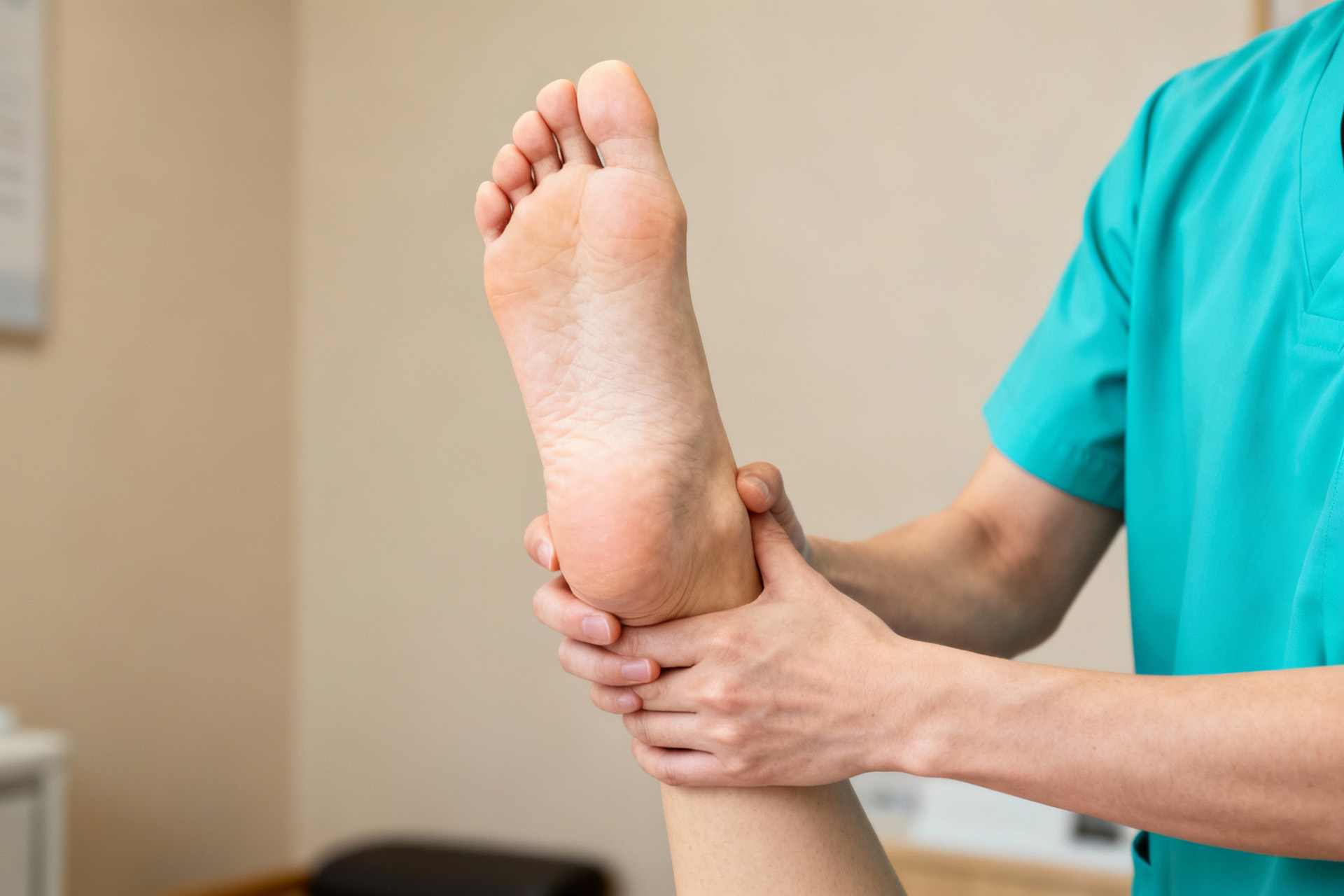
Proper diagnosis is key to effective management and recovery of calcaneus pain. This process begins with a comprehensive physical examination, during which the podiatrist palpates the heel to identify tender points and assess the foot’s structure. Gait analysis provides valuable information on how the heel interacts with the ground during walking or running.
A doctor may arrange imaging when indicated by the history and examination. The choice depends on the suspected cause; a gait measurement cannot independently rule out a fracture or establish the cause of heel pain.
Burning, tingling or numbness may prompt medical investigation for nerve problems. Examination and, in selected cases, nerve conduction studies or imaging can help; no single test confirms every case.
Calcaneus and Heel Pain Management
Heel pain management depends on the diagnosis, symptoms and individual circumstances. A clinician can discuss appropriate options, but no treatment guarantees recovery.
Custom Orthoses and Footwear Assessment
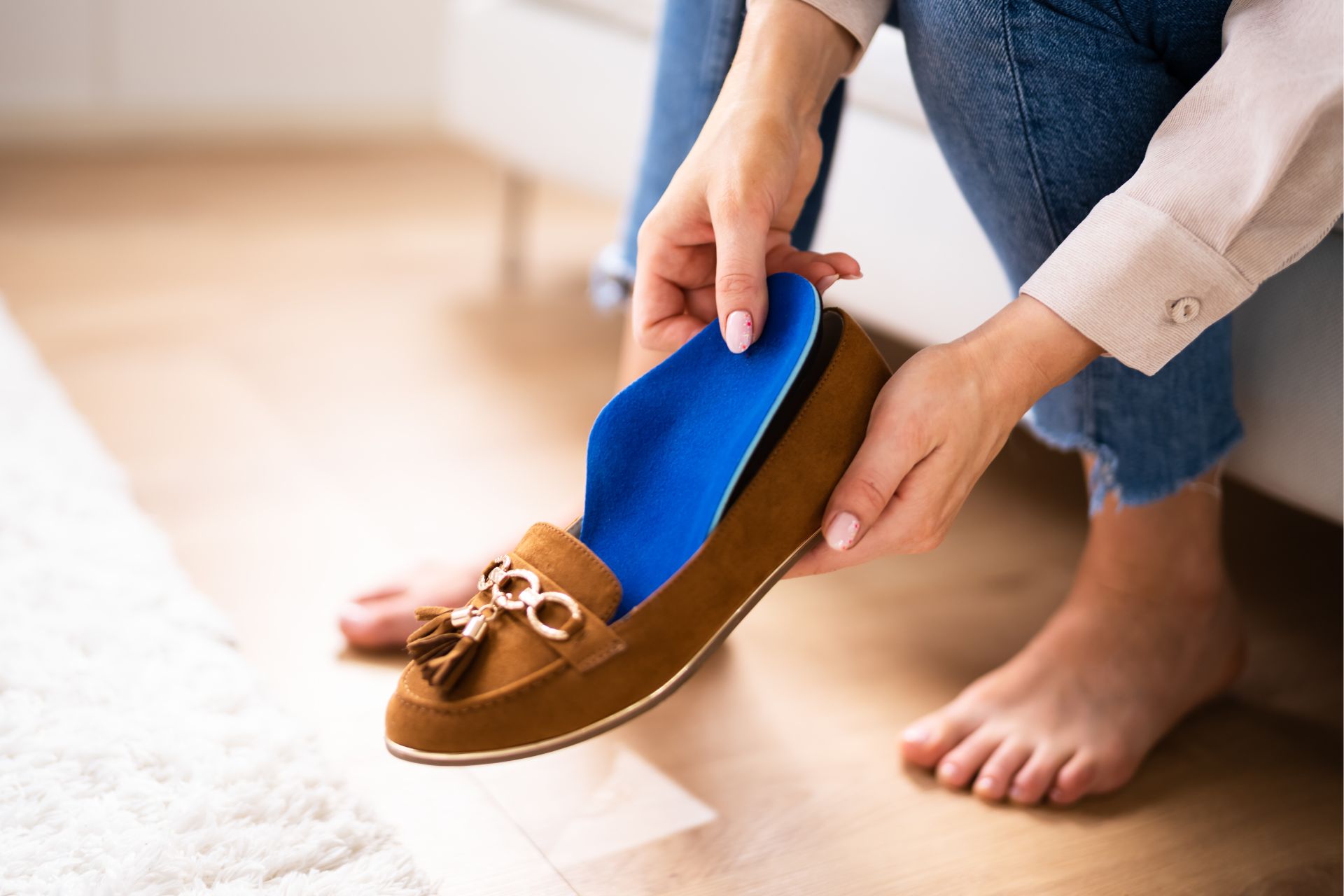
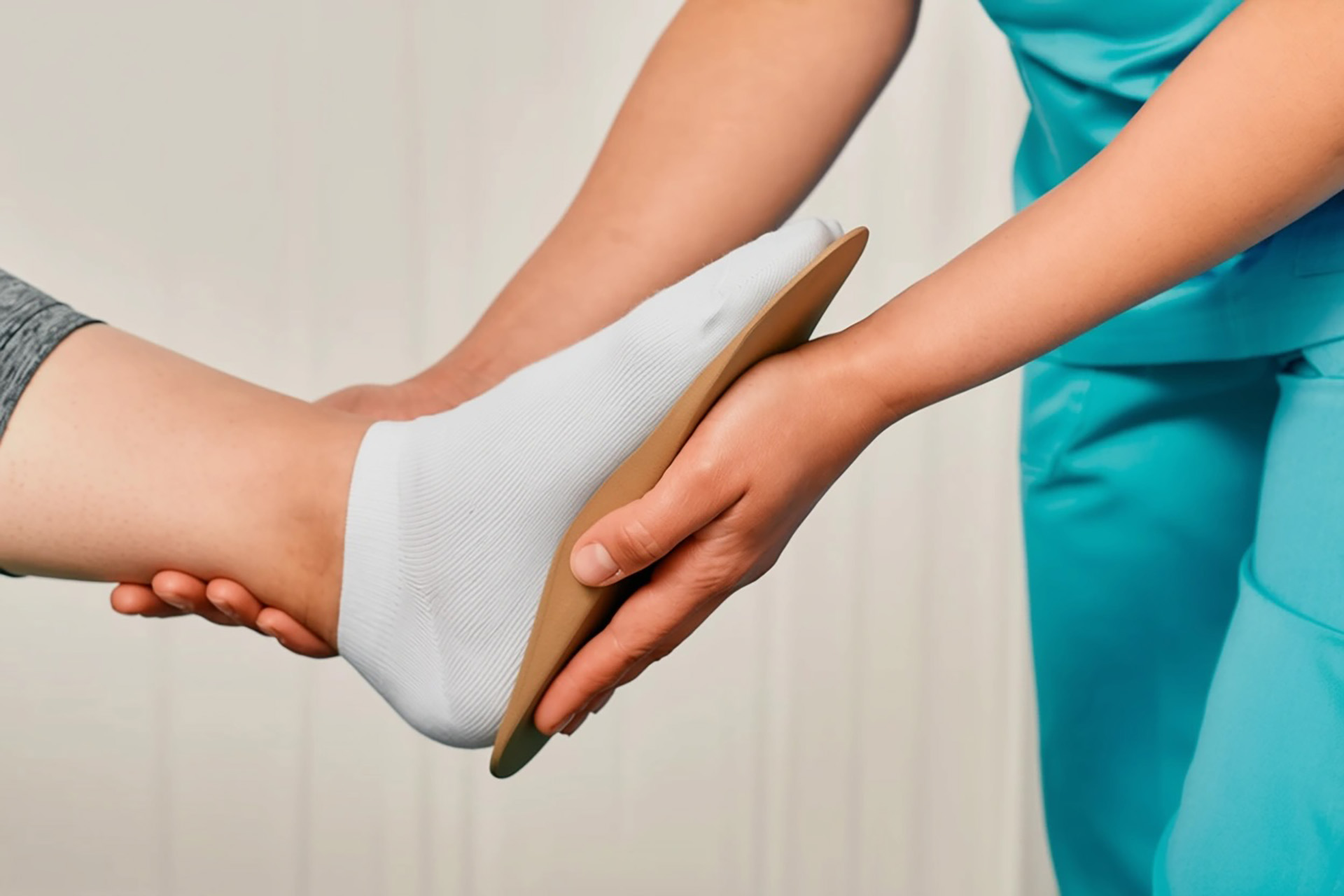
Insoles may improve comfort or change pressure under the foot for some people. A footwear assessment can help identify fit or comfort issues, but neither insoles nor shoes guarantee that heel pain will not return.
A heel lift may reduce symptoms in some Achilles tendon problems. It should be considered with footwear and rehabilitation rather than as a stand-alone cure.
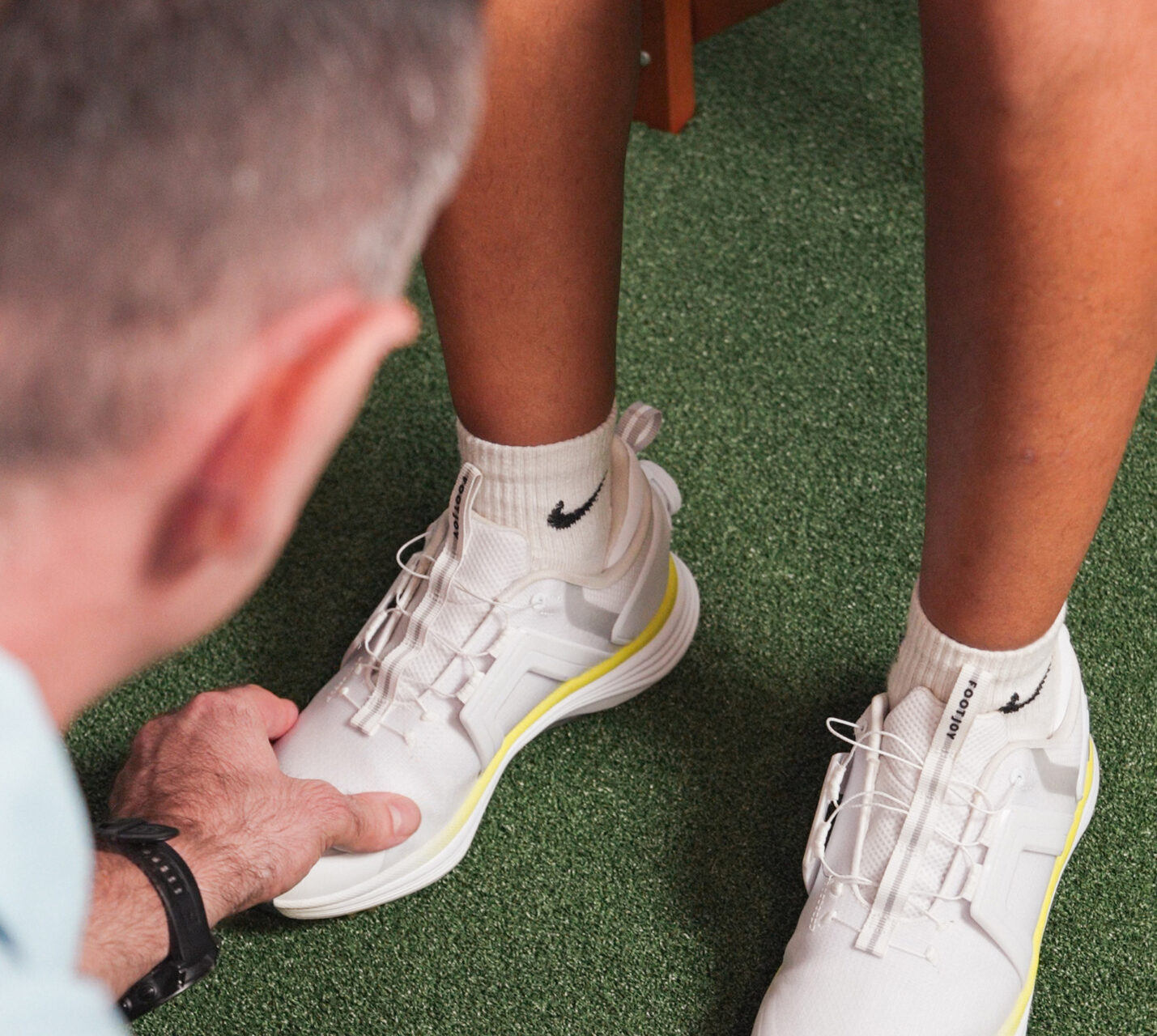
Footwear and insole choices depend on comfort, fit and activity. A clinician can discuss options for dress shoes or running shoes, without promising correction of gait or injury prevention.
Shockwave Therapy
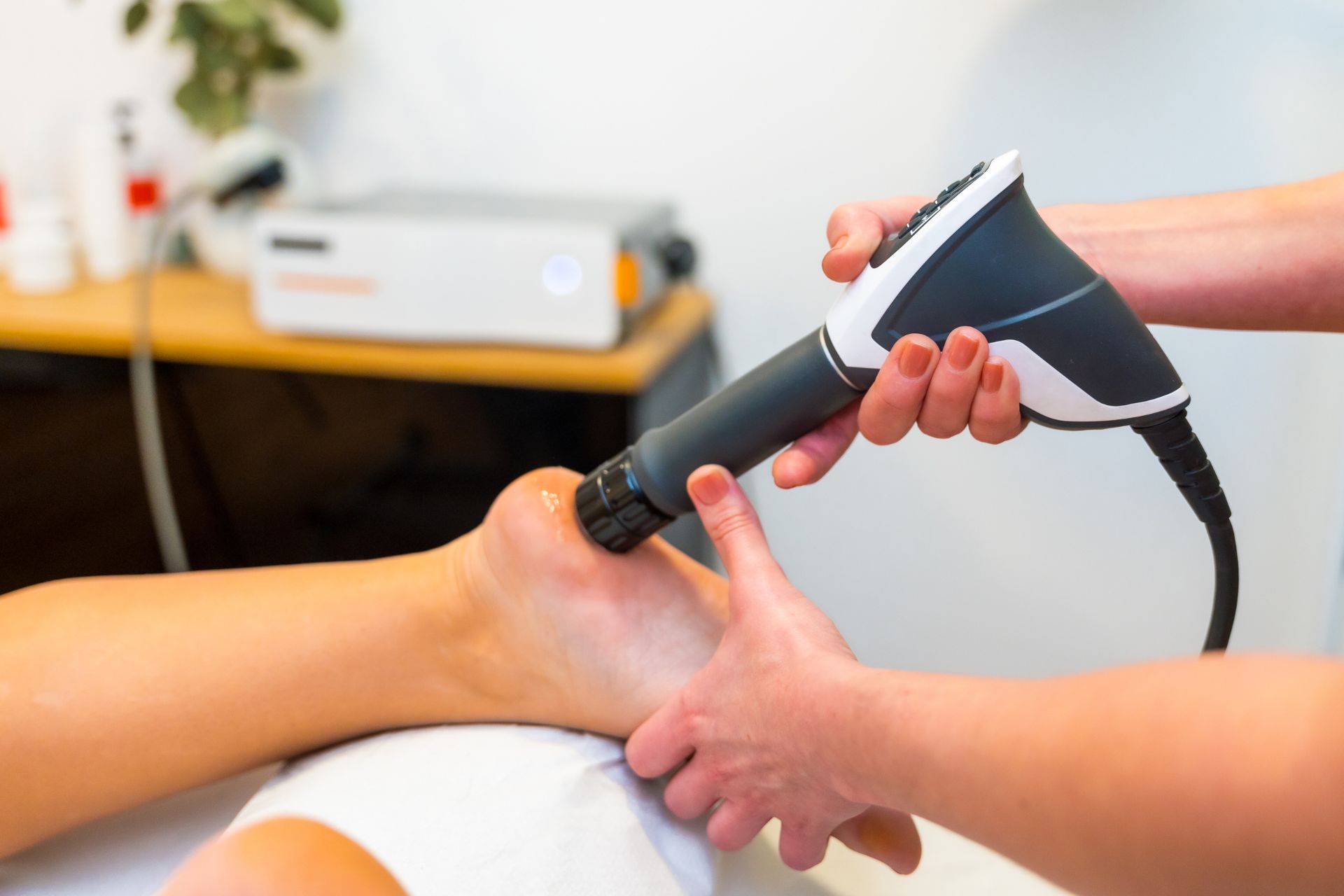
For persistent plantar heel pain that has not improved with initial care, shockwave therapy may be discussed. Evidence varies by condition and is uncertain for Achilles tendinopathy; it is not established to repair tissue or dissolve deposits in every case.
Responses vary, and shockwave therapy does not guarantee relief or avoid the need for other treatment. A clinician can discuss rehabilitation and other options based on the diagnosis.
Mobilisation Exercises and Rehabilitation
Depending on the diagnosis, a clinician may discuss activity changes, stretching or strengthening exercises. Their benefit varies, and exercises should be adjusted if they worsen pain.
Exercises can be tailored to symptoms and gradually progressed. Mobilisation may be discussed where appropriate, but it should not be presented as putting joints back into alignment.

Prevention and Long-Term Care
Comfortable footwear and gradual changes in activity may help some people manage heel symptoms, but they cannot prevent every cause of heel pain.
Gradual changes to activity, suitable footwear and adequate recovery may help manage load for some people, but they do not prevent every cause of heel pain or recurrence.
Avoid walking barefoot, especially on hard surfaces like concrete or tile, as this can increase stress on the heel and worsen conditions like heel pad syndrome.
Follow-up may help a clinician review symptoms and adjust a care plan. Gait measurements cannot guarantee lasting improvement or pain-free movement.

When to See a Professional
Seek assessment for persistent or worsening heel pain, swelling, redness or pain at rest. Inability to bear weight after injury, a sudden pop with difficulty pushing off, or fever with a hot swollen foot needs urgent medical care.
Persistent or worsening heel pain deserves assessment so that the cause and suitable treatment can be considered. Recovery varies and early care cannot guarantee a particular outcome.
Assessment for Persistent Heel Pain
If heel pain persists or worsens, arrange an assessment to discuss the likely cause and suitable options. Recovery varies by diagnosis and individual circumstances.
To discuss persistent heel pain and suitable care, you can book an assessment with a podiatrist.