Achilles tendonitis is a common overuse injury that occurs when the Achilles tendon is repeatedly overloaded, causing pain and irritation. That is why Achilles tendonitis and flat feet are often linked, as fallen arches can increase the strain on the Achilles tendon during walking, running and standing.
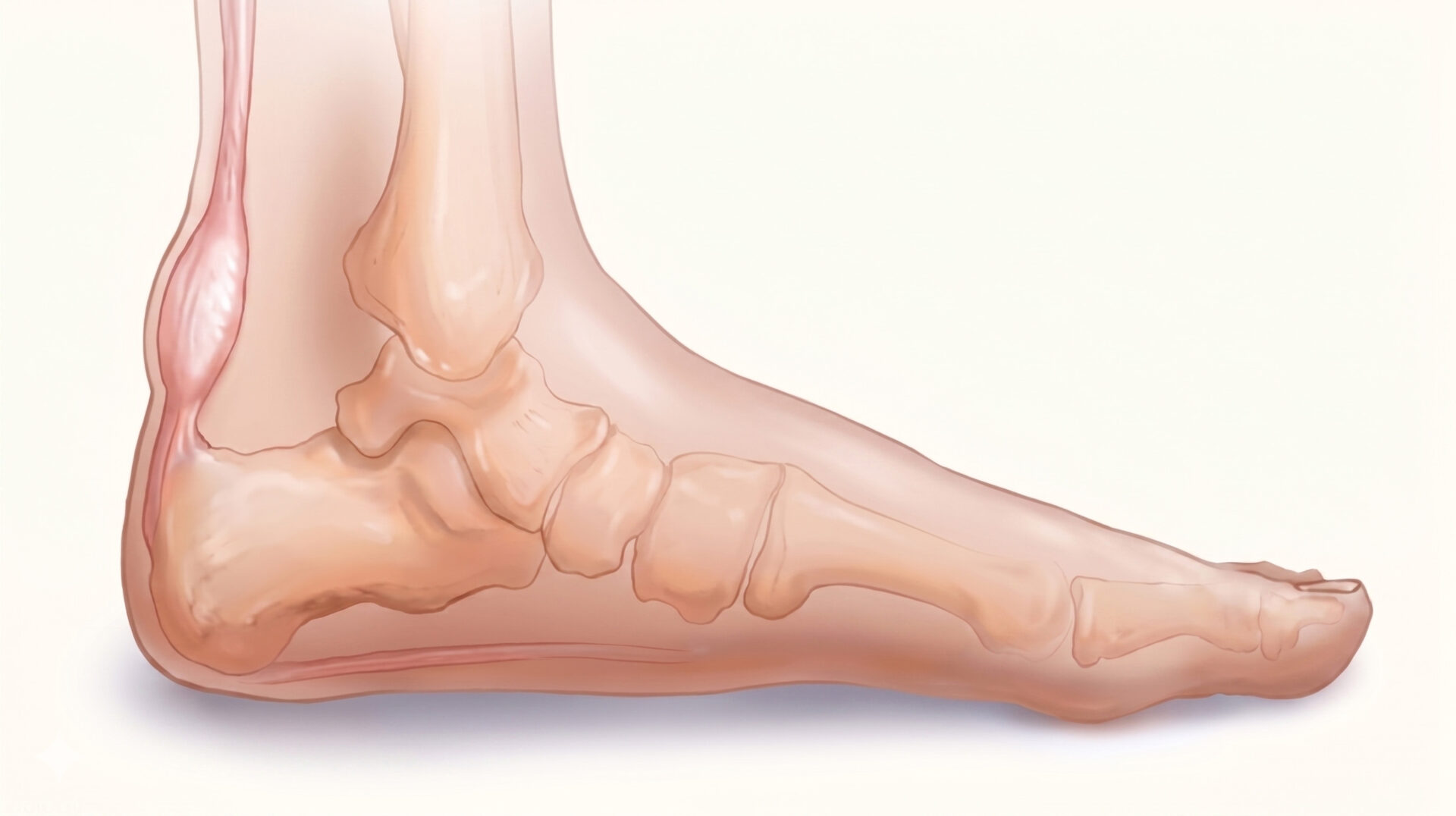
The Achilles tendon is the largest tendon in the body, a thick band of tissue that connects the calf muscles to the heel bone, helping power each step. It helps you push off the ground when you walk, climb stairs, jog or jump. Flat feet change the way the foot absorbs force. Instead of keeping a more stable arch shape during movement, the foot may roll inwards more than expected. This is often called overpronation. That extra inward movement can place repetitive stress on the lower leg and increase the strain on the Achilles tendon with every step.
Many people with flat feet have no symptoms at all. But when flat feet are combined with long hours on the feet, running, playing sports, tight or weak calf muscles, or unsupportive footwear, the risk rises. Physical traits, medical conditions, and high blood pressure can also increase an individual’s risk.
Clinicians often use the terms Achilles tendinopathy or Achilles tendinitis because the condition is not always driven solely by inflammation. In many cases, the Achilles tendon has developed minor structural changes due to repetitive strain, affecting active people of all ages.
Symptoms
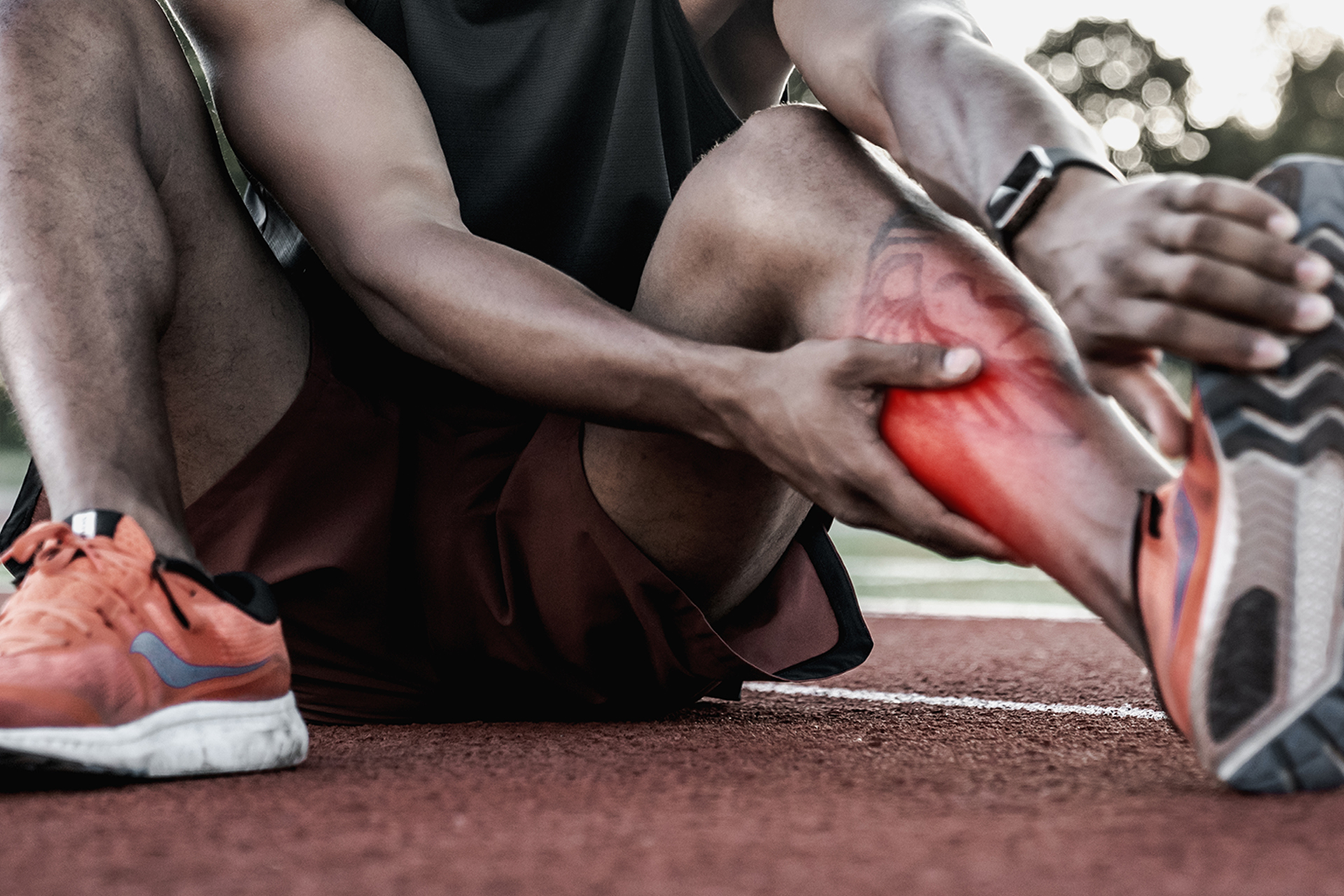
Symptoms of Achilles tendonitis with flat feet usually include pain, stiffness and tenderness at the back of the heel or along the Achilles tendon itself. In the early stages, Achilles tendon pain may be mild and only appear after physical activity. Many experience pain after a brisk walk or run, or a day spent standing for long periods. In Singapore, this can happen after a sudden increase in training on park connectors or hard pavements, especially when runners build mileage too quickly.
A common pattern of Achilles tendonitis is morning stiffness. The first few steps out of bed can feel tight and sore, then ease as the Achilles tendon warms up. Some notice a pulling sensation when climbing stairs or walking uphill. Others experience Achilles tendon pain when rising onto their toes or pushing off through the big toe.
The Achilles tendon may feel tender to the touch and can sometimes appear slightly thickened, with swelling around the affected area. Recurring pain in the heel and along the middle part of the Achilles tendon is a hallmark of this condition.
When Achilles tendinopathy becomes more established, symptoms last longer. Instead of hurting only after exercise, the Achilles tendon may hurt during the activity itself and stay sore afterwards.
When to See a Podiatrist
Mild Achilles tendon soreness after increased physical activity may improve with a short period of relative rest. But Achilles tendon pain that lingers, repeatedly returns, or worsens over time deserves proper assessment.
You should see a podiatrist if Achilles tendonitis and flat feet symptoms are not settling, keep coming back or are affecting how you move. It is particularly sensible to seek care if you have ongoing morning stiffness, trouble walking comfortably, swelling around the Achilles tendon, or pain that starts with simple daily tasks.
Early podiatry care from a healthcare professional can reduce the risk of a short-term irritation becoming a more persistent Achilles tendon injury. The goal is not simply to settle Achilles tendon pain for a few days, but to understand why the Achilles tendon is being overloaded and what can be done to prevent a recurrence.
You should also seek prompt assessment if you feel a sudden severe pain, hear a ‘pop’ after movement or impact, or find it difficult to push off the foot. These symptoms can point to a more serious Achilles tendon rupture.
Diagnosis
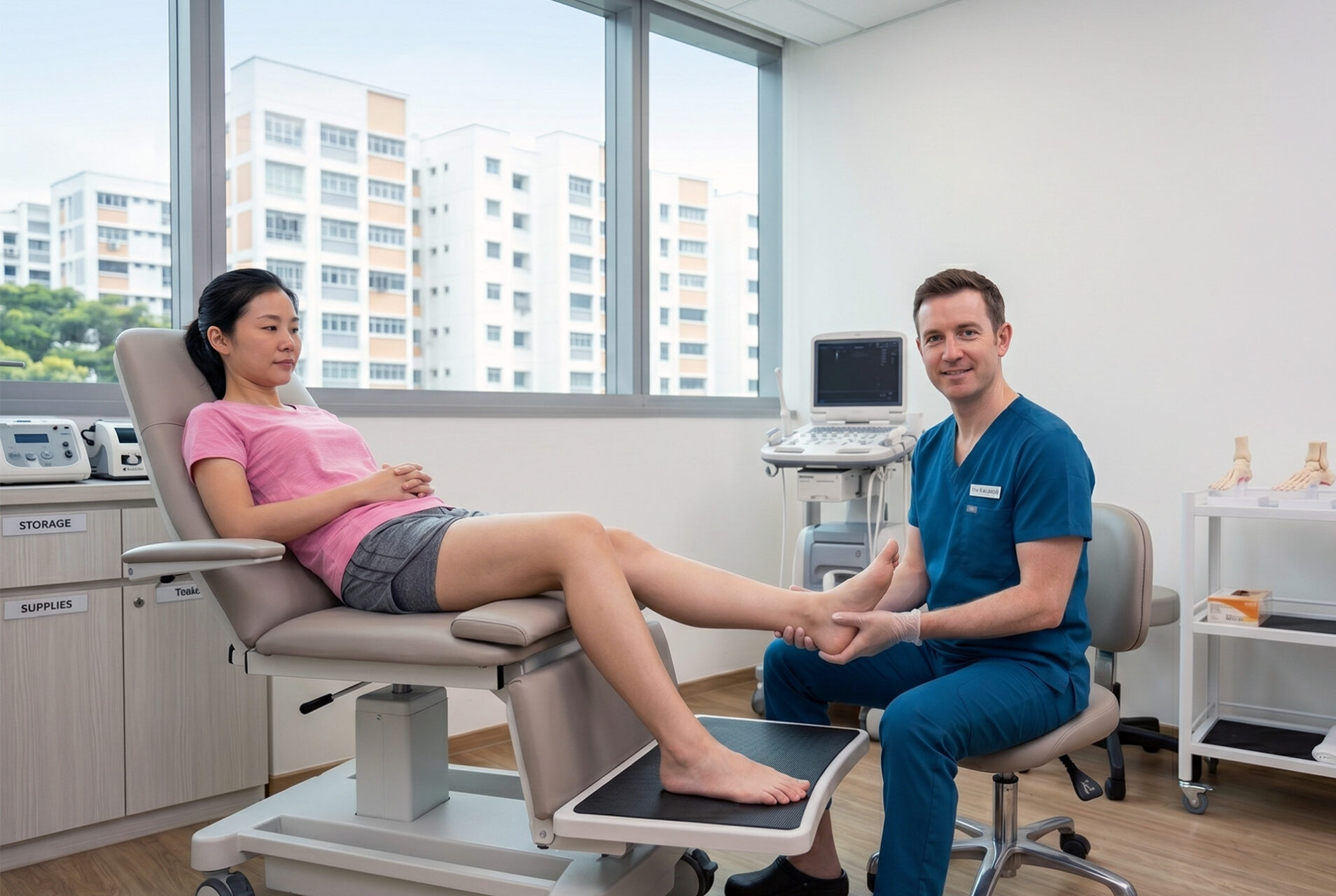
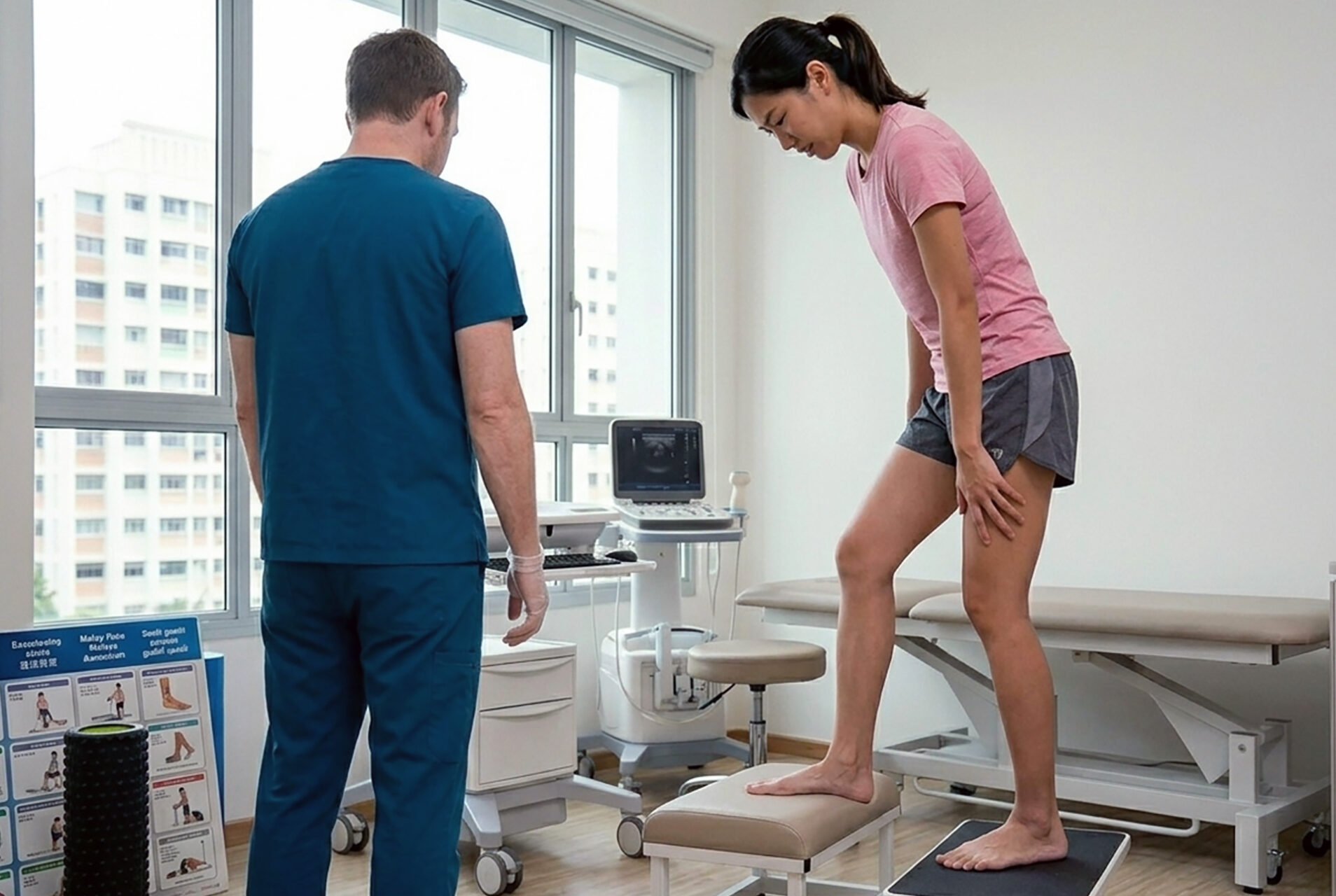
Diagnosis of Achilles tendonitis and flat feet begins with a detailed assessment of your symptoms, tendon loading, and foot mechanics. A podiatrist or healthcare professional will usually ask when the Achilles tendon pain started, what activities brought it on, whether there has been a recent increase in exercise, and what type of shoes you wear.
The physical examination assesses the Achilles tendon itself and how the foot and ankle function. The podiatrist may check for tenderness, swelling, Achilles tendon thickening, calf tightness, ankle range of motion and calf muscle strength. They will also look at whether the arch collapses excessively during standing and walking. This matters because Achilles tendon pain and flat-foot posture are not separate issues.
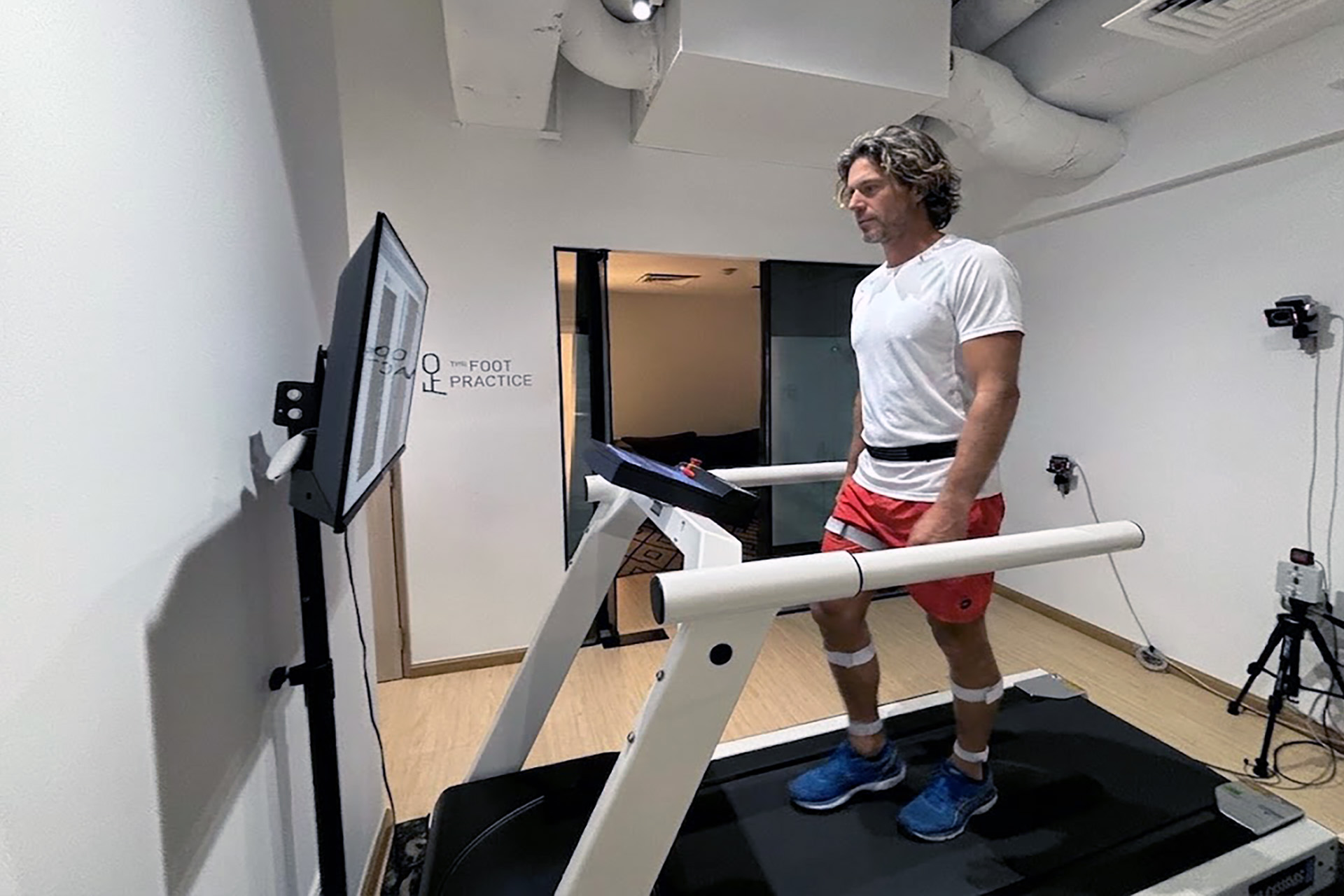
At The Foot Practice, gait and pressure assessment can add another layer of detail. RehaWalk® Gait Analysis can help identify overpronation, uneven loading, altered push-off mechanics, and other movement patterns that may place repeated strain on the Achilles tendon. This kind of assessment is useful because it shifts the focus from the Achilles tendon pain alone to the foot mechanics driving it.
Imaging is not always necessary for Achilles tendonitis, but it may be considered when the diagnosis is unclear, symptoms are severe, or an Achilles tendon rupture is suspected.
Non-Surgical Management
Non-surgical management for Achilles tendonitis focuses on reducing Achilles tendon overload, improving foot mechanics and rebuilding calf muscle strength. For most patients with flat feet, this is the mainstay of care and the first treatment option to consider.
The first step is often relative rest.
That means reducing or modifying physical activity that aggravates the Achilles tendon, rather than stopping all movement completely. You may need to cut back on running, jumping, hilly or long walks for a period, and replace these more strenuous activities with lower-impact exercises for the ankle. This gives the Achilles tendon a chance to settle without complete deconditioning. If necessary, a walking boot may be used when the Achilles tendon pain and swelling are significant to offload the affected area and to provide relief.
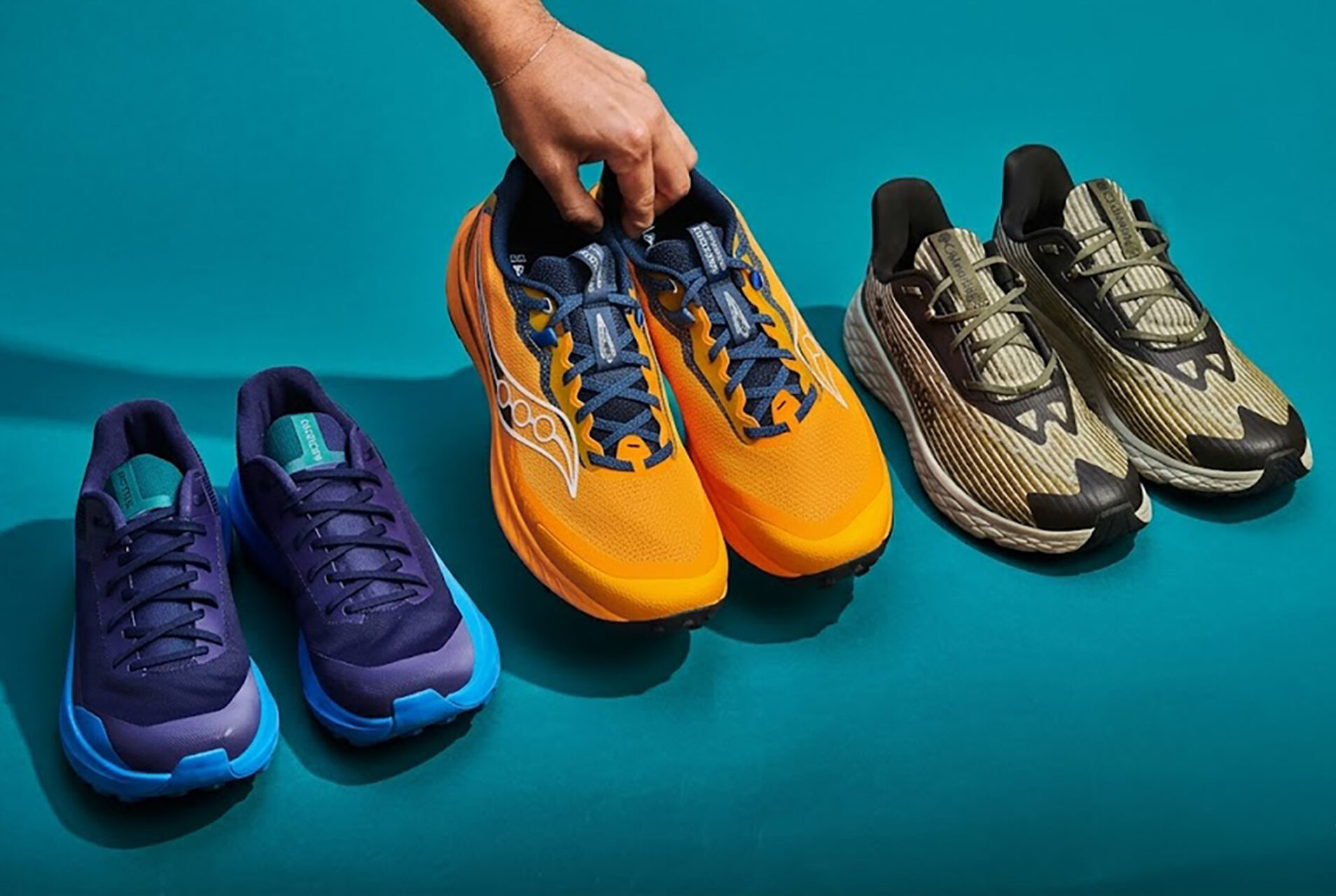
Footwear matters more than many people realise.
Worn-out shoes that are too flexible, poorly cushioned or unsupportive for a flat foot can place excessive strain on the Achilles tendon. Heel lifts placed inside your footwear can reduce the strain on the Achilles tendon by slightly elevating the heel bone. Arch supports that control excessive inward rolling will also help reduce the strain on the Achilles tendon during daily activity and when playing sports.
Custom orthotics can also help when flat feet are a clear contributor to Achilles tendinitis.
By supporting the arch and reducing excessive inward rolling of the foot, custom orthotics and arch supports can lower the twisting and pulling forces that cause excessive strain on the Achilles tendon. In carefully selected cases, they can be an important part of Achilles tendonitis management.
RehaWalk® Gait Analysis can guide these decisions with more precision.
Rather than guessing how the foot is loading, your The Foot Practice podiatrist can see pressure distribution and timing patterns in real time. That information will help shape a more personalised Achilles tendonitis treatment plan.
Physical therapy and exercise-based care are central to recovery from Achilles tendinitis.
Stretching exercises may be used to improve ankle flexibility and calf muscle mobility when stiffness contributes to Achilles tendonitis. Patients are encouraged to stretch daily to maintain calf muscle flexibility. Strengthening exercises for the calf muscles are also equally important. Calf raises, controlled strengthening drills, and structured return-to-activity plans are often more helpful in the long run than repeated short bursts of rest. Physical therapy also helps prevent Achilles tendonitis from recurring by addressing biomechanical factors that contribute to intense strain on your Achilles tendon. To prevent Achilles tendinitis, consistent physical therapy and load management should continue even after symptoms resolve, especially for those with flat feet.
Adjunctive treatments may improve recovery time.
Where appropriate, adjunctive interventions such as Shockwave Therapy or Dry Needling may be considered as part of a broader Achilles tendinitis management plan. These are not stand-alone fixes, but in selected cases, they may provide relief and support recovery when combined with load management, footwear correction, and strengthening.
Risks and Recovery
Recovery from Achilles tendonitis and flat feet is usually favourable, but it can be slow if the causes of the Achilles tendon overload are not addressed. Mild Achilles tendinitis cases may settle within weeks, but more persistent Achilles tendon injuries can take months, especially if the Achilles tendon has been irritated for a long time before care is initiated.
The main risk of ignoring Achilles tendon pain and flat feet is that the condition becomes chronic, especially if the flat feet are not managed. An Achilles tendon that remains overloaded may stay painful, stiff and less tolerant of physical activity. The patient may then cut back on exercise, alter their walking style, or place extra strain on other calf muscles and structures. In serious cases, a weakened Achilles tendon is at greater risk of partial tearing or rupture. Bone spurs may also develop at the heel bone in longstanding cases of Achilles tendinitis.
Maintaining a healthy weight can also reduce the load on the Achilles tendon and help keep symptoms manageable. A sensible Achilles tendonitis recovery plan usually includes gradual reloading, appropriate footwear, attention to calf muscle strength and a close look at foot mechanics. For those with flat feet, the goal is to prevent Achilles tendonitis from returning by reducing the uncontrolled inward rolling that causes repetitive strain on the Achilles tendon.
Get Help for Achilles Tendonitis and Flat Feet
The right podiatry care for Achilles tendonitis and flat feet should not only ease Achilles tendon pain but also address the underlying flat foot mechanics. If you have heel pain, Achilles tendinitis, recurring Achilles tendon pain, or flat feet, seek a proper assessment from a healthcare professional.
At The Foot Practice in Singapore, our podiatrists assess your Achilles tendons, foot and ankle posture, footwear, and movement to build a personalised care plan. With the right combination of load management, gait assessment, custom orthotics, arch supports, physical therapy, footwear advice, and targeted exercises, many people can return to playing sports and daily activities comfortably while reducing the risk of Achilles tendon injury.
Contact The Foot Practice today to arrange a consultation and get clear answers about what is causing your Achilles tendon pain and flat feet problems, and what the next steps are towards recovery.