
What Is Onychomycosis?
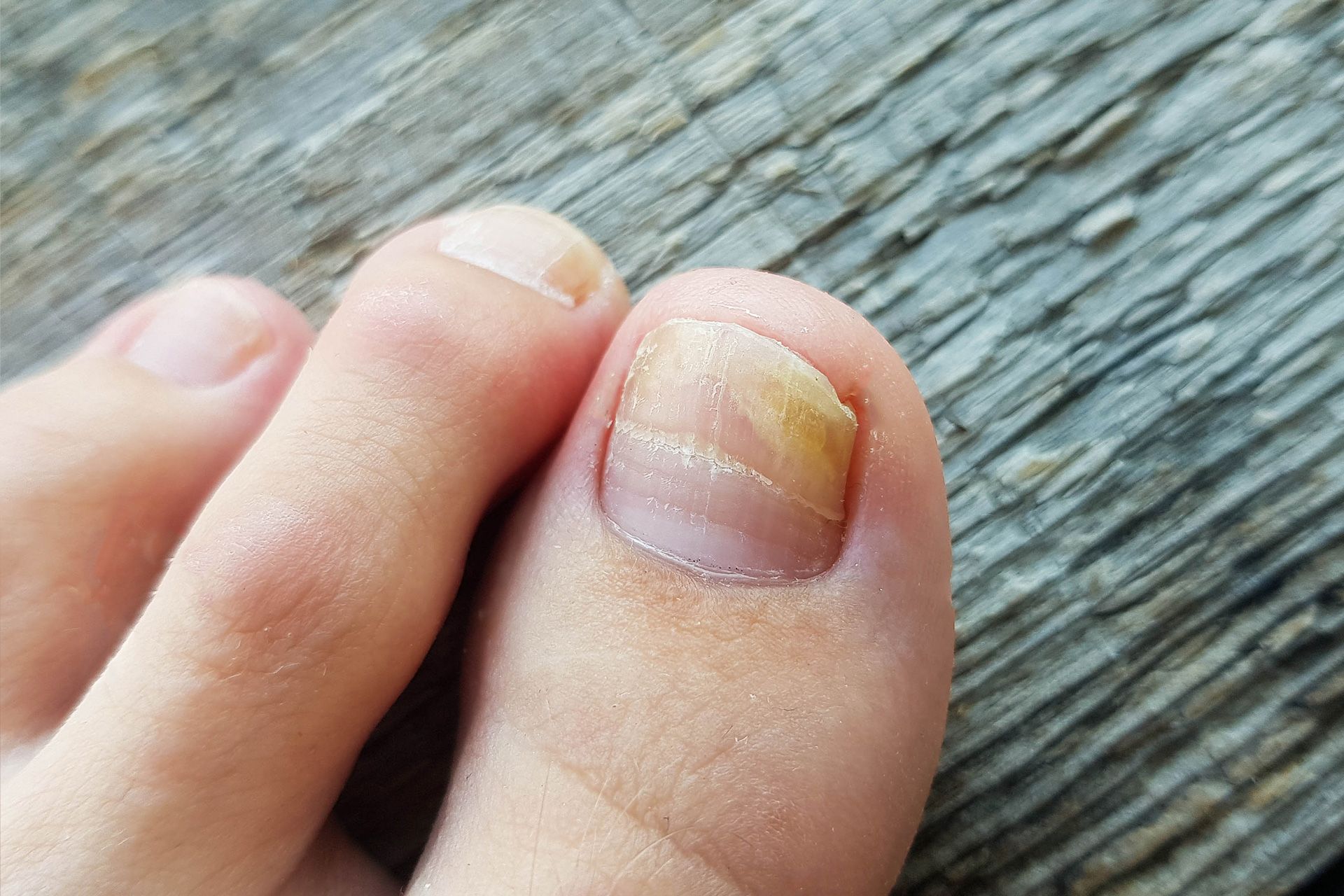
Fungal nail infections usually affect toenails, not fingernails, and can affect the nail plate or the tissue beneath it. The nail may become white, yellow, or brown. It may also thicken, crumble, or lift from the nail bed.
Not every thick or discoloured nail is fungal. Injury, psoriasis, bacterial infection and other nail disorders can look similar. Testing an affected nail before starting treatment helps confirm the cause and identify the best treatment.
Dermatophytes cause most fungal nail infections. However, yeasts and non-dermatophyte moulds cause some nail infections. Fungal nail infections are categorised by their cause. Tinea unguium specifically means a dermatophyte infection of the nail, while onychomycosis is the broader medical term for fungal nail infection.
Symptoms
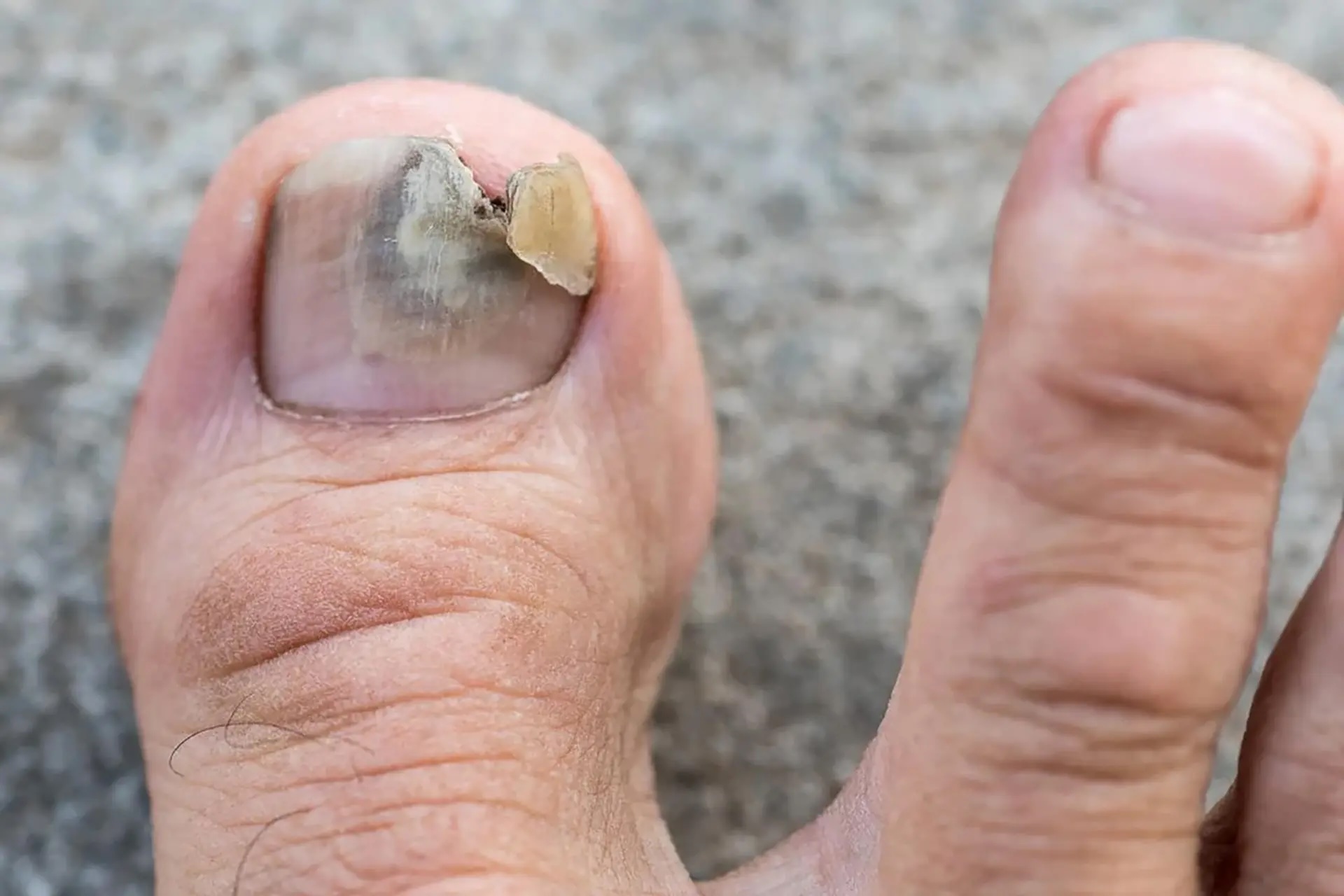
Fungal nail infection symptoms usually develop slowly. One or more toenails may become:
- white, yellow or brown
- thicker than usual and difficult to trim
- brittle, crumbly or ragged at the edge
- distorted or misshapen
- separated from the nail bed
- uncomfortable in shoes
The most common form, lateral and distal subungual onychomycosis, often starts at the nail edge or side and spreads inward. If left untreated, it may eventually involve the whole nail. Other patterns can begin on the surface or near the base.
Pain from fungal nail infection is uncommon early on. A thick nail can later cause pressure, tenderness or difficulty walking. Redness, warmth, swelling, bleeding, drainage or increasing pain around an infected nail may indicate another problem or a secondary infection.
When to See a Podiatrist
Arrange an assessment with a podiatrist if:
- you are unsure what caused the nail change
- the nail bothers you or is painful, lifting, thick, or difficult to trim
- the changes are spreading to other nails or the surrounding area
- non-prescription care has not helped
- the tissue around the affected toenail is red, warm, swollen or draining
- you have diabetes, poor blood circulation, reduced sensation, or a weakened immune system
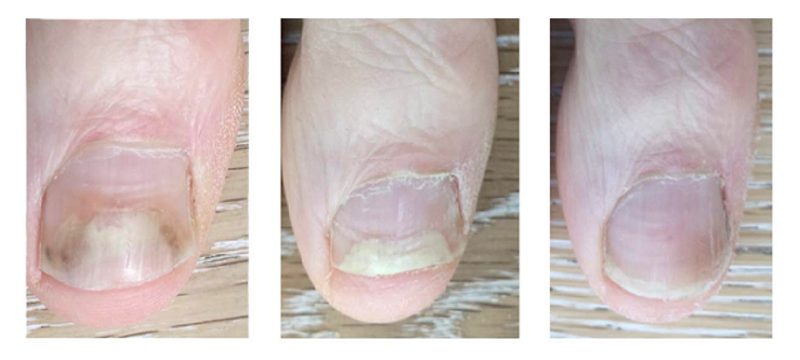
Seek prompt medical care for spreading redness, pus, fevers, an open wound, or a rapidly worsening pain. A new dark streak or unexplained black area also needs assessment, as these can signal a more serious, urgent condition.
What Causes Fungal Nail Infections?
Fungus can enter through small breaks around the nail or through a gap between the nail and nail bed. Dermatophyte fungi cause most fungal nail infections, but some nail infections are caused by yeasts or non-dermatophyte moulds. Fungus persists in moist environments, including constantly warm footwear and communal showers, so regular foot care is essential to prevent infections.
The same fungi can also cause athlete’s foot. A fungal infection between the toes is called athlete’s foot, or tinea pedis. Untreated athlete’s foot can spread to the toenails.
The common distal form of toenail fungus can spread from the edge of the nail towards the centre. Other types follow different patterns, so the position of the change does not confirm a fungal nail infection. Fungal nail infections have many causes, so it is important to identify the right one to treat the infection properly.

Risk Factors
Your risk of fungal nail infections may be higher if you:
- are an older adult
- have had athlete’s foot
- have sweaty feet or wear shoes that keep your feet hot and damp
- wear shoes with narrow toes that repeatedly press on your toenails
- walk barefoot in communal showers, locker rooms or swimming pools
- have repeated pressure, a nail injury or another nail disorder
- share footwear, towels or nail tools
- have diabetes, poor blood circulation, psoriasis or other skin conditions
- have a weakened immune system following an organ transplant or during chemotherapy treatment
Singapore’s warm, humid conditions can make it harder for shoes and socks to dry. However, climate alone does not cause onychomycosis or toenail fungus. Understand the proper cause so you can tackle the problem at its root.

Diagnosis
A podiatrist or doctor will examine the affected toenails and surrounding skin for onychomycosis. The assessment may include your onychomycosis symptoms, health conditions, other medications, footwear, nail injuries and previous fungal nail infection treatments.
A clipping or scraping may be sent for a microscopy, fungal culture or another test. Confirming the diagnosis matters before starting oral medication because several conditions can mimic a fungal infection under the nail. Testing will confirm the toenail fungus and guide an onychomycosis treatment plan. If thickening is the main concern, read about causes of thick toenails. Thick toenails may be due to onychomycosis but are not necessarily always the source.
Management of Fungal Nail Infections
Fungal nail infection treatment depends on how much of the nail is affected, how many toenails are involved, the organism or nature of the fungi, your health and your preferences. A mild, painless infection may not require treatment. Improvement is slow, cure rates vary, and fungal nail infections can return.
Treatment options may include:
- Topical antifungal nail medicine. Topical treatments, such as a medicated lacquer or solution, may suit a mild fungal nail infection. Use this topical medication for the full recommended course. An antifungal cream used for skin infections will not penetrate an infected nail plate well enough.
- ToeFX Light Therapy. Laser therapy targets the fungus using thermal or photochemical action without oral medication. Clinicians may combine it with topical treatments for more stubborn infections. This non-invasive approach uses two wavelengths of light, with blue (405 nm) to destroy fungal cells and red (660 nm) to promote blood flow and healing. Each session takes about 20 minutes, including preparation. Most patients need 6 to 10 weekly sessions. Laser treatment does not involve medication, so there are no systemic side effects.
- Prescription oral antifungal medicine. A doctor may prescribe antifungal tablets for more extensive toenail fungus. Antifungal tablets can interact with other medications and may not be suitable if you have liver or kidney disease. Possible side effects include an itchy rash, stomachache, headache, or nausea. The doctor may arrange blood tests before treatment and, in some cases, while you take antifungal tablets.
- Nail reduction or debridement. A podiatrist can thin thick nails with sterile instruments when the toenail causes discomfort. This may reduce pressure, ease foot problems, and support other care, but it usually does not eradicate the fungal nail infection on its own.
- Nail removal. Complete removal is uncommon. However, badly infected nails may require it when a painful or severely damaged nail has not responded to other treatment options.
Laser treatment is available, but evidence for clearing toenail fungal nail infections with laser treatment is less certain than for established antifungal tablets and topical treatments.
Recovery and Recurrence
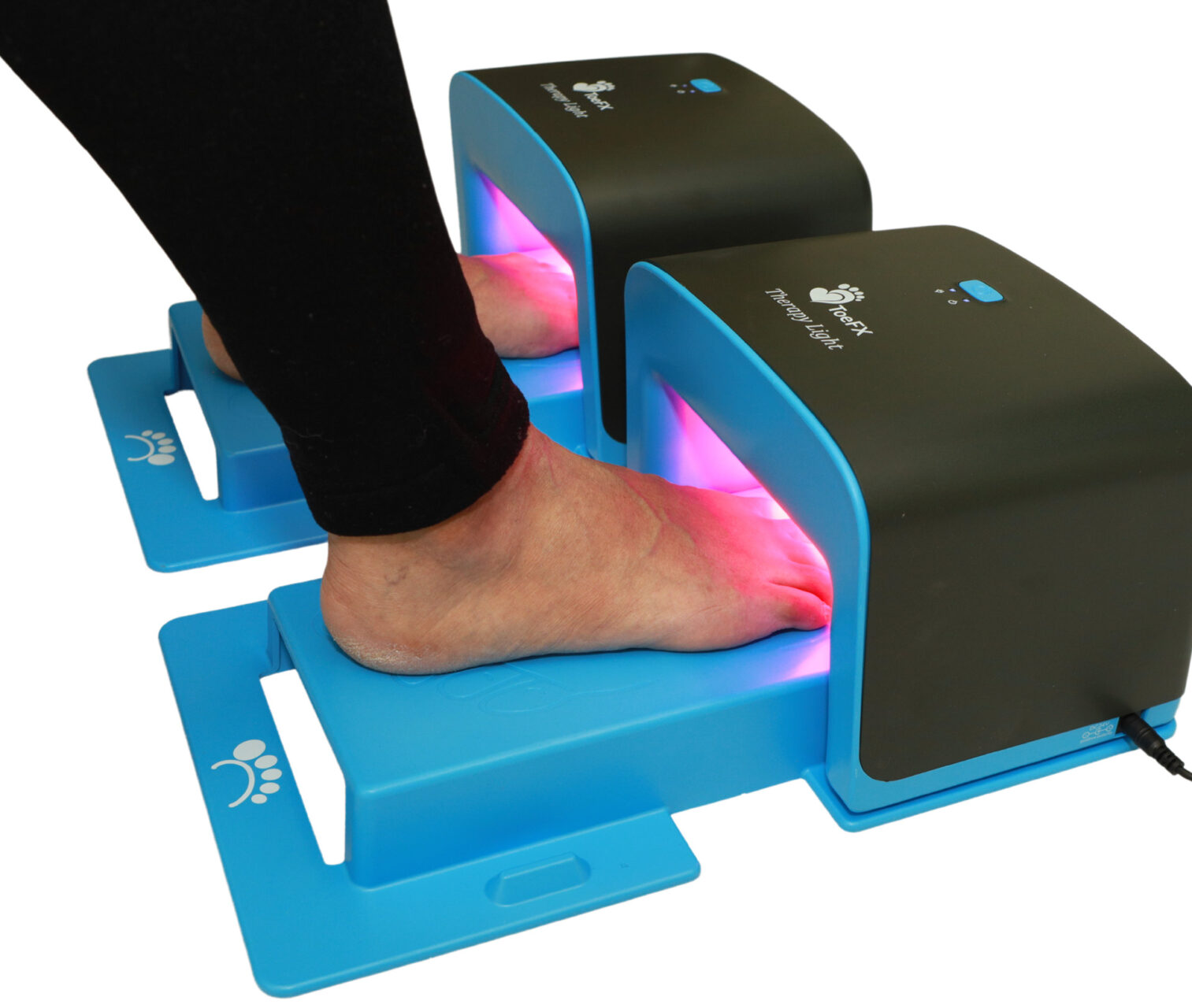
Antifungal treatment can take several months. Improvement appears as a healthy new nail grows from the base. Toenails grow slowly and may take about 12 to 18 months to grow out fully, so toenails can still look abnormal after the fungal infection has responded.
Onychomycosis and toenail fungus can return. Recurrence does not always mean you used treatment incorrectly. Sometimes, slow nail growth, athlete’s foot, repeated exposure, nail damage and underlying health conditions can contribute to the recurrence. Stay mindful of foot care and be attentive so you can notice any new infection quickly, especially if you have diabetes.
Complications
Fungal nail infection is often mild, but a thick or distorted nail can cause pressure, pain and difficulty with footwear or walking. Fungal nail infections can also spread to other nails or the nearby skin.
Fungal nail infection and diabetes need particular care. Diabetes, poor blood circulation, reduced sensation and immune suppression can increase the consequences of injury or secondary infection. Do not cut away an affected nail or start a medicated product without professional advice.
Prevention
There is no surefire way for how to prevent fungal nail infections. Daily foot care and keeping nails short can help prevent fungal nail infections and reduce the chance of toenail fungus returning. To help prevent fungal nail infections:
- wash your feet and keep your feet dry, especially between the toes
- change into clean, dry socks each day and after heavy sweating
- wear cotton socks only while they remain dry, or choose moisture-wicking socks for sweaty feet
- wear shoes that fit well, allow ventilation and can dry between uses
- keep your nails short, cut them straight across and avoid injuring the surrounding skin
- clean your nail clippers after use and do not share your nail clippers, files, towels or shoes
- wear flip-flops in communal showers, locker rooms and swimming pools
- treat athlete’s foot promptly
- clean and dry old shoes, and replace pairs that cannot be kept clean and dry
Moisturisers can help dry or brittle nails and cuticles, but do not prevent or cure fungal nail infections. Follow the directions for any medicated nail product. You may need to remove nail polish for an assessment or treatment by a podiatrist.
Podiatry Assessment for Onychomycosis in Singapore
Our podiatrist at The Foot Practice can examine your toenails, consider other causes of onychomycosis, arrange testing when appropriate, reduce troublesome nail thickness, and discuss the next step in care. Book a podiatry appointment with us if your nail is painful, difficult to trim, has recurrent infections, or if you have a higher-risk health condition.
Frequently Asked Questions
What is onychomycosis?
Onychomycosis is the medical term for a fungal infection of a fingernail or toenail. It is more common in toenails and may cause discolouration, thickening, crumbling or lifting.
Is onychomycosis contagious?
Onychomycosis can spread through infected skin, shared nail tools, towels, footwear and damp communal surfaces. Exposure does not always lead to infection. Nail damage, sweaty feet and certain health conditions can increase your susceptibility.
Is tinea unguium the same as onychomycosis?
Tinea unguium and onychomycosis are different types of nail infections. Tinea unguium is a dermatophyte infection of the nail. Onychomycosis is a broader term that also includes nail infections caused by yeasts and non-dermatophyte moulds.
Can fungal nail infection clear without treatment?
Some mild infections cause little difficulty and may be monitored. Established onychomycosis often persists, and spontaneous clearance is uncommon. Ask a healthcare professional if the diagnosis is uncertain or if the nail is painful or worsening.
How long does onychomycosis treatment take?
Treatment often continues for months. A healthy-looking toenail can take 12 to 18 months to replace the affected nail because toenails grow slowly.