
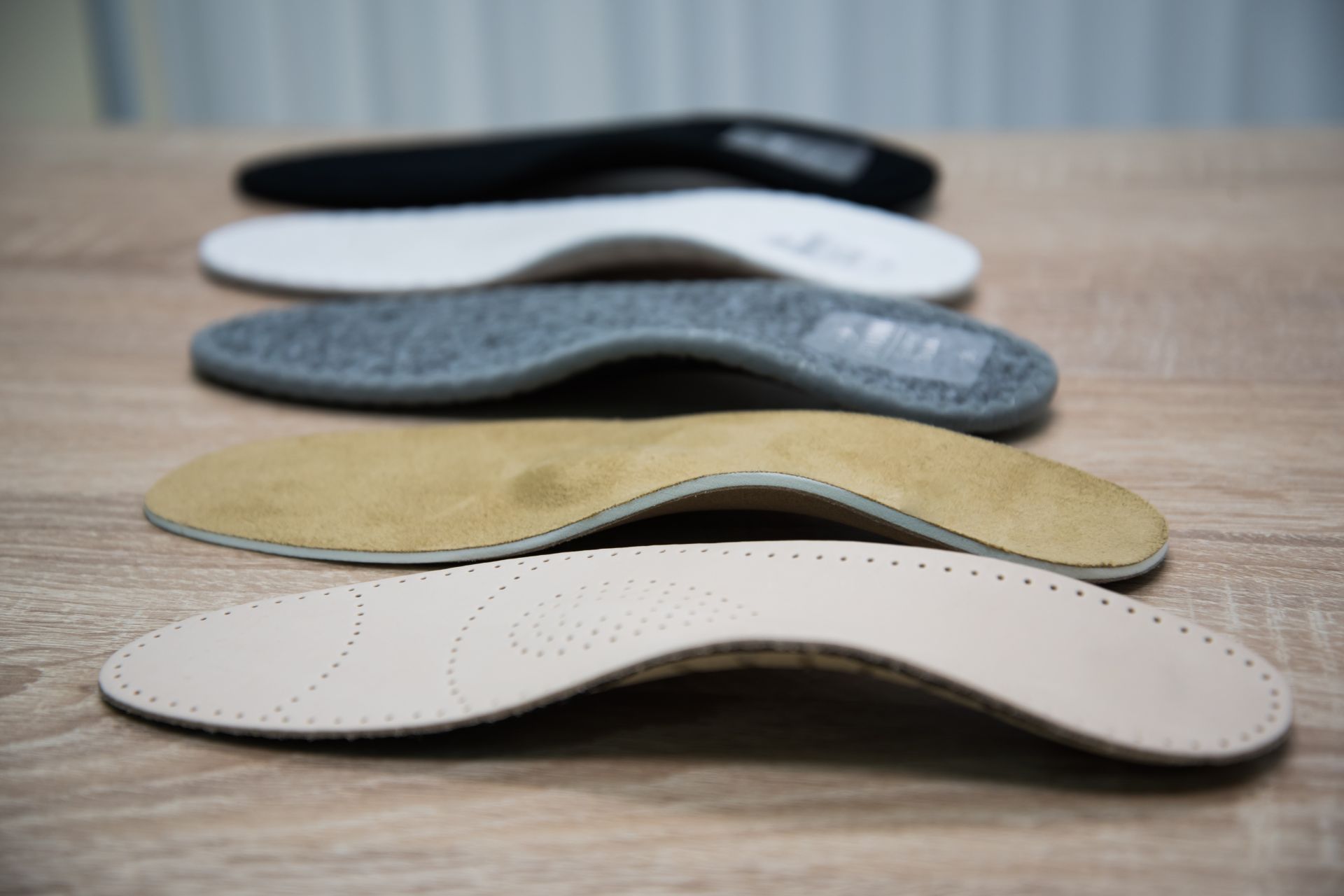
Plantar heel pain can make running or standing uncomfortable. Insoles are one option within a broader care plan that may include stretching, strengthening and activity adjustments.
Understanding Plantar Fasciitis Insoles
Plantar fasciitis insoles aim to change support or pressure under the foot. Ready-made and custom options are available, and comfort and fit matter more than marketing labels.
Types of Plantar Fasciitis Insoles
- Ready-made insoles: These may improve comfort for some people. Research has not consistently shown custom insoles to be superior for plantar heel pain.
- Semi-custom insoles offer a middle ground between over-the-counter and fully custom options. They come in various arch heights and can be heat-moulded for a better fit.
- Custom-made orthotics are made for an individual’s feet. They are one option among others; the best choice depends on symptoms, footwear and response to care.

Both ready-made and custom insoles may be considered for plantar fasciitis. Comfort, fit, symptoms and response to care matter, and neither option guarantees relief.
When custom insoles may be considered
At The Foot Practice, assessment and foot measurements can inform an insole design. A 3D scan records foot shape but does not identify the cause of pain or guarantee a better outcome.

Custom insoles are made for an individual’s feet and footwear. They may change pressure under the foot or improve comfort, but they do not necessarily correct the cause of pain.
Benefits of Custom Plantar Fasciitis Insoles
- Individual design: A custom insole can be shaped or adjusted for specific footwear and pressure-relief needs.
- Comfort and support: Insoles may help some people with symptoms; the response varies.
- Shock absorption: Materials and cushioning vary between insoles. Comfort and response depend on the person, and custom devices are not necessarily superior to ready-made options.
Discuss the cost, alternatives and review plan before choosing an insole. A less expensive ready-made option may be appropriate.
What to expect from insoles
Response differs between people. Insoles may improve comfort, but should not be used as the only treatment for plantar fasciitis. Review persistent pain with your clinician.
Insoles may improve comfort for some people with plantar heel pain. They do not necessarily correct its cause or prevent recurrence.
Choosing the Right Plantar Fasciitis Insoles
When selecting insoles for plantar fasciitis, it’s crucial to consider several key factors. First, look for insoles that provide appropriate arch support matching your specific arch type, whether low, neutral, or high. A deep heel cup is also important as it helps stabilise the foot and absorb shock effectively.
Materials differ in cushioning, stiffness and durability. A label such as medical-grade does not establish superior benefit. The insole should fit without crowding the toes.
At The Foot Practice, a podiatrist can assess symptoms and discuss footwear, exercises and insole options. No insole can guarantee that plantar heel pain will resolve.
Plantar Fasciitis Insoles in Singapore
As technology advances, so does the field of podiatry. We’re excited about emerging trends in plantar fasciitis insoles, including:

- Smart insoles with built-in sensors to track gait and pressure points
- 3D-printed custom orthotics for an even more precise fit and support
- Biodegradable materials for eco-friendly insole options
Choose an insole based on symptoms, shoe fit, preference and response to care. Custom orthotics are not necessary for every person with plantar heel pain.
Book a consultation at The Foot Practice to discuss heel pain, footwear and suitable treatment options. No insole can promise a pain-free future. See also sports podiatry clinic.