

Patellofemoral pain, often called runner’s knee, causes pain around or behind the kneecap. It affects runners and other people whose activities load the knee.
Runner’s Knee Causes and Symptoms
Changes in activity, muscle capacity and movement can contribute to symptoms. Patellofemoral pain does not have one universal cause, and a low foot arch alone is not a diagnosis.
Jumper’s knee usually refers to patellar tendon pain, while runner’s knee commonly refers to patellofemoral pain. The latter does not necessarily mean damaged cartilage or a misaligned joint.
One of the runner’s knee symptoms is a dull ache around or behind the kneecap, especially when going upstairs, squatting, or sitting for hours. Another hallmark of the condition is pain worsening after running or other high-impact activities.
Reducing aggravating activity may help symptoms. Education and an individual exercise programme are central to ongoing management.
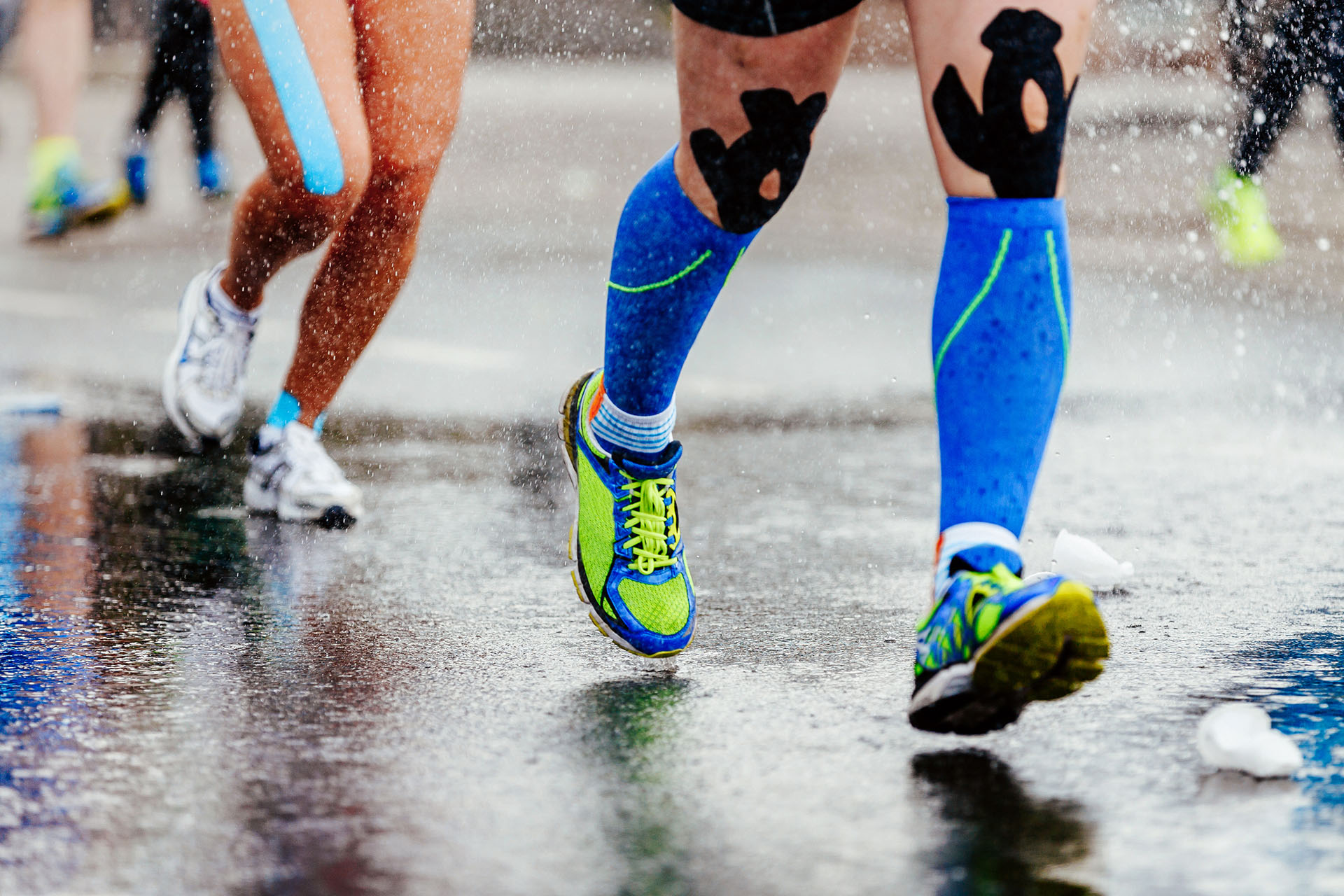
Proper Diagnosis of Runner’s Knee
Assessment begins with the history and a physical examination. Imaging is not routinely required for typical patellofemoral pain but may be considered when another diagnosis is suspected.
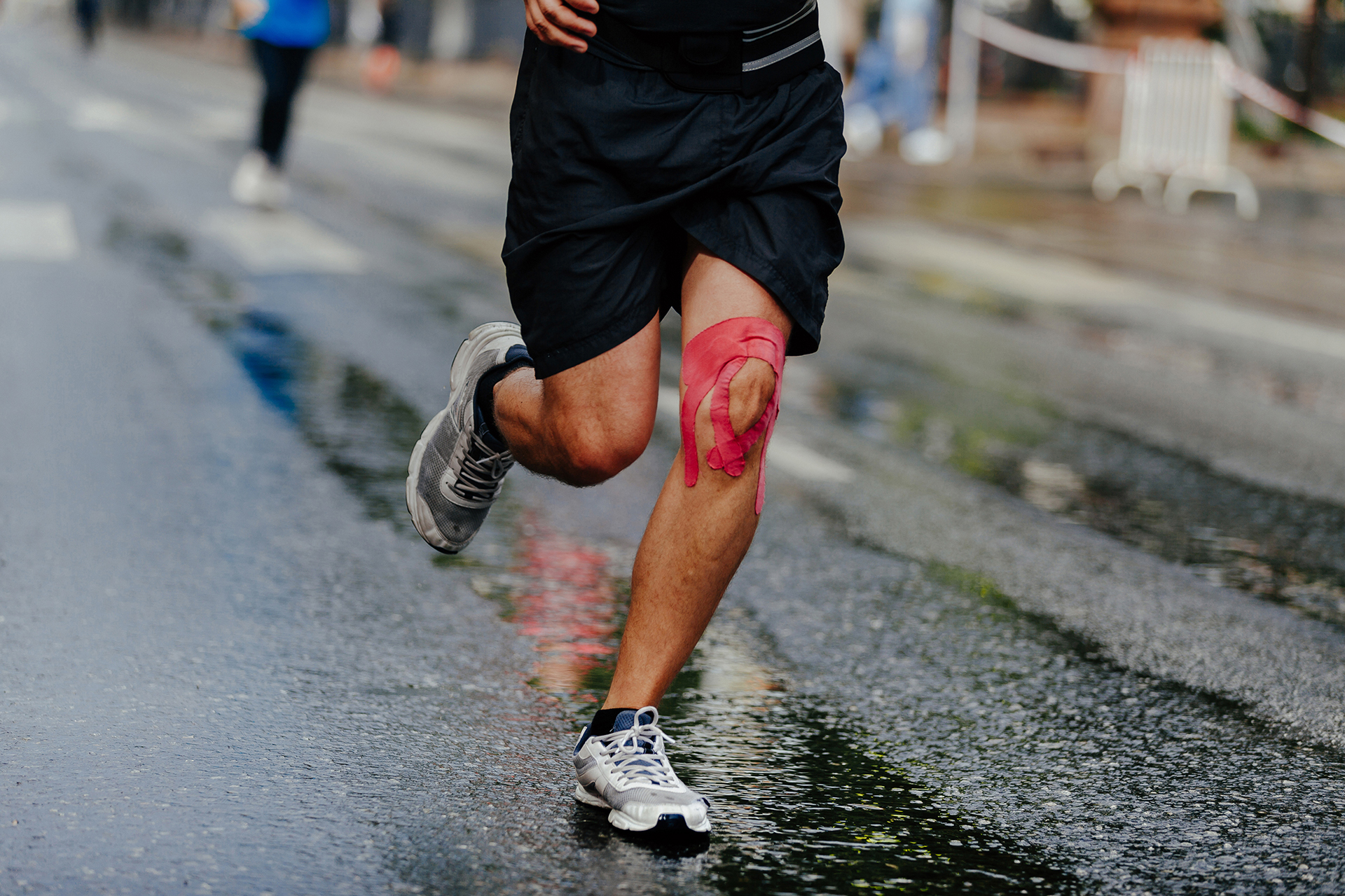
Podiatry in Patellofemoral Pain Syndrome Treatment
A plan for runner’s knee should reflect symptoms, activity and goals. Recovery time varies. Options may include:
1. Footwear assessments for support
Comfortable, well-fitting shoes may be considered alongside an individualised plan for knee pain. A clinician can review footwear and activity, but a shoe assessment alone does not guarantee symptom relief or prevent reinjury.
2. Exercise for Strength and Function
Knee-focused strengthening, sometimes with hip exercises, is tailored to the person. Adjust exercise depth and load to tolerance rather than pushing through painful deep squats.
3. Insoles
Insoles may improve comfort for some people with knee pain. Their effects vary, and they do not guarantee correction of gait or faster recovery.
4. Shockwave Therapy
Evidence for shockwave therapy in runner’s knee is limited. Management depends on the diagnosis and may include activity changes and an individualised exercise programme.
Shockwave therapy has not been established to repair cartilage or guarantee a faster return to running for runner’s knee.
5. Gait Assessment
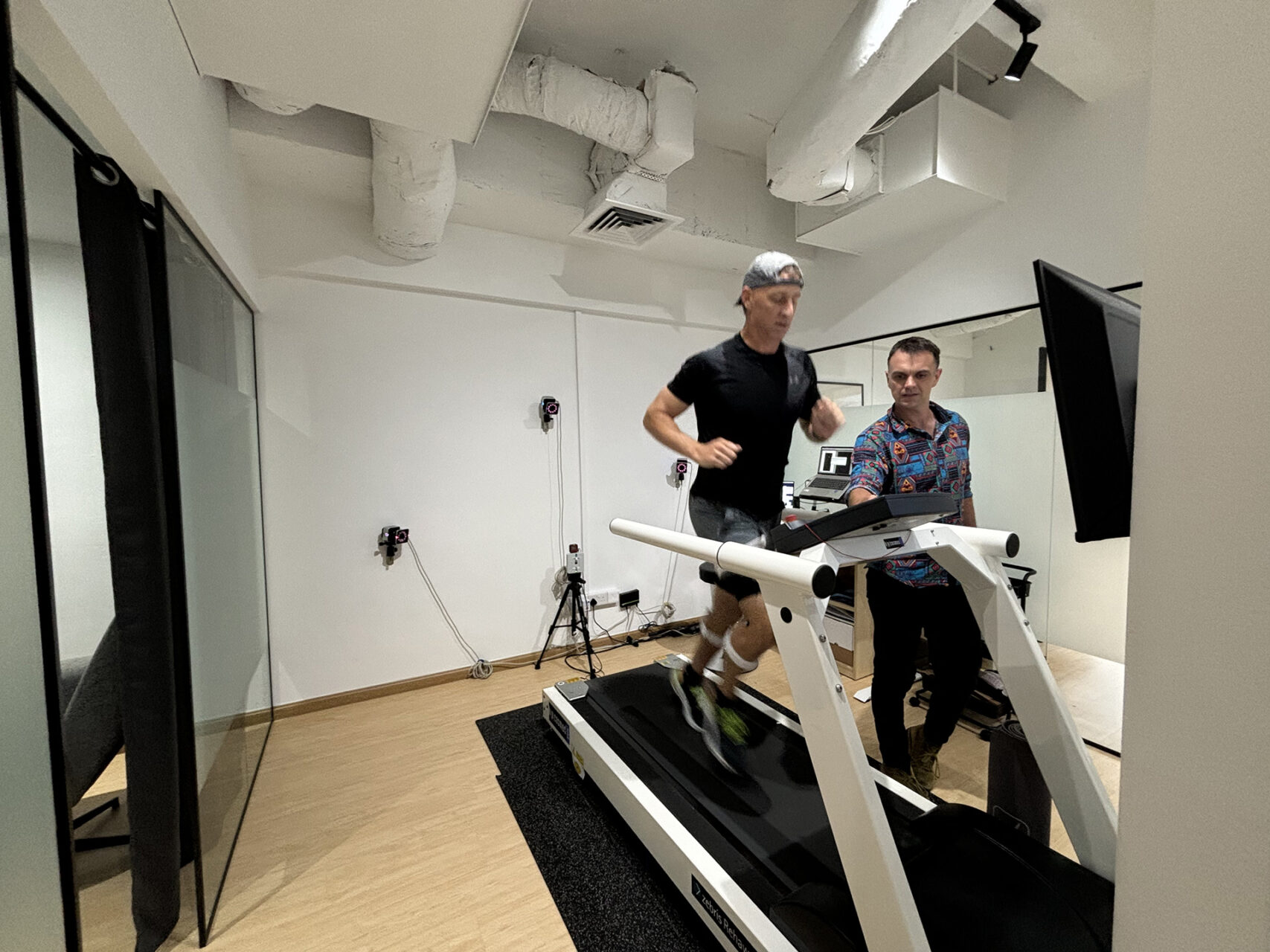
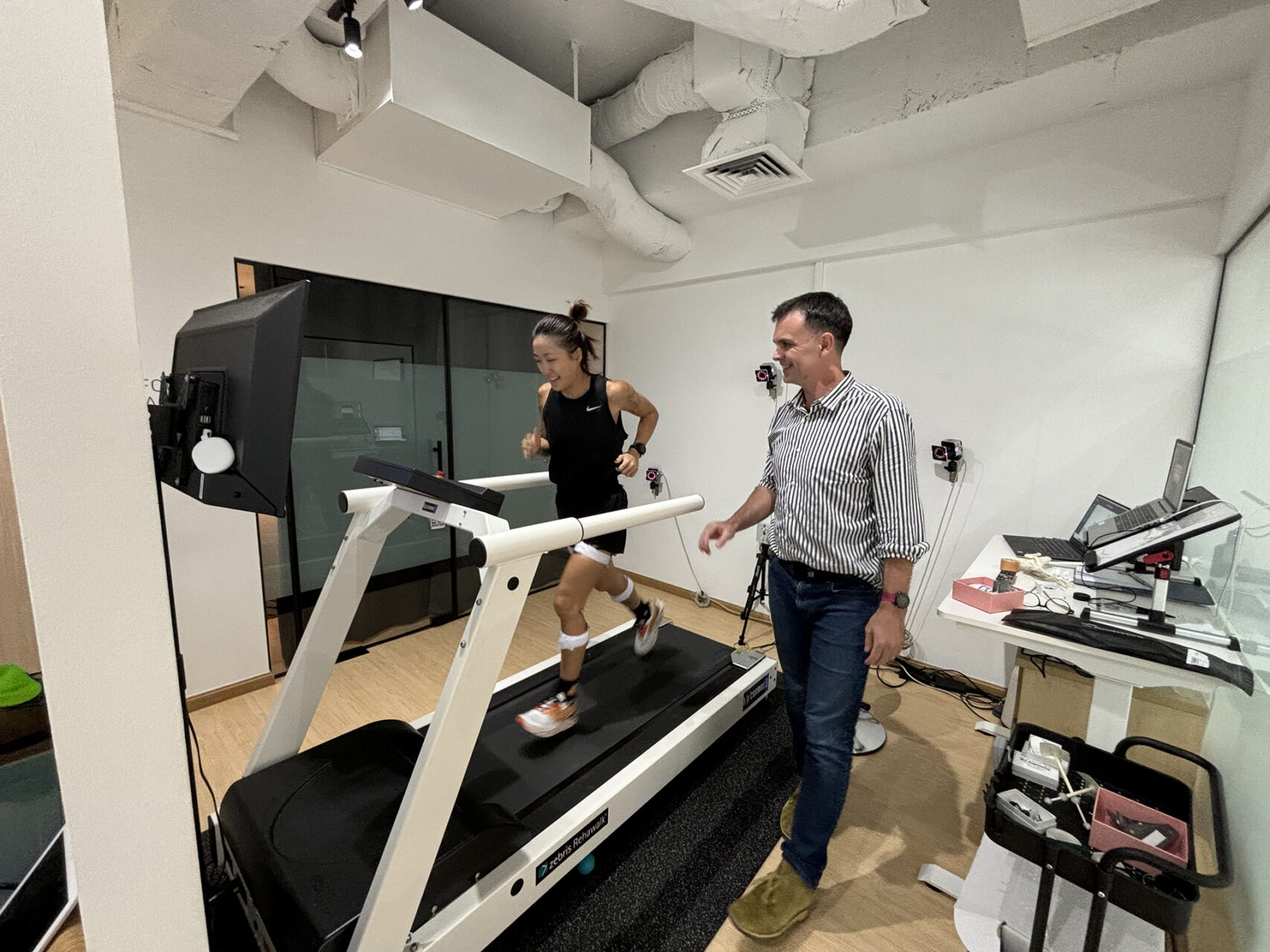
Gait analysis can describe aspects of walking or running. A clinician interprets the findings alongside symptoms, activity and examination; measurements alone cannot diagnose the cause of knee pain.
RehaWalk® can record aspects of walking and provide feedback. It is an adjunct to assessment or rehabilitation, not a guarantee of recovery.
Can You Run With a Runner’s Knee?
Athletes often ask, “Should I run with runner’s knee?” The answer depends on the severity of your symptoms and stage of recovery.
If running causes persistent knee pain, seek an assessment. A gradual return to activity can be planned according to symptoms and recovery; outcomes and timelines vary.
Myths about Runner’s Knee
There are several myths about patellofemoral pain syndrome that can delay or mismanage intervention. One common myth is that PFPS only affects runners. In reality, anyone who does activities that involve repetitive knee bending and straightening, such as cycling or even prolonged sitting due to their occupation, can develop this condition.
Rest alone may not provide lasting improvement. A clinician can guide exercise and load management if pain persists.
When to See a Podiatrist for Runner’s Knee
Seek medical assessment for severe or persistent knee pain. Urgent assessment is needed for a hot, swollen knee with fever, major injury or inability to bear weight. Other concerning signs include:
- Sudden severe knee pain
- Swelling or bruising around the knee
- Unable to walk or bear weight on the knee
- Instability or feeling the knee is giving way
- Heat or redness around the knee
An assessment can help identify possible causes of knee pain and guide management. Recovery varies, so seek advice if symptoms persist, worsen or affect your activities.
The Road to Recovery
Runner’s knee can be frustrating, especially when it comes to your love for running or other activities.
The Foot Practice can assess lower-limb symptoms and discuss a care plan or referral where appropriate. Book an appointment if knee pain is limiting your activity.