

Metatarsalgia means pain in the ball of the foot. It can affect athletes and non-athletes and has several possible causes.
Symptoms of Metatarsalgia
Pain is felt around the metatarsal heads, near the bases of the toes, and may worsen with standing or walking. Onset and duration vary. Morton’s neuroma in the forefoot, bursitis, joint problems and stress injury can cause similar symptoms.
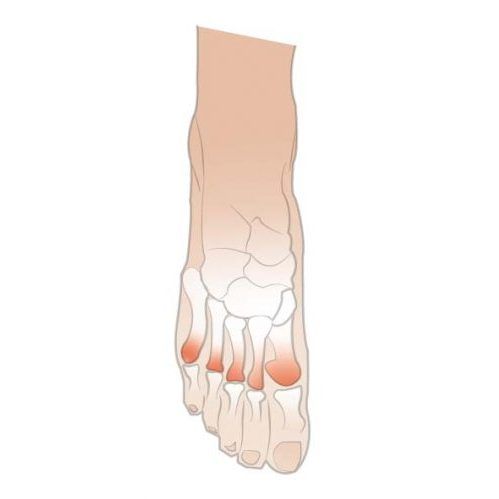
Causes of Metatarsalgia
Repeated loading, footwear, foot structure and other health conditions may contribute. Metatarsalgia is not limited to athletes.
Other related issues that contribute to having metatarsalgia foot pain include the following:
- Tight muscles in the toes (the extensor muscles)
- Weak flexor muscles of the toes
- Increased physical activity
- Large metatarsal heads
- Ill-fitting shoes
- Having hammertoes
- Tightened Achilles tendon
- High foot arches
- Abnormal first metatarsal bone that shifts too much weight to the rest of the metatarsals
Diagnosis of Metatarsalgia
Assessment considers the history, tenderness, footwear and foot structure. Imaging may be arranged if a fracture, soft-tissue problem or another diagnosis is suspected; it is not needed for everyone.
Metatarsalgia Pain Relief
Reduce activities that increase pain rather than using pain relief to continue a competition. Seek prompt assessment if pain is severe or you cannot bear weight. Care depends on the cause and may include:
- Exercises matched to the diagnosis and symptom tolerance.
- Shockwave therapy is not an established treatment for every cause of metatarsalgia.
- Insoles or metatarsal pads may redistribute pressure when appropriately fitted.
- Footwear assessment to discuss shoe fit and forefoot support as part of the care plan.
- A suitable shoe insert may improve comfort for some people, but cannot make painful sport safe to continue.
- A podiatrist can assess and, when appropriate, reduce painful callus. Padding may reduce pressure but does not guarantee prevention of recurrence.
Rehabilitation and a gradual return to activity may help. Avoid activities that worsen symptoms until the cause has been assessed; an insert does not rule out a stress fracture or other injury.
For proper diagnosis of your foot pain and metatarsalgia management options, contact our podiatry clinic for a consultation and initial assessment of your condition.