What Is Charcot-Marie-Tooth Disease?
CMT, or Charcot-Marie-Tooth disease, is a hereditary neurological disorder in which peripheral nerves are damaged, affecting the hands and feet. It limits the nerves in those parts of the body’s ability to transmit vital information, such as experiencing heat, cold, or, most importantly, pain.
Any foot injury in CMT becomes dangerous, as infections and more serious complications may arise without proper care. It is crucial for any patient, young or old, with CMT to seek proper medical attention for injuries to their extremities.
Patients with CMT can develop the following conditions:
- Pes cavus, or a foot with an abnormally high arch – CMT often results in an imbalance within the foot muscles, which, in some cases, causes patients to develop a high arch or pes cavus, as some muscles overcompensate for the weakness of others.
- Pes planus, or flat feet – The muscle imbalance in the foot can also go the other way, leading patients to develop flat feet rather than high arches. Both conditions increase the chances of foot injuries, which are very dangerous to patients with CMT.
- Foot drop – One symptom of CMT or a different neurological disease is the inability to lift the front part of the foot. What this looks like for most patients is the toes dragging on the ground during walking, and over time, causing them to develop an irregular gait to avoid tripping.
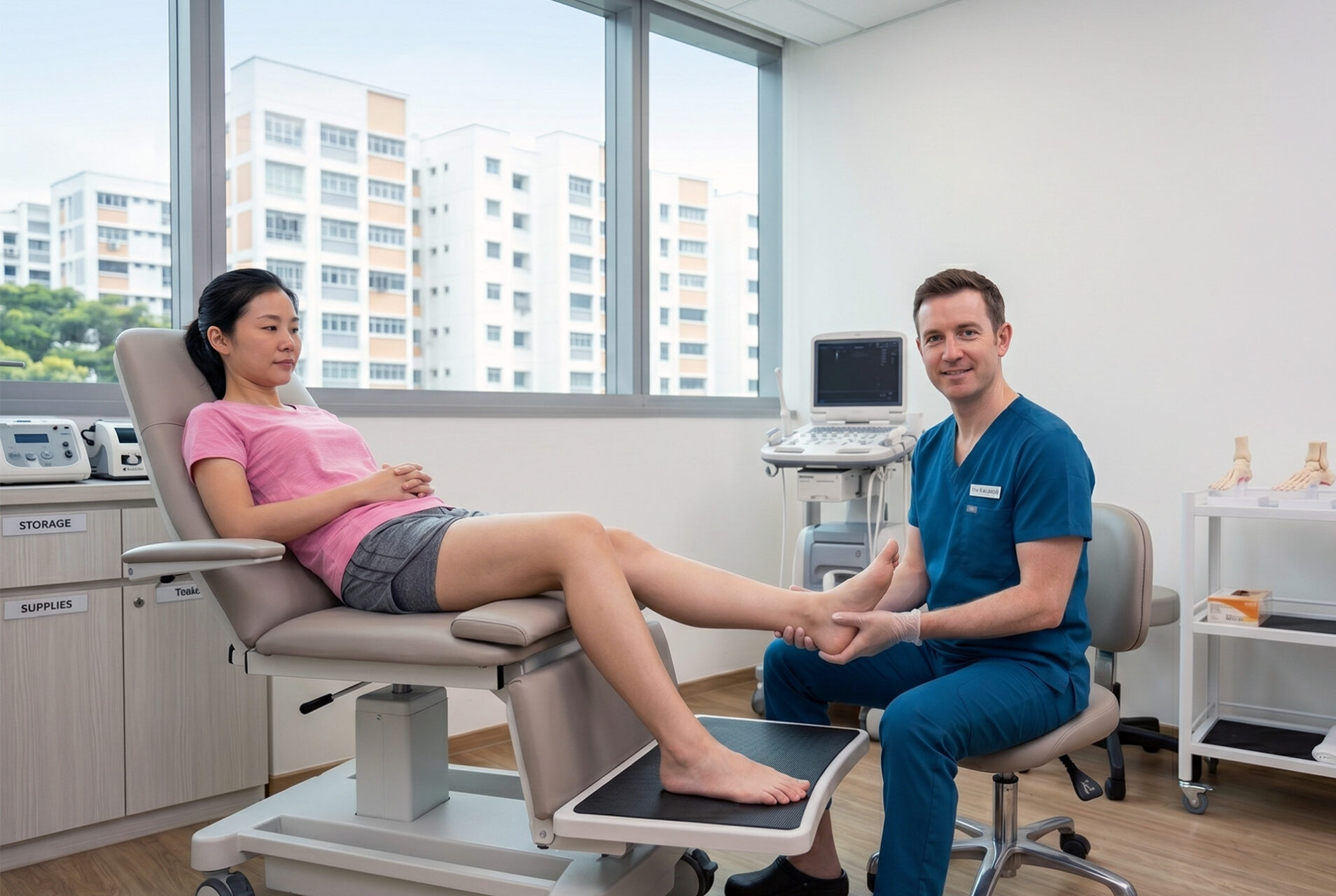
A paediatric podiatrist can properly diagnose CMT and related conditions during an initial consultation, but sometimes, it may take multiple sessions to identify the right Charcot-Marie-Tooth treatment.
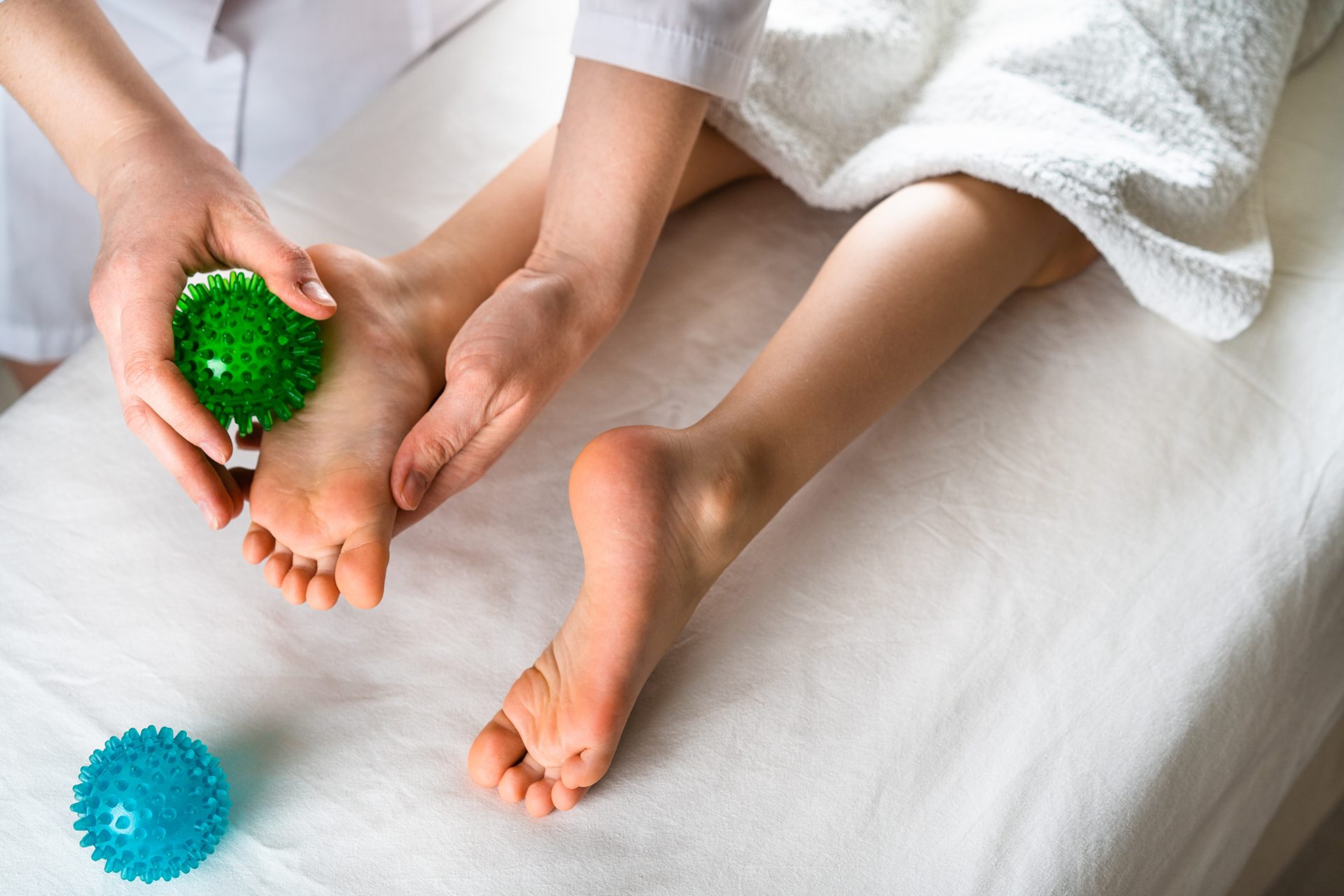
Charcot-Marie-Tooth Disease Symptoms & Causes in Children and Adolescents
Though CMT may have similar symptoms to diabetes and the associated foot damage, CMT is an entirely hereditary disease. It is inherited and can manifest even in the absence of a noticeable family history of CMT. This is because the gene that causes CMT may be recessive and not expressed in all family members. Importantly, this means your partner and you may not have CMT, but your child could still have it. It is also possible for the CMT genetic variation to occur without either parent carrying it. It is important to watch for signs of Charcot-Marie-Tooth disease in your child to ensure they receive proper medical care.
As it is impossible to prevent CMT, it is vital to look for its symptoms. Younger children with CMT may develop their walking, crawling, or moving skills at a later age and, after that, fall more frequently. Additionally, they will have trouble grasping or holding items. It is difficult for you as a parent to distinguish between regular clumsiness and potential symptoms of CMT. This is why it’s important to bring your child to a doctor if you suspect anything.
In older children, Charcot-Marie-Tooth symptoms include feeling their hands often feel cold, difficulty handling small items, shuffling their feet, feet with high arches, or, in some cases, foot drop, where the front of their foot frequently drags on the ground when walking.
Impact of Charcot-Marie-Tooth on Gait
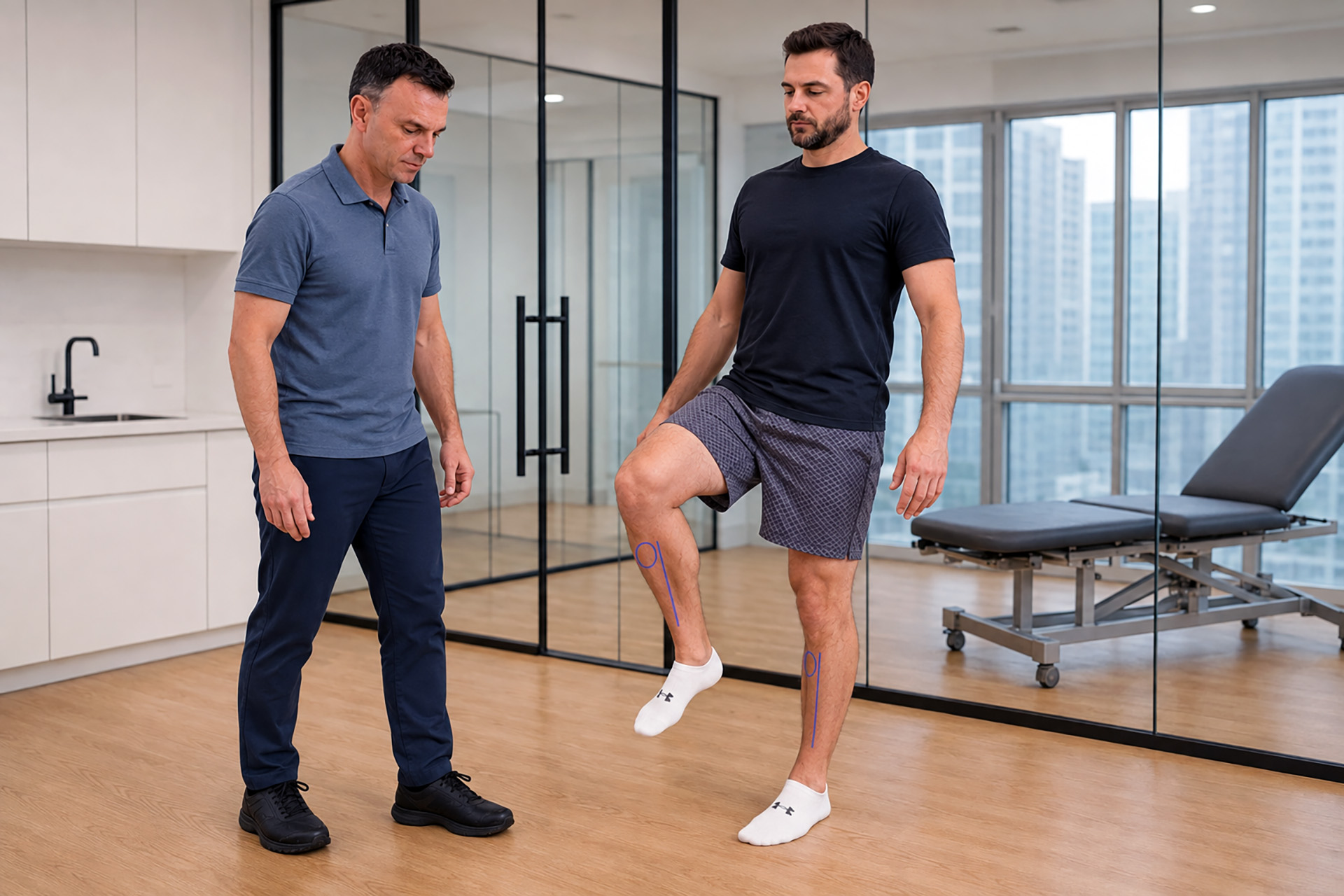
As CMT affects how the foot works, it will also affect gait. Patients with signs of Charcot-Marie-Tooth may have to drop their feet, forcing them to lift their feet higher when walking or causing them to constantly stumble over the front of their feet. This change can lead to muscle imbalances across the leg, forcing other muscles to overcompensate when walking.
The lack of feeling in the foot can also make patients unaware they are stepping oddly as they walk, placing pressure on the wrong parts of their feet. Lastly, since CMT can affect the foot’s arch, it can also affect the patient’s balance.
Why Is a Podiatrist Uniquely Qualified to Assess CMT
Though paediatricians focus on children’s health, there is a chance they can miss out on the symptoms of CMT, mistakenly treating those symptoms instead as clumsiness or children developing motor control, especially in children under ten years of age. On the other hand, podiatrists have a unique perspective when treating CMT, as they are more acquainted with its symptoms.
Your podiatrist has several tools to determine whether your child has CMT, such as Deep Tendon Reflex assessments or Manual Muscle Tests, which can differentiate between clumsiness and potential CMT symptoms. Following that, your podiatrist will know best whether to refer your child to a neurologist and provide proper treatment.

Conservative Paediatric Podiatry Treatment for CMT in Children
Your child can live healthily with CMT without invasive surgeries. The most important thing is for your child to regularly visit a podiatrist to ensure they are not developing any dangerous conditions, to monitor Charcot-Marie-Tooth progression, and to keep their feet healthy.
- Footwear assessment and advice: CMT affects each child’s foot differently, sometimes resulting in drop foot, high arches, or flat feet. Your podiatrist will advise you on the best footwear for your child’s feet, depending on the effects of CMT.
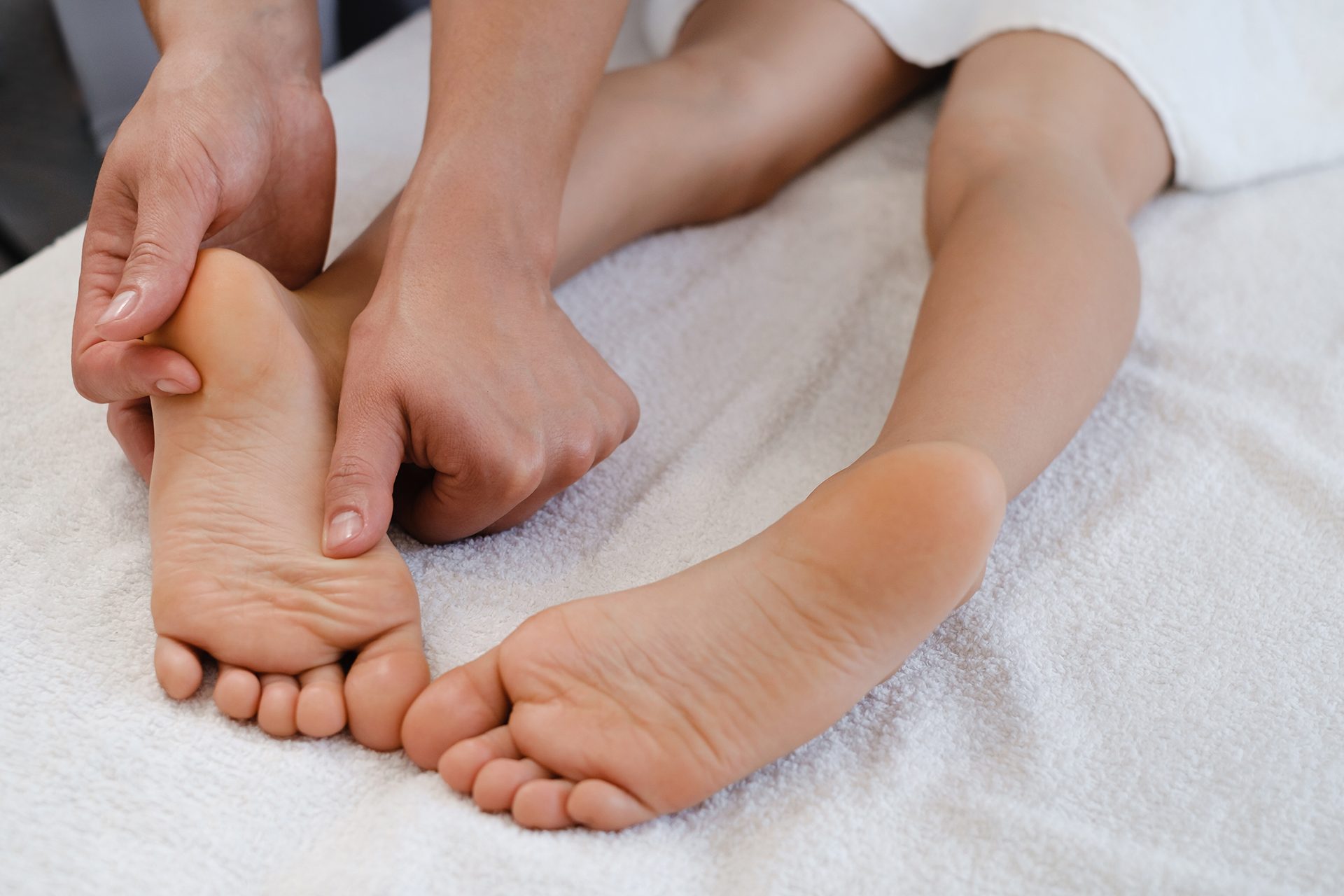
- Palliative care and treatment of calluses and corns: If your child has CMT, managing calluses and corns is essential. Your child may not feel them developing, but calluses and corns can cause skin to break and lead to infections. Your podiatrist can remove calluses or suggest footwear to help prevent their formation.
- Custom-made orthoses for children: Your podiatrist can provide your child with orthoses to compensate for arch deformities caused by CMT. This can prevent them from developing irregular gait or muscle imbalances.
- Non-custom ankle-foot-orthosis: An ankle-foot-orthosis connects the foot to the rest of the leg and can provide vital support for patients with CMT, helping with symptoms such as drop foot. These can also be custom-made to your child’s foot as your child’s foot grows.
- Padding and strapping: These are two methods podiatrists use to give the foot more support: applying pads to the shoes to reduce friction or strapping the foot to prevent muscles from overcompensating.
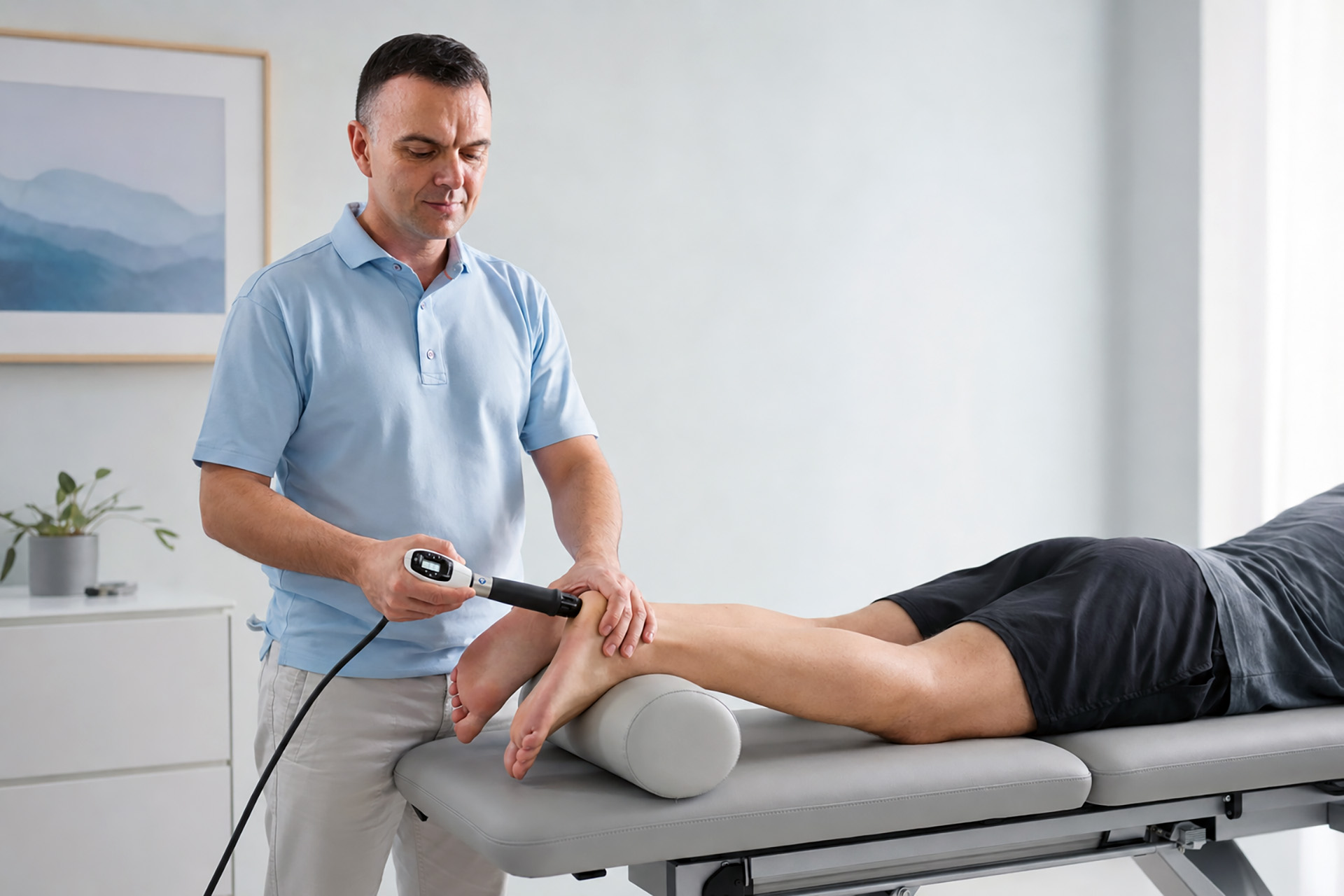
- Foot mobility and physical therapy: Children with CMT must maintain movement to prevent their muscles from weakening or stiffening without activity. This will only accelerate CMT’s problems. Your podiatrist can help your child retrain their walk and slow the degenerative effects of CMT through physical therapy.
If you believe your child can benefit from a Charcot-Marie-Tooth examination, schedule an appointment for a podiatric assessment at The Foot Practice.
When Should Surgery Be Considered?
In some cases, patients may choose foot surgery if all other methods have not eased their discomfort or if they want to prevent the disease from worsening. Some surgical options include straightening clawed toes, altering high-arched feet, or stabilising ankles.
The decision to undergo surgery depends on each patient’s considerations and should not be made lightly. Especially in children, it is worth attempting non-invasive options first. Additionally, it is worth remembering that surgery for CMT can treat its symptoms but cannot remove the nervous disorder itself.
Conservative treatments for Charcot-Marie-Tooth disease can help ease discomfort in children, strengthen muscles, and reduce the foot’s functional deterioration. In addition to podiatric care, it helps if the child and family receive guidance and reassurance from a strong support network.