
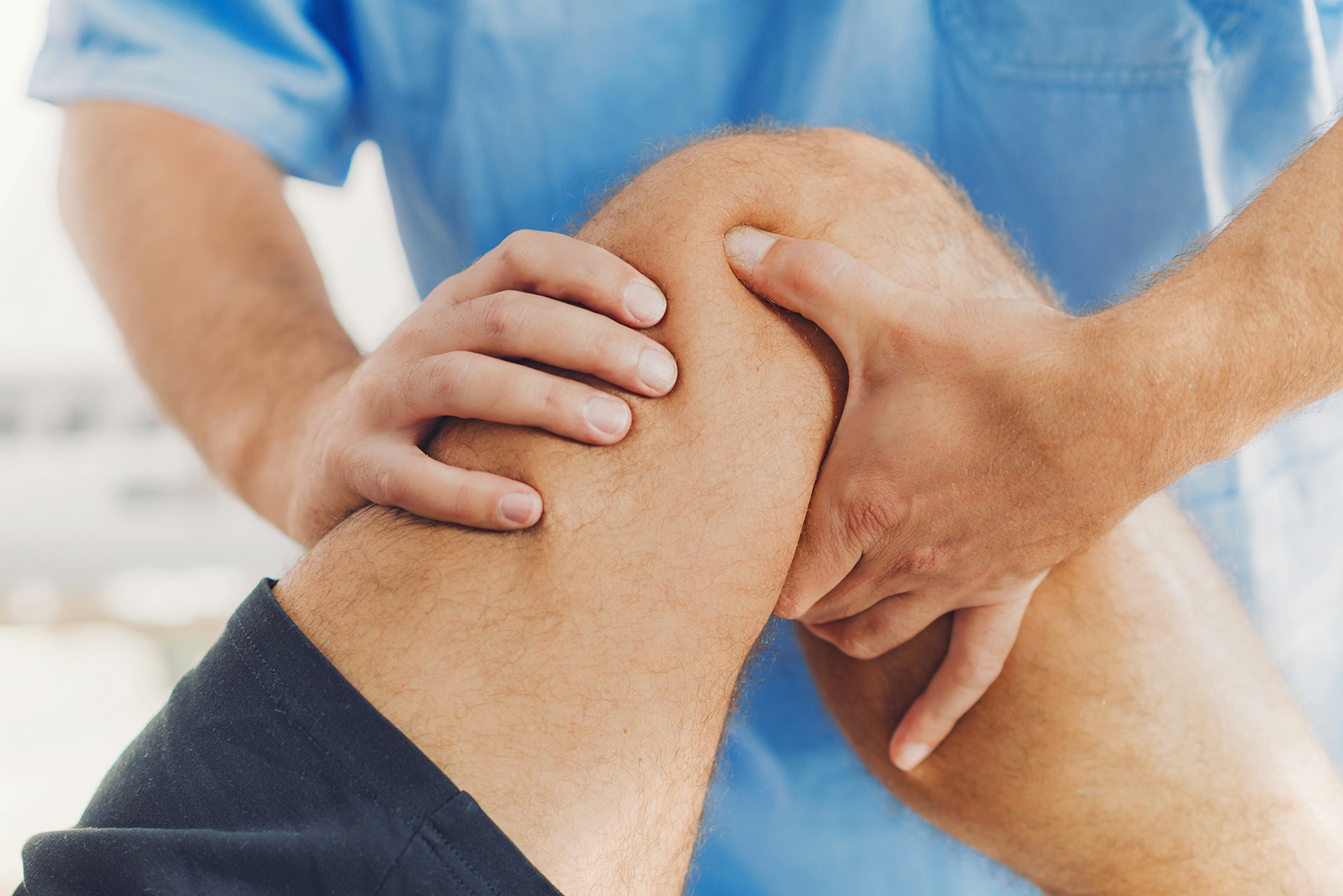
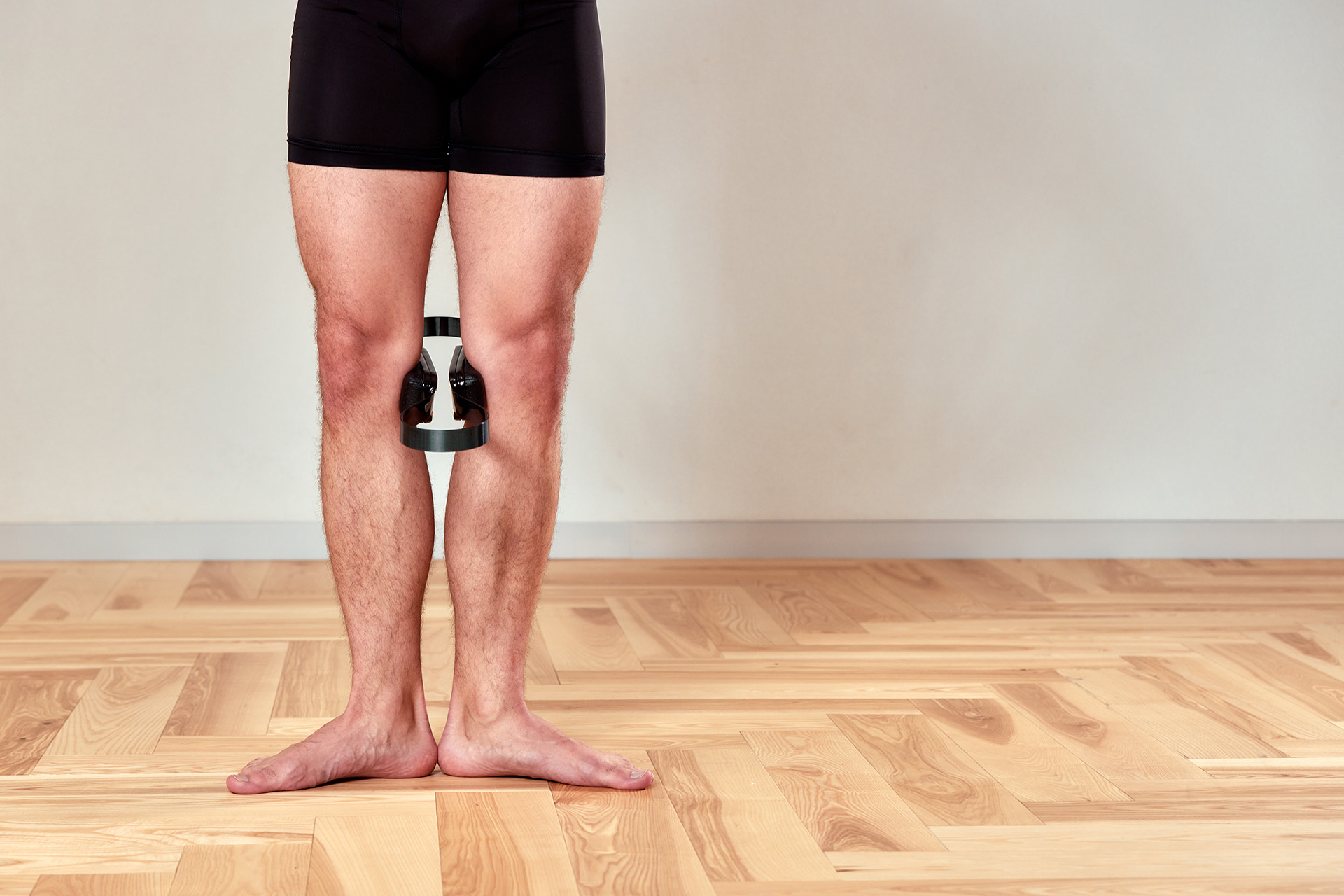
Knock knees, or genu valgum, describes a leg position where the knees meet while the ankles remain apart. It is common in young children and often improves with growth. Pain, worsening alignment or a marked difference between the legs warrants medical assessment.
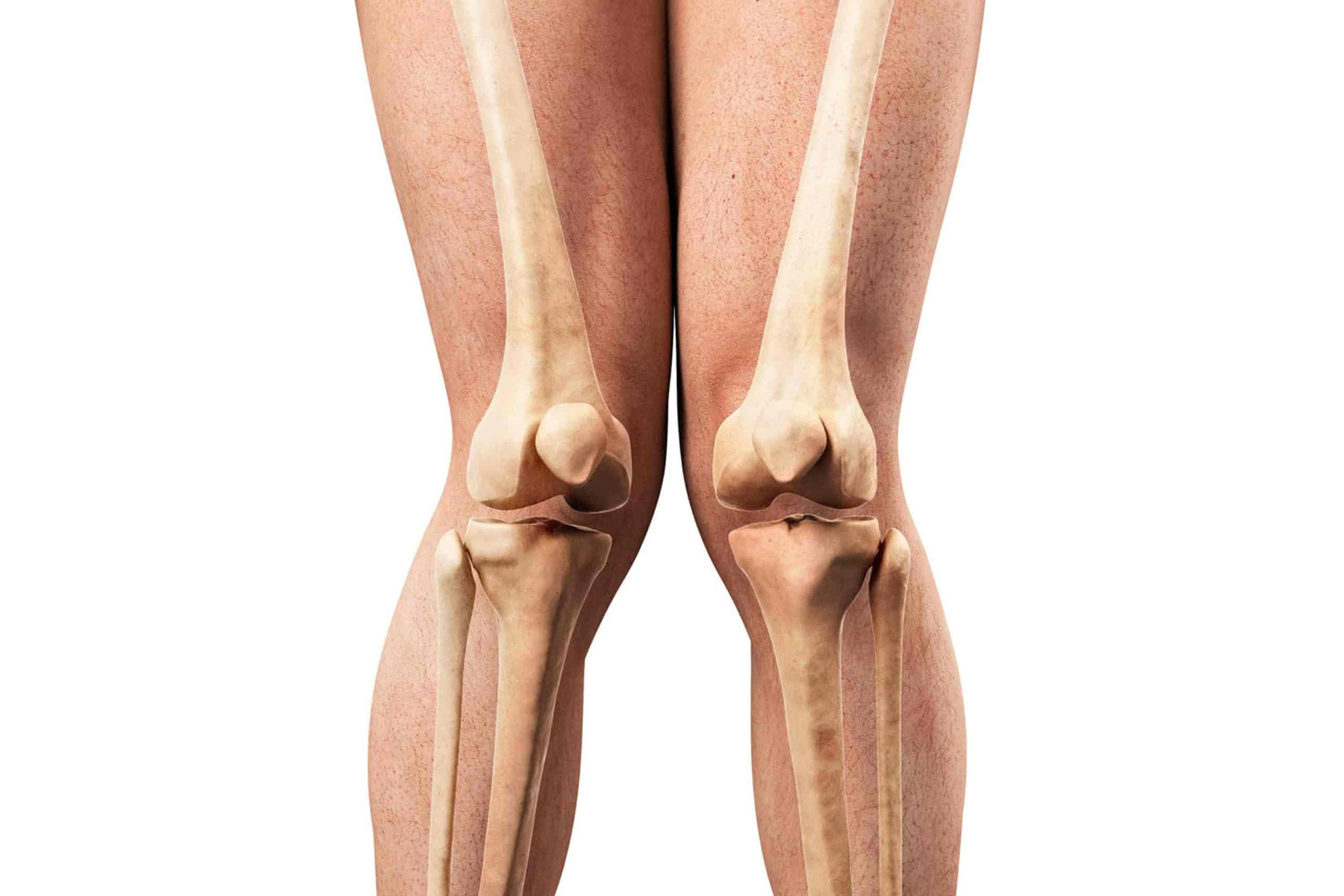
What Are Knock Knees?
Knock knees occur when there’s a gap between the ankles while the knees are together. Many toddlers have knock knees as part of normal development, and this usually resolves on its own as they grow. However, if children who have knock knees continue to show the condition beyond age 7, or if it develops in adulthood, it may need medical attention.
Several factors can contribute to the development of knock knees:
- Physiological Development: In young children, knock knees are a regular part of growth and typically resolve without intervention.
- Genetic Factors: A family history of knock knees can increase the risk of developing the condition.
- Nutritional Deficiencies: Conditions like rickets, caused by Vitamin D deficiency, can affect the growth plates and lead to bone deformities such as knock knees.
- Injury or Infection: Trauma to the growth area of the shinbone or thighbone, or infections like osteomyelitis, can damage the bone and cause knock knees.
- Obesity: Excess weight puts additional stress on the knees and can affect their alignment.

Symptoms and Diagnosis of Knock Knees
The most apparent symptom of knock knees, or genu valgum, is when a child stands up and the knees are touching, but there is a gap between the ankles. This alignment of the knees makes the legs appear to bend inward. Following this, the patient may experience discomfort or pain in the knees or legs, as well as limited flexibility and difficulty walking or running. In some cases, children may develop an unusual gait or experience fatigue after engaging in physical activity.
A healthcare professional can assess knee and leg alignment during standing and walking. X-rays are not always needed; the clinician may arrange imaging if the examination or symptoms suggest a need for further investigation.
Accurate diagnosis is essential as the condition may be caused by factors that require specific treatment, such as addressing a Vitamin D deficiency or managing a bone disorder. Early identification of the symptoms of knock knees enables the development of an effective treatment plan, which may include observation, management of an underlying disease or specialist surgery in selected cases. Exercises and braces do not straighten typical developmental knock knees.
Are Knock Knees Normal in Children?
Knock knees are common in young children and often improve naturally as they grow. Most children do not need special shoes or braces. Seek clinical assessment if the appearance is severe, one-sided, painful, worsening or persists beyond the expected age.
However, there are situations where knock knees in children may be a sign of an underlying medical condition, such as rickets or another bone disease. If the condition is severe, affects only one leg, or persists beyond the age of 7, it’s best to seek medical attention.
Early intervention may include:
- Monitoring Growth Patterns: Regular checks to track changes in leg alignment.
- Physical Therapy: Exercises to strengthen muscles and improve posture.
- Specialist care: Persistent, severe or asymmetric knee alignment may need assessment by a clinician. Routine shoe inserts or exercises do not correct typical childhood knock knees.
Seek assessment if your child has pain, a limp, a marked difference between the legs or worsening alignment. Monitoring may help a clinician decide whether further investigation is needed.
Can Knock Knees Be Fixed Without Surgery?
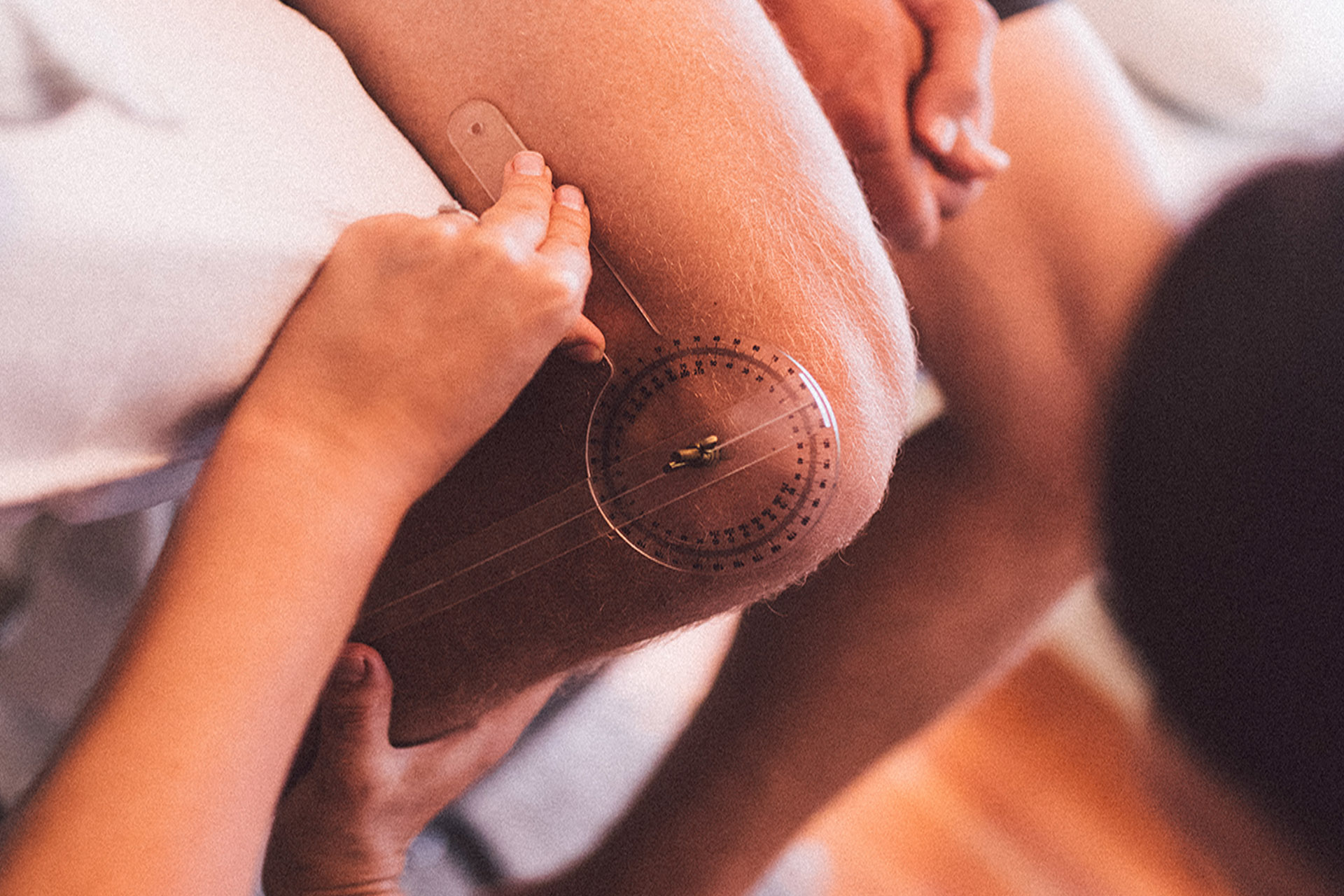
Many young children’s knock knees improve naturally as they grow and usually do not need treatment. Pain, a marked difference between the legs or worsening alignment warrants medical assessment. For others, management depends on the cause and symptoms.
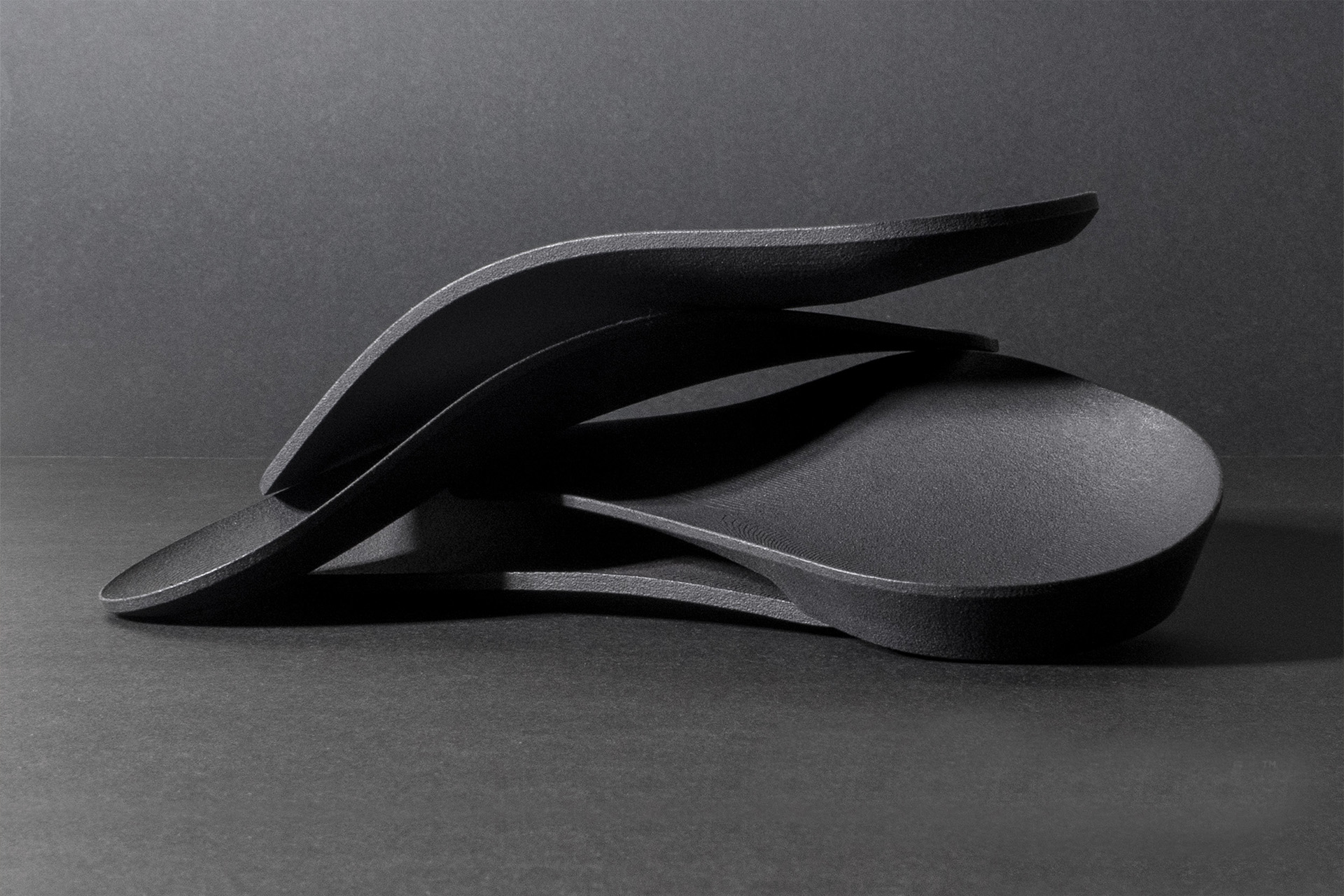
- Insoles: Shoe inserts may be considered for foot discomfort, but they do not correct typical developmental knock knees.
- Physical therapy: Exercises can support strength and function where needed, but should not be presented as correcting bone alignment.
- Activity: A clinician can advise on comfortable activity and symptom management according to individual needs.
Can Knock Knees Be Cured by Exercises?
Exercises may help with strength, mobility or discomfort when recommended after assessment. They do not reliably straighten bone alignment in typical childhood knock knees. Examples include:
- Clamshells: Strengthen the hip abductors, especially on the outer side of the leg, to support knee position.
- Side-lying leg raises: These can strengthen muscles around the hip.
- Step-Ups: Enhance quadriceps strength and should be matched to the person’s strength and symptoms.
- Hamstring Curls: Strengthen the back of the thighs, supporting the knee position from the posterior side of the leg.
- Bridge Exercises: Improve gluteal strength, which helps stabilise the knee position by engaging muscles on both sides of the leg.
A clinician can help tailor exercises to symptoms and function; improvement in alignment should not be guaranteed.
Can Knock Knees Be Fixed in Adults?
While treatment is often more straightforward in children due to their growing bones, adults can also benefit from non-surgical interventions. It is not as simple as thinking how to straighten legs with knock knees. It takes a range of different strategies for adults, such as :
- Insoles: These may help some people with foot discomfort; they do not reliably correct knee bone alignment.
- Targeted Exercises: Strengthening and stretching exercises tailored to the individual’s needs.
- Further assessment: Persistent or worsening symptoms may need medical review to identify the cause and discuss suitable options.
An orthopaedic surgeon may consider surgery for selected adults with substantial symptoms and structural malalignment. In cases where non-surgical methods are not enough, osteotomy may be considered to correct bone alignment.
Knock Knees Management at The Foot Practice
At The Foot Practice, assessment considers your symptoms, foot function and activity. Depending on your needs, care may include:
- Footwear Assessments: Advice on footwear fit and comfort; shoes do not reliably straighten knee bone alignment.
- Mobilisation Exercises: Techniques to improve joint mobility and muscle flexibility.
- Insoles: These may be considered when foot discomfort is present, without promising a change in knee bone alignment.
- Referral: A medical assessment may be appropriate for significant pain, marked asymmetry or worsening alignment.
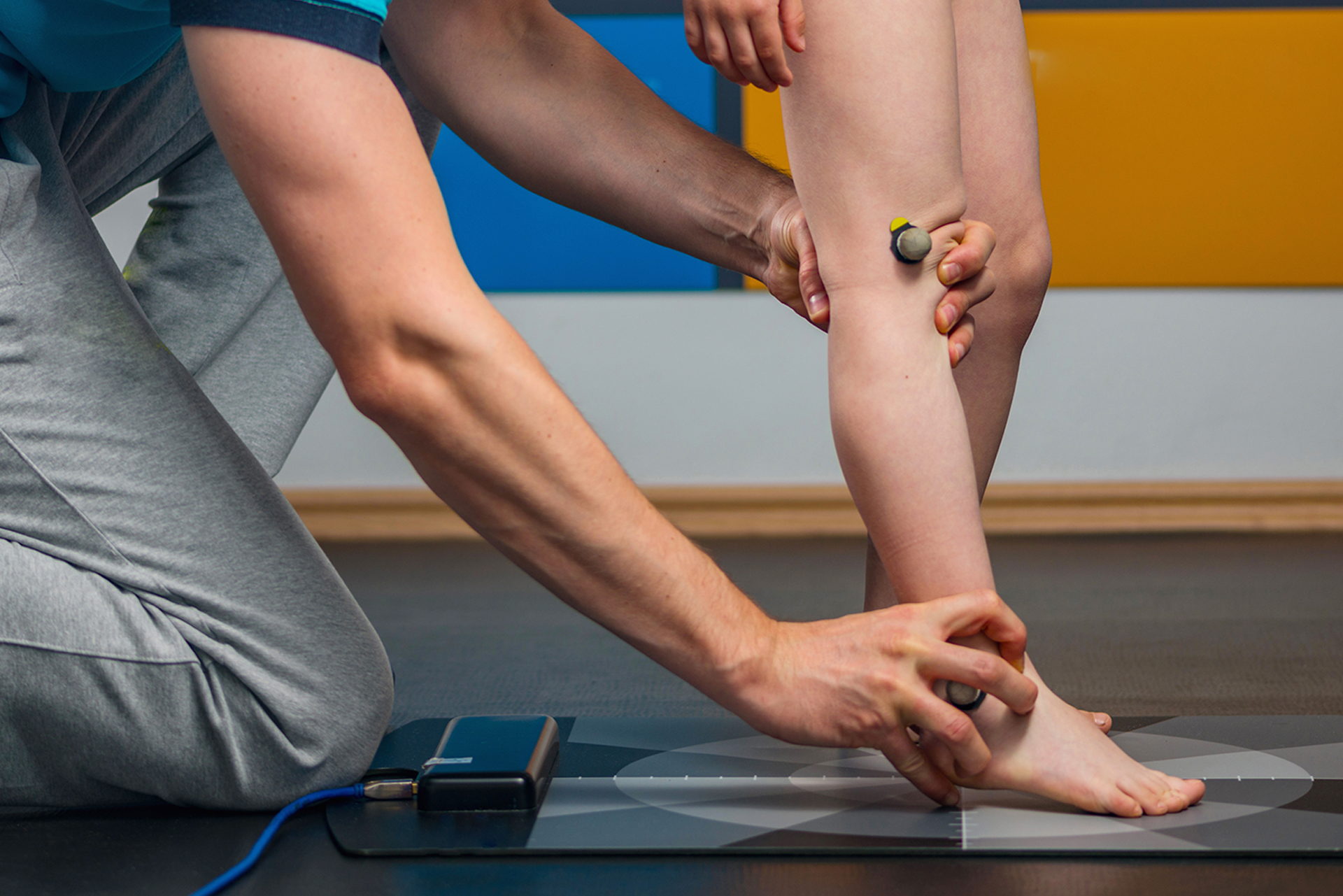
- RehaWalk® Gait Analysis: Pressure sensor treadmill technology that assesses walking patterns and identifies areas of concern.
A clinician can discuss options according to the cause and symptoms. Outcomes vary.
If you or your child has painful or concerning leg alignment, a healthcare professional can assess the symptoms and discuss whether further medical assessment is needed.