What Is an Achilles Tendon Rupture?
An Achilles tendon rupture is a sudden tear of the strongest tendon that connects the calf muscles to the heel bone. It often occurs during sports and is among the most serious Achilles tendon injuries. Many often hear a loud popping sound or feel as if they have been kicked when they experience a rupture. This immediately causes weakness, impairs push-off, disrupts balance, and makes tasks such as climbing stairs difficult.
A rupture may be complete, in which the fibrous tissue tendon fibres are fully torn; or partial, when some fibres remain intact, but strength and control are still significantly affected.
Both warrant prompt medical advice and assessment, as early decisions influence long-term function and the risk of re-rupture.
Achilles Tendon Rupture Symptoms
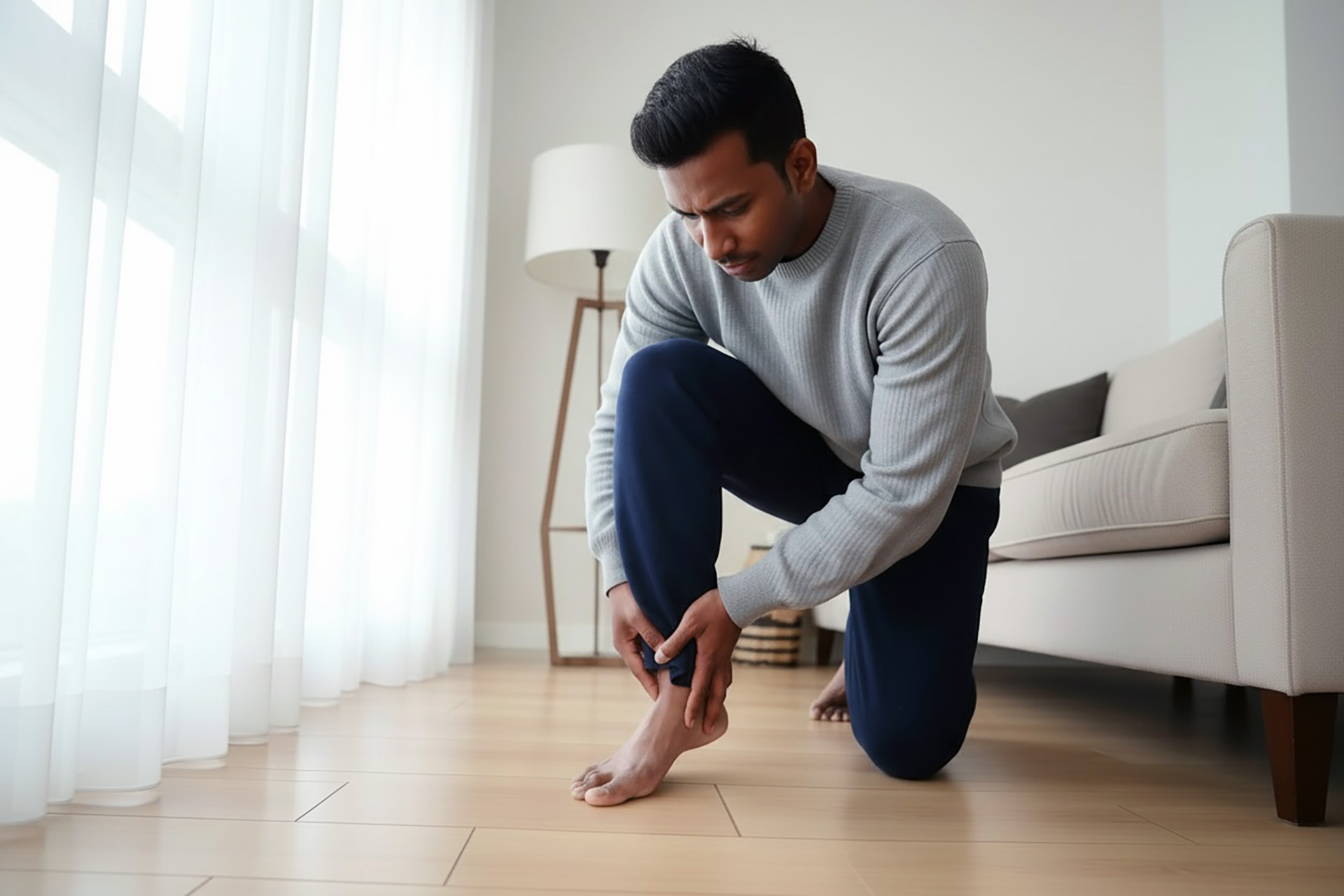
When your Achilles tendon tears, you will usually feel sudden, sharp pain at the back of your ankle or lower leg, as if you have been hit or kicked. This usually occurs suddenly during activities such as sprinting, jumping or pushing off.
Signs of Achilles tendon rupture symptoms include:
- A ‘pop’ or ‘snap’ feeling with a ‘popping’ sound
- Sudden sharp pain and Achilles tendon rupture pain
- Quick swelling or bruising
- Difficulty walking, especially on stairs
- Inability to stand on tiptoe or push off
- Feeling a gap in the tendon area
The main sign is a clear loss of power. You will struggle to push off or stand on your toes on that leg. Even if the pain isn’t as bad as you’d expect, weakness is a key sign.
If this happens, do not try to walk it off. You need to seek medical advice right away. A simple rule: If you cannot stand on your toes on the injured foot side, you need urgent medical help.
Achilles Tendon Rupture Causes
An Achilles tendon rupture occurs when a sudden, forced plantar flexion force exceeds the tendon’s capacity to withstand it, often when the tendon is already weakened. Many who feel fit still experience ruptures, and, often, the tendon shows underlying chronic degeneration wear.
Common Achilles tendon rupture causes are:
- Sudden, intense activities like sprinting, jumping, or quick directional changes (e.g. in court sports) can cause a traumatic injury
- Pushing off hard when the ankle is in ankle plantar flexion, pulled up (dorsiflexion), and the knee is straight
- Jumping back into an intense sport after a break without proper training
- A tendon that was already sore or stiff from Achilles tendinitis
Your risk of developing Achilles tendon problems is higher if you:
- Are 30 to 50+ years old, due to changes in tendon elasticity from chronic degeneration
- Are male
- Have had previous Achilles tendon problems, pain or stiffness (tendinopathy)
- Sudden increases in training intensity, especially with hills or speed work
- Have tight calf muscles
- Have a higher body weight
- Take fluoroquinolone antibiotics or systemic steroid injections
- Have medical conditions like rheumatoid arthritis that affect tendon health
This tendon injury is common among weekend athletes who are inactive during the week but play intensely on weekends. Ongoing calf tightness or Achilles tenderness may indicate weaker tendons and warrant additional ankle support during exercise.

Partial Rupture vs Complete Rupture
A partial tear of the Achilles tendon can be tricky to spot because some parts of the tendon still work. However, do not consider a partial rupture a minor issue. If you repeatedly stress it, it can worsen. Even if you rest it, it can lead to long-term weakness if not treated correctly and can become one of chronic ruptures.
Here are clues that you might have an Achilles tendon partial rupture instead of just a simple strain:
- Sudden onset of pain starting at a clear moment of injury severity
- Feeling weak when you push off your injured foot
- Pain and swelling that do not get better after a few days
- Trouble doing a heel raise on just the injured leg
A physician might use tests such as physical examination, ultrasound, or MRI to confirm a partial rupture and assess the extent of tendon involvement when diagnosing an Achilles tendon rupture.
Diagnosis
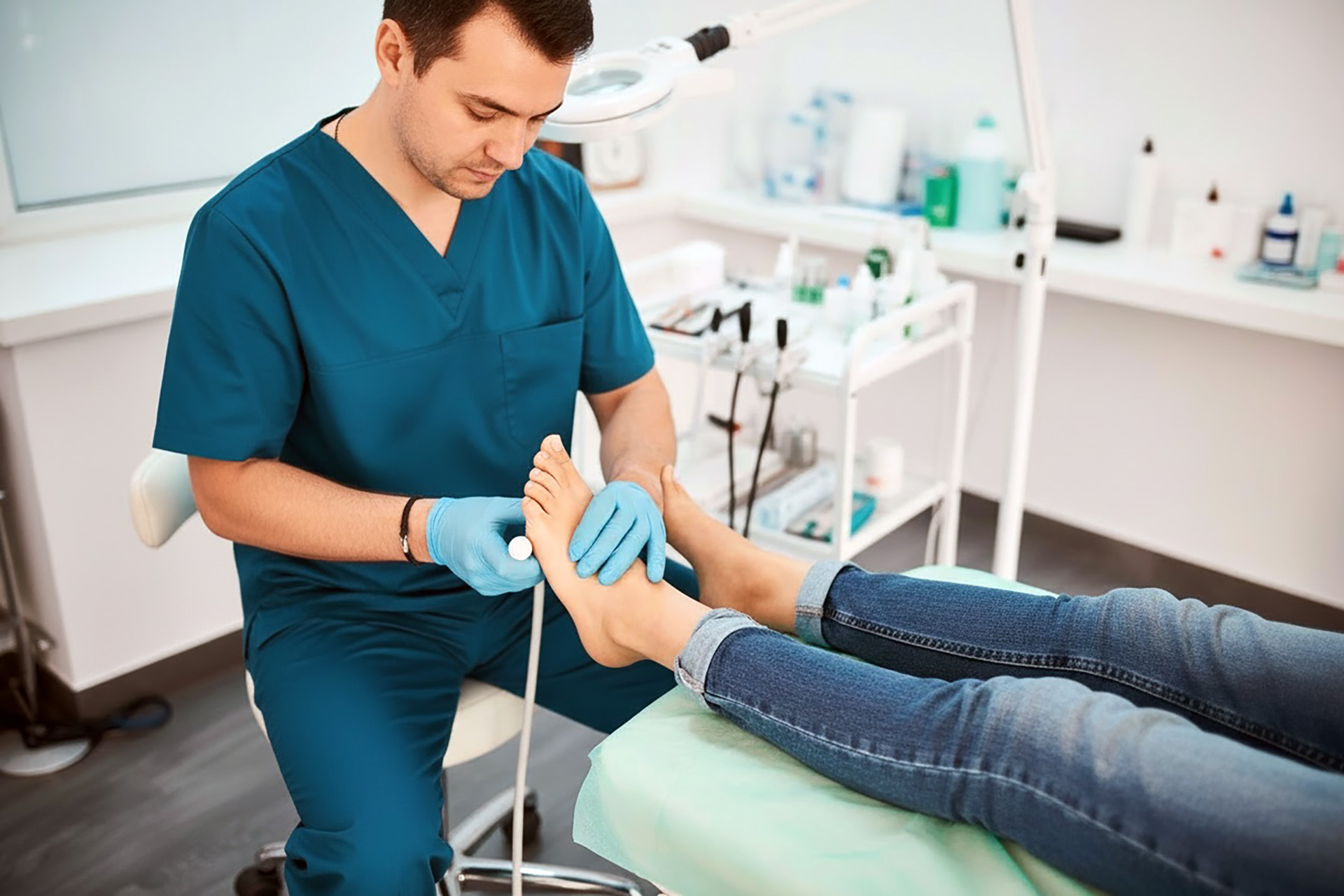
Diagnosing an acute Achilles tendon rupture usually involves the doctor hearing your story and examining your leg. In their examination, they will check for:
- Pain, swelling, and bruising
- If you can point your foot downward (like pressing a gas pedal) when they push against it
- The calf squeeze test, where they squeeze your calf to see if your foot moves
- Feeling for a gap where the tendon should be
If the healthcare provider is unsure, suspects only a small tear, or plans surgery, they might recommend imaging, such as an ultrasound or an MRI, to determine whether the tendon remains intact or to obtain a high-resolution image of the torn tendon’s morphology and the surrounding soft-tissue injuries.
What to Do Right Away for an Achilles Tendon Rupture
If you suspect a ruptured Achilles tendon, the primary goal is to protect the tendon and prevent further injury.
Do the following immediately:
- Stop what you are doing and try not to walk
- Keep your ankle relaxed and slightly pointed down
- Use a bandage to wrap it if it is really swollen
- Rest your leg up high and put ice on it briefly to feel better
- See a doctor urgently, the same day if you can
Do not do these things:
- Stretch your calf or ‘test’ the tendon
- Rub or massage it hard
- Go back to playing sports to see if it loosens up
Keeping the ankle still and obtaining prompt medical advice are important first steps, whether you ultimately require surgical or conservative treatment.
If you do not treat a torn tendon, it can cause the tendon to get too long, make your leg feel weak, change the way you walk, and potentially cause problems in the knee, hip, or other joints that will limit you for a long time.
Achilles Tendon Rupture Treatment Options
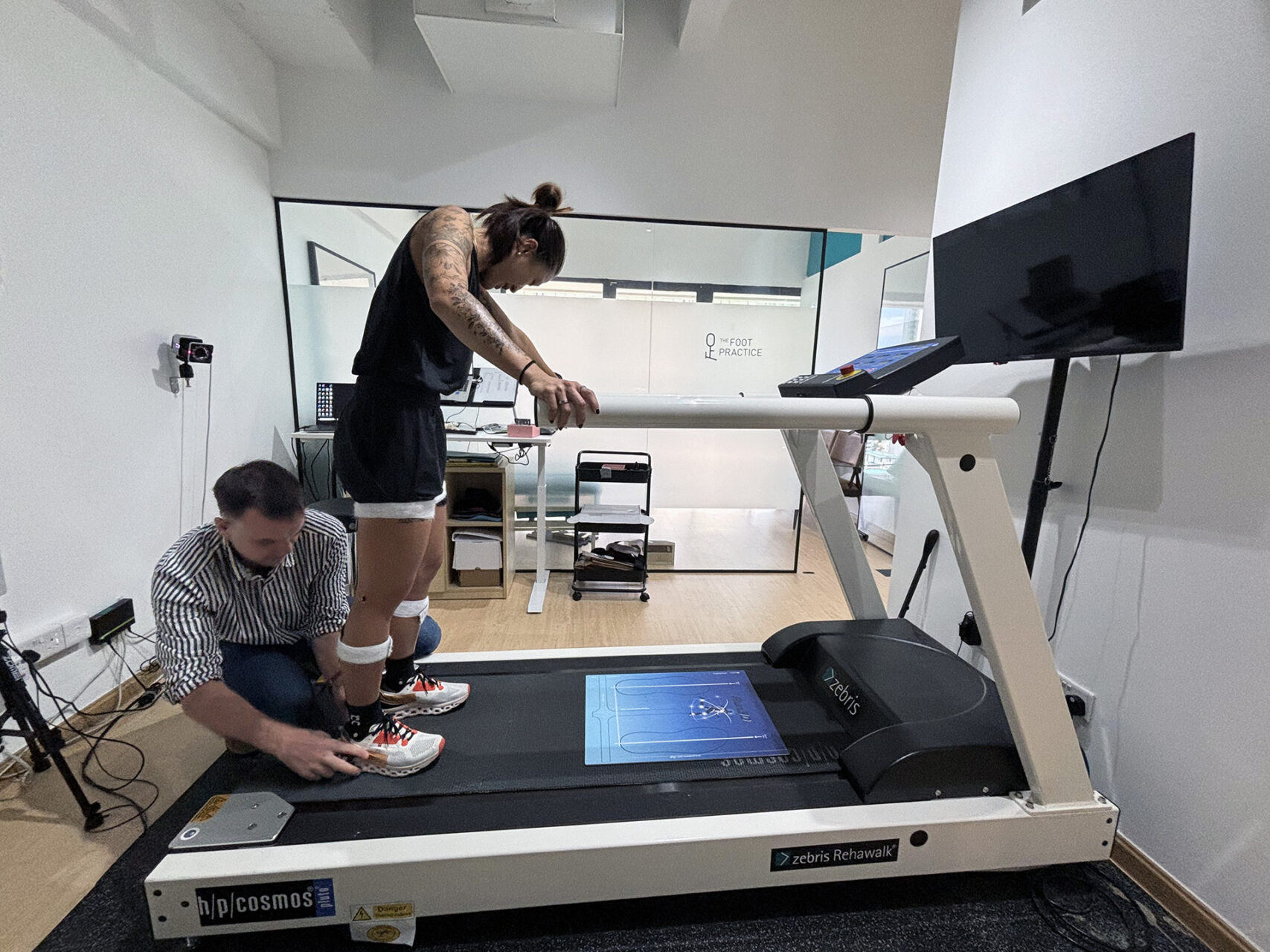
Achilles tendon rupture treatment typically involves two main options: surgical repair and structured non-surgical treatment care. Both aim to restore length, strength and function for the management of Achilles tendon injuries. The key determinant of outcomes is not the initial decision, but the quality of the rehabilitation plan and early tendon protection. At The Foot Practice, our focus is on safe decision-making, coordinated care, and a clear plan for Achilles tendon rupture rehab.
Non-Surgical Management
Conservative treatment and nonsurgical treatment typically involve:
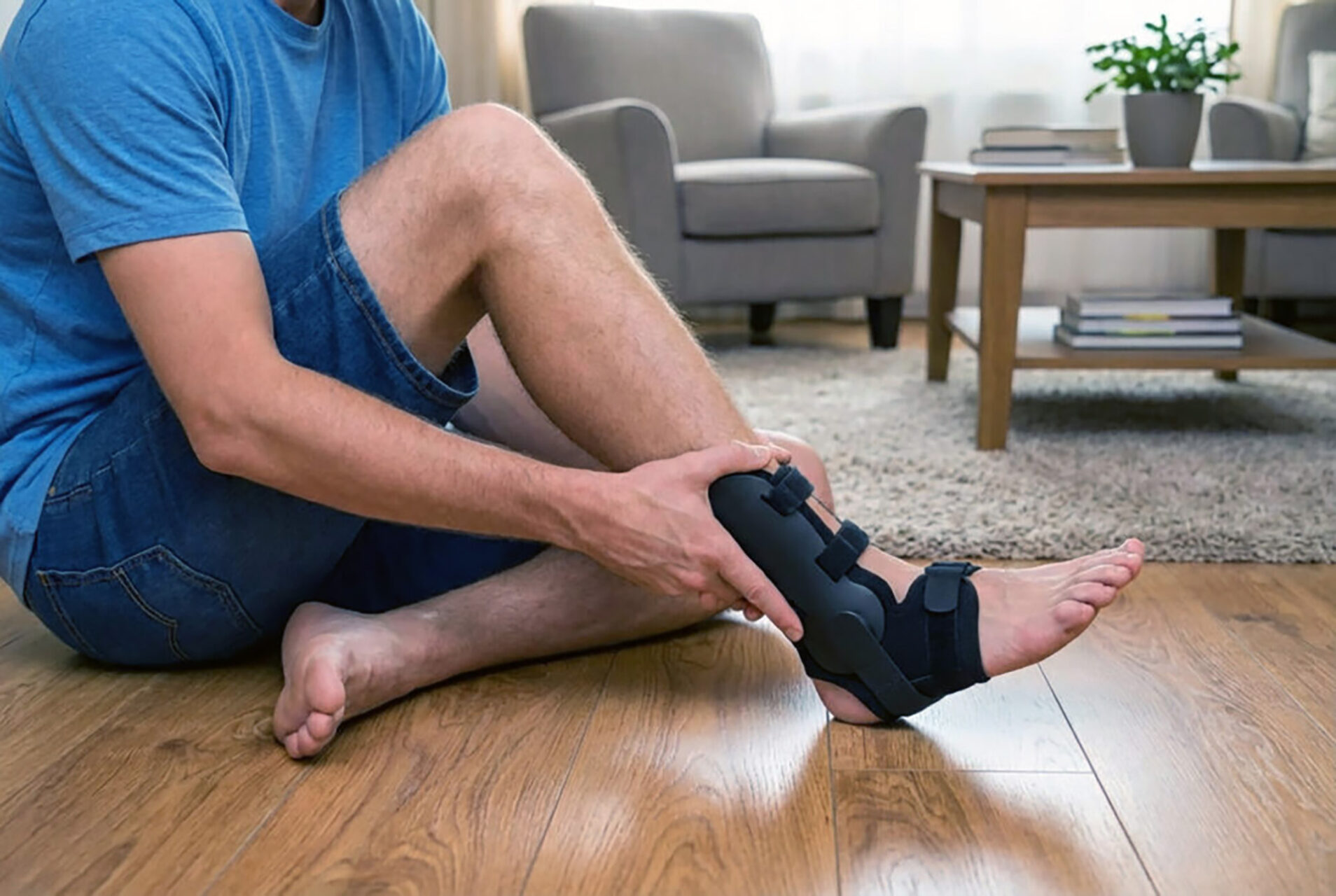
- Immobilisation in a walking boot or cast
- Gradual adjustment of ankle position over time
- Early, guided weight bearing when appropriate with functional bracing
- Progressive strengthening and functional rehabilitation work
Non-surgical treatment care is an option for many, particularly with well-aligned tears and a structured protocol, or if the risks of surgical intervention are high. This approach requires patience: the tendon needs time to reconnect and remodel during the healing process, and calf strength must be gradually rebuilt to restore function.
Surgical Repair
Achilles tendon rupture surgery aims to repair the torn ends using either an open or a minimally invasive approach. Surgical treatment is typically considered for highly active individuals who require a strong push-off, for cases with significant tendon separation, for concerns about tendon lengthening from non-surgical care, or for re-rupture. Both surgical intervention and non-surgical treatment options should be discussed with an orthopaedic specialist to align with the patient’s goals and risk profile.
Achilles Tendon Rupture Recovery
Achilles tendon rupture recovery time with surgery is measured in months, not days. While basic walking returns sooner, full strength, equivalent plantar flexion strength and explosive power take longer to return. A typical Achilles tendon rupture surgery recovery timeline is:
- First 2 weeks: Protection, wound care, immobilisation
- Weeks 2-6: Progressive weight-bearing and range of motion guidance
- Weeks 6-12: Structured strengthening begins
- Months 3-6: Improving calf strength, endurance and controlled jogging
- Months 6-12: Return to higher-demand sport for many
Recovery entails restoring tendon strength and function, not merely incisional healing from treated wounds. The primary risk is progressing too quickly, which can lead to pain from Achilles tendon rupture or re-injury. Successful rehabilitation after an Achilles tendon rupture requires a balance of early protection, timely and guided mobility, progressive loading based on clear criteria, and objective return-to-sport testing. Patients should ask their surgical team for specific progress milestones.
Podiatry Supports Recovery
The Foot Practice podiatrists restore safe movement by focusing on gait, strengthening, proper footwear, and sports return preparation to connect the calf muscles to the heel, aligning with your specialist’s protocol.
Our rehabilitation support includes:
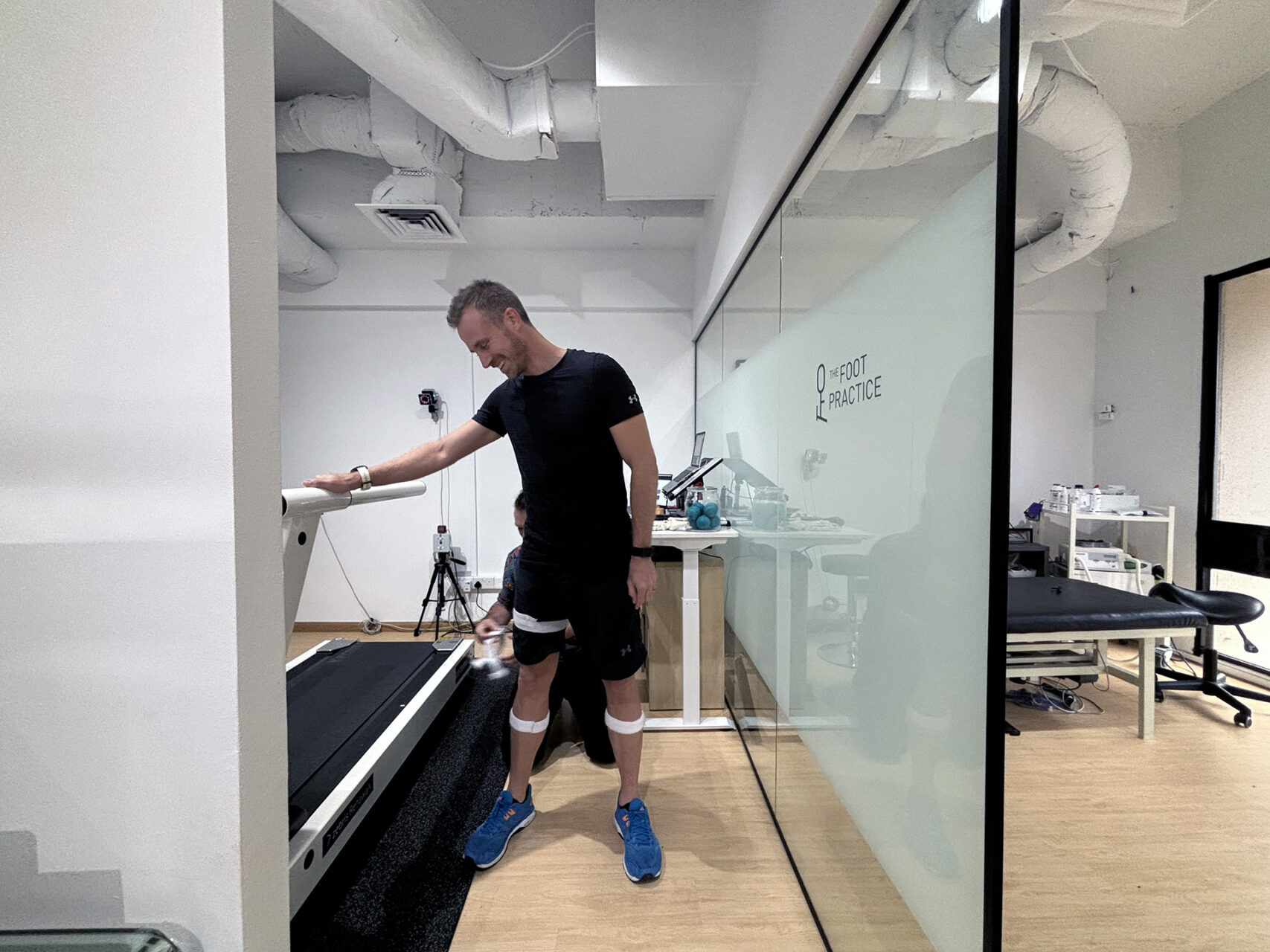
- RehaWalk® Gait Analysis: High-tech assessment to map foot strike, detect weight-shifting, and track progress using clear metrics
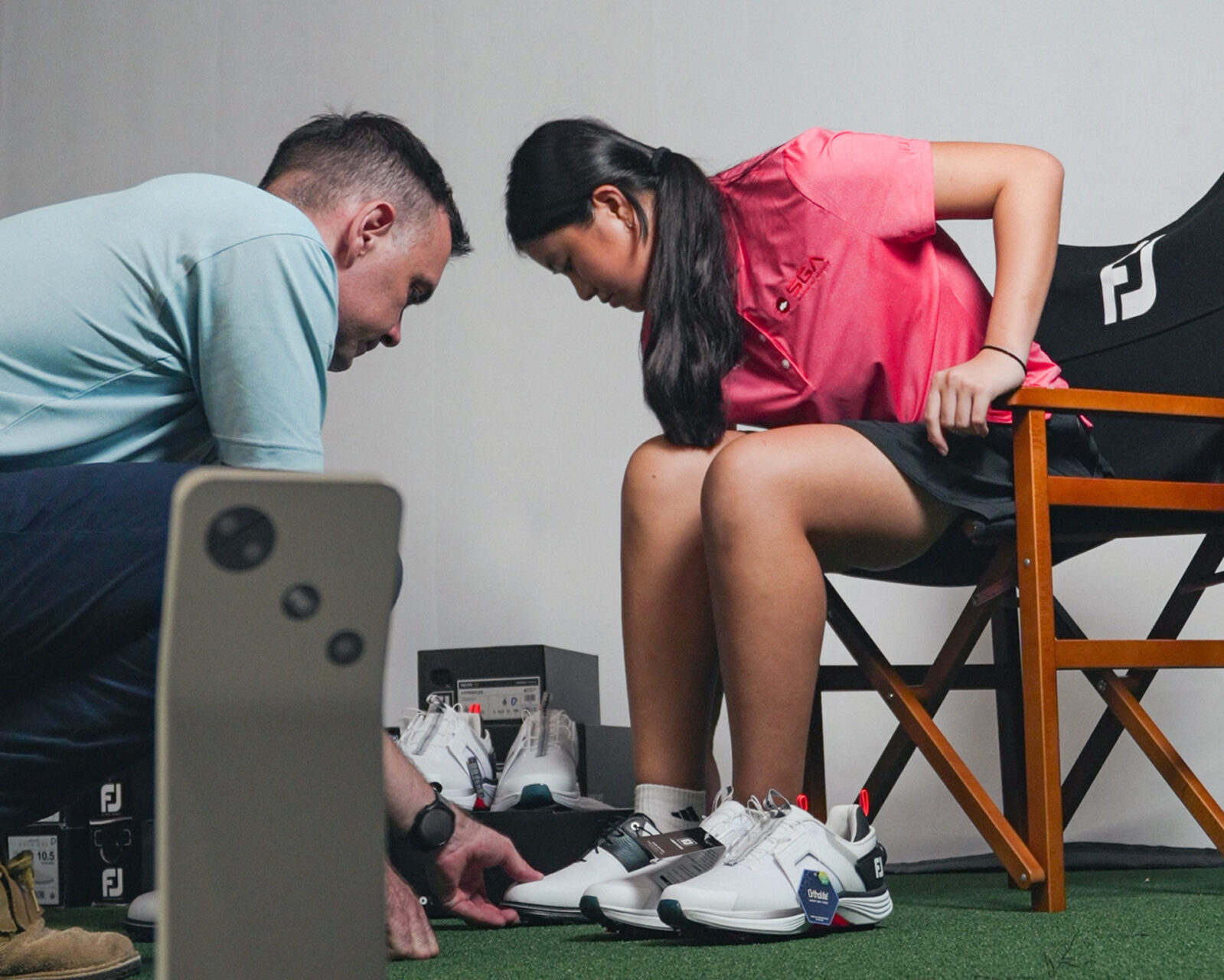
- Shoe Checks: Ensuring appropriate shoe height, stability, and fit post-boot to prevent strain
- Movement Exercises: Carefully timed to restore range of motion without overstretching the healing tendon during the healing process
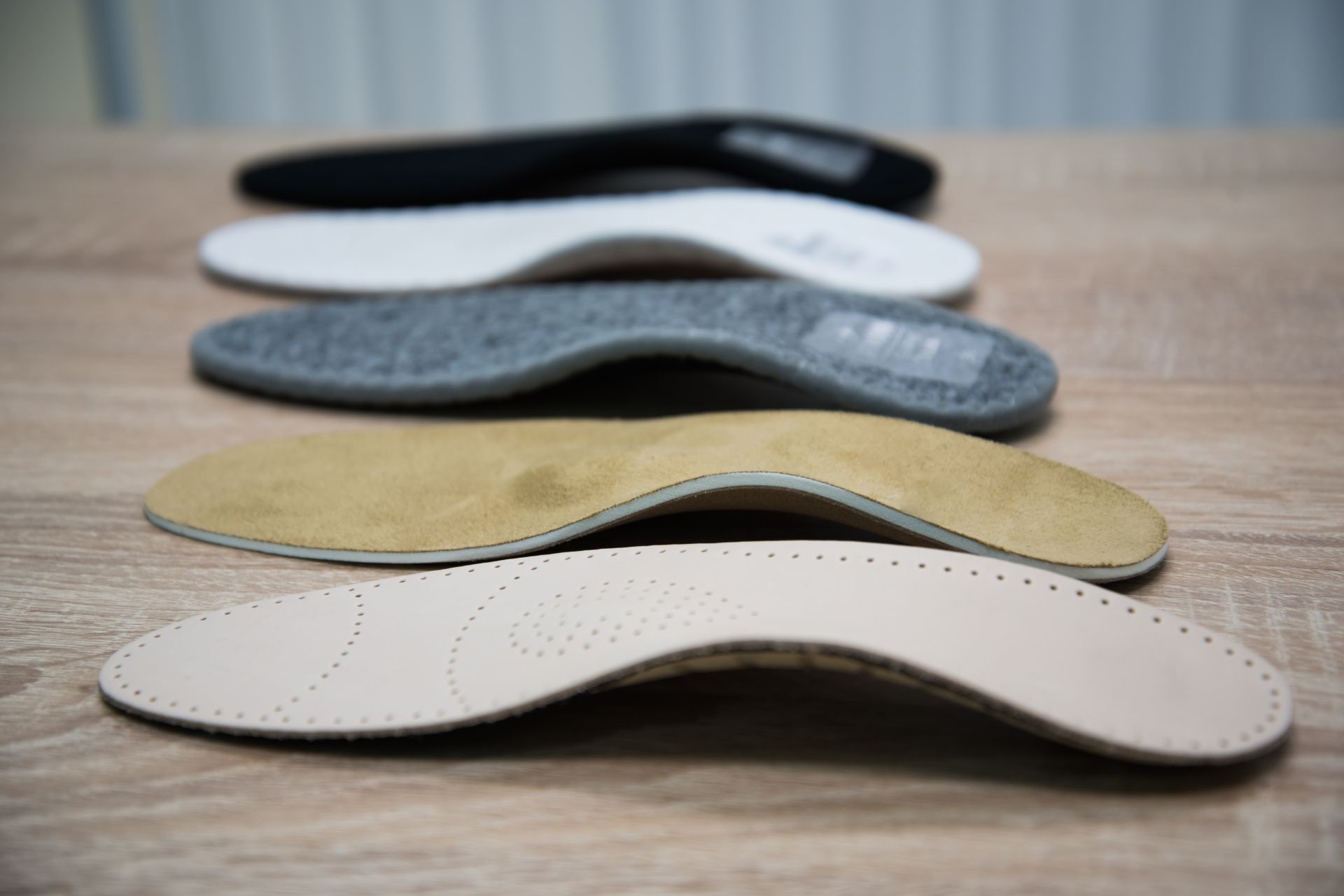
- Custom Insoles (Orthoses): Correcting alignment and reducing overload from gait changes or pressure points post-boot
- Shockwave Therapy: Considered later, only for persistent surrounding tendon or heel pain impeding rehabilitation, not for acute ruptures
Our goal is to develop a comprehensive plan for safe tendon loading to ensure strong, reliable, long-term function.
Achilles Tendon Rupture Exercises
Achilles tendon rupture exercises vary according to the healing phase and surgical status. Early goals are to protect and maintain strength elsewhere rather than to stretch the tendon unnecessarily.
Phase examples include:
- Early (in walking boot/cast): Gentle toe movements, isometric contractions, hip/core, and upper-body conditioning
- Mid (as boot angle/weight bearing progresses): Seated/standing heel raises, controlled ankle mobility, balance drills
- Later (strength/return-to-run): Heavy slow resistance, eccentric calf work (when appropriate), plyometrics, and sport-specific drills
Progress carefully. Excessive stretching or loading too early can compromise tendon strength and increase the risk of re-rupture.
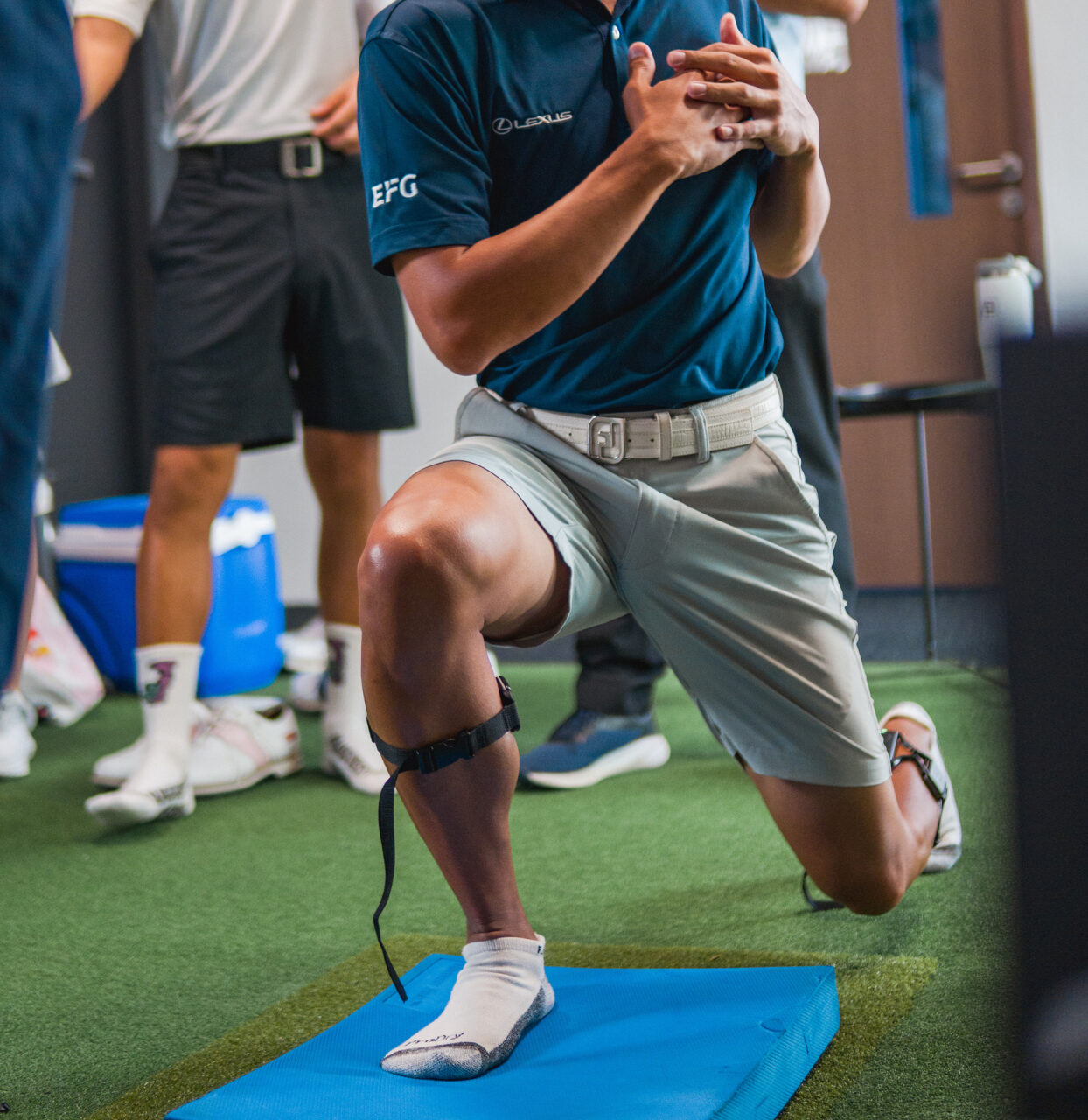
Returning to Running and Sport
Returning to your sport after an Achilles tendon rupture is not solely about recovery time. It’s about whether your leg is strong, you have good range of motion control, and you feel confident.
You are ready to safely return when:
- The injured calf muscles are almost as strong and tireless as the uninjured ones.
- You can do several single-leg calf raises properly.
- You have good balance and control when hopping and landing.
- You can gradually increase weight-bearing walking and running without causing extra swelling.
If you are a runner, focus on consistently strengthening your calves and progressing in a controlled manner. Do not rush into fast or strenuous runs, such as sprints at East Coast Park or Mount Faber, too early.
Preventing Future Tendon Ruptures
After an Achilles tendon rupture, prevent re-injury by restoring strength and avoiding sudden increases in activity to reduce the risk of chronic injury.
Key strategies include:
- Gradually increasing running volume and intensity
- Making calf strengthening a long-term habit
- Using warm-ups that prepare the calf and ankle for fast loading
- Selecting footwear that matches your mechanics and activity level to support your feet and ankles
- Managing persistent tendon warning signs, such as morning stiffness
Prevention is crucial if you have a history of Achilles tendon injuries or if you participate in sports that involve sprinting, jumping, or rapid changes of direction.
Why Choose The Foot Practice in Singapore?
At The Foot Practice in Singapore, we provide evidence-based support, including gait analysis and practical strategies for real-life situations such as commuting and training, to help you recover from an Achilles tendon rupture. We collaborate with your orthopaedic and foot-and-ankle surgery team, using objective tracking and progressive loading to deliver individualised care that moves you from protection to performance.
Do not attempt to manage an Achilles rupture or partial rupture on your own. A well-designed management plan for Achilles tendon rupture reduces setbacks and supports a safer return to the activities you love. Book a sports podiatry assessment at The Foot Practice to take the first step towards healthier feet.