When the sun’s out, it’s a great time to bring the family to the pool. Everyone can luxuriate in the water, bask in the glowing sun, and have a fun, relaxing time. Thankfully, there’s a lifeguard on duty, so you can be sure your child is safe and sound. But that’s not the only risk factor at the pool.
It’s not running on the deck or playing too vigorous a game of chicken. One of the most common problems for children at the pool is something you can’t see until later. It may sound gross, but it’s very common. What we are referring to are warts on your child’s foot.
Understanding Verrucae in Children
Plantar warts, or verrucae, aren’t an uncommon occurrence for children. Verrucae are a common type of skin growth in children that can spread from child to child via shared shoes or wet surfaces, such as pools or shower floors.
To be more precise, plantar warts occur when a virus enters the body through cuts or weak spots in the skin. These cuts can be small and go unnoticed, especially for active children. From there, the virus causes non-cancerous growths to form on the soles of the feet. These are not dangerous and can go away with good hygiene and care, but a paediatric podiatrist can intervene and assist your child.
What Do Verrucas Look Like In Children?
As is often the case for parents, you’re more likely to notice something is wrong than your child. That’s why it’s good for you to be familiar with the symptoms of plantar warts so you can help your child.
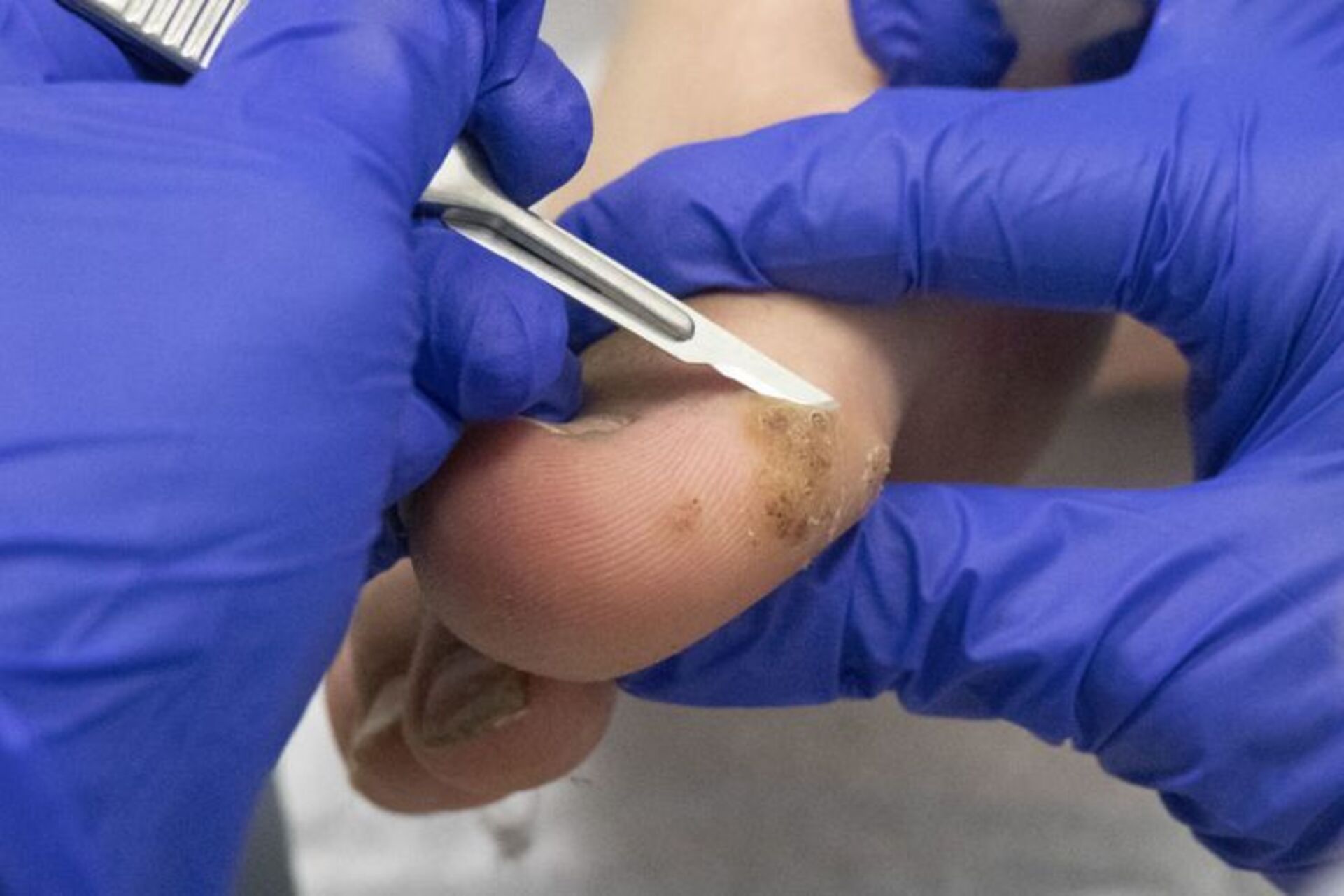
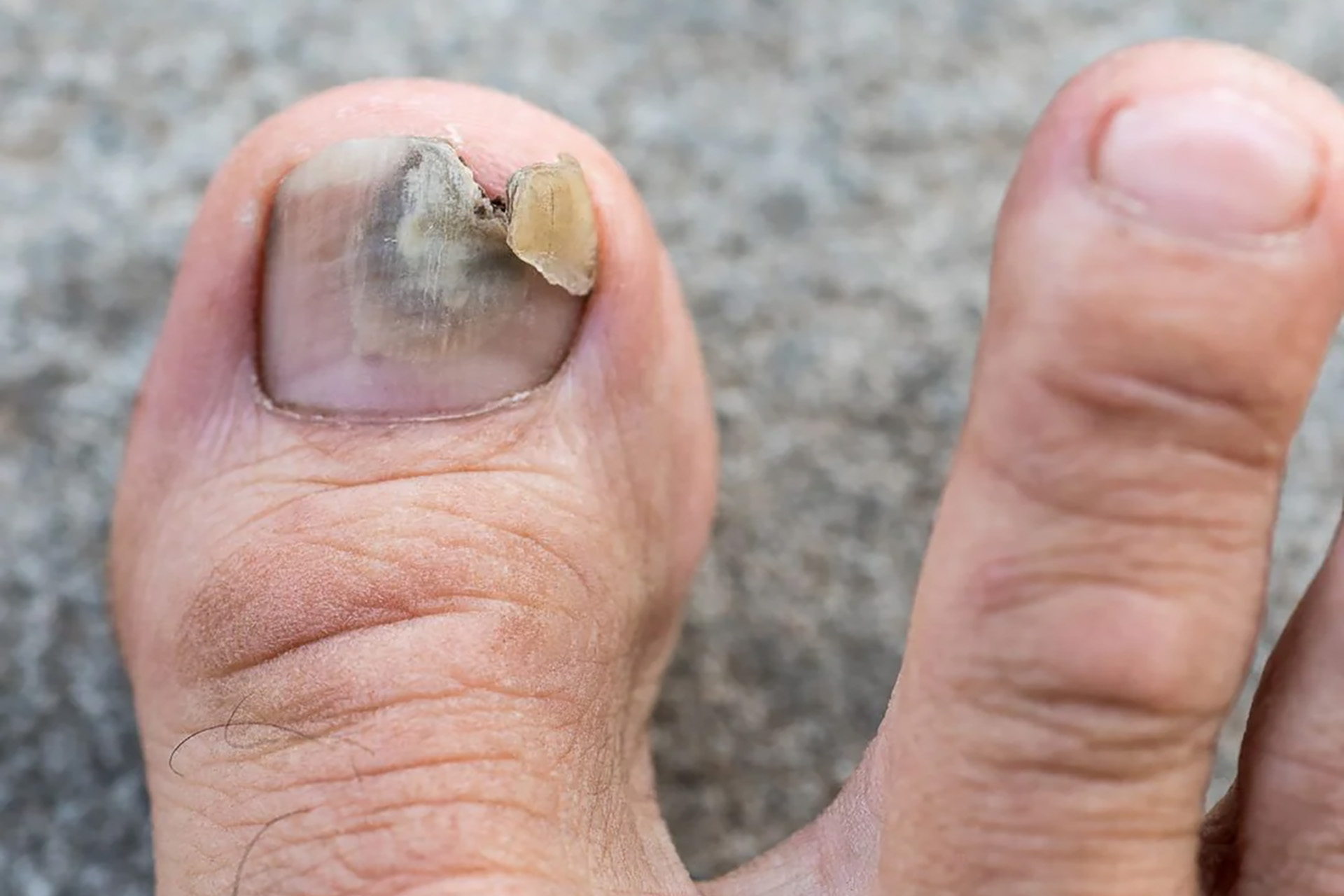
Sometimes, warts manifest exactly as you imagine: small, rough growths. These typically occur at the points of the foot that make the most contact with the ground, such as the ball or the heel. Sometimes, a callus may form when a wart grows inward, unable to extend beyond the thickened skin. They can also appear as black pinpoints or as a cluster of growths, known as mosaic warts. For children with brown or black skin, warts may appear as lighter circles on the sole.
Any of these could be verrucae, but the most important thing to note is whether your child reports pain when walking or standing. This is a sign that something may not be right, whether it be verrucae or not, and it is worth visiting a paediatric podiatrist or doctor.
Managing and Preventing Verrucae in Children
Plantar warts or verrucae can be persistent once they form. But there are ways to manage them. These include topical creams or salicylic acid. Using these in conjunction with a paediatric podiatrist’s consultation is important. You shouldn’t diagnose your child with verrucas on your own without professional help. It’s also important to hear from a paediatric podiatrist so they can show you how to use the medication correctly.

As with many conditions, the easiest thing to do is work towards prevention rather than treatment. There are multiple strategies for preventing verrucae in your child:
- Keep Feet Clean and Dry: Wash feet daily and dry thoroughly, especially between toes
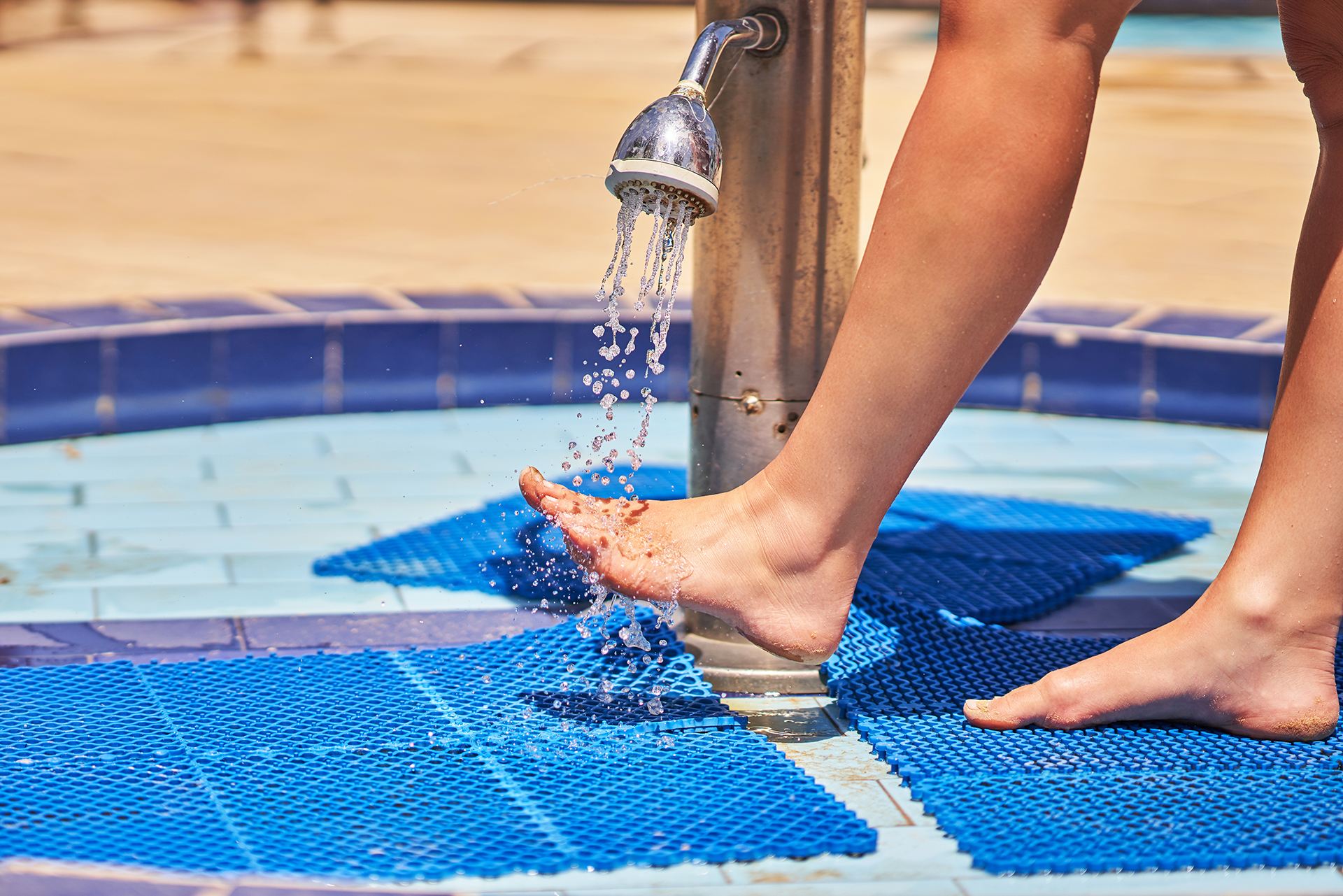
- Wear Flip-Flops in Communal Areas: Use flip-flops or water shoes in public showers, pools and locker rooms
- Avoid Sharing Footwear: Do not share shoes, socks, or towels with others
- Regular Foot Checks: Inspect your child’s feet regularly for any unusual growths or changes
- Keep Nails Short and Clean: Trim nails regularly to prevent the spread of viruses
- Use Antifungal Foot Powder: Apply antifungal powder to keep feet dry and prevent infections
- Encourage Good Hygiene: Teach your child not to pick at or scratch warts to prevent spreading
- Cover Warts: Use waterproof bandages to cover existing warts when swimming or bathing
- Use Fresh Socks Daily: Ensure your child wears clean socks every day
- Boost Immunity: Maintain a healthy diet and lifestyle to support the immune system
- Avoid Walking Barefoot: Discourage walking barefoot in public places
The key takeaway is common sense: keep your child’s feet dry and clean. Those two things can go a long way to preventing your child’s feet from developing verrucae. What’s also important is to impart that knowledge to your kids. You can teach them how to keep their feet dry and clean, as you can’t always be there when they’re at school, in the locker room, or out with their friends.
If you’re concerned about verruca or plantar warts in your child, make an appointment with The Foot Practice so one of our expert paediatric podiatrists can diagnose and intervene, and help you and your child better understand how to prevent plantar warts.