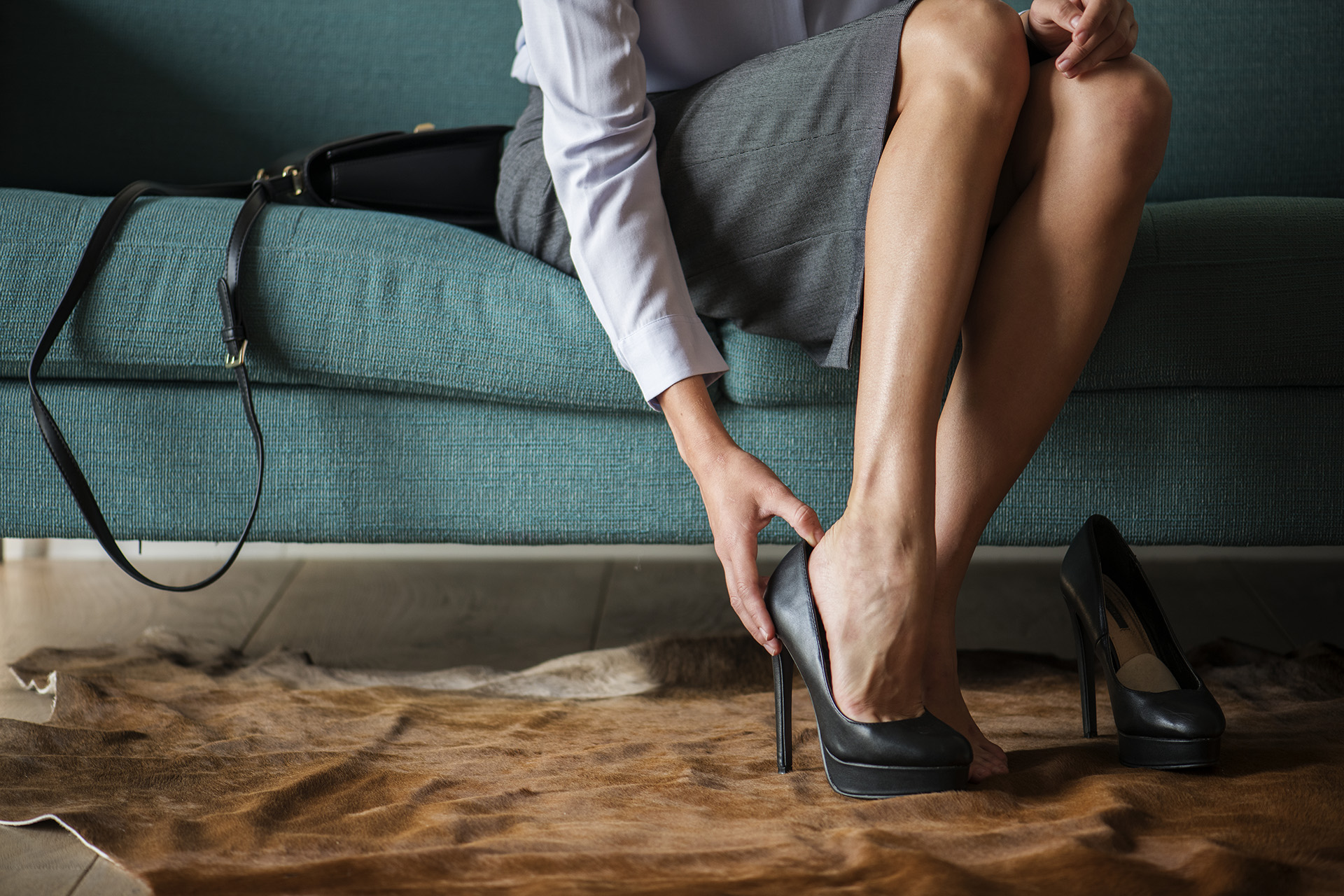
The Real Pain of High Heels
High heels can increase pressure on the forefoot. If they cause pain, reducing heel height or changing shoes is often more useful than adding an insert. An insert may improve comfort in a shoe with enough space, but does not make every heel suitable.
High heels can increase pressure on the forefoot and may aggravate discomfort in some people. Foot pain, bunions and toe changes have several possible causes; footwear is only one factor.
You may also experience burning pain at the ball of your foot due to metatarsalgia, which is typically concentrated in the forefoot where pressure and weight are focused. A nagging pull at the back from Achilles tendinopathy, or even a bony bump called Haglund’s deformity rubbing against stiff heels, can also occur. Neuromas can zap you with nerve pain, and if you’re really pushing it, stress fractures or ankle sprains might creep in. These are just some of the conditions that can be aggravated by high-heeled wear.
It’s essential to listen to your body and respond accordingly when pain begins to affect your foot. A podiatrist can help you decide whether shoe inserts are right for your feet and, importantly, your high heels.

Common Foot Issues from Heels
High heels put your feet through the wringer, and the fallout can be rough.
- Achilles tendinopathy can cause pain at the back of the heel. Its causes are multifactorial; tight calves are not the only explanation. Narrow or unstable heels may increase the risk of ankle sprains.
- Bunions involve a change in alignment at the big-toe joint. Tight toe boxes may aggravate symptoms but are not the sole cause.
- Haglund’s deformity creates a bony bump that rubs raw against stiff heel caps.
- Hammertoes involve bending at a toe joint. Shoe pressure can aggravate them, but foot structure and muscle balance also contribute.
- Metatarsalgia causes a burning ache at the ball of your foot due to the excessive forward pressure.
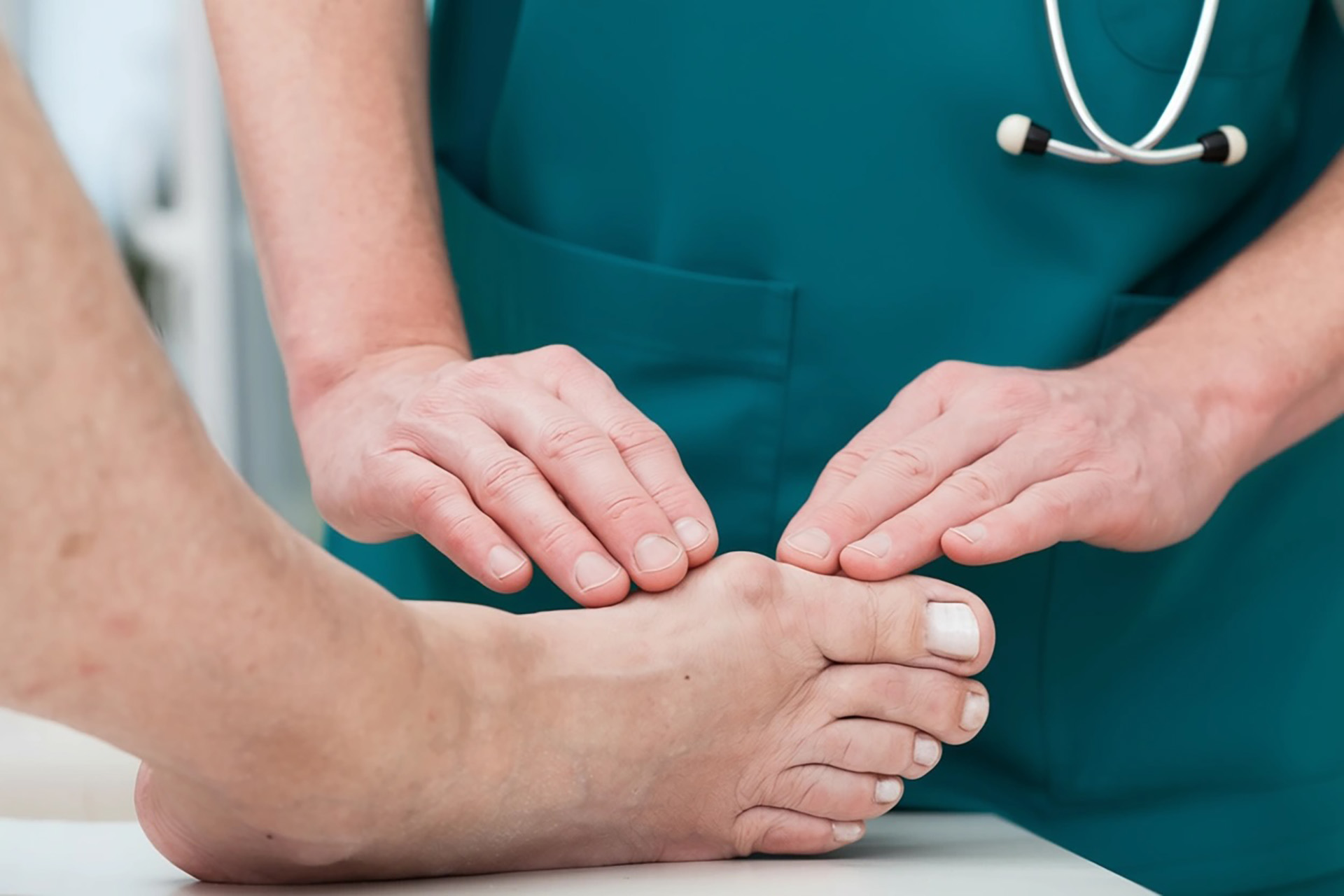
- Neuromas cause sharp, zingy pain by pinching nerves between your toes.
- Plantar fasciitis is characterised by stabbing heel pain after you’ve been off your feet for a while, caused by the fascia getting over-stretched.
- Stress fractures are small cracks in bones that can come from undue pressure.
An insole or pad may improve comfort or reduce pressure in some shoes. Insoles do not straighten hammertoes, correct bunions or guarantee that pain will resolve; fit and response vary.
Why Inserts Make Heels Feel Better
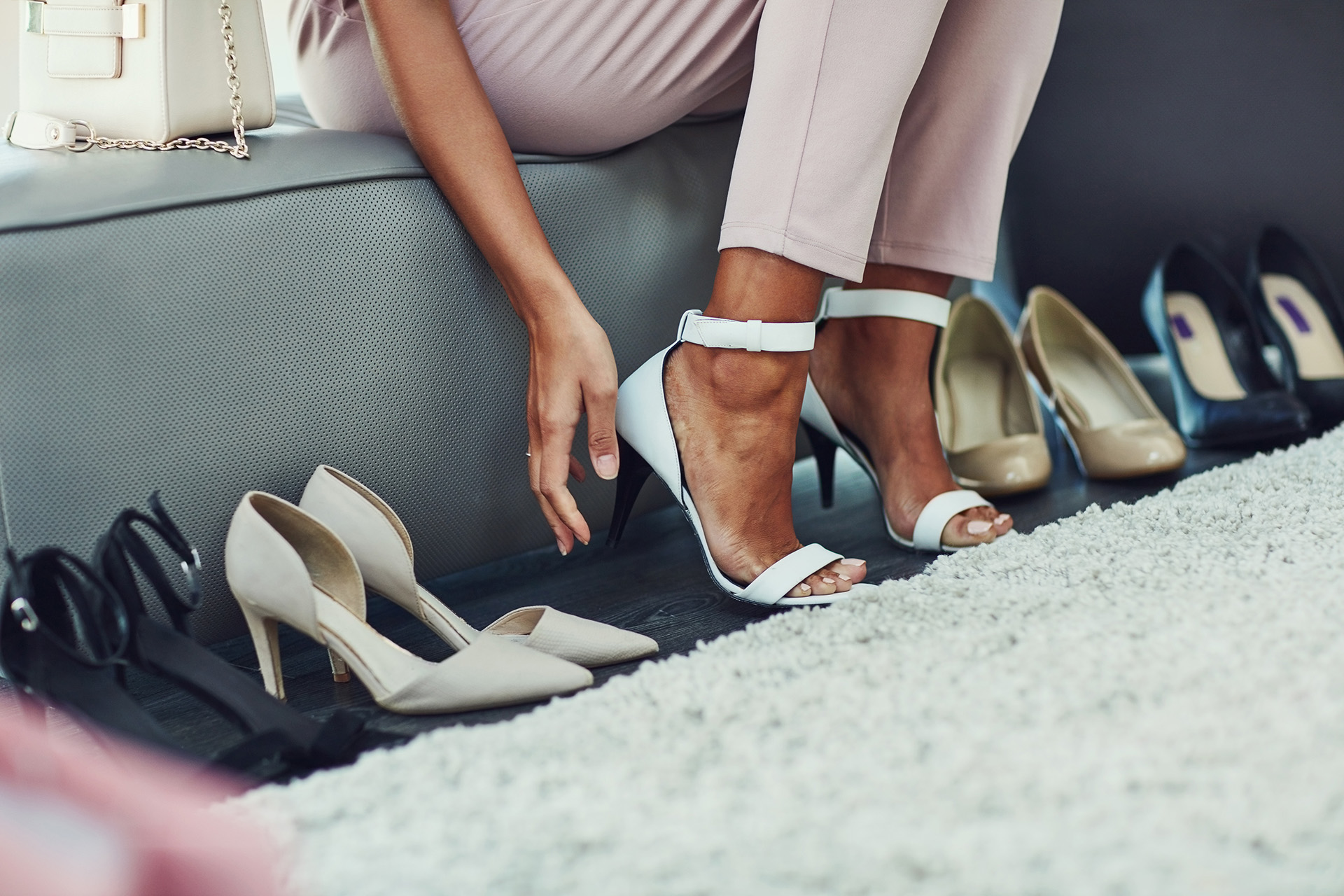
An insert may cushion pressure or provide support, depending on its design and the shoe. Benefit varies and an insert should not crowd the foot.
Pressure-relieving pads may help some people, but they do not reliably realign the body’s centre of gravity. Do not add a heel lift inside high heels without advice about fit and symptoms.
For suspected Morton’s neuroma, wider shoes and a correctly placed metatarsal pad may help. COBRA women’s shoe insoles are one available product; they are not established as the best option or a guarantee of immediate relief.
Insoles do not guarantee prevention of ankle sprains, stress fractures or pain in the hips, knees or spine. Choose a lower, stable shoe if an insert does not relieve pressure.
The Importance of Arch Support
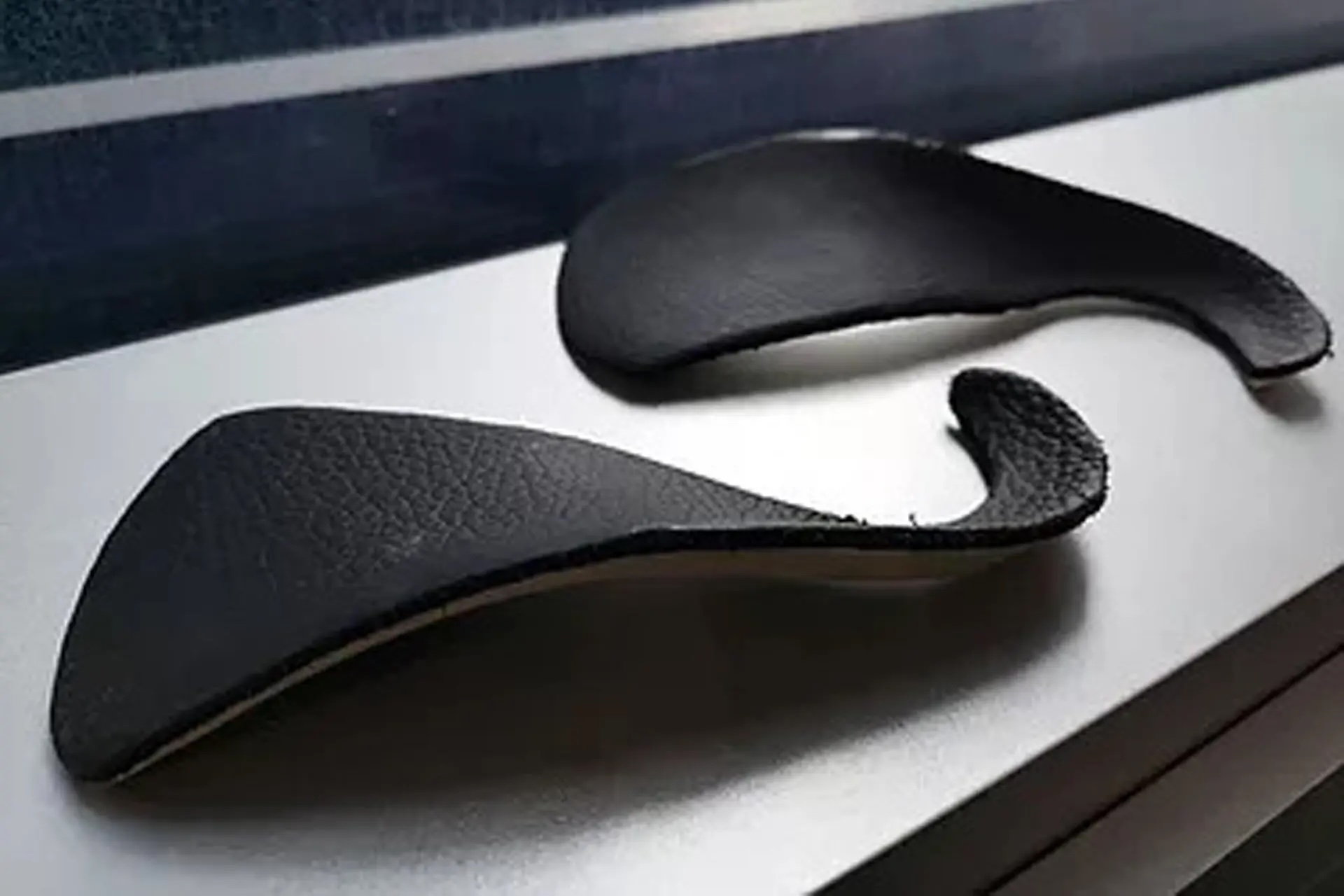
Arch support may improve comfort for some people, but is not a universal requirement or a guarantee of lasting pain relief.
The arch of your foot is designed to absorb shock and distribute your body weight evenly, but high heels throw off this natural balance, forcing extra pressure onto the ball of your foot and leaving your arch without the support it needs.
An insole may change support under the foot and improve comfort for some people. It cannot guarantee pain-free use of high heels or prevent back pain; shoe fit and room for the toes also matter.
Getting It Right: Custom Solutions for Your Feet
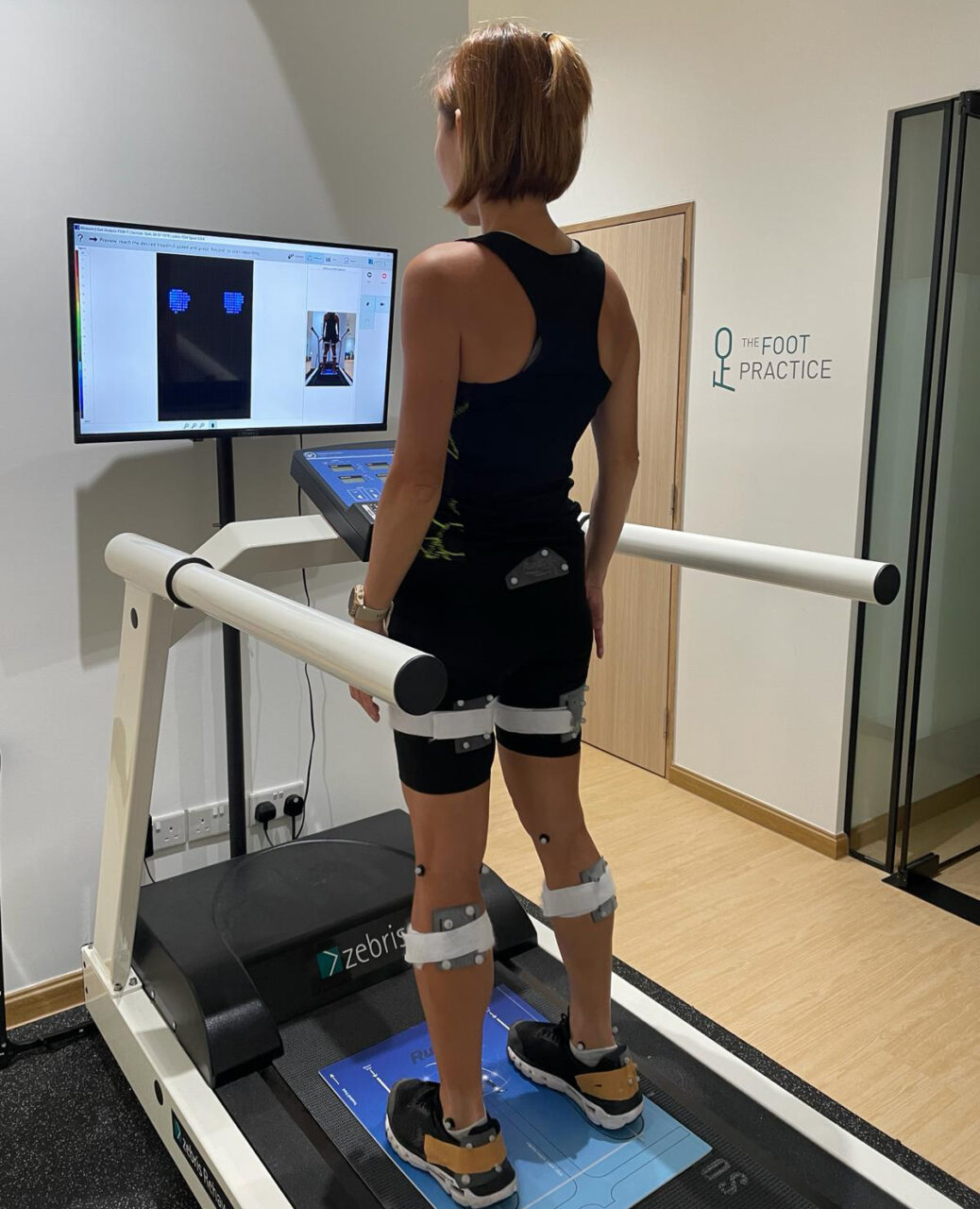
A footwear assessment considers fit, pressure and symptoms. RehaWalk® measures foot pressure during movement but cannot show that a bunion or neuroma is worsening or establish the cause of pain.
COBRA inserts are designed for certain shoe styles. Fit must be checked in the actual shoe; a slim design does not ensure a comfortable fit for everyone.
Pairing Inserts with Other Interventions
For persistent heel or Achilles pain, seek an assessment. Shockwave therapy is sometimes discussed, but its benefit varies by condition and it is not established that it guarantees faster healing.
Heel-strike pressure does not diagnose Morton’s neuroma. Forefoot nerve pain needs assessment; shockwave therapy is not an established routine treatment for neuroma.
Simple Habits to Keep Inserts Working
Take breaks from painful shoes and choose comfortable alternatives. Exercises should be tailored to the diagnosis; an insert cannot reset posture. Avoid firm massage over an acutely painful area or suspected bone injury.
Pads or toe spacers may reduce rubbing in selected cases, but can increase pressure if shoes are tight. Seek advice if discomfort persists rather than adding several devices.
Comfort That Sticks With You
If high heels are hurting your feet, don’t wait. Contact The Foot Practice for a personalised consultation. Our team will analyse your gait, design orthoses, and implement interventions to help you move comfortably in heels.