
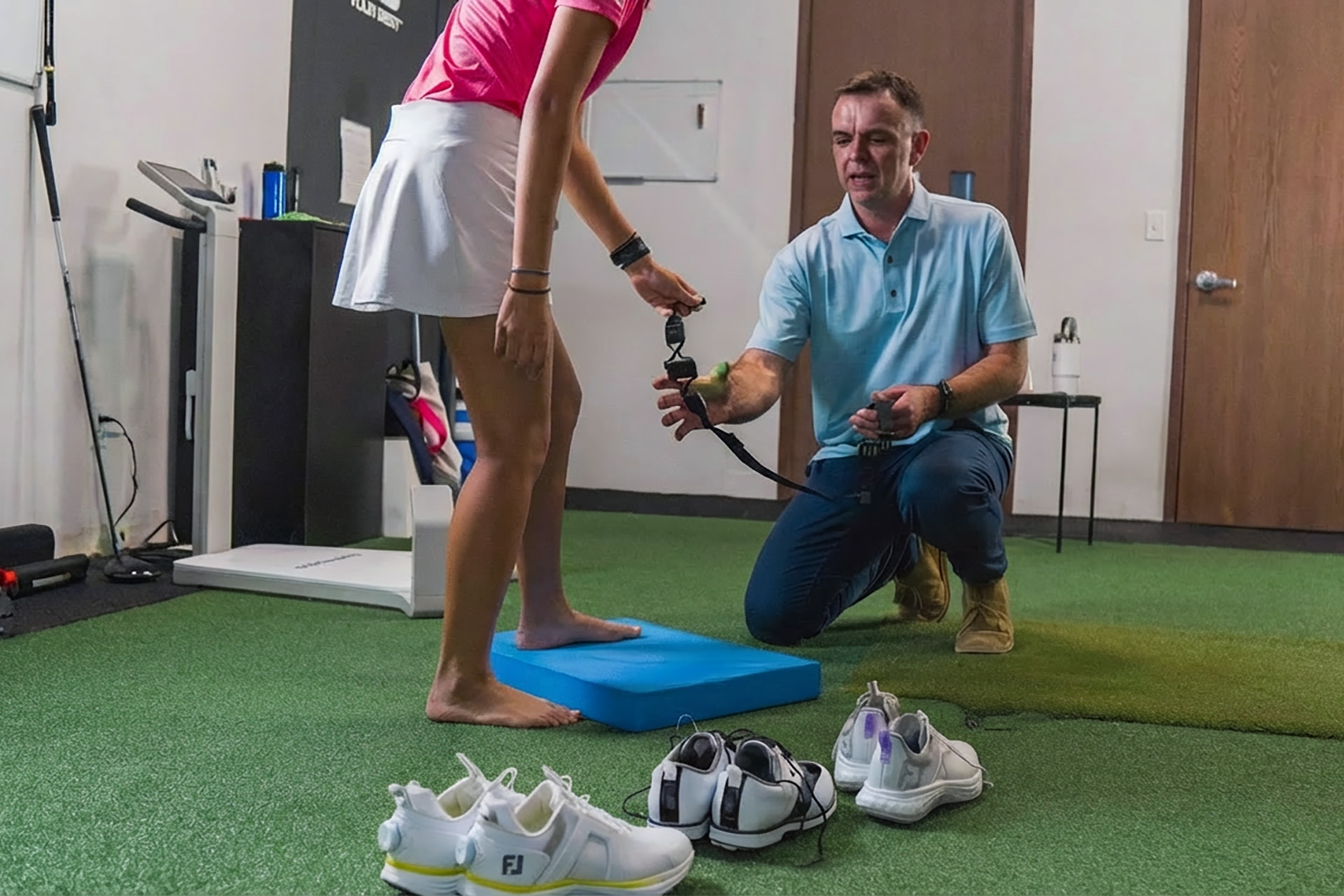
Heel pain can strike without warning, turning a morning jog along East Coast Park or a stroll down Orchard Road into a painful experience. Two conditions are often lumped together, heel spur vs. plantar fasciitis, but they’re not the same.
Assessment can help distinguish plantar heel pain from other causes. Treatment depends on the findings and response over time.
What Is Plantar Fasciitis?
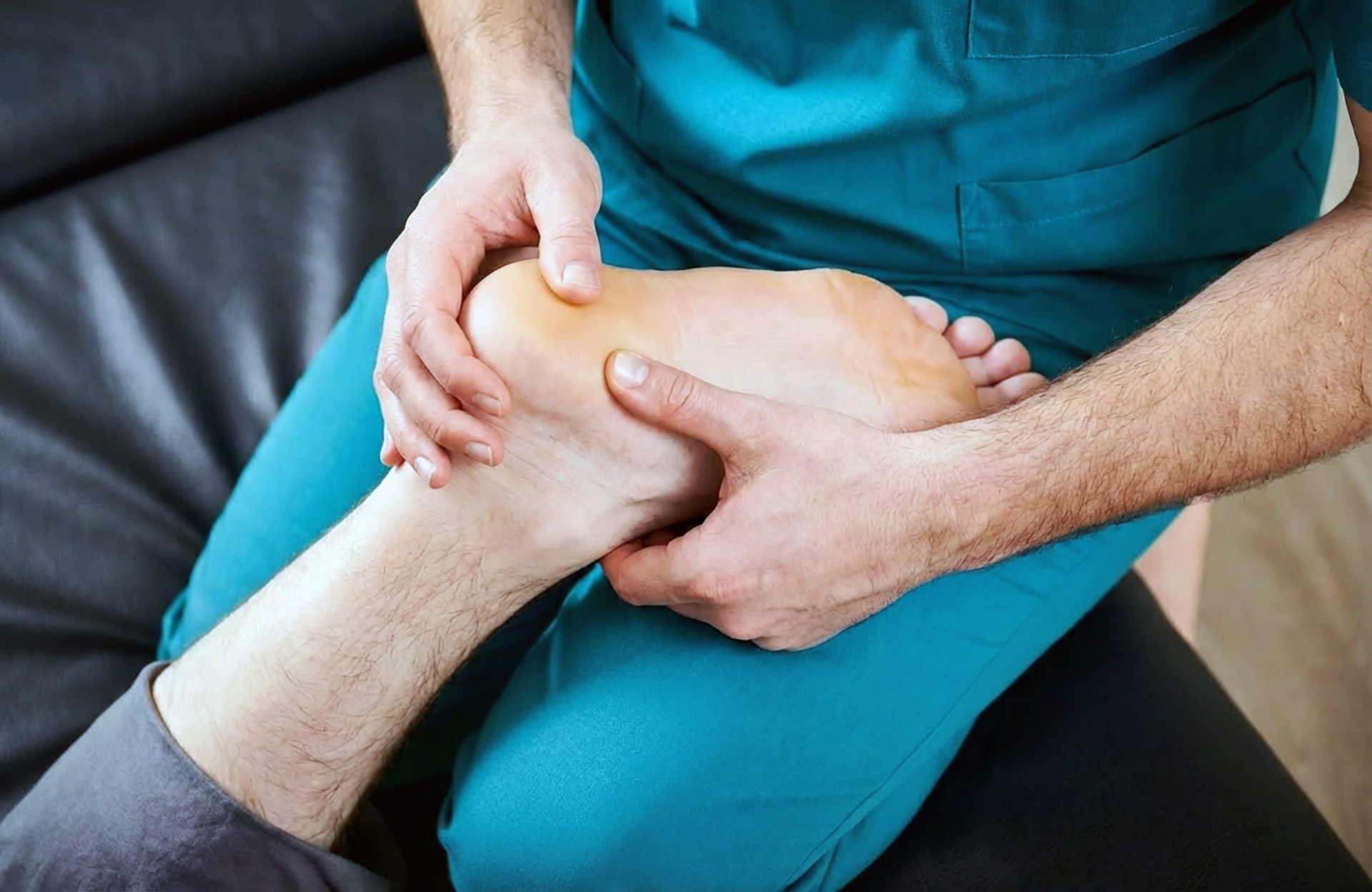
Plantar fasciitis is pain associated with the plantar fascia near its heel attachment. The fascia helps support the arch; the condition is not always simply inflammation or a tear.
Symptoms often include pain with the first steps after rest, sometimes easing during movement and returning after loading. This pattern does not by itself show the degree of tissue damage.
You’ll usually feel:
- A knife-like jab under the heel, first thing in the morning
- A burning ache along the arch
- Tenderness when you press the inner heel
- Discomfort that builds after standing or walking for ages
- Pain during or after activity, with the pattern varying between people
What Is a Heel Spur and How Is It Different?
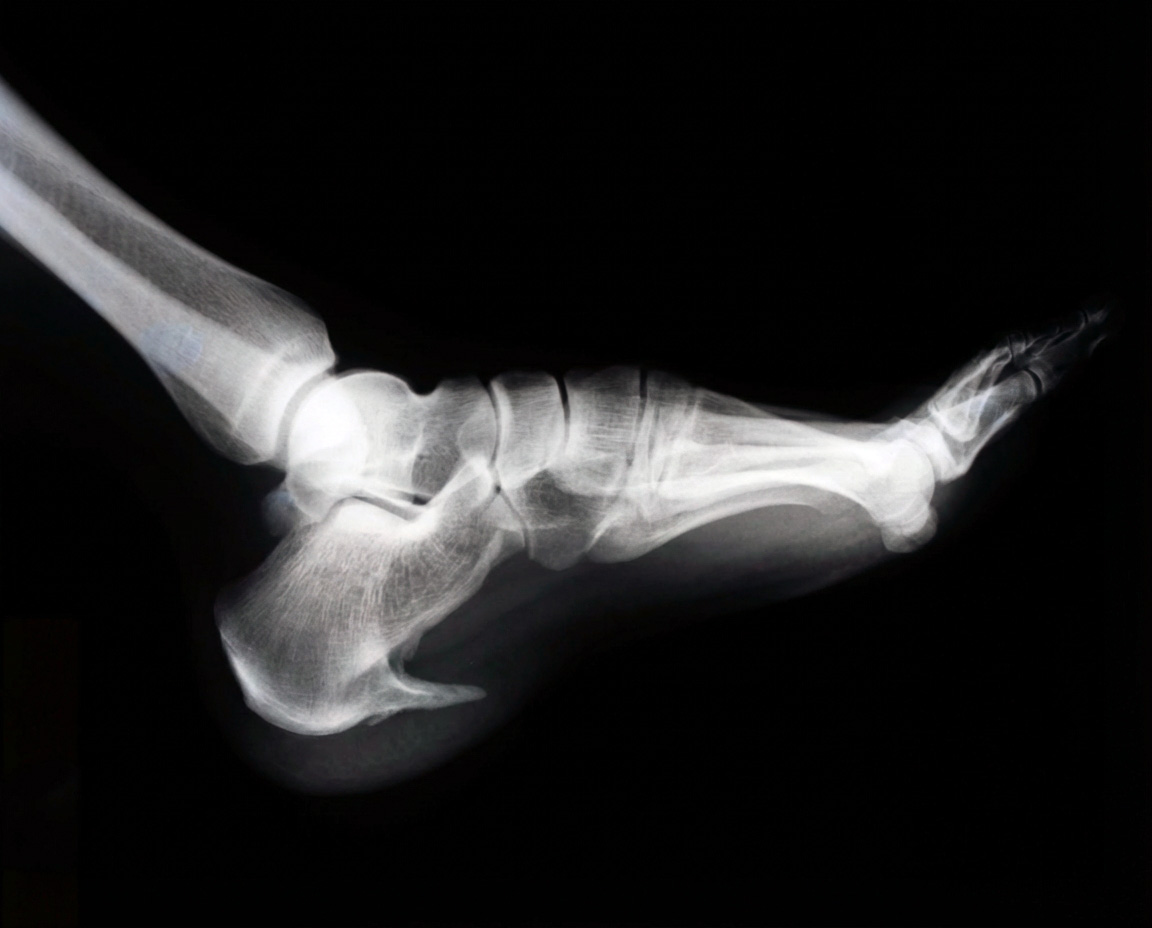
A heel spur is a small, bony bump that grows on the underside of your heel bone (calcaneus), right where the plantar fascia attaches. It forms when calcium builds up over time from ongoing stress or inflammation pulling on that spot. More importantly, most heel spurs don’t actually hurt. Plenty of people have them show up on X-rays without ever feeling a twinge. The pain usually comes from the irritated tissue around it, not the spur itself.
The main difference between heel spurs and plantar fasciitis is what’s causing the pain:
- Plantar fasciitis: Pain arising around the plantar fascia’s heel attachment
- Heel spur: A bony growth (bone spur) formed as a secondary response to chronic fascia stress at the plantar fascia insert
A heel spur and plantar fasciitis can occur together or separately. A spur on an X-ray does not establish the source of pain, and removal is usually unnecessary.
What Causes Heel Spurs and Plantar Fasciitis?
Heel spurs and plantar fasciitis pain usually start from repeated stress that the fascia can’t keep up with. Things that raise the risk include:
- Ramping up your running distance or intensity too fast
- Shoes with little cushioning or worn-out soles
- Flat feet, high arches, or rolling in too much when you walk
- Tight calves that limit how far your ankle bends
- Extra weight puts more load on the heel
- Hours on hard floors are typical in Singapore shops or offices
Heel spurs can accompany long-term tissue loading, but they do not show that a person has neglected treatment.
Choose footwear that is comfortable for the activity. Lightweight shoes are not automatically a cause of plantar fasciitis, and climate alone does not establish risk.

Diagnosis: Why a Clinical Assessment Matters
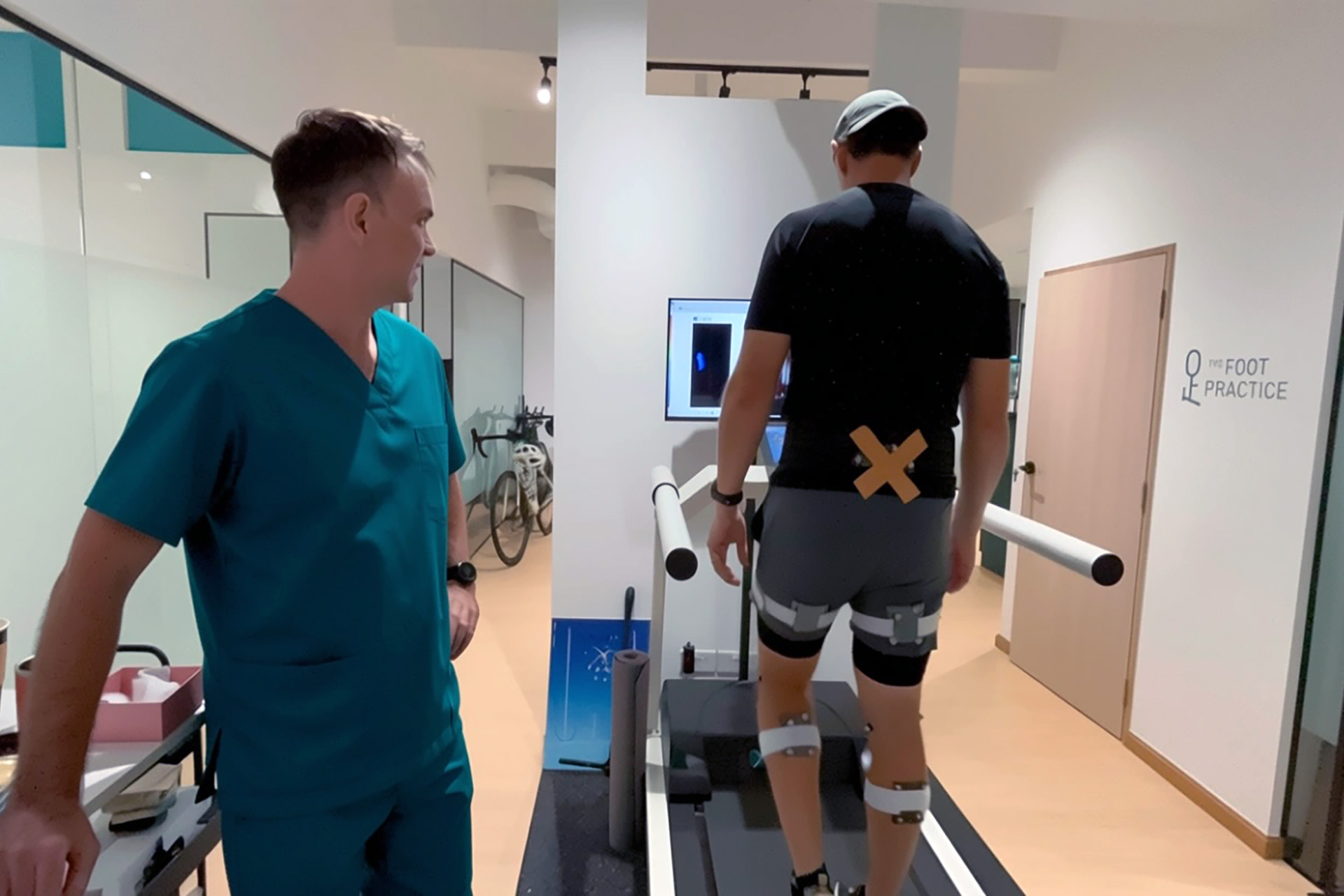
Accurate diagnosis is key to distinguishing between heel spurs and plantar fasciitis, as treatment differs depending on the underlying issue. At The Foot Practice, diagnosis starts with a thorough clinical assessment, including a medical history examination, gait observation, and palpation of the heel. Imaging, such as X-rays, may also be used to rule out other causes of heel pain, such as a broken heel.
Additional tests may be considered when useful:
- Gait analysis: Records movement or pressure patterns that are interpreted with symptoms and examination.
- Ultrasound: May show fascia changes when imaging is indicated; findings must be interpreted clinically.
Imaging is not routinely needed for typical plantar fasciitis. Different tests answer different questions; none replaces clinical assessment.
Managing Heel Spur and Plantar Fasciitis
Care for heel spurs or plantar heel pain depends on the diagnosis and symptoms. A clinician may discuss activity changes, footwear, exercises or other options. Recovery varies, and no approach guarantees faster or lasting relief.
1. Easing Pain and Inflammation
- Cut back on impact: Step away from running or long walks for a bit to give the fascia a break
- Ice: A wrapped cold pack may ease discomfort. Avoid direct contact with skin and seek advice before use if circulation or sensation is reduced.
- Stretch smart: Calf and fascia stretches loosen tight tissues and cut morning stiffness
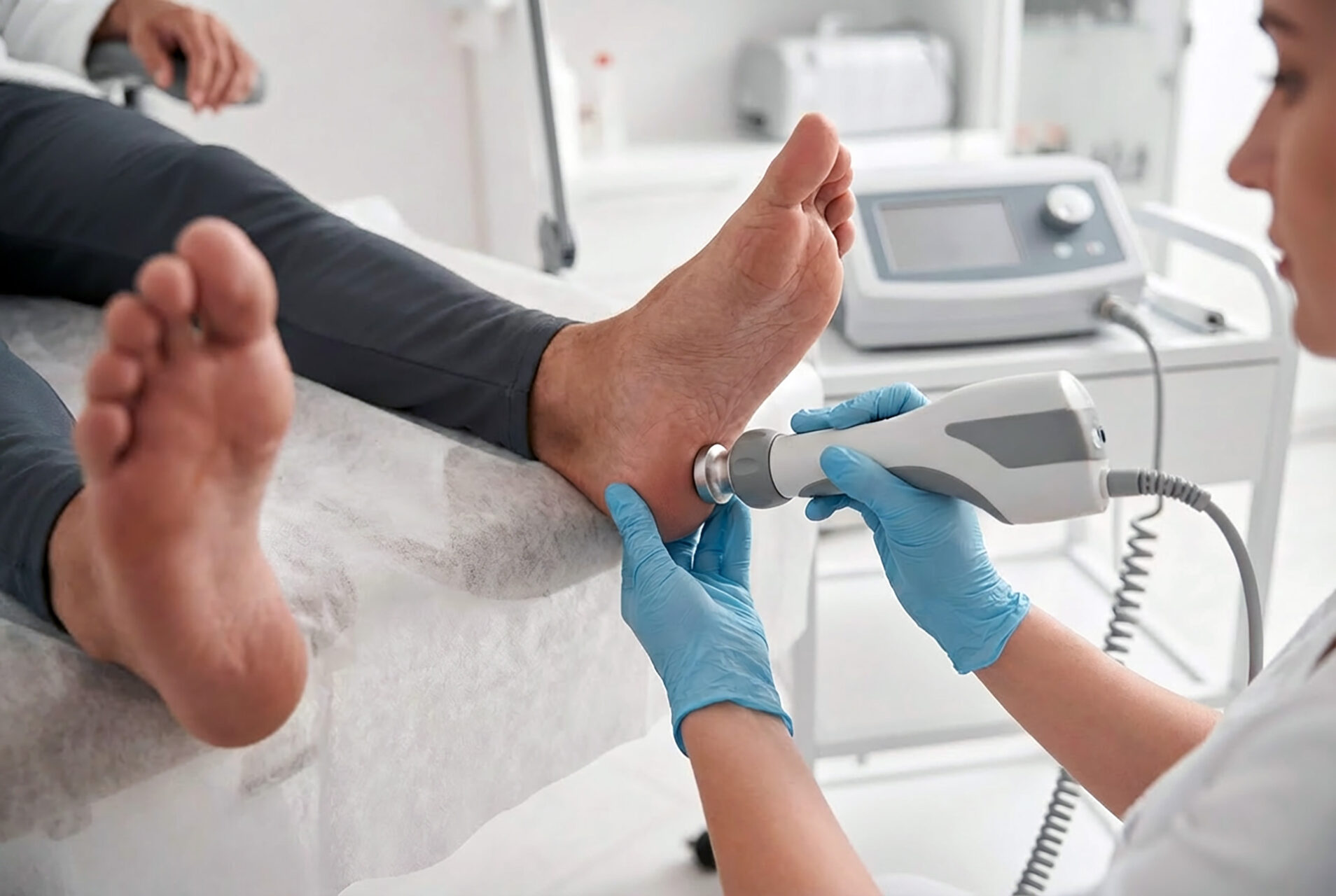
- Shockwave Therapy: may be discussed for persistent heel pain, but benefit depends on the condition and is not guaranteed
- Night splints: May be considered for persistent first-step morning pain, with fit and tolerance reviewed.
- Physical therapy: Hands-on work, targeted exercises, and gait checks rebuild strength and function
A painless heel spur usually needs no treatment. Care focuses on the cause of symptoms rather than the X-ray appearance alone.
2. Reviewing Footwear and Loading
- Shoe check-up: Choose a comfortable fit and cushioning suited to your activities. There is no single required shoe design for everyone.
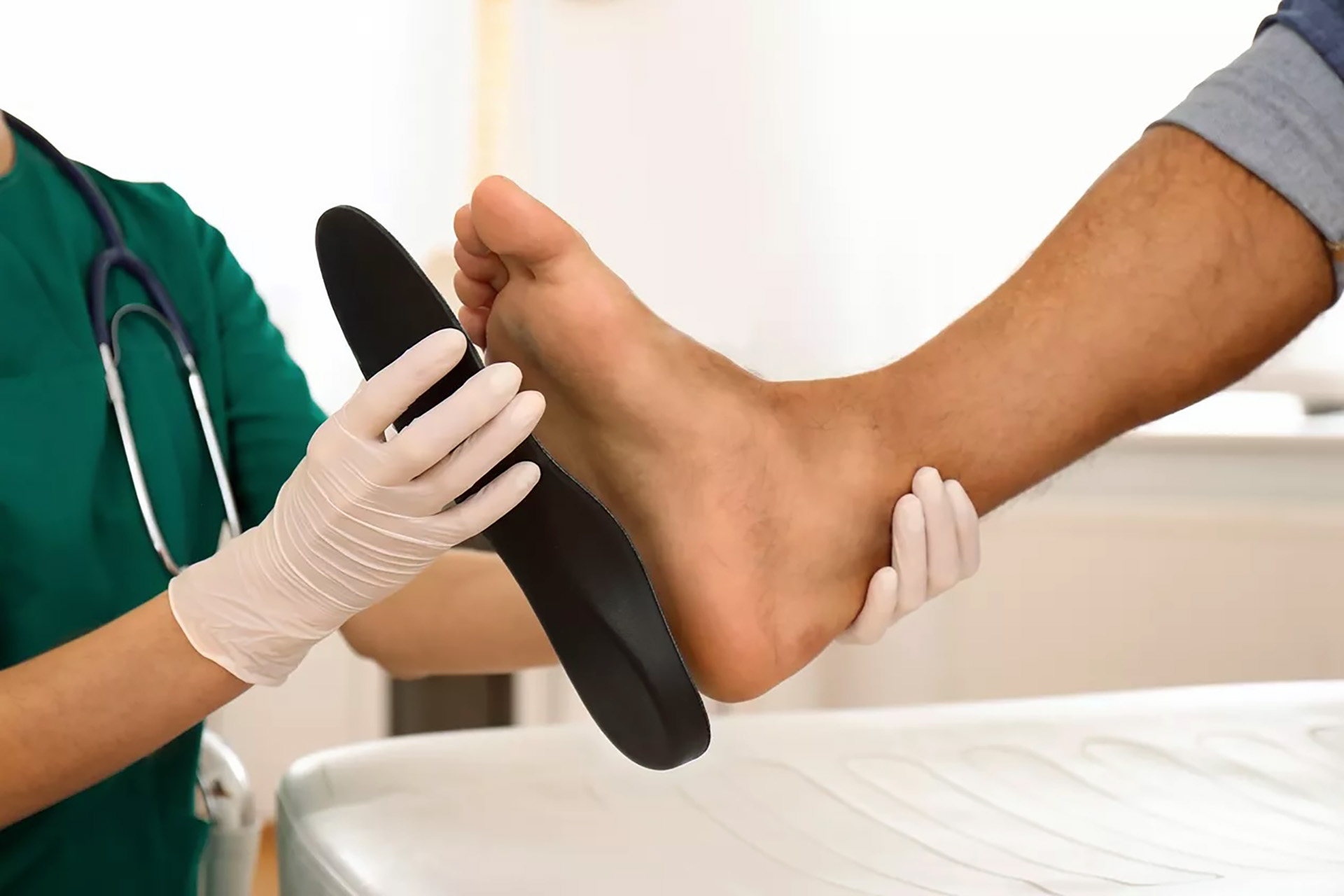
- Orthoses: Ready-made inserts or custom orthoses for plantar fasciitis or heel spurs may improve comfort alongside other care. They do not distribute pressure evenly in every foot or guarantee a perfect fit.
- Manual therapy: May be used alongside exercise when appropriate; it is not necessary for every case.
3. Returning to Activity
- Activity review: Adjust training according to symptoms and clinical findings. Gait retraining may be considered in selected cases.
- Progressive loading: Increase activity gradually as tolerated, reviewing symptoms as you progress.
- Weight management: Discuss this when relevant to your health and loading needs, without assuming it will resolve heel pain.

When Is Surgery Needed?
Surgery is uncommon and considered by an orthopaedic specialist only after persistent symptoms and an adequate trial of non-surgical care. Decisions depend on the diagnosis, likely benefit and risks, not a fixed percentage.
Many people improve with conservative care, but the right plan and recovery vary. No specific outcome or time to relief can be guaranteed.
Managing Heel Pain in Singapore
Whether you’re running around Marina Bay, hiking up steep slopes at Mount Faber or standing long hours at work, understanding the difference between heel spur vs plantar fasciitis is the first step to recovery. Foot pain can affect your daily activities, but with the right approach, you can get back to your active lifestyle.
The Foot Practice’s sports podiatry service can assess heel pain and discuss exercises, footwear, insoles or referral. Technology supports assessment but cannot guarantee that a single root cause will be found.
If heel pain is affecting your daily life, it’s time to seek help. Book a comprehensive assessment with The Foot Practice today at our Orchard Road clinic. Call +65 6282 7400 or WhatsApp +65 8776 9918 to schedule your appointment.