Understanding Flat Feet
Flat feet, medically known as pes planus, occur when the arches of the feet collapse or don’t form properly. This puts the entire sole in contact with the ground. Some people don’t experience any discomfort, while others develop flat feet over time due to various risk factors, including genetics and body weight, both of which can affect foot structure and function.
Flat feet alter how the body absorbs shock and distributes weight, often resulting in pain in the feet, ankles, knees, hips, or lower back. People with flat feet may experience pain or tired, aching feet, especially after long hours of standing or walking. Flat feet can also compromise balance, increasing the risk of trips and falls, especially in older adults.
These issues can result in recurring pain or reduced performance, particularly among active individuals and athletes. Understanding the risk factors involved is essential for prevention and early intervention. If left untreated, flat feet can worsen over time, leading to persistent discomfort and secondary musculoskeletal problems.
Foot Arches and Fallen Arches
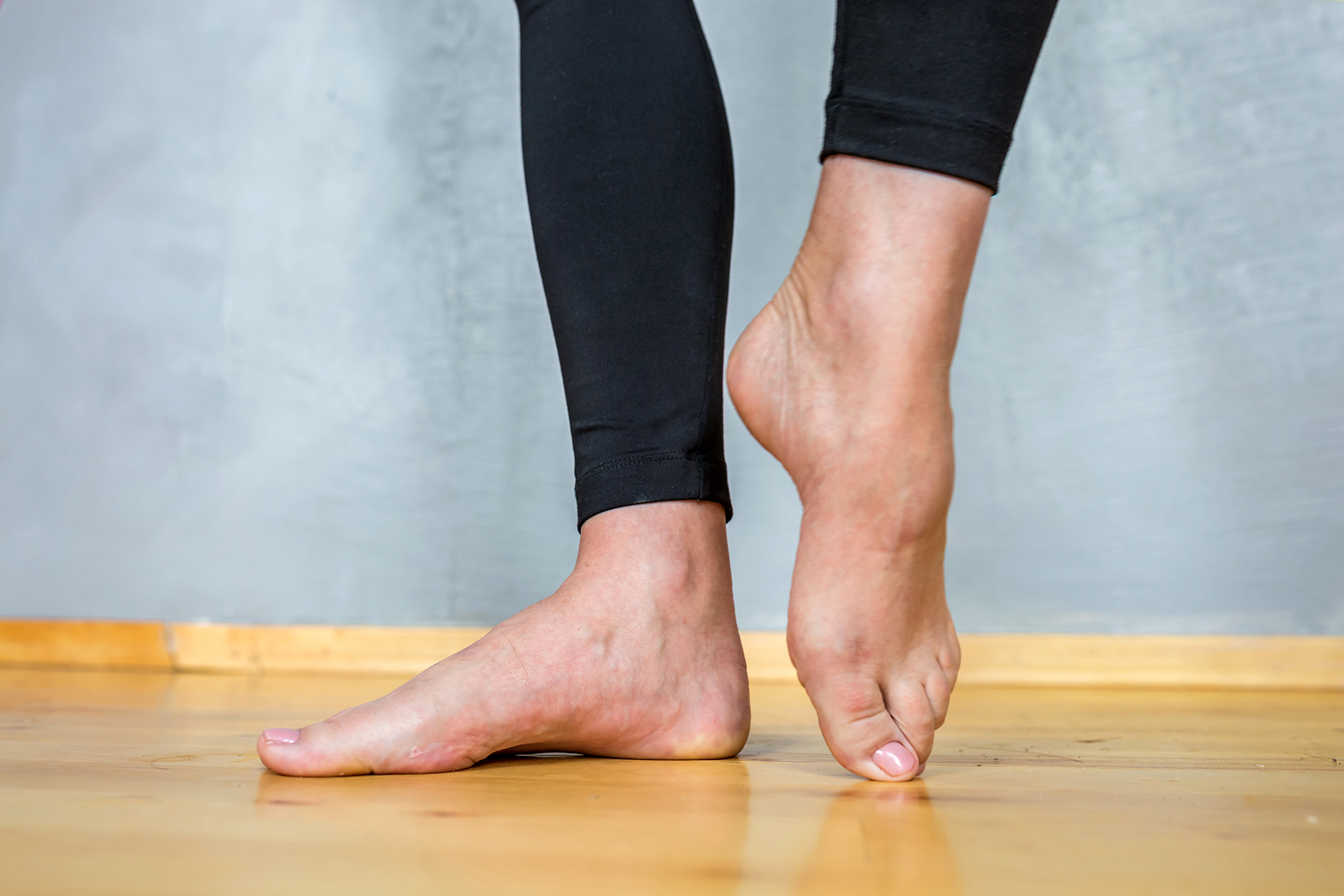
The foot arch, also known as the medial arch, is the main support structure of the foot that helps absorb shock and distribute body weight during movement. In normal feet, this arch is visible, especially when standing on tiptoes and plays a crucial role in balance and smooth walking or running.
When the foot arch is low or absent, the entire sole of the foot comes into contact with the ground, disrupting the foot’s natural alignment. This can lead to foot pain, especially after long hours of standing or walking. Unlike normal feet, which have an arch that provides a spring-like effect, flat feet lack this support, leading to fatigue and discomfort.
Types of Flat Feet Problems
Flat foot is a condition where the foot arch is low or absent, and the entire sole is in contact with the ground. There are several types of flat feet, each with its own characteristics and causes.
- Flexible Flat Foot: The most common type, especially in children. With flexible flat feet, the foot arch is visible when the child is sitting or standing on tiptoes, but disappears when standing normally. Flexible flat foot is often due to hereditary factors, ligamentous laxity, or wearing poor footwear during early childhood. Many children outgrow flexible flat feet as their foot arches develop, but some may continue to experience symptoms such as tired or aching feet, foot pain or difficulty walking.
- Rigid Flat Foot: Unlike the flexible type, a rigid flat foot means the arch is absent, regardless of whether the person is sitting, standing or on tiptoes. Rigid flat feet can be caused by conditions such as posterior tibial tendon dysfunction, rheumatoid arthritis, diabetes, or abnormal bone development. This type of flat foot is less common and often leads to more severe pain, limited toe movement, and difficulty walking. A rigid flat foot may require more advanced treatment, including possible surgical procedures, if conservative measures don’t relieve symptoms.
- Other Types: Congenital flat foot is present at birth and may be due to genetic or developmental factors. Conversely, an adult-acquired flat foot develops later in life due to injury, overuse, or medical conditions that weaken the foot’s arch-support structures. It can affect one or both feet and, if left untreated, lead to flatfoot deformity.
Some people have mild flat feet with no symptoms, while others experience severe pain, aching feet or even foot or ankle injuries. In some instances, flat feet may be a sign of an underlying medical condition such as rheumatoid arthritis or diabetes. Hence, it’s essential to seek medical advice for a proper diagnosis and treatment plan.
A podiatrist can help diagnose the type of flat foot and recommend treatment. This may include stretching exercises, such as calf stretching, strengthening routines, or custom orthotic supports. In advanced cases, surgical intervention may be considered to correct the flat foot deformity and prevent future injuries.
What Causes Flat Feet?
Flat feet can be inherited or acquired over time. Some are born with ligamentous laxity that prevents the arches from forming properly, while others develop the condition due to ageing, injury, obesity or prolonged strain on the feet. Medical conditions such as diabetes, rheumatoid arthritis or posterior tibial tendon dysfunction can also contribute to flat feet. In some cases, flat feet may be due to abnormal bone development or certain medical conditions such as spina bifida.
Footwear that limits toe movement, such as high heels or narrow shoes, can also lead to flat feet by restricting natural toe function and altering foot biomechanics. Flat feet can only be truly identified when the individual is standing or walking, as this is when the arches are most visibly affected.
Symptoms of Flat Feet
Symptoms of flat feet can be mild to severe. Many people with flat feet experience foot pain, especially after standing or walking for long periods. Tired or aching feet are common complaints, and some may feel their feet are especially fatigued at the end of the day. Flat feet can also cause the foot to roll inward excessively, a movement known as excessive subtalar pronation, which can put additional stress on the inner side of the foot and result in arch pain.
Other symptoms of flat feet include difficulty walking, swelling along the inner side of the ankle and feet that tire easily. While some people with flat feet may not experience any symptoms, it’s important to see a medical professional if you notice ongoing discomfort, arch pain or signs of foot or ankle injuries. Early intervention can prevent more severe complications and improve overall foot health.
Problems Caused by Flat Feet
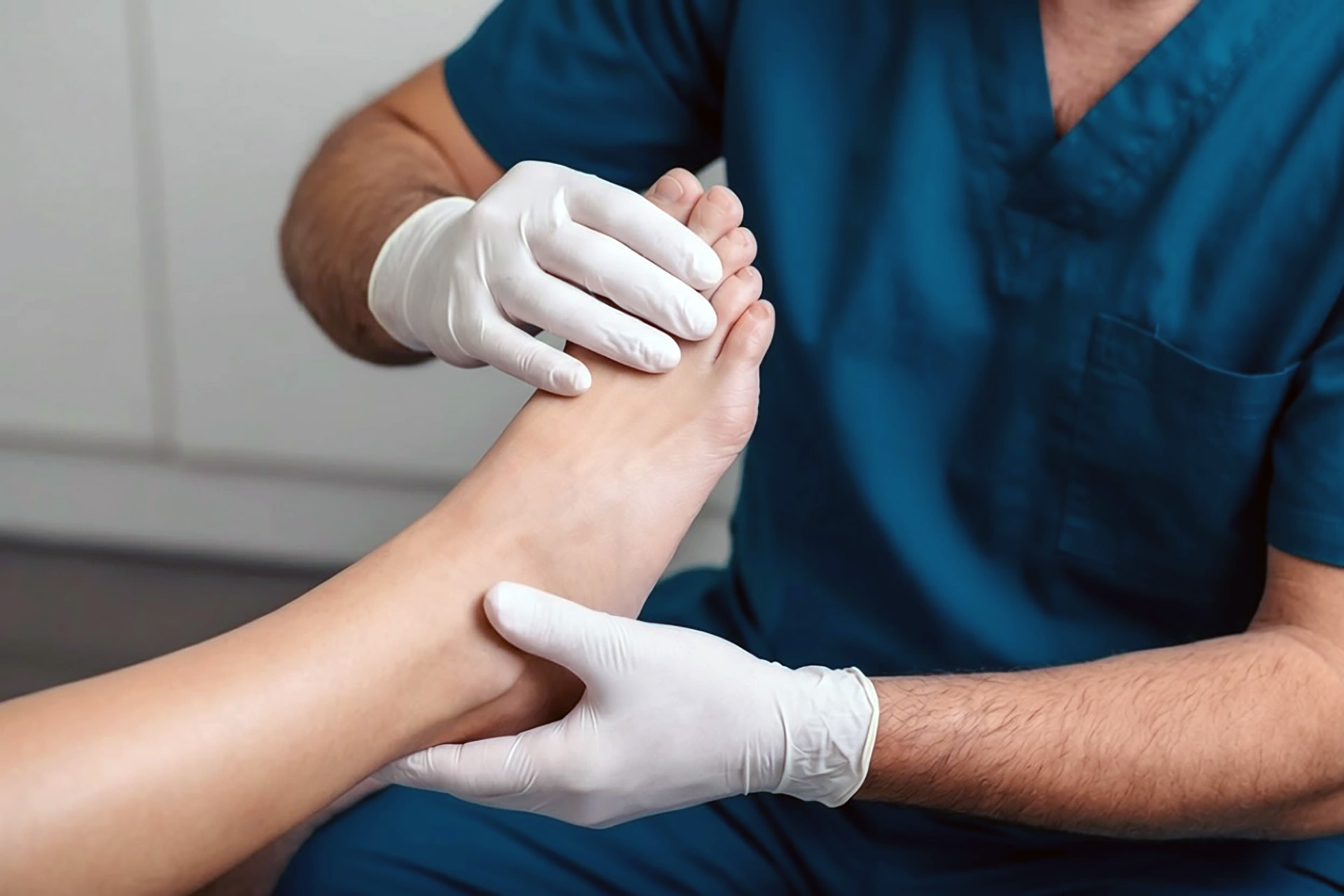
Flat feet can lead to a chain of structural and soft-tissue problems throughout the body. Each of the following can be caused by the altered biomechanics and instability of fallen arches:
| Condition | More About the Condition |
| Achilles tendonitis | Tendon overstretches due to heel-to-calf misalignment |
| Arch pain | Overstretching the plantar fascia can cause chronic soreness |
| Arthritis | Misaligned joints wear unevenly and accelerate cartilage breakdown |
| Back pain | Postural imbalance leads to tension in the spine |
| Bunions | Misalignment of the big toe joint worsens with overpronation |
| Callus formation | Excess pressure causes hard skin to form under the foot |
| Changes in walking gait | Overpronation alters step mechanics, affecting stride and efficiency |
| Difficulty standing on toes | Weak arches reduce leverage in the forefoot |
| Feet stiffness | Continuous tension in the fascia limits flexibility |
| Feet that tire easily | Continuous micro-adjustments fatigue the stabilising muscles |
| Foot fatigue | Continuous strain on unsupported feet leads to aching and heaviness, especially after walking long distances |
| Injury risk | Flat feet reduce shock absorption and increase the risk of sprains or stress fractures |
| Joint hypermobility | Weak ligament support allows excessive joint movement and instability |
| Knee, hip or back pain | Foot alignment affects joint tracking higher up the body |
| Leg cramps | Lower-leg muscles work harder to stabilise flat arches, causing fatigue and tightness |
| Leg problems | Chronic misalignment affects muscular coordination and balance |
| Muscle problems | Calf and foot muscles—especially the posterior calf muscle—overcompensate for loss of arch support, leading to strain |
| Numbness in the feet or ankles | Nerve compression may occur due to abnormal pressure distribution |
| Pain while walking | Flattened arches compromise shock absorption, making each step jarring |
| Plantar fasciitis | Chronic strain on the plantar fascia causes inflammation and heel pain |
| Posterior Tibial Tendon Dysfunction (PTTD) | The weakened tendon fails to support the arch and worsens the collapse |
| Shin splints | Overpronation stresses the shin muscles and periosteum |
| Swollen ankles | Poor alignment increases pressure on the ankles, potentially causing inflammation |
| Uneven shoe wear | Flat feet often cause the inside of shoes to wear out faster than the outside |
| Visible flattening of arches | Progressive collapse becomes visible, especially when standing |
See your podiatrist for more information on these issues.
How Are Flat Feet Diagnosed?
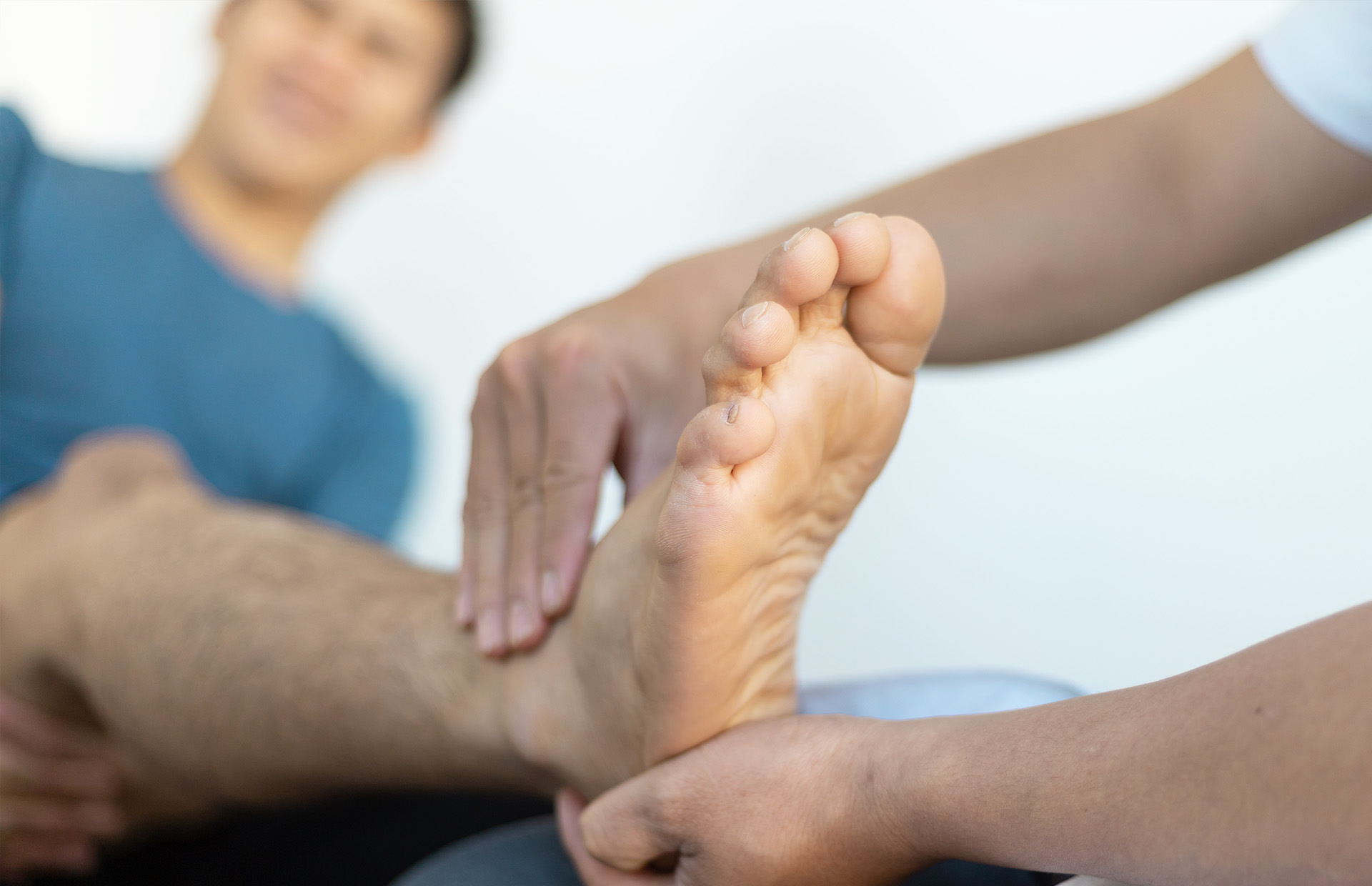
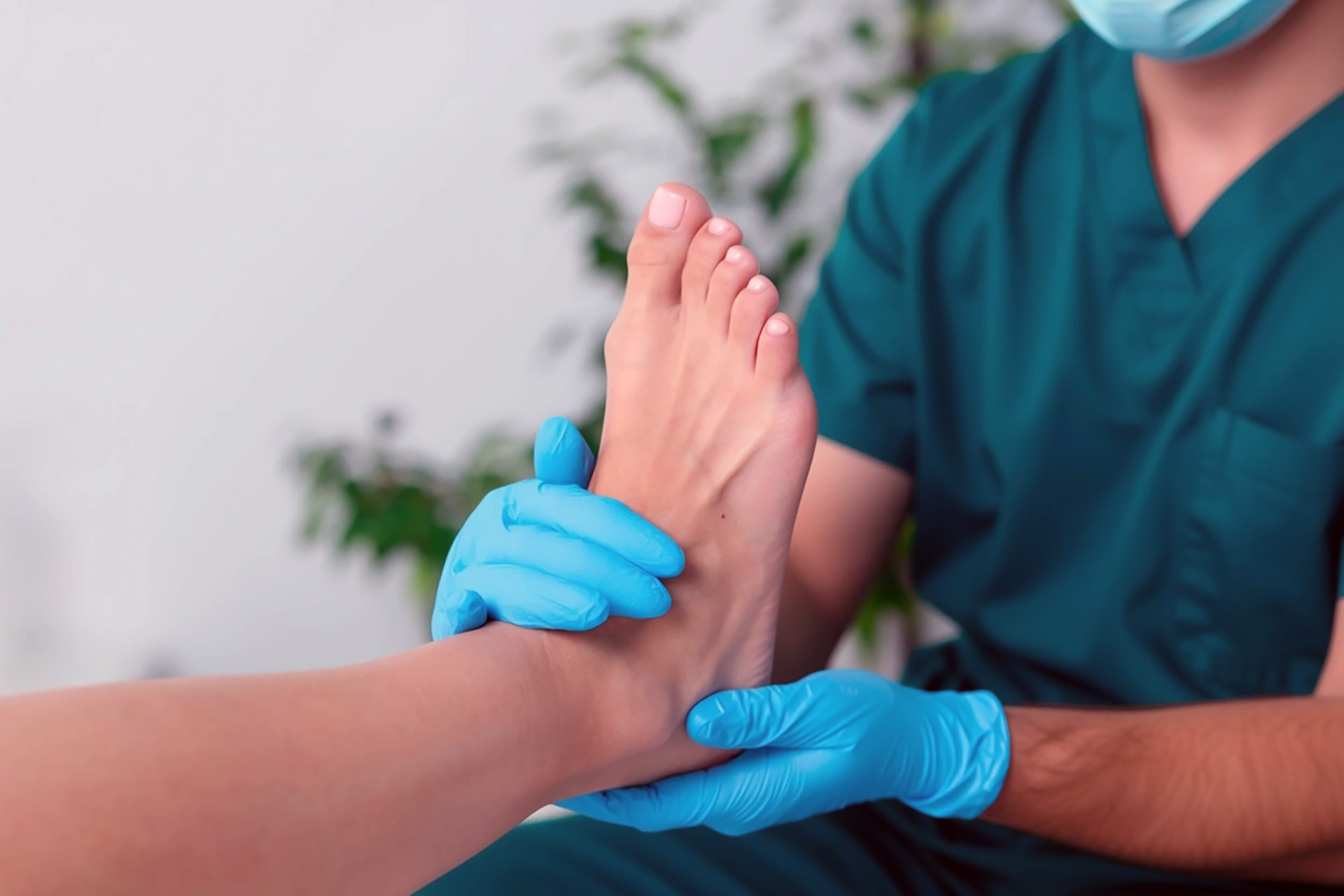
A healthcare professional diagnoses flat feet during a physical examination. During the examination, a podiatrist will assess the structure and function of the foot by palpating the foot and asking the patient to stand, walk, or stand on tiptoes to evaluate the arch and foot flexibility. The main support structure of the foot (heel and talus bone) will be examined to determine the degree of arch collapse.
In some cases, imaging tests such as X-rays or MRI scans may be required to get more information on the bones and soft tissues involved. Early treatment is key, so if you notice symptoms of flat feet, see a podiatrist. These specialists can guide you on the best course of action, whether it’s specific exercises, insoles or other interventions tailored to your needs.
Why Early Intervention Matters
Ignoring flat feet can lead to long-term biomechanical problems. What starts as occasional arch pain can become persistent ankle or knee pain. Over time, these misalignments can affect how force is transferred through the body, altering posture and potentially causing back pain.
Early intervention is key to avoiding further complications from flat feet. With modern diagnostic tools, the degree of arch collapse can be assessed and the underlying causes identified. There is no one-size-fits-all solution for flat feet. Treatment should be tailored to each individual’s condition and needs.
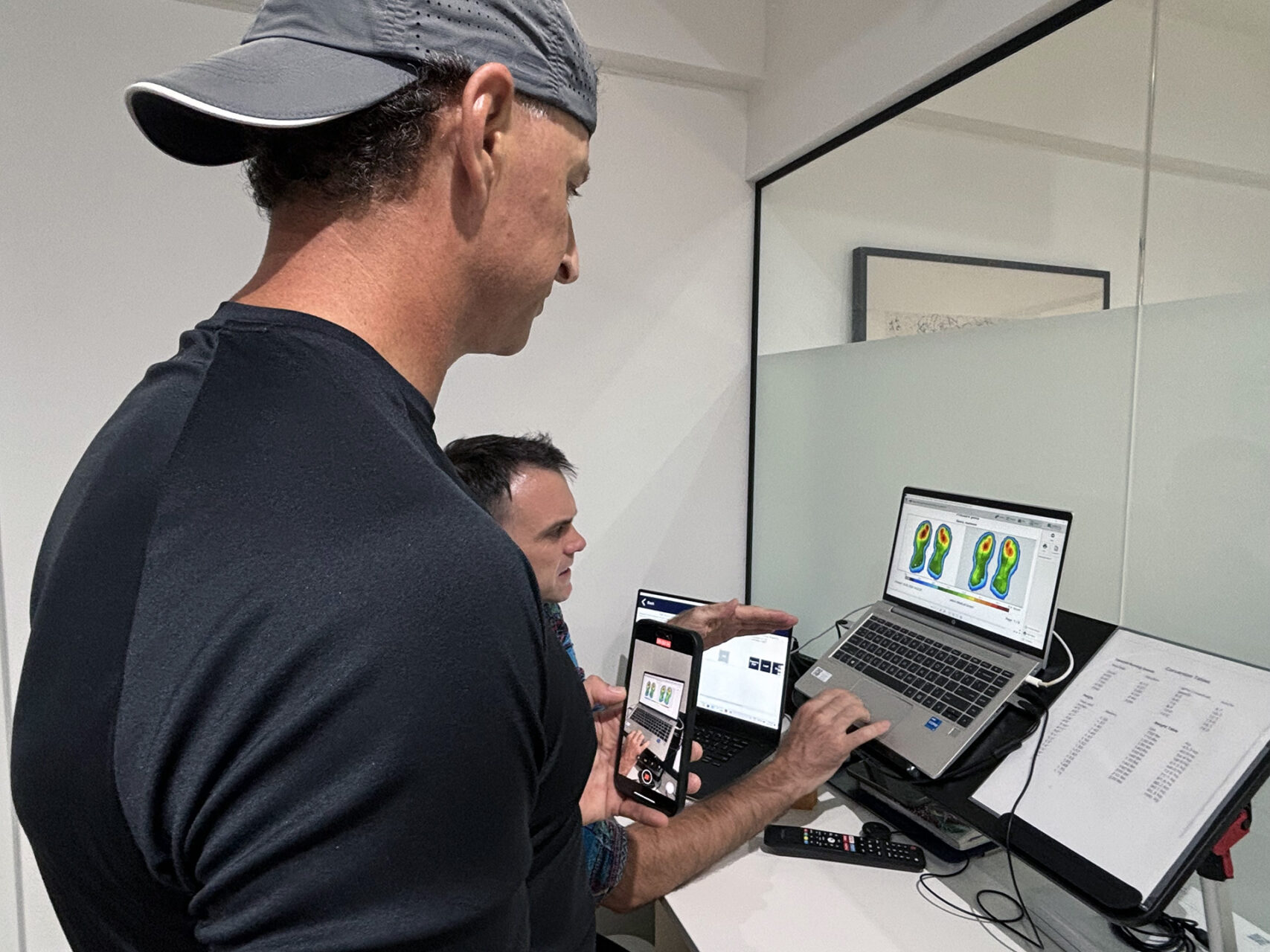
At The Foot Practice, advanced technologies like the RehaWalk® pressure sensor treadmill gait analysis capture detailed foot pressure data and gait motion to help clinicians understand how flat feet affect each stage of walking. This information guides management strategies specific to each patient’s condition, lifestyle and footwear habits.
How Podiatric Care Can Help Restore Function and Comfort
Footwear, Arch Supports and Orthotic Solutions
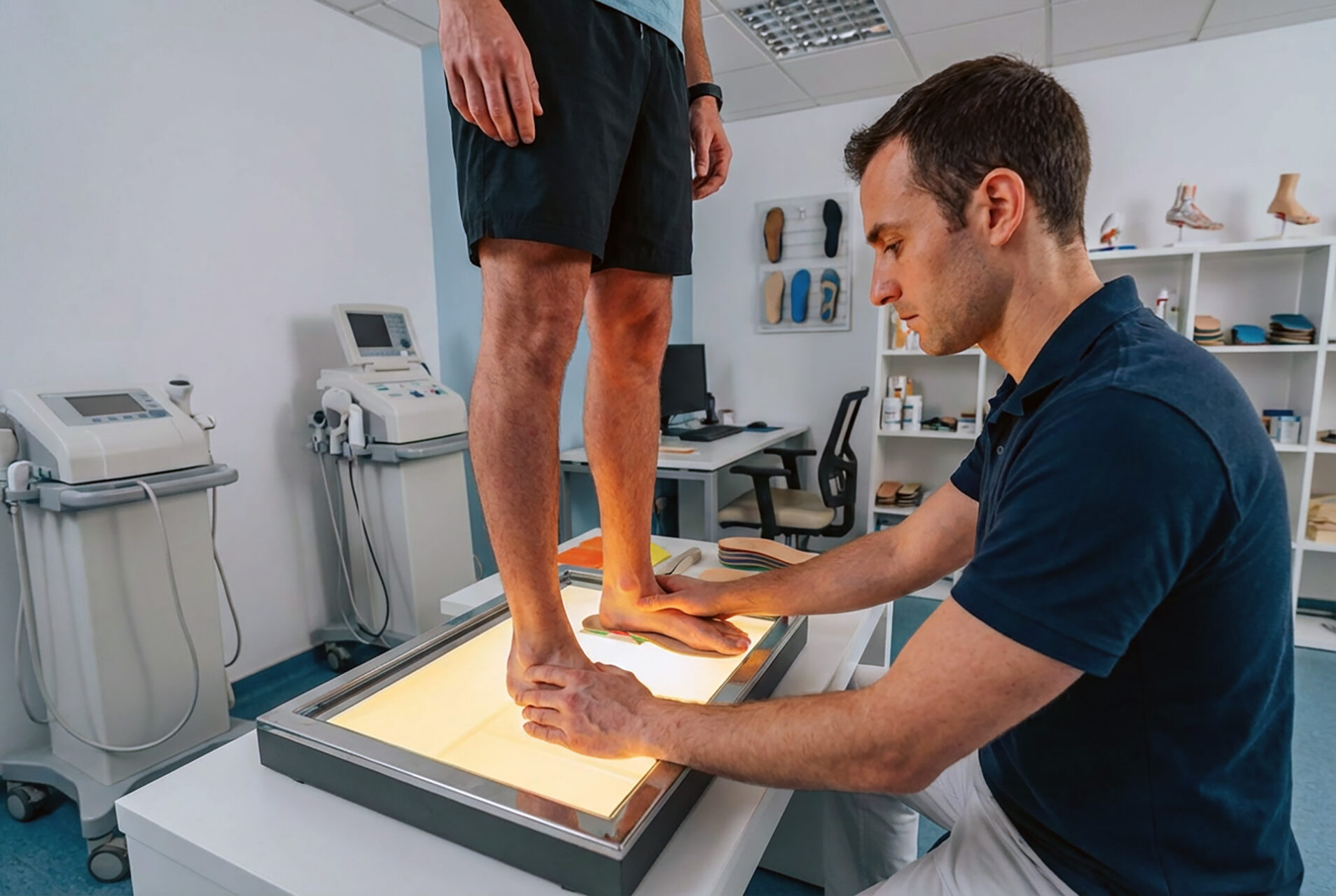
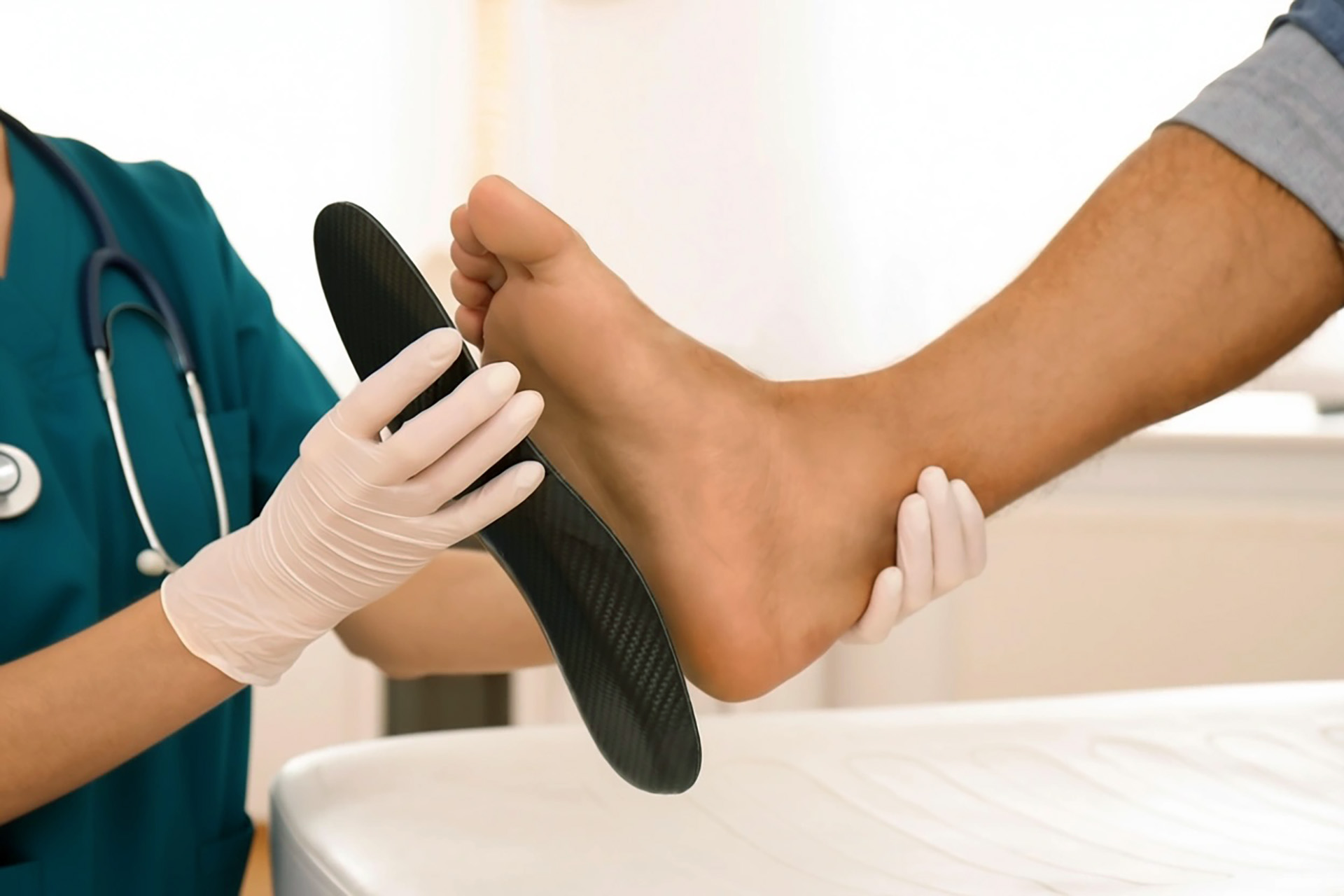
Unlike generic insoles, custom orthoses are made from digital foot scans to fit the unique shape of your feet. They provide arch support, reduce overpronation, and evenly redistribute pressure. Custom insoles for flat feet can also be designed to address other various foot and ankle deformities and improve gait stability.
For individuals who spend extended periods on their feet or wear dress shoes, custom orthoses for everyday and work footwear provide both comfort and biomechanical correction. Orthoses should be used under a podiatrist’s supervision to prevent worsening symptoms.
Footwear assessments complement orthoses to ensure shoes provide adequate arch support, cushioning and toe room. Ill-fitting or unsupportive footwear, common among city dwellers in Singapore, can worsen flat foot pain.
Manual Therapy and Exercise
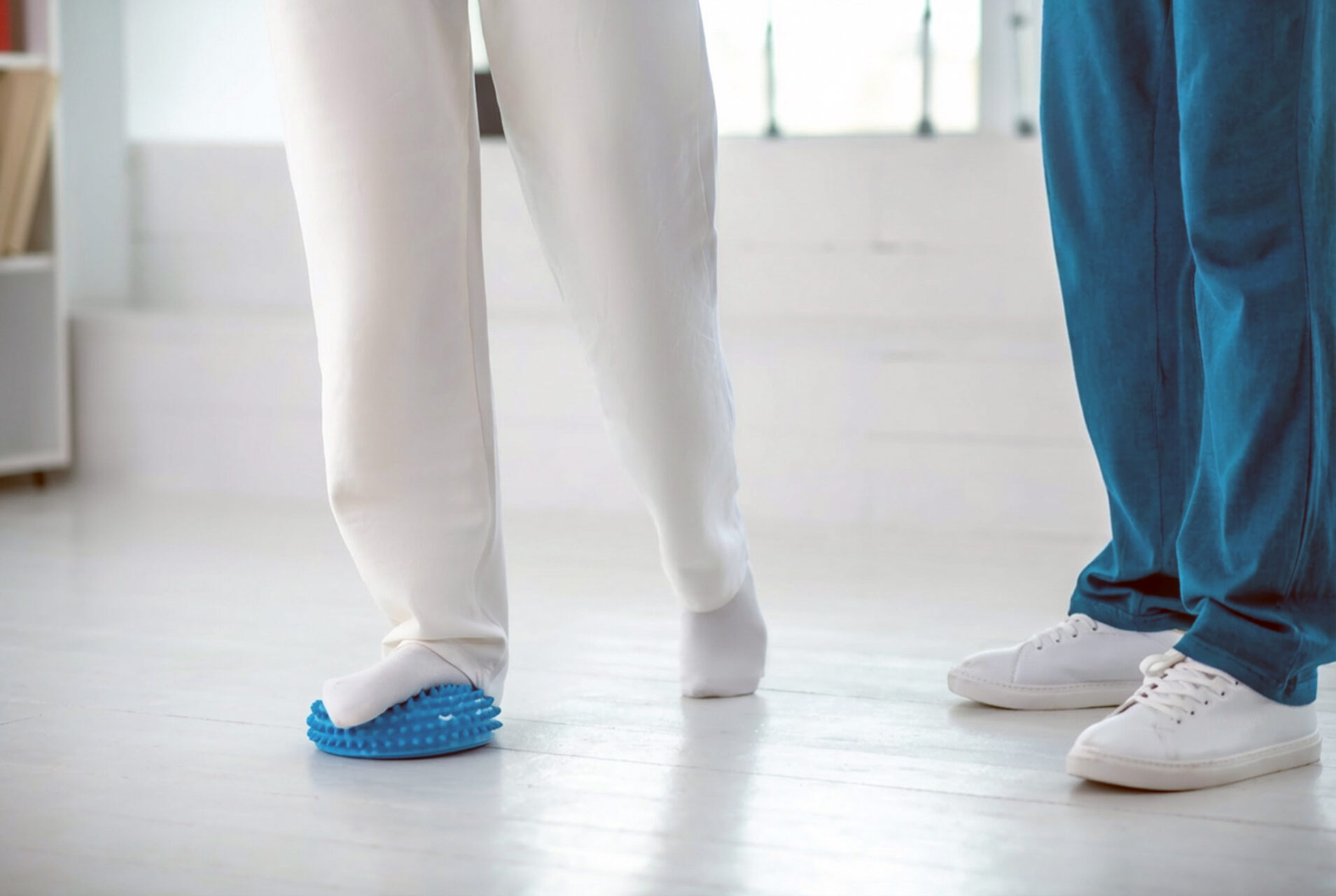
Mobilisation exercises and stretching programmes help to restore joint mobility, especially in the ankle and midfoot. Strengthening the intrinsic foot muscles naturally supports the arches. A podiatrist may guide you through calf stretches or balance training to reduce tension on the plantar fascia and Achilles tendon.
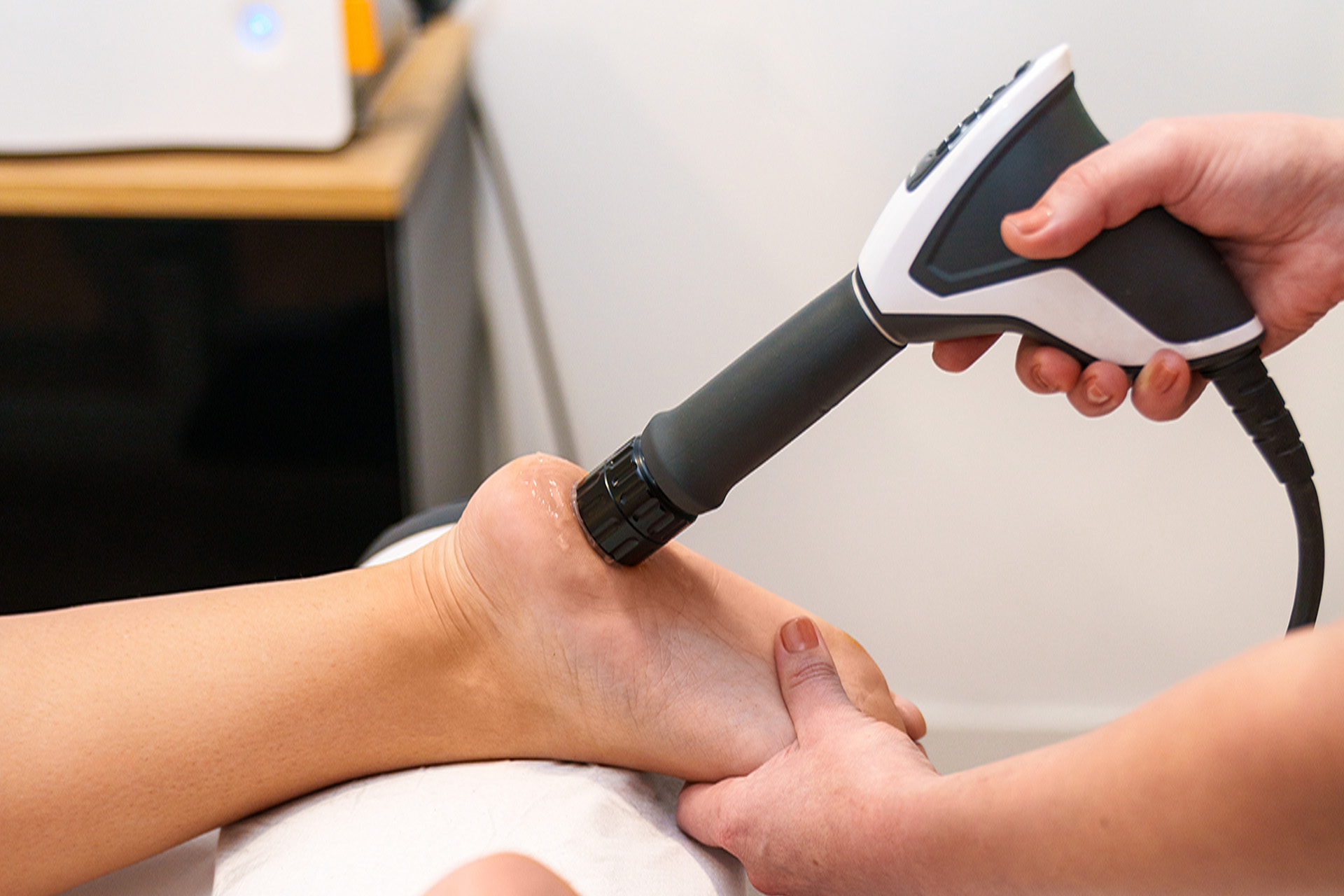
For individuals experiencing chronic inflammation or stubborn pain, Shockwave Therapy can stimulate healing in strained tendons and soft tissues. This non-invasive treatment promotes circulation and collagen regeneration, while accelerating recovery without downtime.
Long-Term Management and Prevention
Long-term recovery requires going beyond symptom management. Regular podiatric reviews ensure the orthoses continue to perform optimally and that your gait remains balanced. The combination of orthotic correction, strength-building exercises, and footwear modification can reduce recurring pain.
In Singapore, where many walk barefoot at home on tiles, additional arch support slippers or cushioned insoles can help protect the feet from further strain. For athletes, customised insoles and training shoes help maintain form during high-impact activities and reduce the risk of overuse injuries such as shin splints and Achilles tendonitis.
By addressing posture and mobility holistically, podiatric care helps to restore balance not just in the feet but throughout the entire musculoskeletal system.
Living with Flat Feet
Many people with flat feet live active, pain-free lives thanks to proper support and management. The key is to recognise early signs of discomfort and seek specialist evaluation before minor aches become chronic pain. With care, your arches can regain stability, allowing your body to move naturally again.
If you’re experiencing persistent discomfort, swelling, or imbalance due to flat feet problems, The Foot Practice offers comprehensive assessment and treatment tailored to your unique foot shape. From RehaWalk® gait analysis and Shockwave Therapy to custom orthoses and guided rehabilitation, our podiatrists work with you to restore natural foot function and prevent future complications.
Book a consultation today and take your first step towards comfort, mobility and healthier feet.