Introduction to Foot Issues
Flat feet have a low or absent arch when standing. They may be a lifelong normal variation or develop later. Many people have no symptoms, and foot shape alone does not establish the cause of knee, hip or back pain.
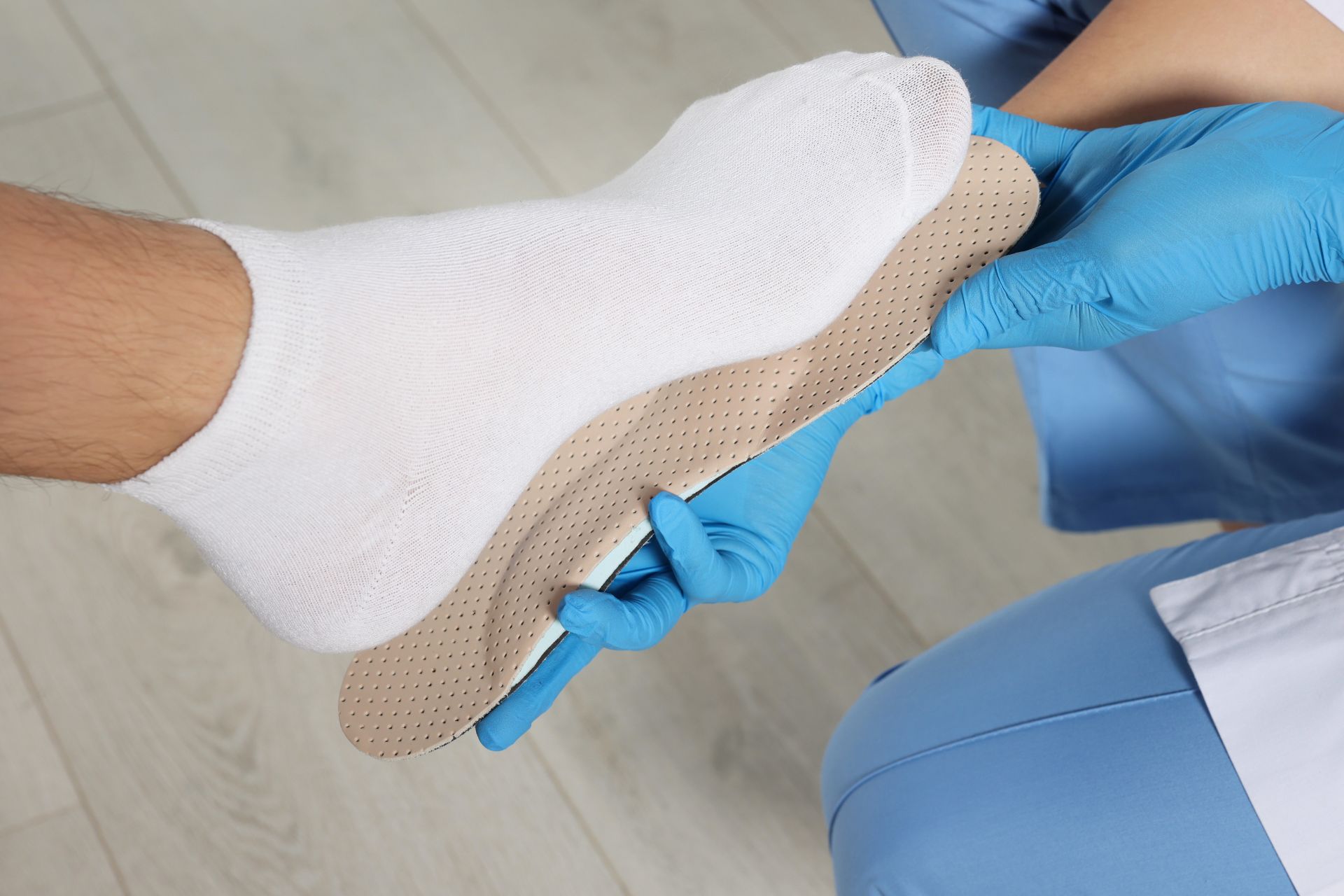
Some people with painful flat feet find insoles comfortable. By providing arch support, these insoles change loading while worn, but they do not permanently reshape the foot. Whether they are useful depends on symptoms and fit.

The Impact of Flat Feet on Overall Health
Assessment is appropriate if flat feet are painful, stiff, newly developed or affecting activity. Possible concerns include:
- Foot Pain: Pressure on ligaments and tendons can cause persistent foot pain, particularly after prolonged periods of standing or activity. Standing for long hours can exacerbate this pain.
- Pain elsewhere: Knee, hip or back symptoms need assessment in their own right rather than being automatically attributed to flat feet.
- Reduced Mobility: Flat feet can affect your gait and overall efficiency, making walking and running less comfortable.
Flat feet may be present from childhood or develop later. Comfortable shoes and insoles may help some people with symptoms, but they cannot guarantee prevention of future complications.

Benefits of Insoles for Flat Feet
An insole may support comfort and activity for some people. Possible effects include:
- Arch support: Support is provided while the insole is worn. It does not restore a permanent arch.
- Comfort and support: Insoles can change pressure under the foot and may improve comfort for some people. They do not permanently realign the foot or guarantee improved posture.
- Activity comfort: Some people find walking or standing more comfortable with an insole; others do not benefit.
- Comfort: Insoles may reduce pressure or discomfort for some people. They do not reliably correct structural deformities or prevent plantar fasciitis or bunions.
Choose support according to symptoms and comfort. Painless flat feet do not generally require an insole.

Features and Materials
When selecting insoles for flat feet, it’s essential to consider the features and materials used.
Features such as a heel cup or metatarsal pad may be useful for particular symptoms, but are not essential for every flat foot. Incorrect positioning or an overly bulky insert can create pressure.
Insoles made from durable materials, such as high-resilience polyurethane, can provide long-lasting support and comfort. These materials are designed to withstand regular use and maintain their shape over time. Additionally, consider insoles with extra cushioning, such as foam, which can help to absorb shock and provide added comfort. This is especially important for individuals who spend long hours on their feet or engage in high-impact activities.
The foot shape and size should also be considered when selecting insoles. Ensure that the insoles fit well within your shoes, whether they are dress shoes, work boots, or athletic footwear. Properly fitting insoles can make a significant difference in comfort and support, helping to alleviate pain and improve overall foot health.

Custom Orthoses vs. Over-the-Counter Insoles
Options include ready-made and custom orthoses. The appropriate choice depends on symptoms, foot shape, footwear and response to a trial, not simply the product category.
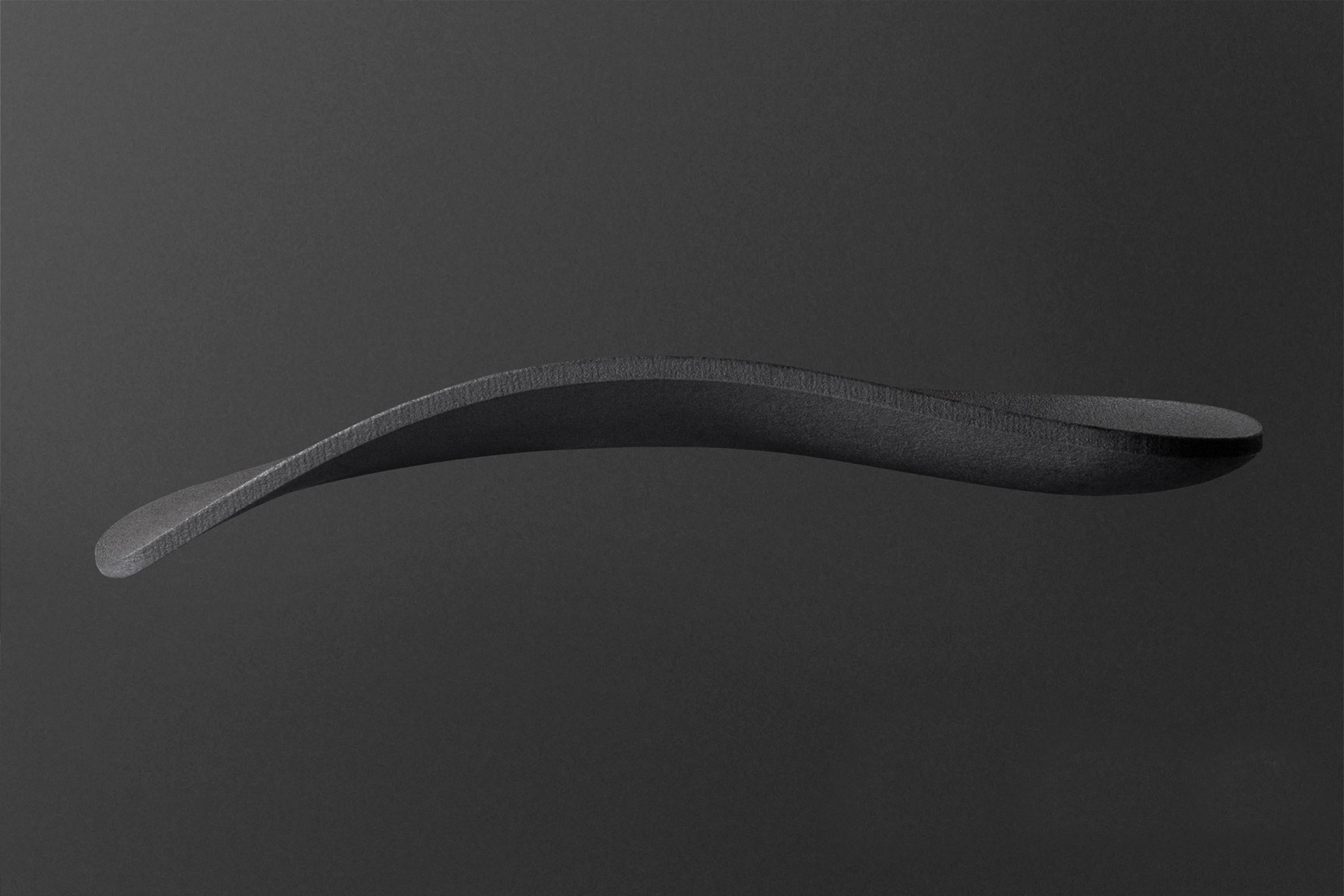
A clinician may consider custom orthoses for flat feet when a suitable ready-made option does not meet the person’s needs. Custom manufacture allows individual adjustments but does not guarantee better pain relief or correction of alignment.
Custom orthoses can be tailored to fit and pressure needs. They have not been established as the most effective option for every person with flat feet.
Insoles for Specific Activities
The insert must suit the intended footwear and activity. More cushioning or a deeper heel cup is not automatically better, particularly if it crowds the shoe.
On the other hand, insoles for everyday wear may be more focused on providing comfort and support for long periods of standing or walking. These insoles are typically designed to offer a balance of cushioning and support, making them suitable for all-day wear. Additionally, insoles for specific shoes, such as dress shoes or work boots, may also be available. These insoles are designed to fit seamlessly into various types of footwear, ensuring you receive the support you need regardless of the shoes you wear.
Try the insole in the shoes and activity for which it is intended. Its value should be judged by comfort and function, not a promise of better athletic performance.
Find Your Perfect Insole Match to Fit, Comfort, and Beyond
When evaluating whether insoles are right for your flat feet, our podiatry team looks at:
Fit
The Foot Practice prioritises insoles crafted to accommodate flat arches, ensuring they support this specific condition. Our selection includes insoles available in precise shoe sizes for an exact fit, as well as those designed for a range of shoe sizes. Additionally, we consider insoles that require customisation, typically oversized, and come with a sizing guide and tracing patterns. These patterns indicate where to cut to tailor the insole perfectly to your shoe and foot shape, addressing the unique needs of those with flat feet. Evaluating key features such as these is crucial when selecting the most suitable insoles.
Comfort
Trial the insoles in their intended shoes. Stop and seek advice if they cause pain, rubbing or numbness. Follow the recommended introduction schedule rather than walking for long periods with an insert in only one shoe.
Material Sensitivities
To avoid adverse reactions, it’s essential to scrutinise the insoles’ material composition. Recognising that some individuals may have allergies or sensitivities to materials commonly used in insoles, such as latex or certain types of foam, is crucial, especially for those with flat feet who may need to use insoles continuously. For individuals with known sensitivities, selecting insoles made from hypoallergenic materials or seeking guidance from a healthcare professional to determine the most suitable option is essential.
Support and stability
The amount and position of support should suit the individual. An insole can alter loading, but it does not reliably correct overall posture or prevent further foot conditions.
The aim is a comfortable fit and useful symptom response, with adjustments if needed.
Insole Maintenance and Care
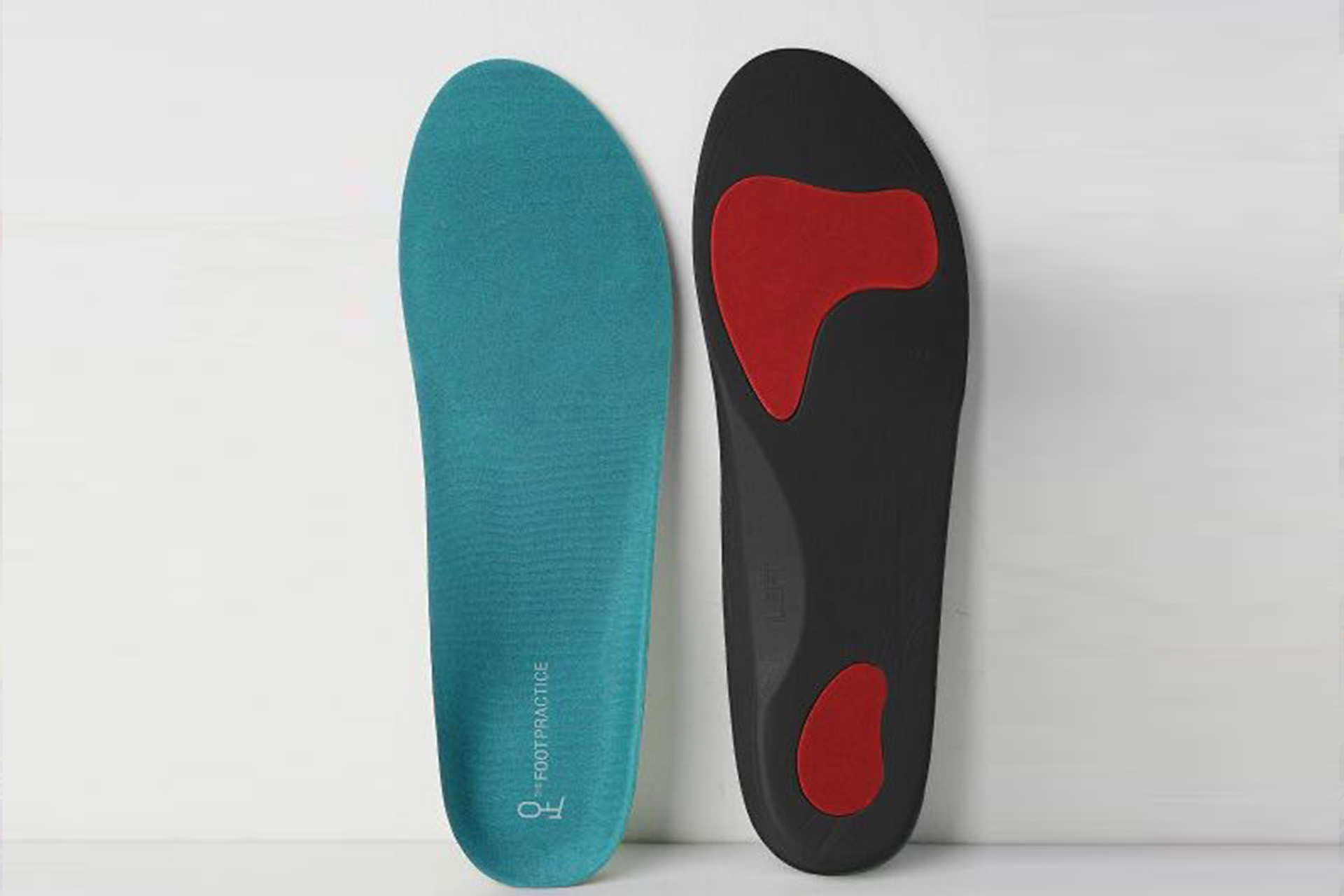
Follow the manufacturer’s cleaning instructions, as materials differ. Allow inserts to dry as directed and avoid high heat; some should not be soaked or scrubbed.
It’s also important to replace insoles periodically, as they can wear out over time. The frequency of replacement will depend on the level of use and the type of activities you engage in. For example, insoles used for high-impact activities may need to be replaced more frequently than those used for everyday wear and tear.
Additionally, consider the type of shoes the insoles are used in and the activities they are used for, as these factors can affect their lifespan. By following these tips, insoles can provide long-lasting support and comfort for individuals with flat feet, helping to alleviate pain and discomfort and promote overall foot health. Regular visits to a podiatrist can also help to address specific biomechanical issues and provide targeted support and relief.

How The Foot Practice Can Help
At The Foot Practice, we specialise in designing tailored solutions for individuals with flat feet. Here’s how our comprehensive approach sets us apart:
Our team conducts a detailed assessment of your footwear to determine whether it contributes to your discomfort. Wearing the wrong shoes can exacerbate flatfoot problems, so we guide you in selecting the right footwear for your lifestyle.
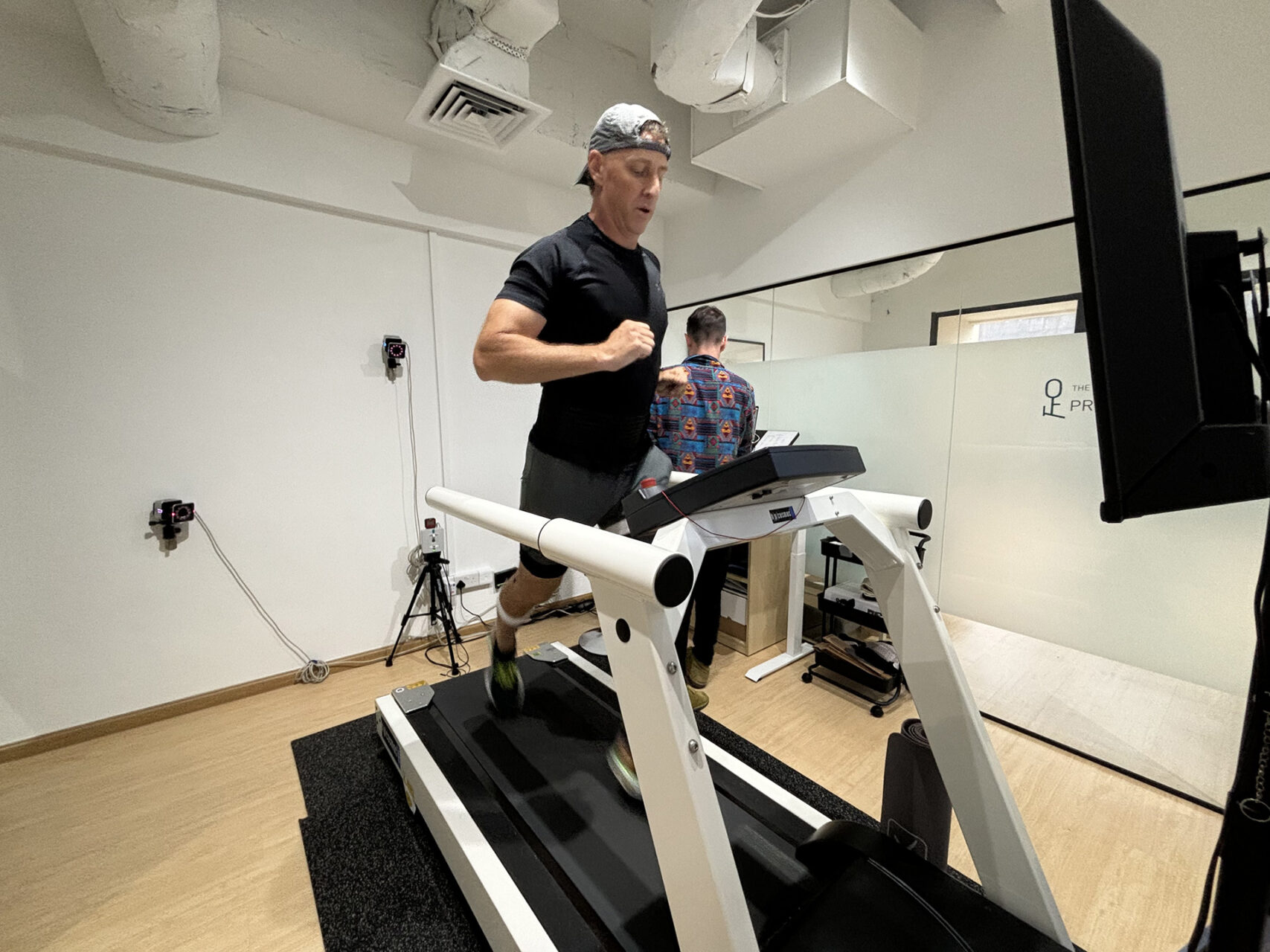
Pressure measurements may provide information alongside a foot assessment. A clinician can discuss whether an insole is appropriate; measurements alone cannot guarantee the most effective support or pain relief.
An assessment helps determine whether an insole is appropriate and which design to trial. Custom manufacture is not a guarantee of superior comfort or long-term benefit.
Measurements inform design, but the finished device still needs a fit and comfort check. Review is useful if symptoms persist or the insert causes new pressure.
The Foot Practice provides footwear advice and insole assessment for symptomatic flat feet.
Arrange an assessment if foot pain is affecting your activities or your arch shape has changed.