

What You Need to Know About Tibia Pain
If you’re a runner, you may know this feeling: a dull ache that starts in your shin during your cool down and worsens throughout the day. Or maybe the sharp, stabbing pain forces you to cut your long run short. Either way, tibia bone pain after running is more than just a nuisance; it’s a sign that something in your running ecosystem needs attention.
Shin pain can have several causes, including bone stress injury. Persistent or focal pain, pain at rest or difficulty bearing weight needs medical assessment.
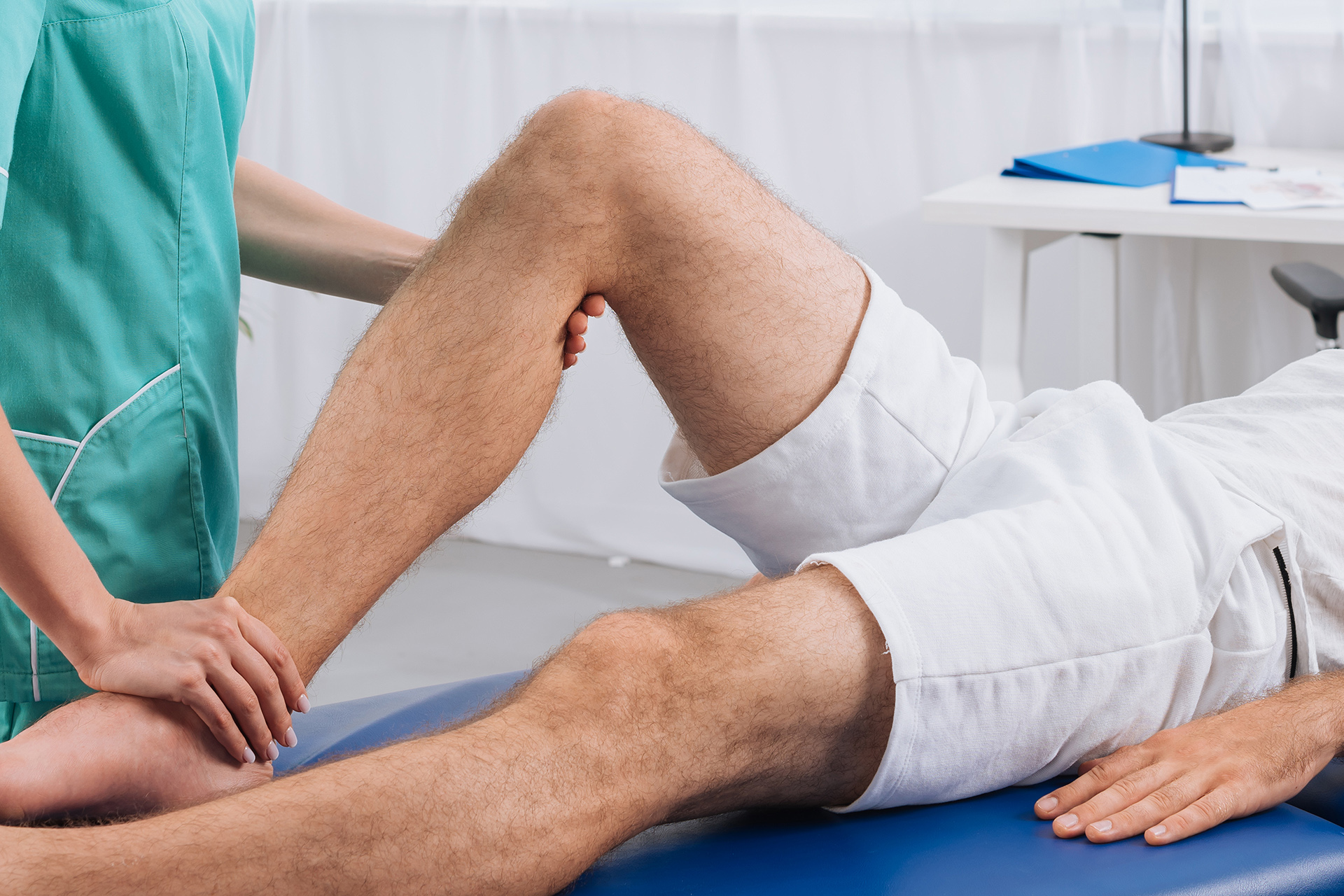
What are Shin Splints?
Shin splints, medically known as the medial tibial stress syndrome, are a common problem among athletes and active individuals. This condition manifests as pain along the inner edge of the shinbone (tibia) and is associated with repetitive loading of the tibia and surrounding tissues, rather than simply muscle inflammation. While often associated with running, shin splints can also affect anyone involved in high-impact activities such as dancing, gymnastics and military training. The repetitive stress from these activities can cause microtrauma in the bone tissue, resulting in characteristic tibia bone pain.
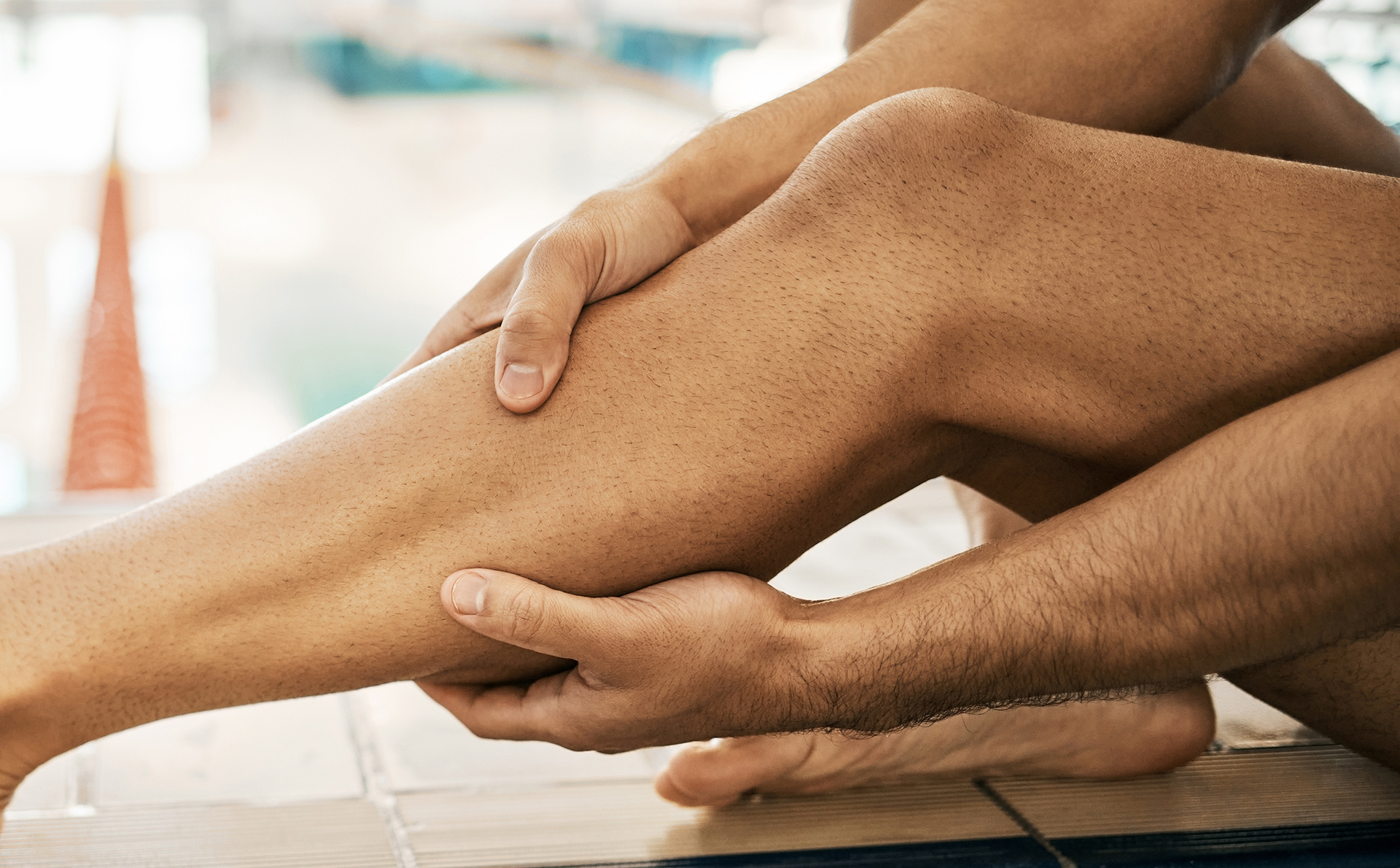
Causes of Shin Pain
Shin pain has several possible causes. A clinician can consider training changes, symptoms and footwear without assuming that any one factor explains the pain.
Shin pain has several possible contributors. Flat feet alone do not establish the cause, and sudden changes in training load can also be relevant.

Symptoms and Diagnosis
The hallmark symptom of shin splints is pain along the inner border of the tibia, which can vary from a dull ache to a sharp, intense pain. This pain can be constant or intermittent and often gets worse with physical activity. Mild swelling in the affected area is also common, though it may be hard to notice along the calf.
A clinician assesses symptoms, training and examination findings. A doctor may arrange imaging if a bone stress injury or another condition is suspected; pain pattern alone cannot rule out a fracture.
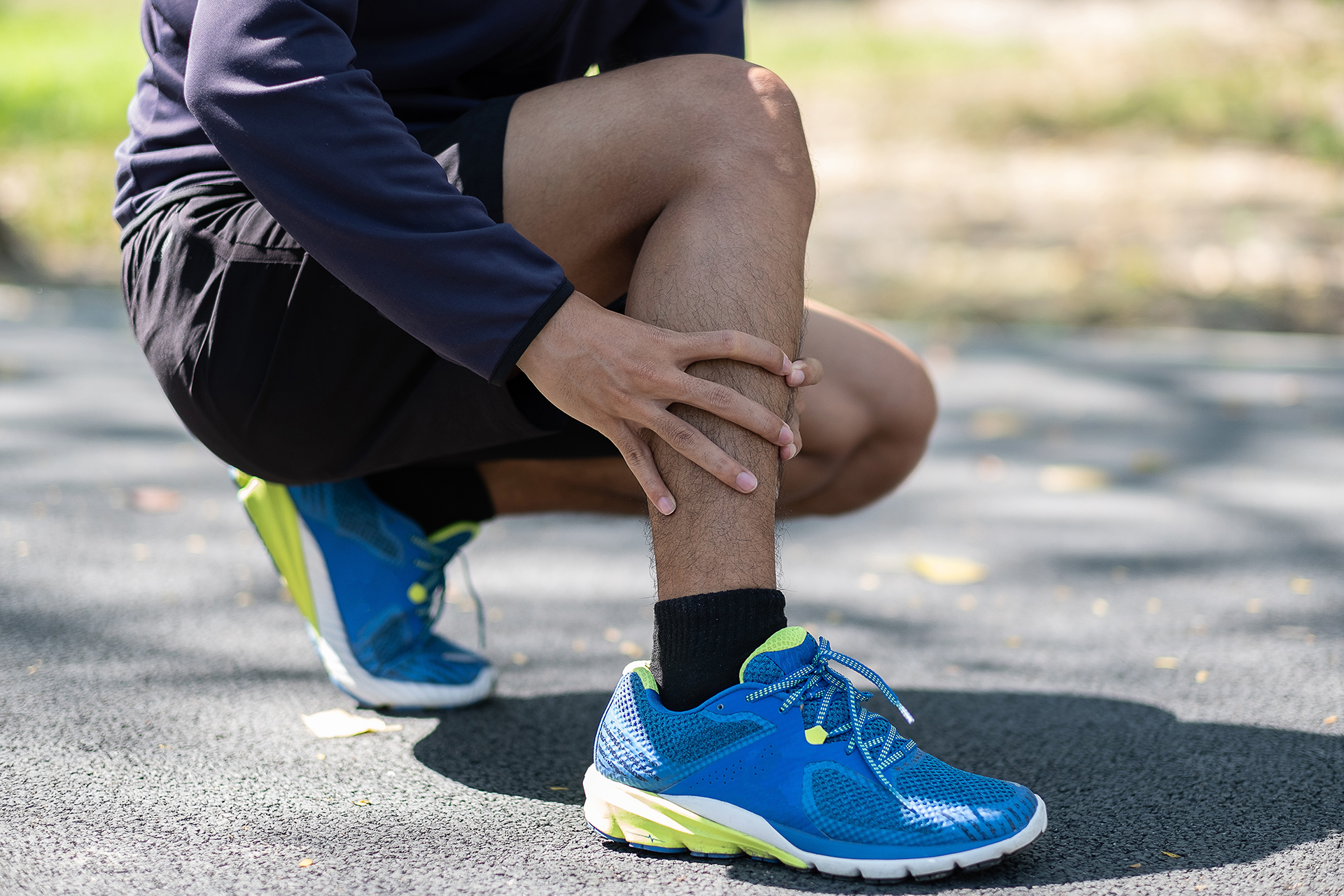
The Biomechanics of Why Your Tibias Hurt
The tibia or shinbone is the larger of the two bones in your lower leg and is a major weight-bearing bone during running. Pain in the tibia bone after running is usually due to excessive stress on this bone and surrounding tissues. It often manifests as lower leg pain, a common symptom of shin splints.
Several factors can contribute to this stress:
- Your running gait may distribute weight unevenly, putting more pressure on specific areas of the tibia.
- Foot movement is one observation a clinician may consider; it does not by itself establish the cause of shin pain.
- Running surfaces matter more than you realise. Changes in running surface may alter loading; surface hardness alone does not establish the cause of shin pain.
- Sudden increases in training volume or intensity can also overwhelm your body’s natural adaptation process and lead to inflammation and pain.
- Foot posture is one part of the assessment. A high or low arch does not by itself explain shin pain or determine the need for insoles.
A clinician may discuss exercises and activity changes suited to the diagnosis. No exercise guarantees prevention of shin pain.

When to See a Podiatrist
Persistent shin pain, swelling or difficulty walking deserves assessment. A clinician can consider whether medical investigation for a bone stress injury or another cause is needed.
Seek urgent medical assessment for severe pain or inability to bear weight. Persistent or focal shin pain, including pain at rest, also needs assessment because a bone stress injury may be present.
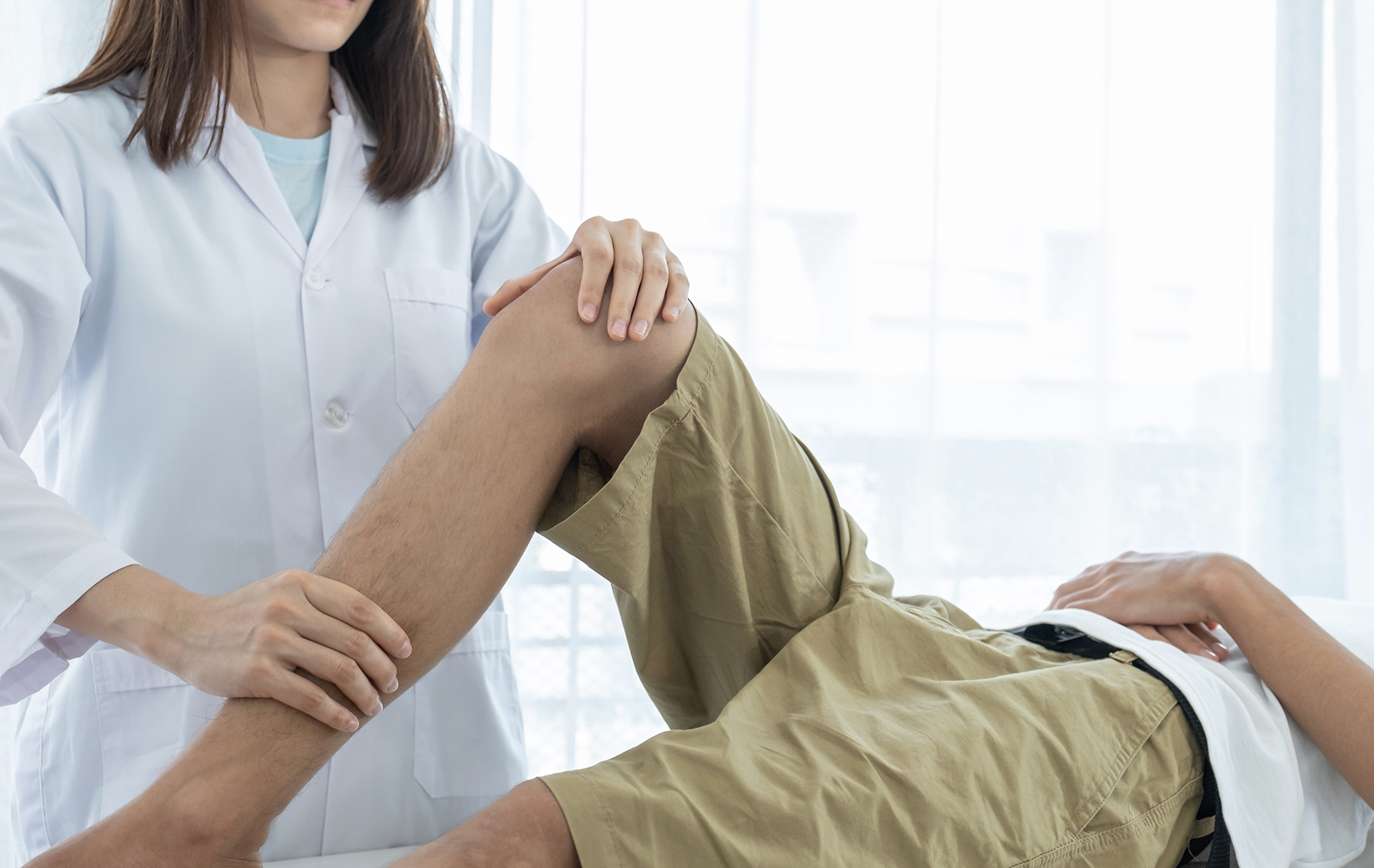
Specialised Podiatric Interventions for Runners
A healthcare professional can assess persistent shin pain and discuss whether further medical investigation is needed.
Assessment considers symptoms, activity, examination and other possible causes. Treatment depends on the diagnosis and response.
A return-to-activity plan should reflect the diagnosis and symptoms. No approach guarantees that tibia pain will not return.
Integrated Podiatric Solutions for Shin Splints
Shin pain has several possible causes. A clinician can assess symptoms and training load and discuss an individual return-to-activity plan; no exercise or footwear strategy prevents every recurrence.
- Footwear: A clinician may discuss fit and comfort as part of an assessment. Footwear alone cannot establish the cause of shin pain or guarantee relief.
- Targeted mobilisation exercises: Podiatrists also prescribe targeted mobilisation exercises for the ankle, foot and lower leg, along with proper footwear. These may include ankle circles, calf stretches, and toe yoga to improve flexibility and strengthening exercises for the tibialis muscles to support the tibia during running. Exercises should match the diagnosis and symptoms, with gradual progression. They cannot guarantee prevention of further injury.
- Insoles: An insole may be considered for comfort when appropriate. It does not reliably correct foot structure, redistribute force in a precise way or prevent a tibial stress injury.
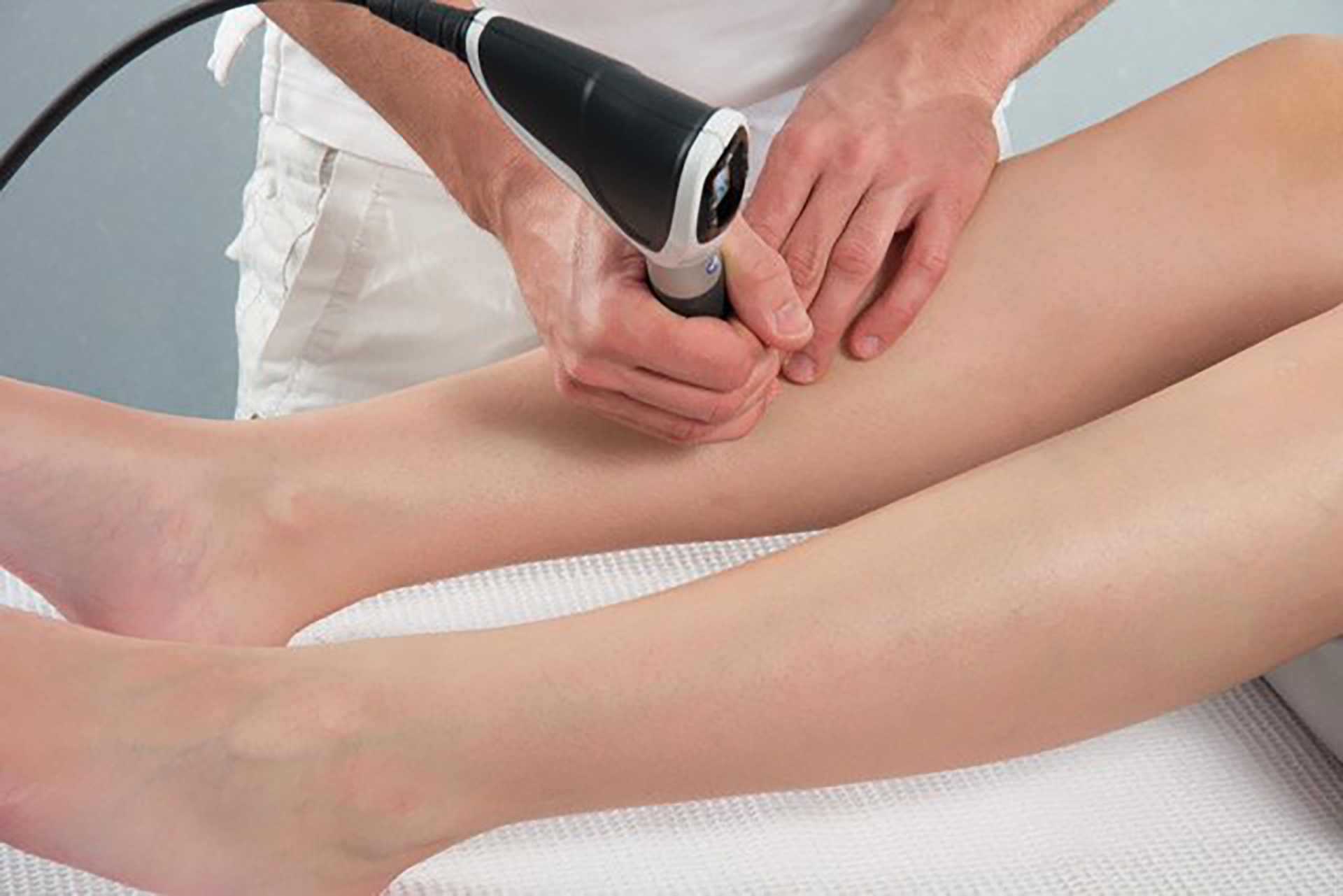
- Shockwave Therapy: Evidence for shockwave therapy in shin pain is limited. Persistent or focal tibial pain needs assessment to identify its cause, including whether a bone stress injury may be present.
RehaWalk® Assessment of Foot Loading
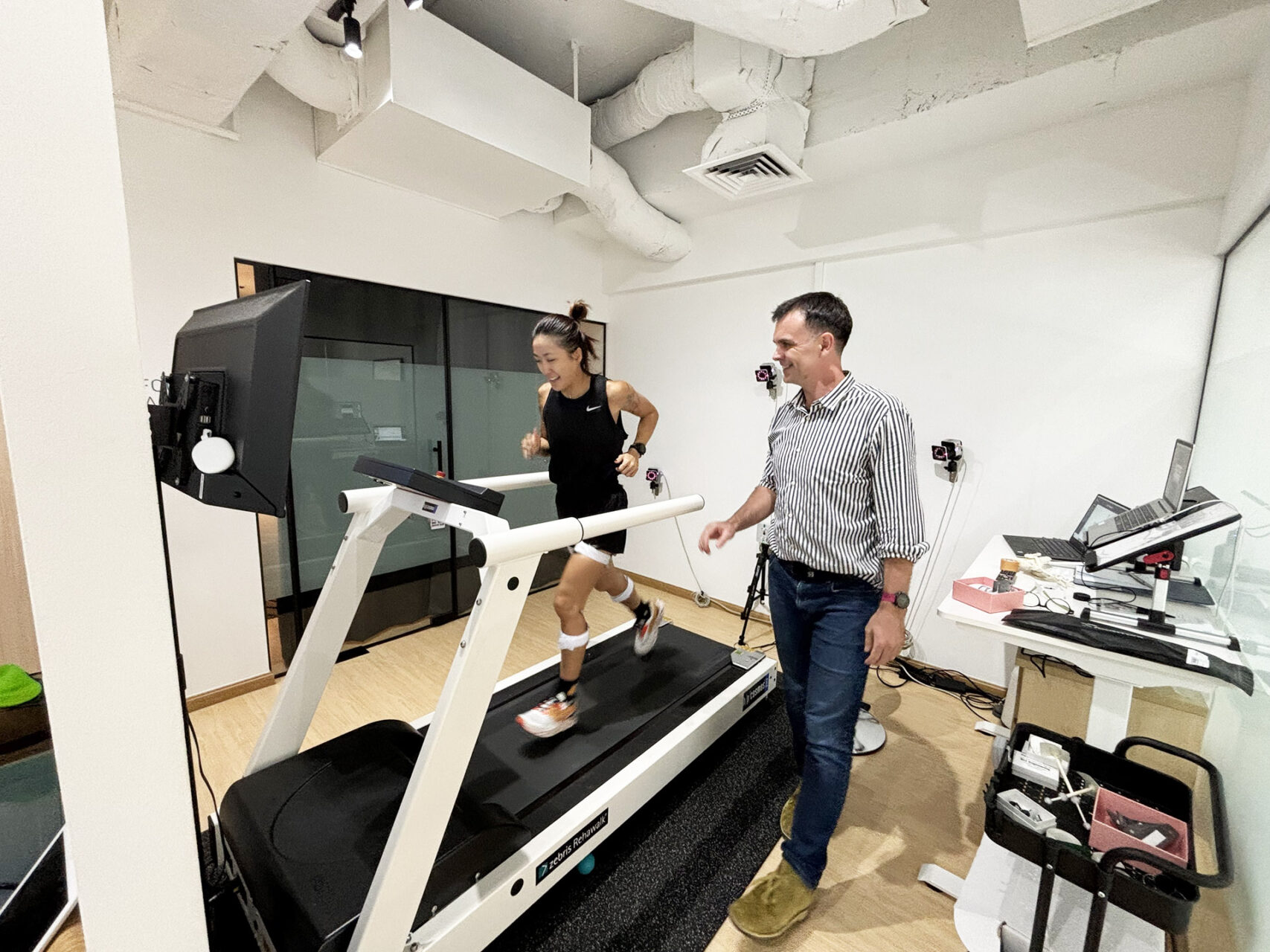
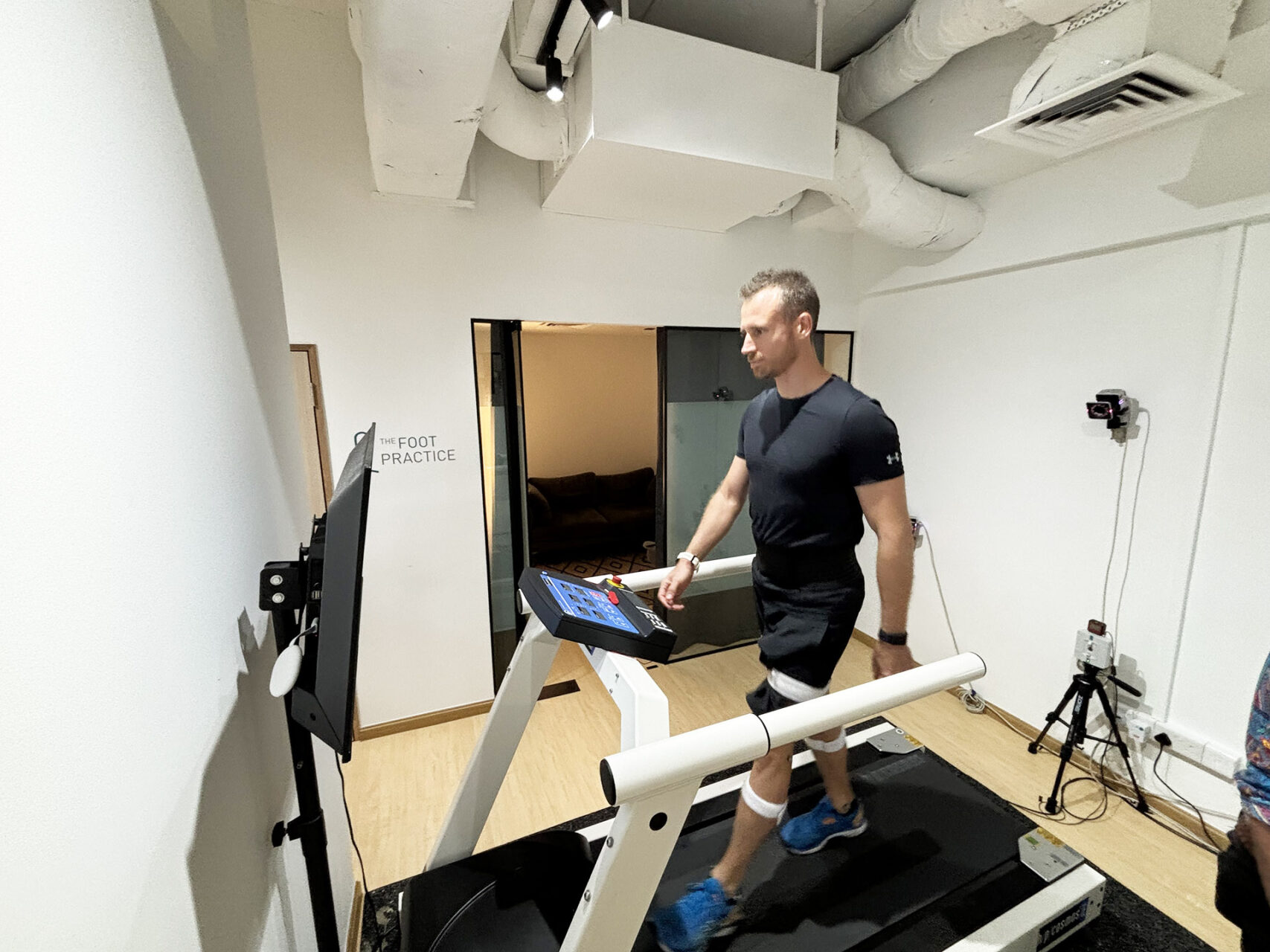
A pressure-sensing treadmill can provide information about foot loading while walking or running. These measurements are considered with symptoms, activity and examination; they cannot by themselves identify the cause of shin pain.
Pressure measurements show how loading changes during the recorded activity. They complement, rather than replace, clinical examination and any imaging needed to investigate bone injury.
Shin pain can have several causes, including bone stress injury and exertional compartment problems. A pressure measurement does not independently establish the diagnosis; persistent or worsening pain needs assessment.
Integrating Podiatric Care into Your Running Journey to Get Rid of Lower Leg Pain
Persistent or focal shin pain deserves assessment, particularly if it occurs at rest or affects weight-bearing. A clinician can discuss the diagnosis and a suitable return to activity.
Persistent or focal shin pain needs medical assessment because a bone stress injury or another condition may be present. Imaging may be needed when a clinician suspects a stress fracture.
If you’re experiencing tibia bone pain after running, book an appointment with one of our podiatrists at The Foot Practice today.