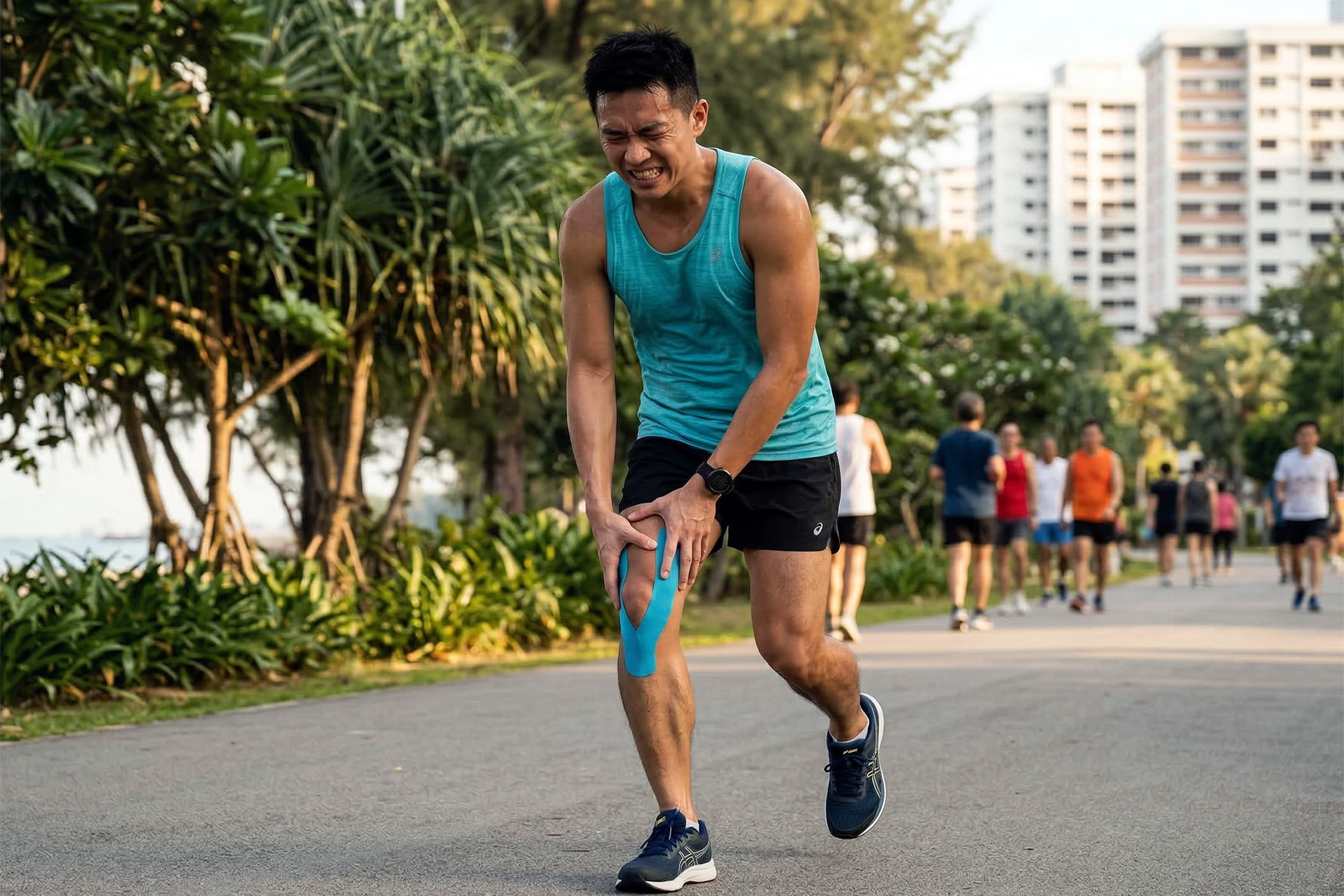

Osgood-Schlatter Disease (OSD) is a common issue in kids and teens, especially during puberty’s growth spurts. It’s marked by pain and swelling right below the knee, where the thigh muscle connects to the shinbone. This condition usually results from repeated stress on the legs, often exacerbated by activities that involve heavy leg use, such as running or jumping. This stress can lead to inflammation and discomfort by pulling on the growth plate at the top of the shinbone, which is still developing in children and teens.
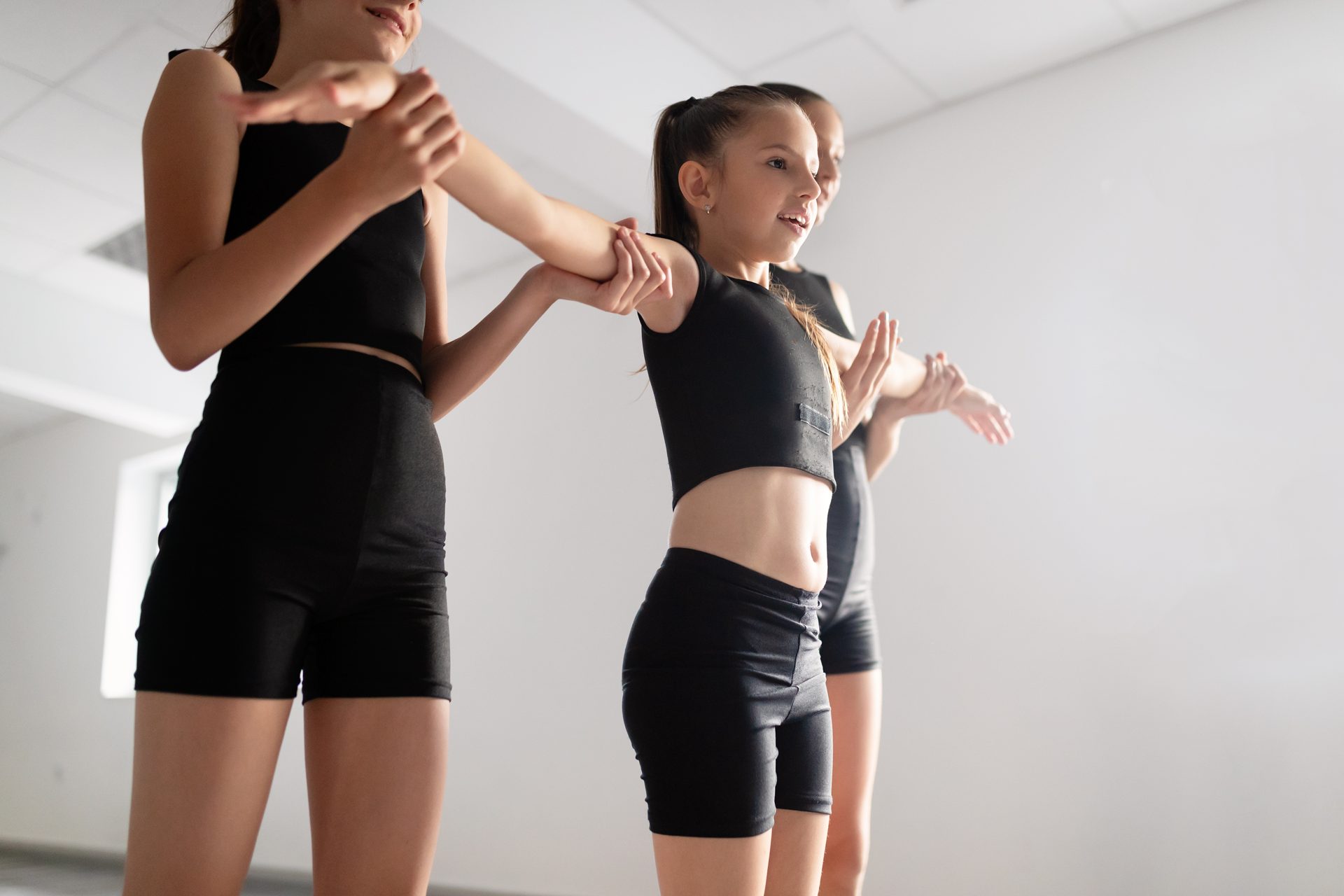
Understanding and Identifying Osgood-Schlatter Disease
Kids with Osgood-Schlatter often complain of knee pain that gets worse with sports and activities. A check-up might show swelling and tenderness in the area below the knee. While a paediatric podiatrist can usually diagnose the disease based on symptoms and a physical exam, an X-ray may be needed to rule out other knee problems.
Several lesser-known aspects of this condition also warrant attention.
While many associate OSD with pain in one knee, up to 30% of cases involve both knees. This bilateral occurrence can significantly impact a child’s mobility and participation in physical activities. The duration of the disease can vary widely among children.
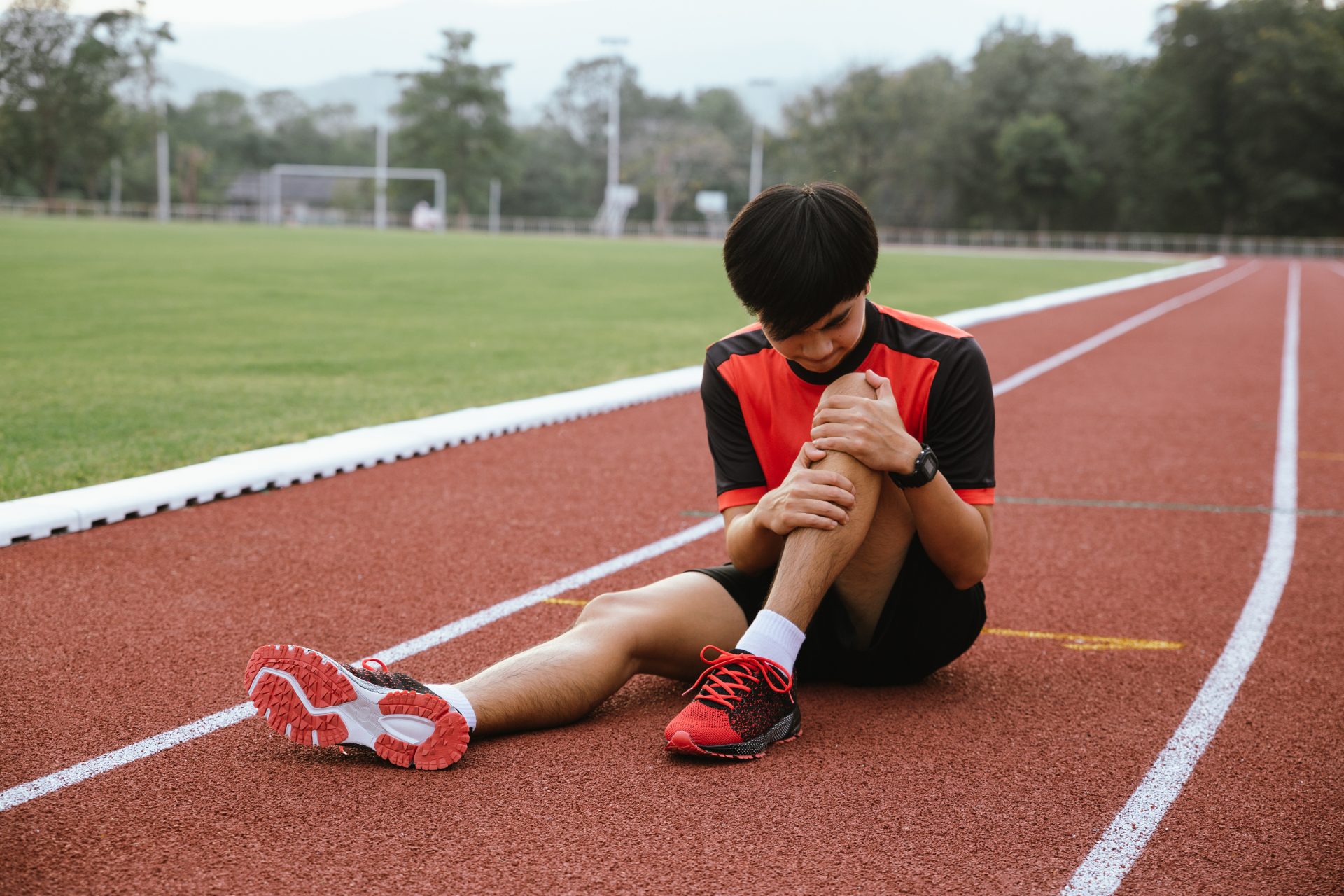
Some kids may experience symptoms for a few months, while others may have recurring pain for several years until the growth plates fully mature. Although the condition typically resolves without long-term complications, some children may experience tenderness at the tibial tuberosity or develop a prominent bump that persists into adulthood. This can occasionally lead to discomfort when kneeling.
Rare complications, such as developing a bursa (a fluid-filled sac) over the tibial tuberosity, may become infected or require surgical intervention if they become too large or painful. Children with the condition often have tighter hamstrings and quadriceps muscles. This tightness contributes to the condition’s development and can complicate recovery without proper stretching and strengthening exercises.
Rarely, a bursa, or fluid-filled sac, may form over the tibial tuberosity, requiring surgical removal if it becomes infected, becomes overly large, or causes significant pain. Tightness in the hamstring and quadriceps muscles is common among children with this condition, contributing to its onset and complicating recovery. Effective management typically includes targeted stretching and strengthening exercises to alleviate muscle tightness and support healing.
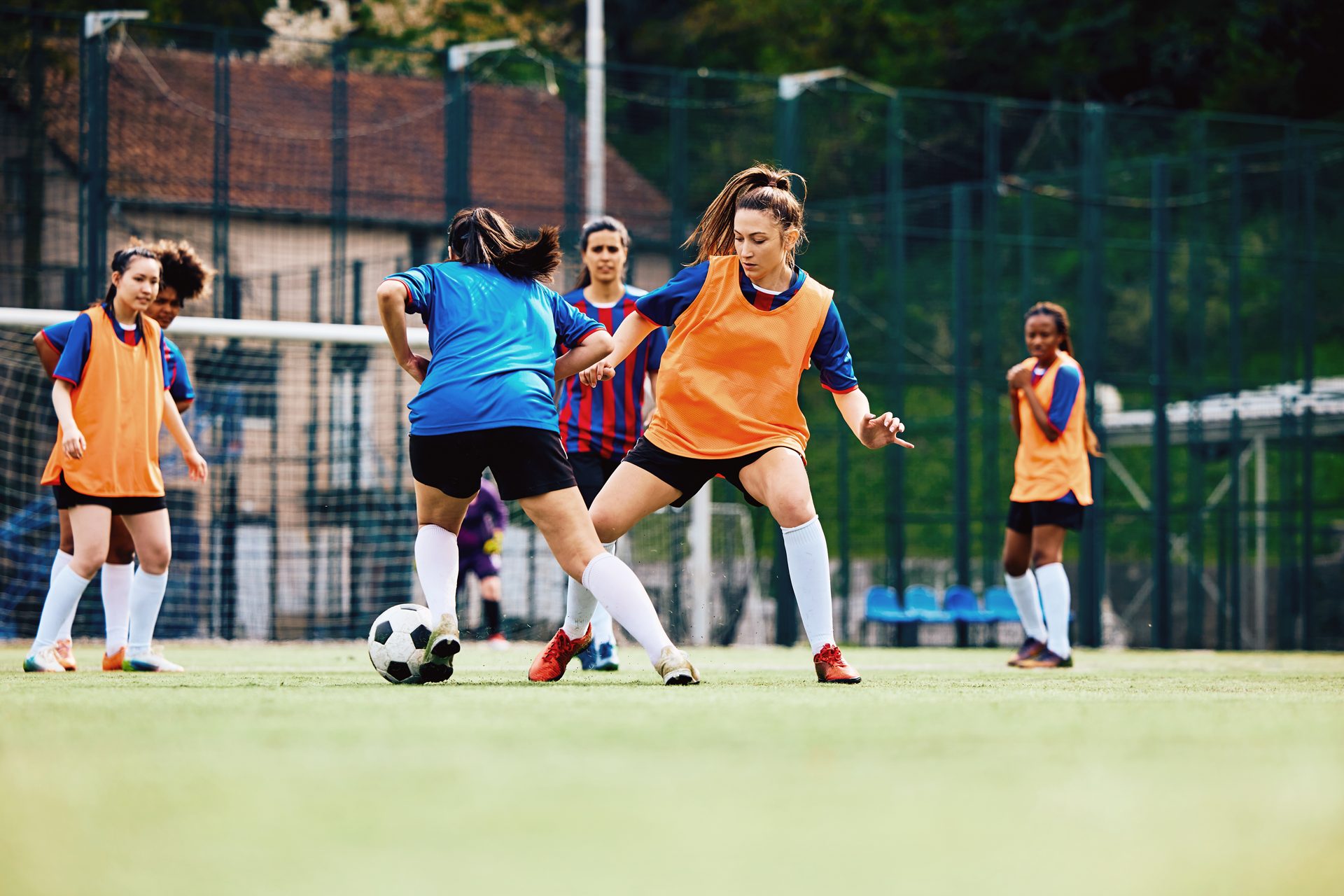
While OSD is common in both boys and girls, the age of onset varies due to differences in the timing of growth spurts. Boys typically develop the condition around ages 13 to 14, while girls experience it earlier, around 10 to 11, reflecting their earlier growth spurt.
Understanding these lesser-known facets of Osgood-Schlatter Disease can provide a more comprehensive approach to managing this condition. It emphasises the importance of individualised treatment plans that address the disease’s physical and psychological aspects.
Management of Osgood-Schlatter through Podiatry
Podiatric care for Osgood-Schlatter Disease aims to ease a child’s discomfort and support their active lifestyles. Management of the condition focuses on symptom relief and proper leg growth, often involving activity modification and targeted exercises to reduce knee stress and support healing.

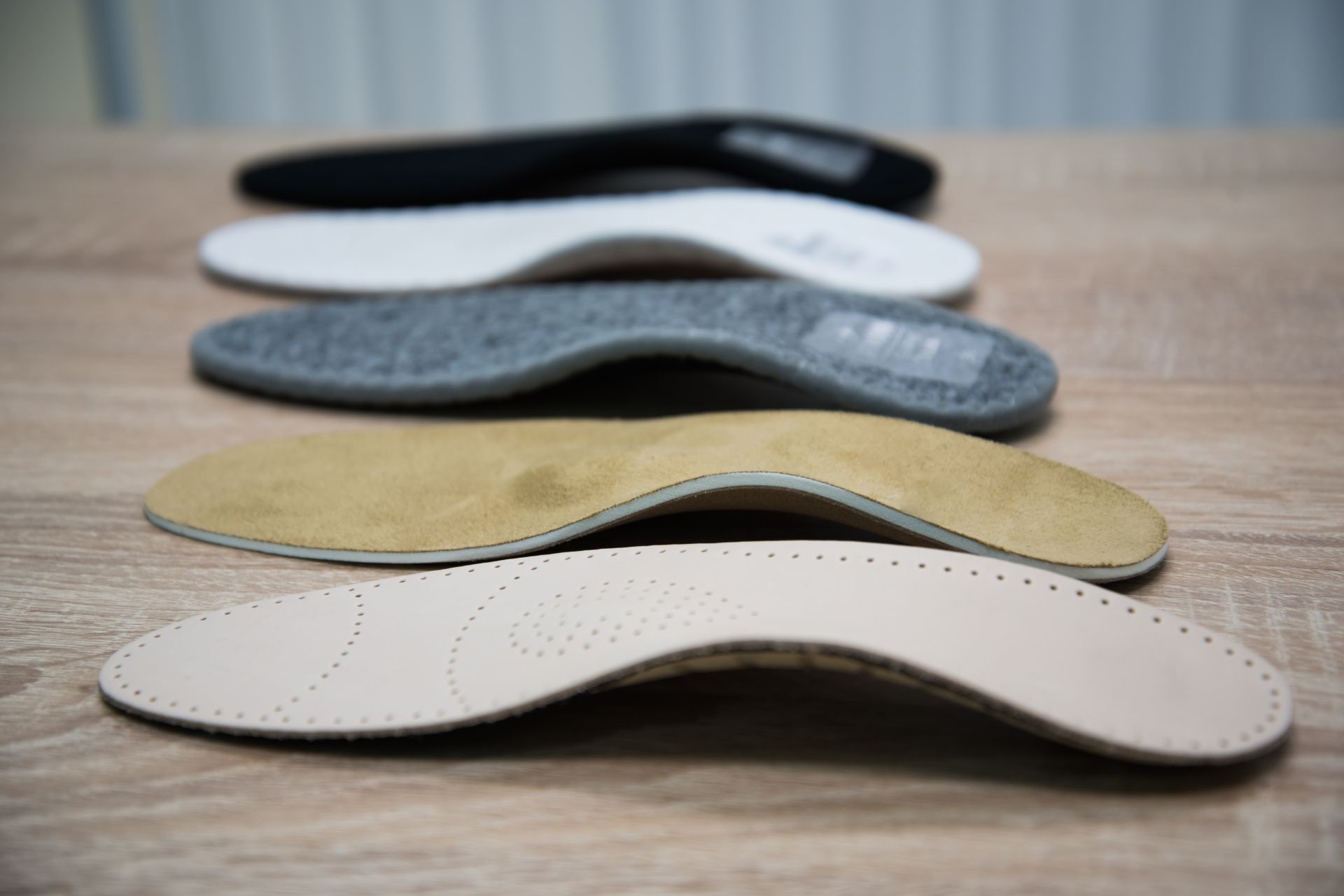
For more complex cases, children’s orthoses may correct additional foot issues. Managing symptoms during growth is crucial to keep children active and comfortable. Effective management can mitigate the disease’s psychosocial impact, preserving self-esteem and social participation.
If your child experiences knee swelling, contact our paediatric podiatrist to schedule a consultation today.