Many parents get concerned when they think their children’s flat feet are a problem. Though it may seem unlikely, most children’s feet will grow out of this condition on their own. Paediatric flat feet (also known as pes planus) are a fairly common condition in children. Despite popular belief, it is not always necessary to intervene when your child is still young.
Flat feet in children are relatively common due to the flexibility of children’s bones and joints. For most children, arches gradually appear during early childhood. They are usually well established by around 8 to 10 years of age, with the vast majority of kids developing a normal arch as they grow. This progression is considered a normal variation of development. The leading causes of foot problems in children include developmental factors, genetics, anatomical differences, and, in some cases, environmental influences such as footwear.
Children with flat feet usually have no symptoms beyond the appearance of the foot. However, suppose you notice your child has slight difficulties running or walking or is experiencing pain. In that case, it’s essential to talk to a paediatric podiatrist to evaluate any potential issues with your child’s feet.
Signs Your Child’s Flat Feet Might Be Causing Pain
Many signs indicate that your child’s flat feet need treatment. Pain is a common symptom, with children complaining about leg and foot pain during activities, after prolonged walking, or at night. Discomfort may lead to requests for massages to relieve aches and pains. Another sign is limited activity, which a child may avoid or be unable to participate in typical play and activities.
Additionally, worn-out footwear with uneven wear can indicate an uneven weight distribution. Instability is also a concern, as frequent falling or difficulty with balance might suggest a problem. Alignment concerns, such as asymmetrical posture or other signs of misalignment, should not be overlooked.
In some cases, congenital flat feet, characterised by a vertical talus or atypical joint fusion, can lead to more severe problems if left untreated. If you notice any of these signs, it is advisable to consult a paediatric podiatrist for a full evaluation and guidance on appropriate management for your child’s condition.

Does Your Child Have Gait Problems Because of Flat Feet?
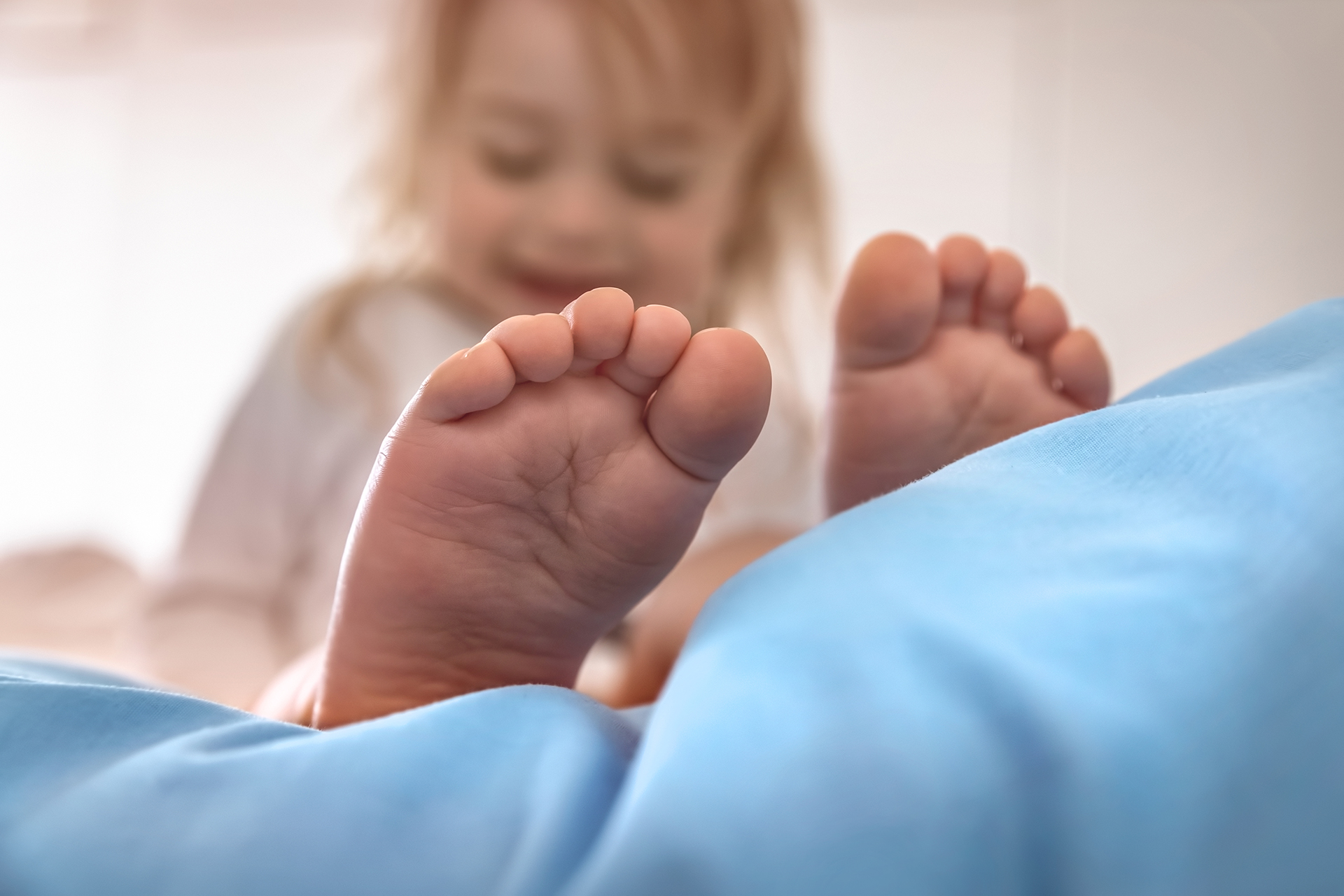
When children are born, their feet will have no arch. The arch typically begins to develop around 2 to 3 years of age. At 6 or 7 years old, the foot arch should become more fully formed as the foot’s muscles develop. Most children outgrow flat feet by age six.
As children grow, most naturally develop arches, and flat feet are a regular part of this process. Most toddlers with flat-looking feet are entirely comfortable and run, jump and play without any limitation. Many experiences with children’s flat feet are asymptomatic, but some children may develop symptoms such as discomfort or difficulty with physical activities.
It is hard to tell if a child standing has flat feet. The arch takes time to develop, and interventions such as children’s arch supports for flat feet may not be necessary in most cases. If flat feet are not causing pain, treatment is not usually required, and many children outgrow the condition. However, children experiencing pain should be evaluated by a healthcare professional to determine if intervention is needed.
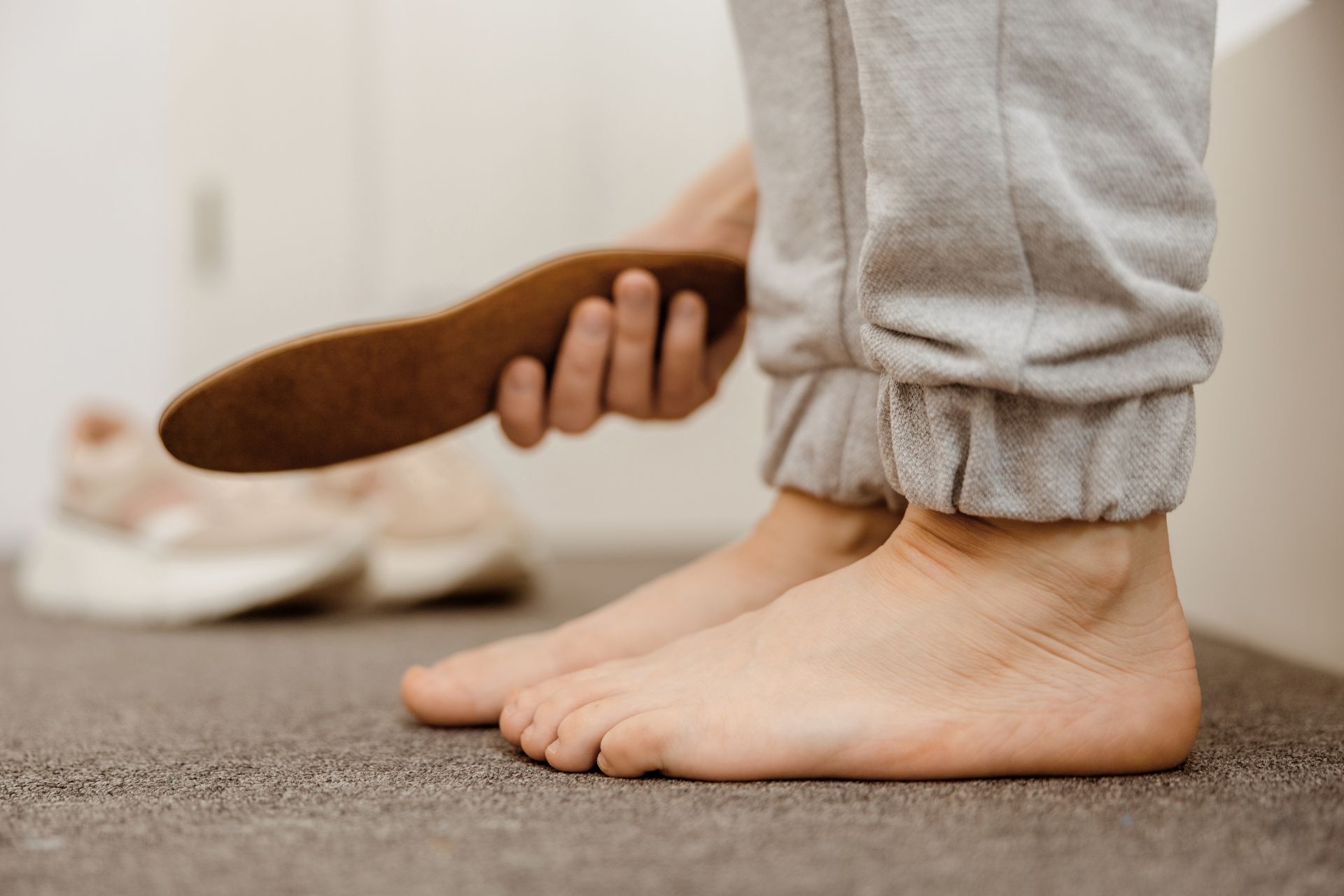
The distinction between flexible flat feet and rigid flat feet is particularly important when considering kids with flat feet. Flexible flat feet show an arch when the child is sitting or on tiptoe, but flatten when weight bearing. This type of flat foot is typically benign and often resolves on its own.
Rigid flat feet, however, remain flat in all positions and may require treatment. If your child has any of the following symptoms, it is worth checking with a podiatrist who specialises in children’s feet:
- Not walking by 18 months
- Experiences foot discomfort
- Discrepancies between the right and left foot
The impacts of symptomatic flat feet can include pain, reduced physical activity, and impaired motor skills.

Causes and Risk Factors of Flat Feet in Children
Since most children develop flat feet at some point, it’s more important to consider what could cause long-term flat feet. Genetics play a significant role. If either or both parents or close relatives have flat feet, there’s a higher chance that a child will also develop flat feet.
Children with low muscle tone or particularly flexible joints, often described as hypermobile, are more likely to have flexible flat feet. These physical traits mean that the ligaments and muscles supporting the foot arch are looser, making it easier for the arch to collapse when standing or walking.
Only a minority of children will continue to have very flat feet into the teenage years, and even then, many remain pain-free. However, persistent, stiff flat feet or very asymmetric flat feet are more likely to need closer assessment.
Certain physical activities, especially those involving repetitive running or jumping, can also contribute to the development of flat feet in children who are already predisposed to the condition. That’s why, though activity is vital for healthy growth, it’s essential to ensure children wear supportive shoes that provide adequate arch support and cushioning.
Maintaining a healthy weight is also necessary, as it can help reduce foot problems and support proper foot development. Incorporating regular stretching exercises into your child’s routine can help strengthen the muscles and tendons that support the arch.
Tight Achilles tendons or calf tendons can pull the foot arch down, contributing to flat feet. By understanding these risk factors, parents can take proactive steps to manage flat feet and support healthy foot development in their children.
When Flat Feet in Kids Need Attention
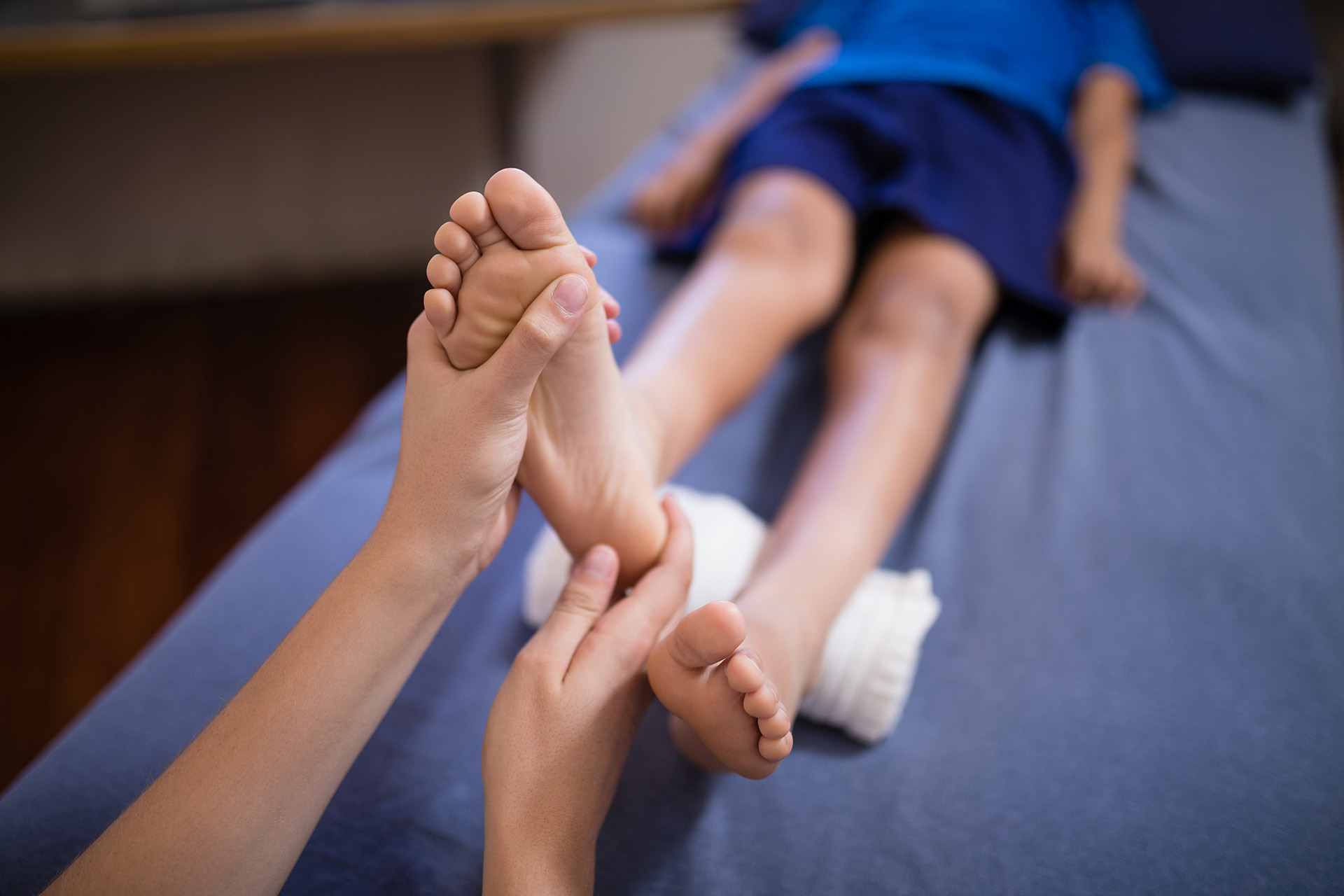
There are times when it’s worth taking a closer look at how to fix flat feet in a child. If your kid starts complaining about foot pain or ankle pain, especially in the arch or heel, or shows signs of being pretty worn out, stumbling, or struggling to keep up with their friends during normal activities, these are all signs to check for flat feet.
Other symptoms that suggest you take a closer look include your kid tripping over more often than average, having a hard time balancing, not wanting to play sports, or walking in a way that’s a bit off – like their feet are turning outwards in an outward tilt. If you notice their child’s shoes are getting unevenly worn or are swelling around the foot and ankle, that’s another thing to keep an eye out for.
Some kids may develop high-arched feet, which isn’t as common but can be a sign of something more going on, either with their nervous system or the structure of their feet. In rare cases, flat feet that won’t budge can be linked to an underlying cause such as juvenile arthritis, muscular dystrophy, cerebral palsy, or tarsal coalition, in which the bones in the foot are abnormally connected.
Simple tests at home can give you a rough idea of how their arch is doing, but they’re not anywhere near as useful as a proper check-up from a doctor. A thorough physical examination is the best way to accurately diagnose and determine the underlying cause of your child’s flat feet.
The sooner you figure out what’s going on, the better. That way, you can ensure they receive the proper treatment and that their long-term mobility and well-being are addressed. Most kids with flat feet don’t need treatment, but it’s always a good idea to chat with a healthcare professional to make sure you’re on the right track.
Common Complications Associated with Flat Feet
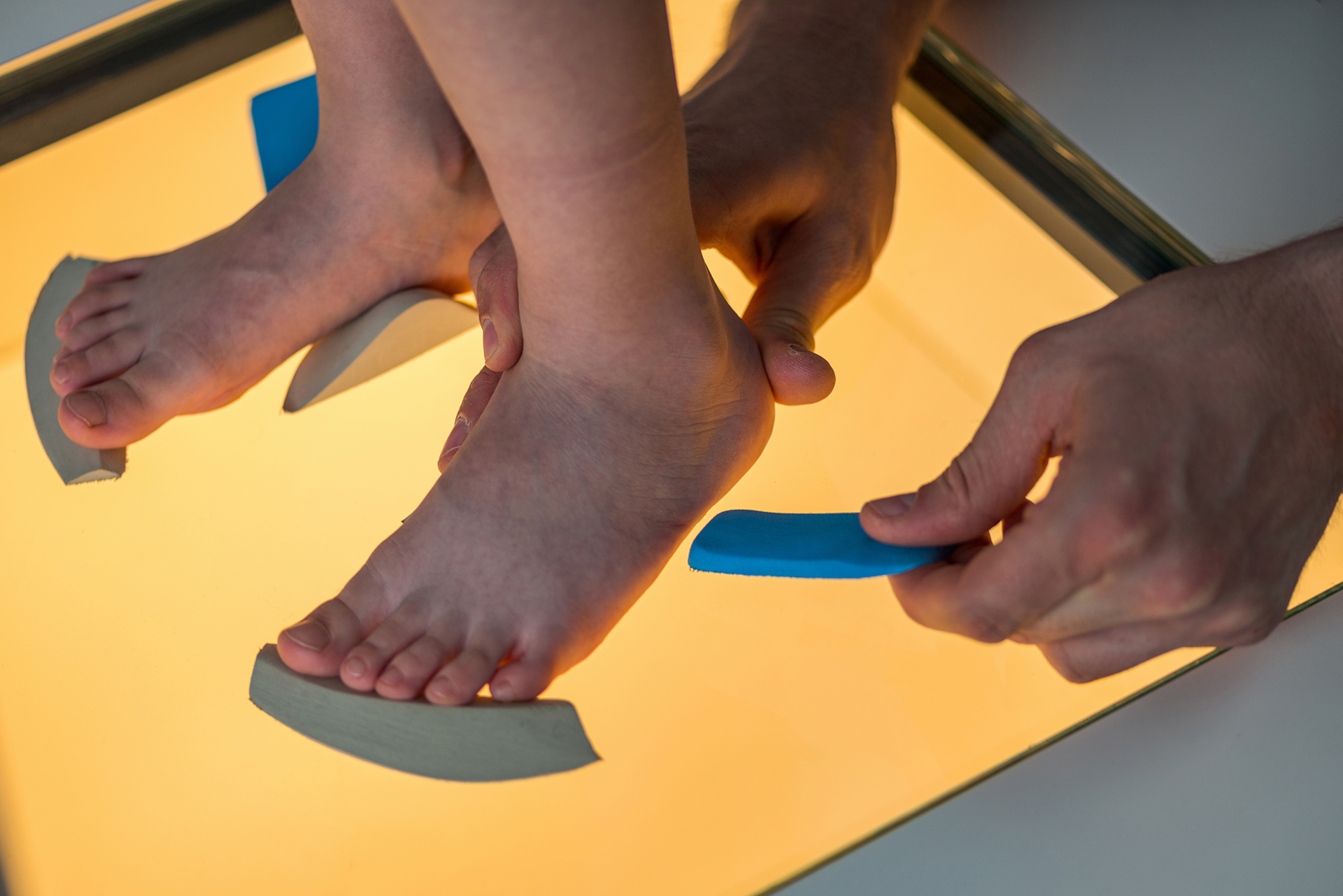
One of the most common problems with children’s flat feet is that the foot can change shape over time, leading to more permanent flat feet. If left untreated, they might develop bunions, hammertoes, or even early-onset arthritis.
Your kid might also start to get knee or ankle pain because the way their foot is aligned is putting extra strain on those joints. Other symptoms can include plantar fasciitis, which causes pain in the heel and the bottom of the foot, and Achilles tendonitis, which affects the important tendon at the back of the ankle.
In severe cases, they might even develop a curved spine. And, when they grow up, they might be stuck with pain and swelling on the inner side of their foot. If you keep an eye out for these complications, you can take steps to treat flat feet early and help your kid avoid long-term pain and restrictions.
Can Flat Feet Be Corrected at a Young Age?
If you find yourself searching online, “My child has flat feet. What should I do?”, you should ask your child’s paediatric podiatrist for the best steps. In most cases, the management is pretty straightforward. More often than not, it’s just a case of getting the right children’s shoes for flat feet, and that’s all they’ll need.
When it comes to deciding how to tackle your child’s condition, the approach is usually super gentle and gradual. For kids with flat feet, look for supportive shoes that are supportive but not too restrictive, with good arch supports, a stiff heel, and plenty of room for their feet to move naturally.
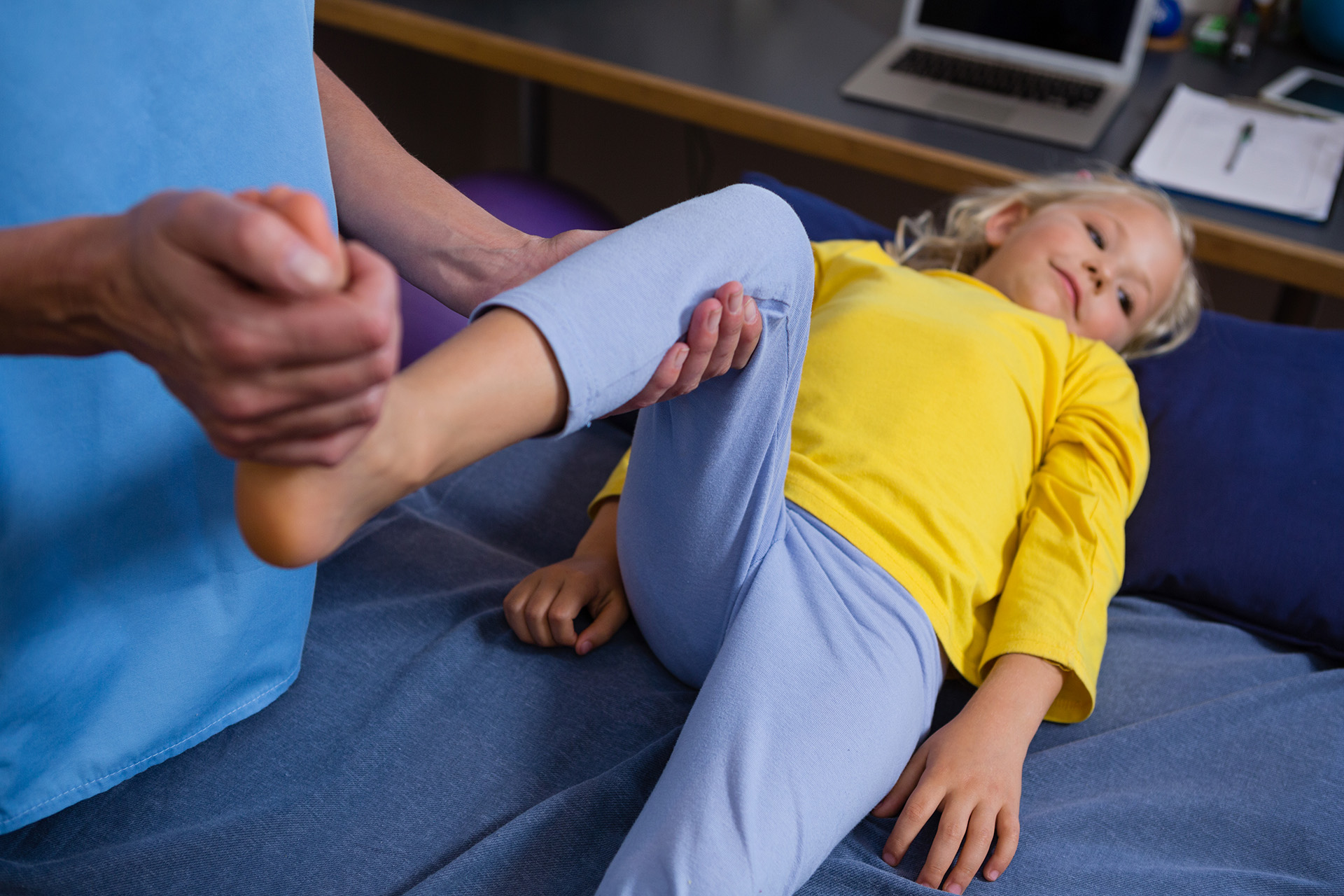
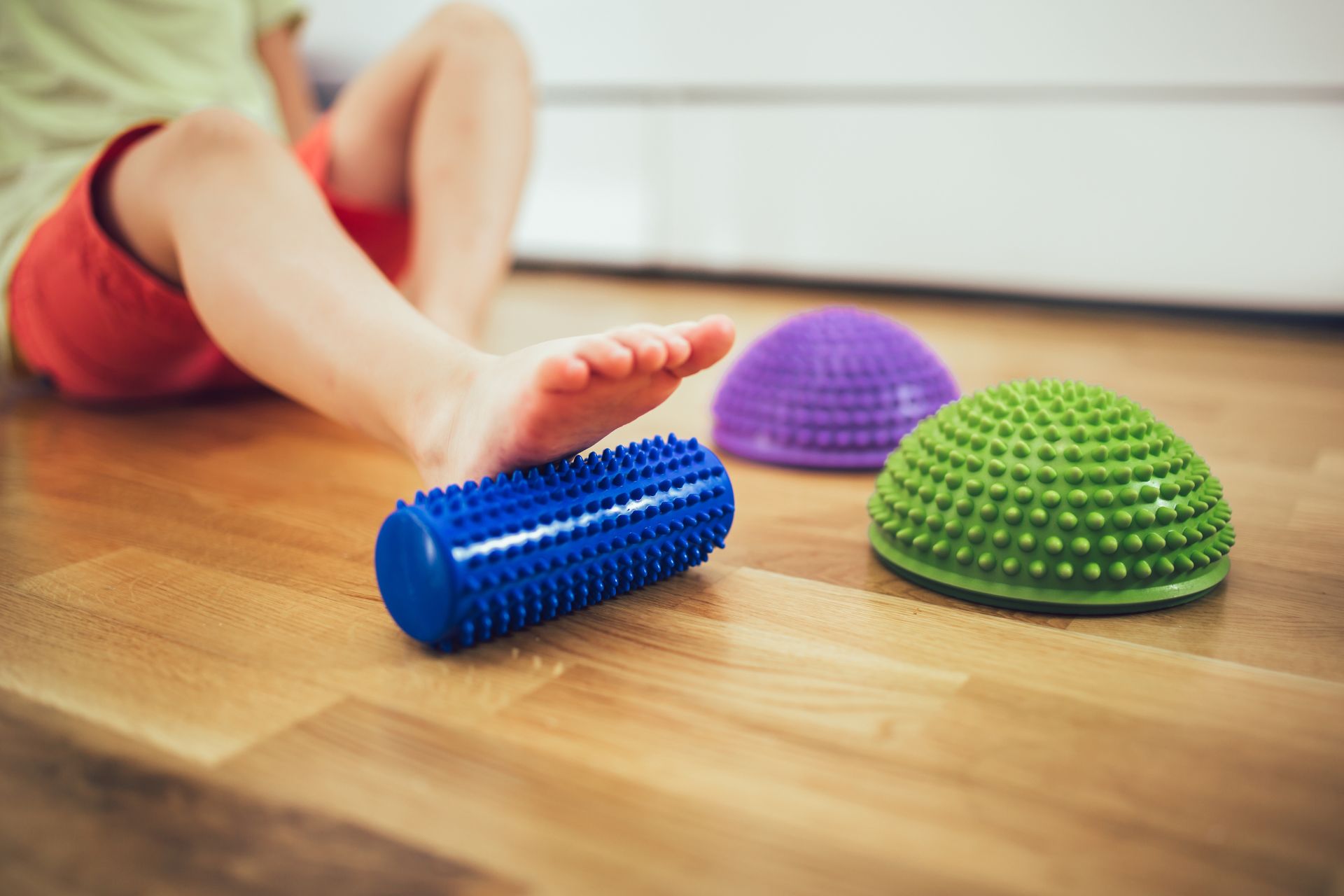
Your podiatrist can also give you exercises for flat feet in children to address the problem, strengthening the foot muscles and stretching the calf and Achilles tendon. These include simple calf and hamstring stretches, like picking up small toys with your big toe, a bit of a heel raise, and some balance games you can play with your child.
Role of Orthoses and Support Devices
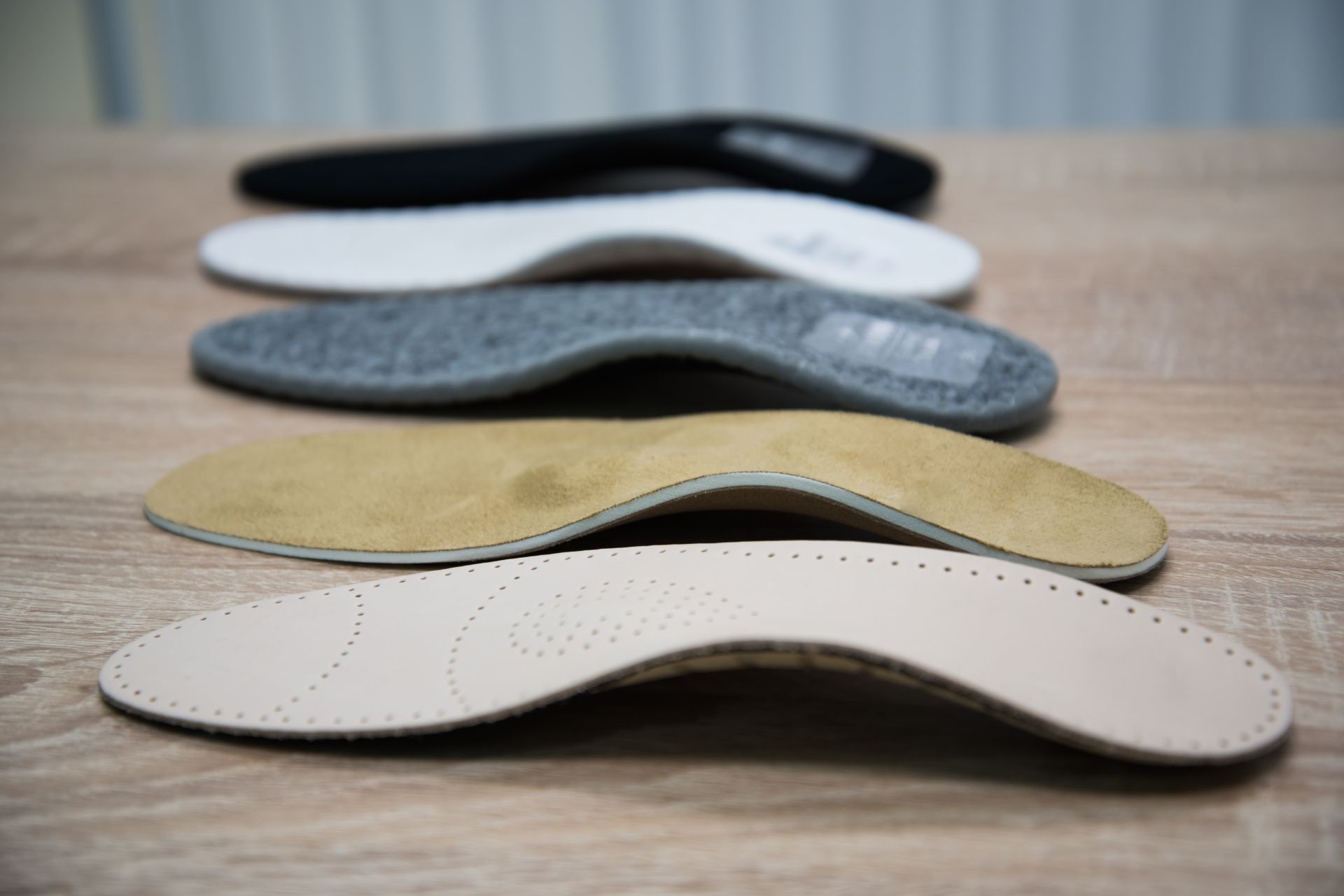
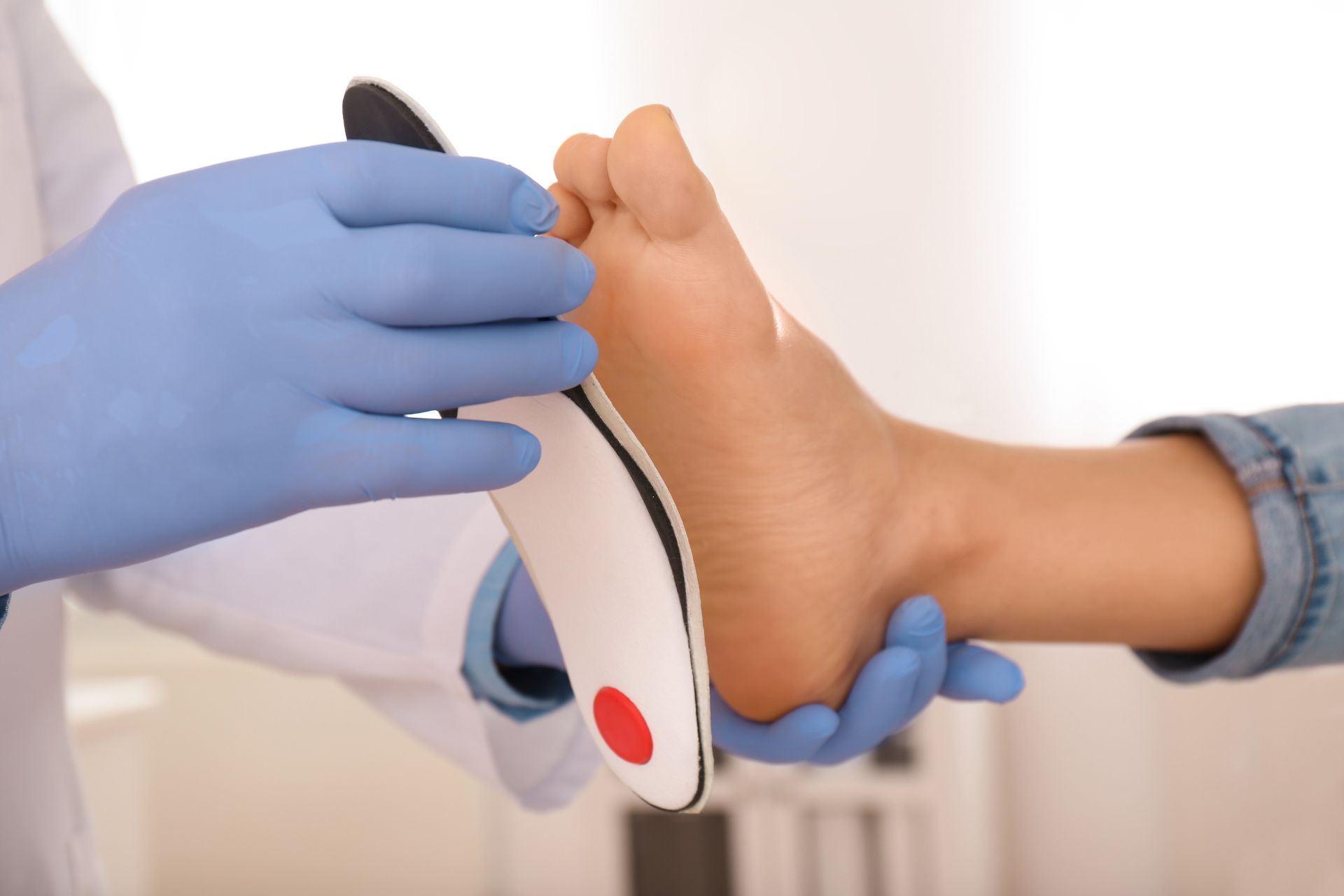
When it comes to children’s orthotics for flat feet, we have to be very careful and consider them only after we’ve tried all other treatment options. Custom orthoses can help, but if we rely on them too much, they might actually do more harm than good, so it’s always best to get a professional’s opinion.
Most cases of kids’ flat feet actually resolve over time, so it’s often best to keep an eye on things and avoid rushing into orthotic intervention. It’s all about striking the right balance between giving your kid the support they need and letting their feet develop naturally.
Surgical Treatment of Flat Feet
Surgery should really only be a last resort for kids with flat feet who are suffering badly and aren’t responding to any other treatment. In extreme cases, especially in older children or teenagers with super-rigid flat feet, you might need to consider more radical procedures, such as flat foot correction surgery or osteotomies, which reposition the bones. However, this is only in severe cases where nothing else is working.
Take the Next Step Towards Your Child’s Foot Health
We know every child is different, and that’s why at The Foot Practice, we’re all about working out exactly what’s going on with your child’s feet and what they need to get on the right track. We’ve got a team of experienced paediatric podiatrists who can spot the difference between a regular foot that’s just developing a bit unevenly and one that needs professional help.
If you’re not sure what’s going on with your child’s flat feet, or you want some reassurance, we’re here to help. Contact us today, and we’ll schedule a consultation with one of our experts so you can get the advice and support you need to support your child.