
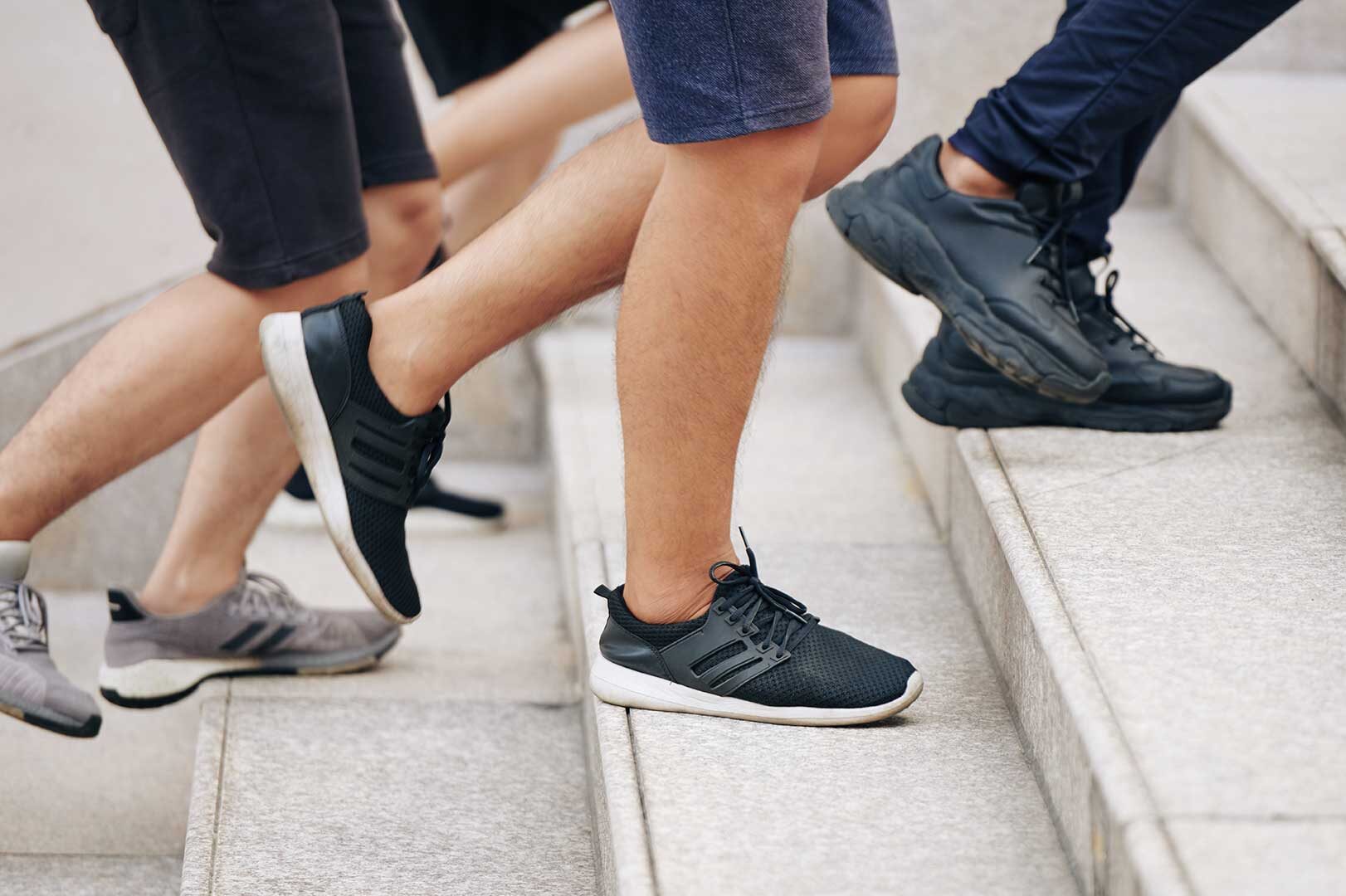
Orthopaedic footwear is designed or adapted for particular fit, pressure or support needs. The most suitable features depend on the condition and the wearer.
Orthopaedic Shoes
Did you know your feet contain a quarter of all the bones in your body? These 52 bones, along with 66 joints and a web of muscles, tendons, and ligaments, work tirelessly every day to keep you moving. But let’s face it: we often take these hard-working heroes for granted.
Imagine slipping your feet into shoes that were crafted specifically for you. The unattractive, clunky orthopaedic shoes of yesteryears provide more comfort and style today, changing lives one step at a time.
The Custom Fit Experience
Custom footwear may be considered when ordinary shoes cannot accommodate a foot shape, deformity or pressure risk. Assessment determines whether it is needed.
People seek adapted footwear for different reasons, including:
- An ageing population: As Singapore’s population ages, there’s a growing need for footwear that addresses age-related foot issues.
- Increased health awareness: Singaporeans are becoming more conscious of the impact of proper footwear on overall health.
- Foot conditions: Some deformities, swelling or pressure problems may make standard shoes difficult to fit.
- Advancements in shoe technology: Modern orthopaedic shoes are more stylish and comfortable than ever, making them appealing to a broader audience.
Footwear features vary between products. A clinical assessment can help distinguish useful adaptations from marketing claims.
Breaking the Orthopaedic Stereotype
If “orthopaedic shoes” conjures images of chunky, beige monstrosities that scream, “I’ve given up on style”, it’s time for a reality check. Today’s orthopaedic shoes are breaking stereotypes faster than you can say “bunion”. From sleek sneakers to stylish boots, these shoes prove that comfort and fashion can coexist harmoniously.

Orthopaedic shoes are footwear designed or adapted for specific fit, support or pressure needs. They may improve comfort for some people, but they do not reliably correct a structural deformity or guarantee pain relief.
The Science Behind the Comfort
Features such as extra depth, cushioning and a shaped sole can alter support or pressure. They do not reliably realign the whole body.
While orthopaedic shoes are a godsend for those with foot conditions, they’re not exclusive to any age group. Athletes, busy professionals, and even fashion enthusiasts are discovering the joy of shoes that don’t require a “breaking in” period. It’s like having a foot massage with every step, and who wouldn’t want that?

When shopping for ortho shoes in Singapore, look for these essential key features:
- Arch support: May improve comfort for some people, but the amount of support should be individually selected.
- Deep heel cup: A deeper heel area provides stability and helps control the foot’s motion.
- Wide toe box: Extra room can reduce pressure on the toes, but it does not reliably prevent a bunion.
- Cushioned insoles: Extra padding helps absorb shock and reduce pressure on sensitive foot areas.
- Adjustable closures: Velcro straps or laces allow for a customisable fit, accommodating swelling or bandages.
- Materials: Choose durable materials suitable for the activity and skin needs; material quality alone does not ensure foot health.
- Rocker soles: May reduce loading in selected areas, but their effect depends on design and fit and they can affect balance.
Footwear may help some foot symptoms. Claims that it reliably improves back pain, posture or energy levels are not established.
Where to Find Orthopaedic Shoes in Singapore
Getting the right fit is crucial when it comes to orthopaedic shoes. In Singapore, many specialised shoe stores and podiatry clinics, like The Foot Practice, offer professional fitting services to ensure optimal comfort and support.
The process typically begins with a comprehensive foot measurement, where both feet are carefully assessed for length, width, and arch height. This is followed by a gait analysis, during which your walking pattern is observed to identify any irregularities that may need addressing. The fitter will then discuss your specific foot conditions and lifestyle requirements, ensuring that the chosen shoes will meet your unique needs.

Next comes the trial fitting phase, where you’ll have the opportunity to try on various styles to find the most comfortable and supportive option. This hands-on approach allows you to experience the feel of different shoes and provide feedback.
Some shoes can be adjusted to improve fit or pressure relief. Review discomfort or skin rubbing, particularly if sensation or circulation is reduced.
A Step in the Right Direction
Whether you’re dealing with chronic foot pain, recovering from an injury, or just want to treat your feet to the luxury they deserve, orthopaedic shoes are worth exploring. After all, life’s too short for uncomfortable shoes. Schedule an initial consultation with one of our expert podiatrists at The Foot Practice today to learn more about the right orthopaedic shoe for you.