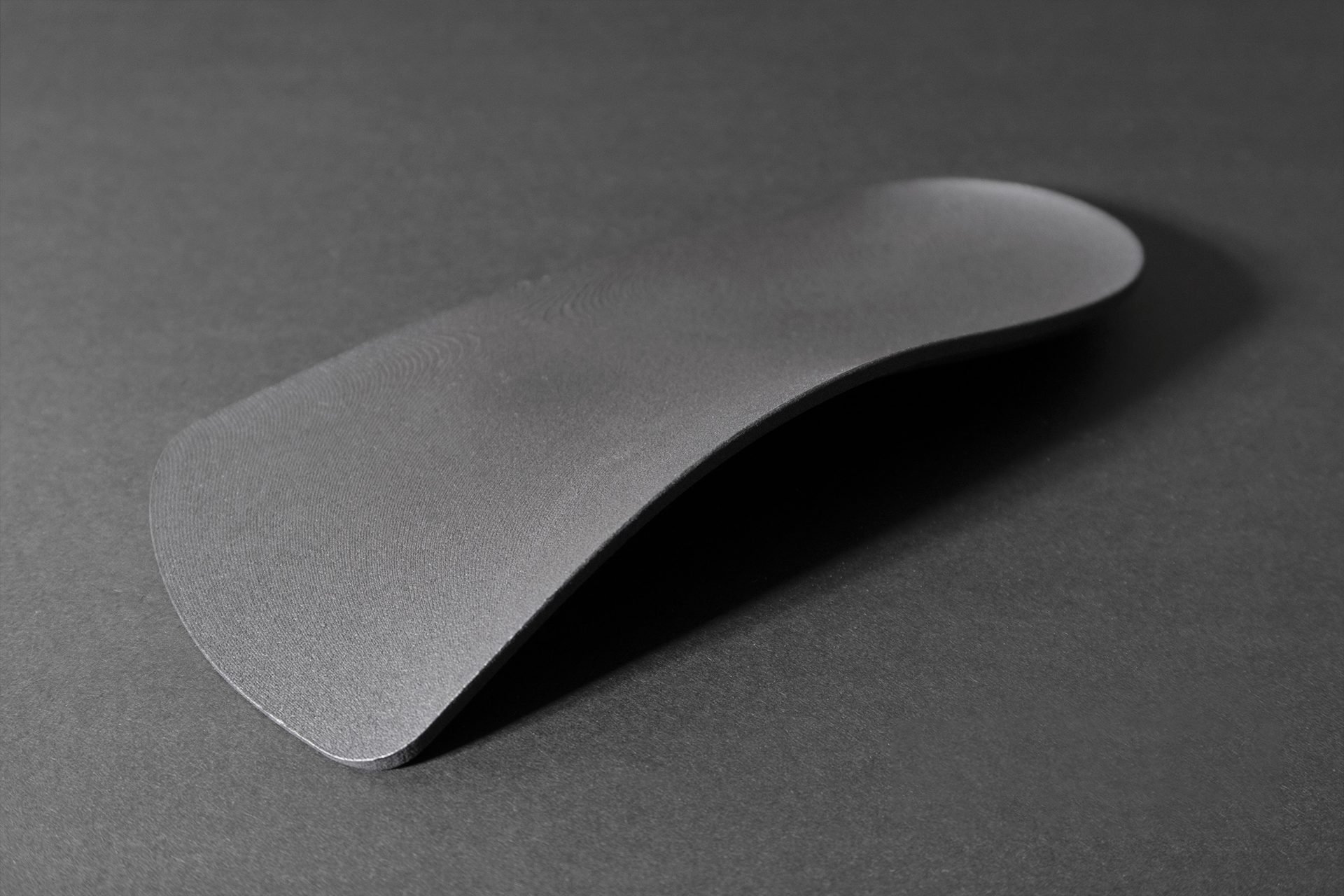
Plantar fasciitis is a common cause of heel pain. High arches are one feature a clinician may consider, but foot shape alone does not establish the diagnosis or determine which treatment will help.
For those of us navigating the pains of plantar fasciitis and high arches, the journey feels a tad more daunting. It’s a tale as old as time, or at least as long as we’ve been lacing up sneakers, where every step feels like it risks the possibility of that sharp, nagging pain at the bottom of one’s foot.
At The Foot Practice, an assessment can help determine whether insoles are worth trying alongside other care for plantar heel pain.

Understanding Plantar Fasciitis and High Arches
Plantar fasciitis involves pain around the heel attachment of the plantar fascia, the band of tissue beneath the foot. It is not always simply inflammation; repeated loading and changes in tissue capacity can contribute.
Foot shape is one of several factors considered when assessing plantar heel pain. An insole may improve comfort or change pressure for some people with high arches, but it does not guarantee relief or correct a structural arch.
Selecting the Right Insoles
Insoles can alter loading or improve comfort for some people. They do not distribute pressure evenly in every foot or guarantee recovery.
When considering insoles, discuss fit, comfort and how they work with your footwear:
Arch Support: Choose support that feels comfortable without creating focal pressure. A high arch does not automatically require a custom insert.
Material: Firmness, cushioning and shoe fit matter more than a claim that one material is best for everyone.
Fit and Size: An insole should fit both the foot and the shoe without rubbing or crowding the toes. Ready-made and custom options may be considered; custom devices are not consistently superior for plantar heel pain.
Durability: High-quality insoles are an investment in your foot health. Look for products made from durable materials that can withstand daily wear without losing their shape or support.
Ease of Use: Consider insoles that are easy to insert and remove from your shoes, allowing you to switch them between pairs as needed.
Insoles are one possible part of care, not a necessary treatment for everyone with high arches or plantar fasciitis.

Combining Care for Plantar Heel Pain
Assessment includes symptoms, activity and examination. Gait measurements can add information but cannot identify every cause of pain. A care plan may include progressive exercise, plantar fascia and calf stretching, and footwear advice.
The clinic offers custom orthoses. Ask about the assessment, fitting process and expected timing; availability should not be treated as a guarantee of faster clinical recovery.
Shockwave therapy may be discussed for persistent plantar heel pain when other care has not helped. Evidence varies, and it does not guarantee pain relief or faster tissue healing.
An insole may change pressure or improve comfort. It does not permanently correct a structural arch, retrain walking on its own or guarantee that pain will not recur.
Lifestyle Changes and Prescribed Exercises
Load management and exercises can be used alongside insoles when appropriate. Increase activity gradually according to symptoms.
Choose comfortable shoes for the activity. Calf and plantar fascia stretches may help, while weight management can be discussed when relevant.
Persistent heel pain warrants assessment. Treatment choices should reflect symptoms, preferences and response rather than arch shape alone.
Book an assessment at The Foot Practice to discuss heel pain and whether exercises, footwear changes or insoles may suit you.