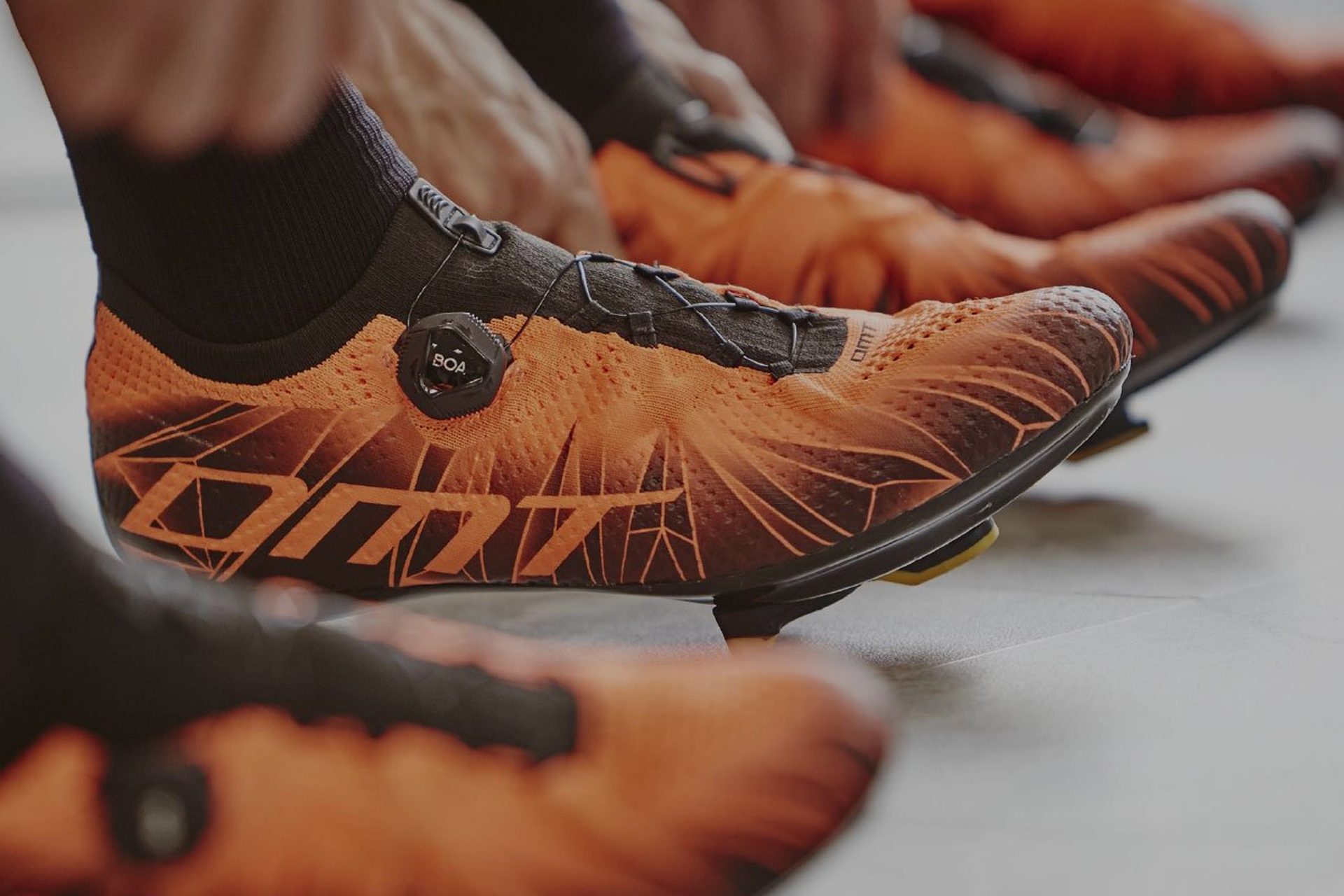
For me, cycling is one of the best activities in the world, and I think my sentiment resonates with the growing number of cycling aficionados. COVID spurred a massive increase in the number of riders here in our Little Red Dot, so I thought it was timely to brush up on my thirst for knowledge about clinically based treatments for preventing and healing cycling injuries.
As a cyclist myself, the sport is still enjoyable even as my legs burn with lactic acid to the point where I can barely creak slowly home to the East Coast.
This part might sound like a Hair Club for Men TV commercial, where the company president is ‘also a client’! (You have to be at least 30 years old to remember; or, for the young whippersnappers, YouTube might have a stream.)
I do love that the FootWorks podiatric lab, based in Australia, and The Foot Practice’s custom orthoses partner have been custom-fabricating the best bike shoe insoles for the past several years. And as a passionate cyclist, I wanted to learn more about how cycling insoles really work.
Clinical Research about Cycling Insoles, Beyond Anecdotes
Part of every good treatment session is a clear explanation of what is happening, how it can help heal or prevent future recurrent injuries, and how it can reduce cycling foot pain. I make it a point to read a wide range of high-quality, evidence-based research to better understand clinical treatment protocols related to biomechanics, ensuring the advice I give is the best possible at the time.
Singaporean Yeo Boon Kiak, a cycling podiatrist and former professional racer, wrote research papers on cycling orthoses, utilising qualitative research methods including interviews with high-level cyclists and bike shop owners. I was eager to find other articles supporting the notion that cycling insoles increase comfort, improve concentration, enhance power, speed, and durability, and provide all-around improvements.
I always need to fact-check everything. I want to know that all the promises I’ve made about the product are based on research. I ignore the assumptions and fallacies that seem so believable and, instead, shift to absolute data. But the data was missing. To my dismay, there’s no clear, overarching evidence that supports or refutes the notion of improved comfort, power, speed, or durability with cycling shoe inserts.
Since starting clinical practice in Singapore, I have heard patients say, “Of course, that’s logical” after I explain something.
However, after more than two decades in practice, I have come to discover that what we understand today regarding body movements was considered blasphemy years back. This shifts how we treat conditions and treatment plans. What is logical today was considered misguided before. The trouble with logic is not that it is different from common sense. It is more often than not based on the most convincing explanation a ‘cherry-picked’ story of sorts – to back our arguments and/or assumptions to provide the best care for patients. But there is still a lot to be understood about the physiological mechanisms that govern movement.
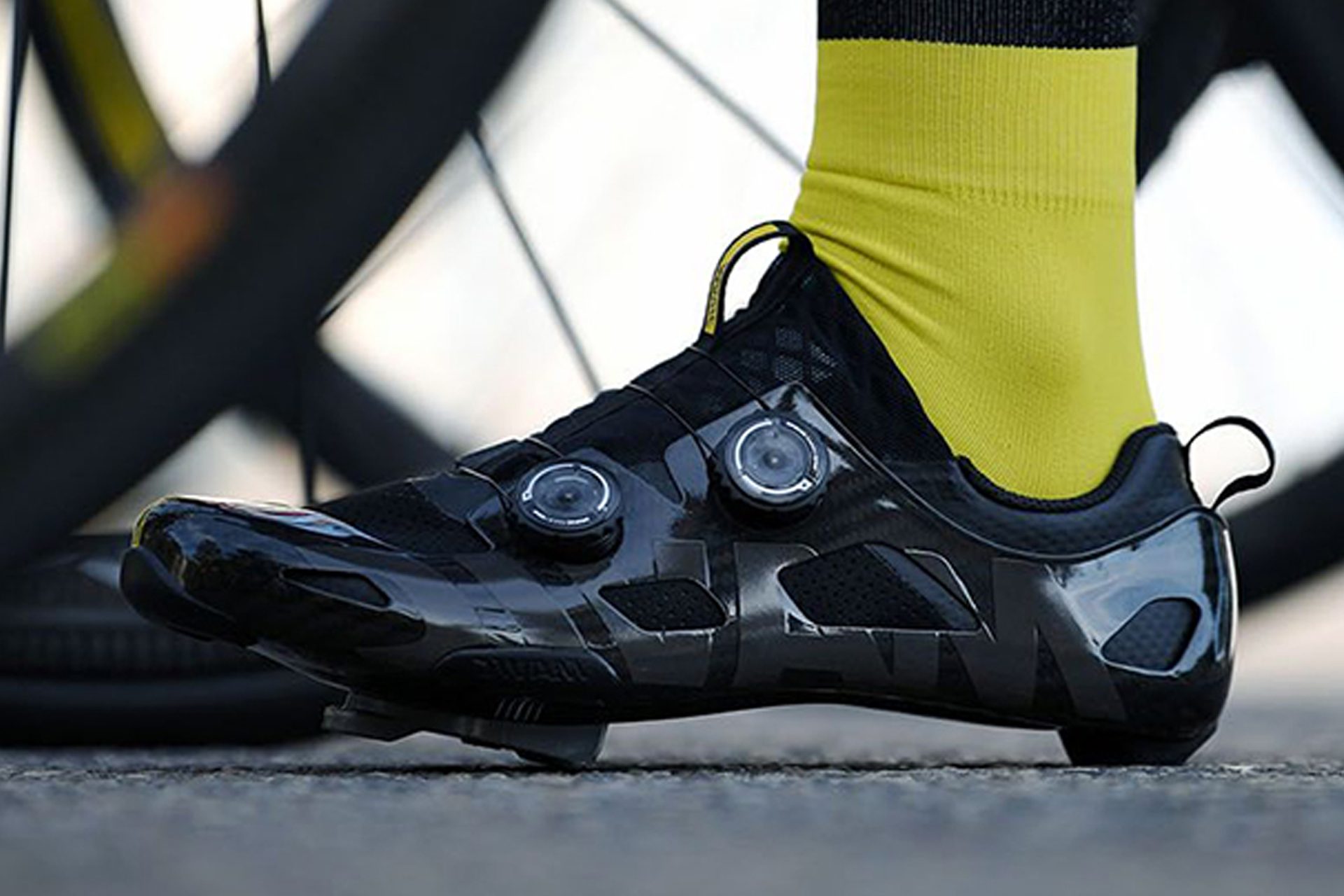
What Do Cycling Insoles Actually Do?
Several bike outfitters I spoke with sell general cycling insoles for shoes. They have found that custom cycling insoles usually take up too much space inside the shoe, especially considering that heat and foot swelling are major issues for most cyclists when on a 4+ hour saddle ride.
Despite my emotional attachment, I was unable to find a substantial body of research supporting the claim that even the best cycling footbeds can improve performance or power output. However, I realised through my research that I am not alone in seeking hard data to prove the positive effects of cycling insoles.
Other enthusiasts and sports treatment providers have been trying to prove the logic underlying cycling insoles. Daniel R Bonanno and Yeo Boon Kiak compiled a paper assessing studies concerning foot orthoses and improved performance. [1] They found that other researchers have sought empirical evidence that cycling shoe inserts improve or worsen performance by measuring oxygen consumption or examining kinematics, but have been unable to reach a consensus.
However, performance is not the only thing that matters when cycling. Bonnano and Yeo cite a study by Jaquelin A Bousie, Peter Blanch, Thomas G McPoil, and Bill Vicenzino from the School of Physiotherapy, University of Melbourne, that found foot orthoses increase the contact area under the foot, reducing peak forces, meaning the maximum force of torque developed during a muscle action. [2]
I also uncovered information about how cycling insoles can stiffen the shoe, improving the lever arm and increasing push-off. I kept trolling deeper.
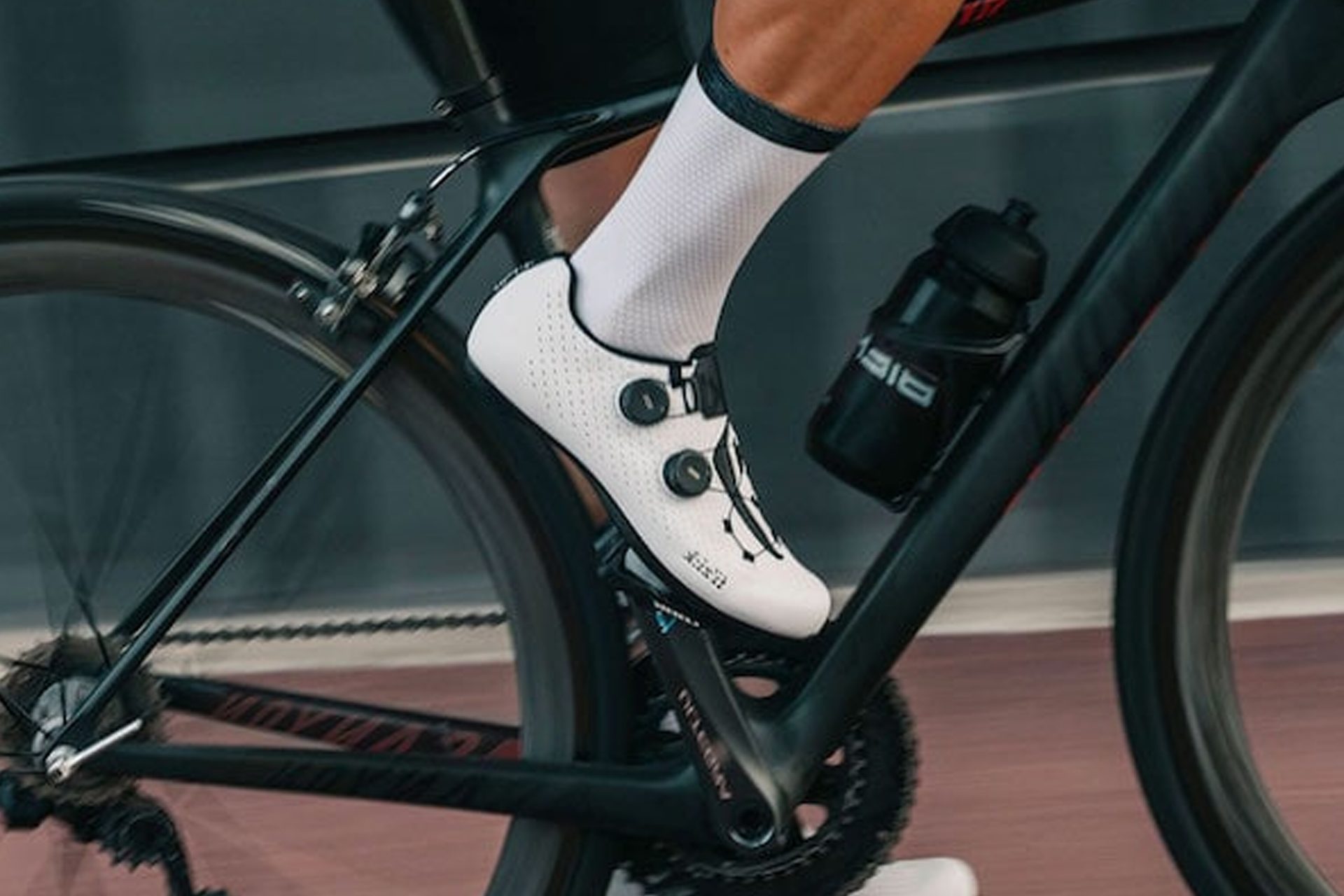
Reduce Peak Forces & Risk of Injuries
When read alongside other scientific studies on peak forces, we see that cycling shoe inserts can benefit various chronic conditions, reduce peak forces, and reduce heat spots, potentially alleviating foot swelling during long cycles.
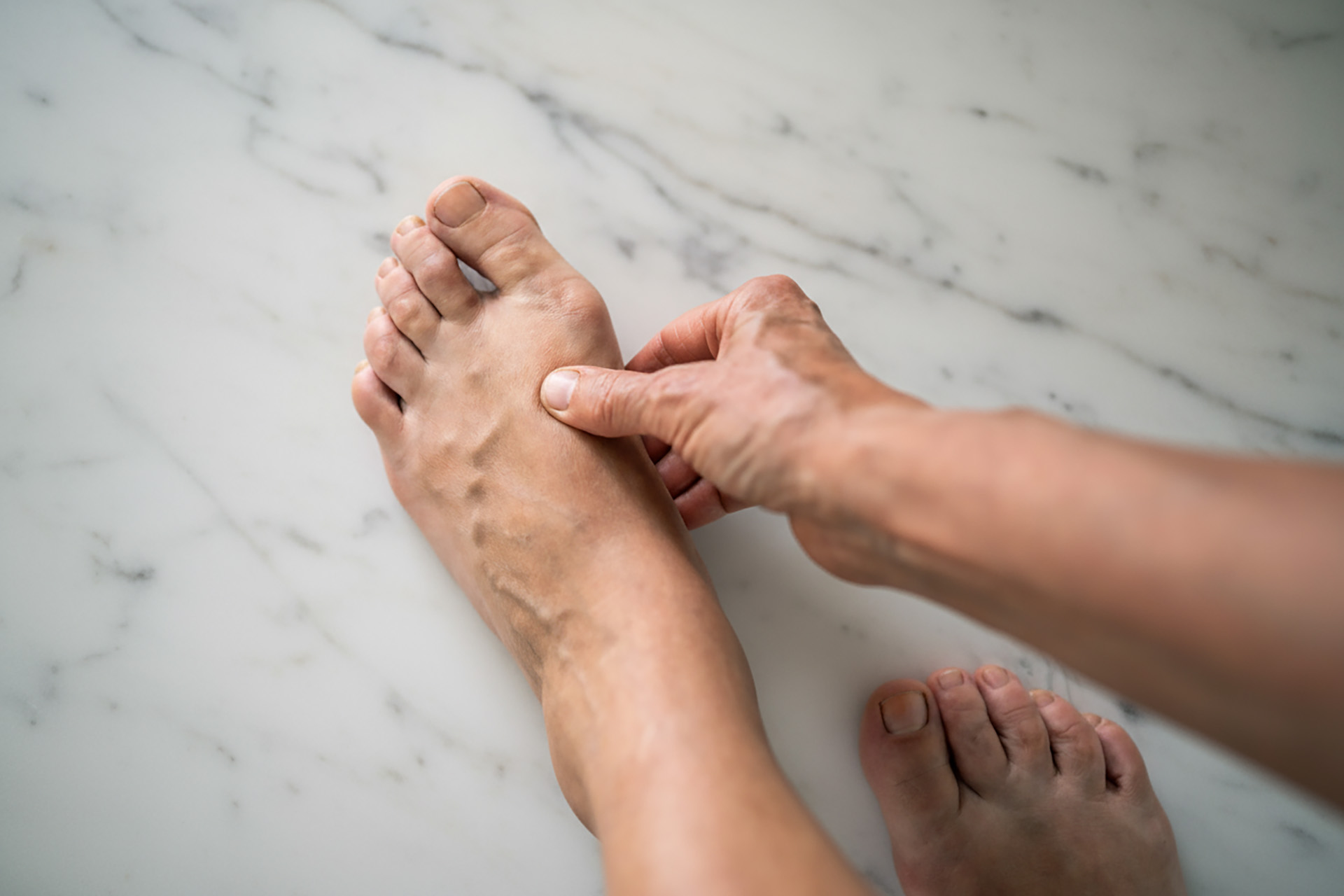
The term ‘hot foot’ or Metatarsalgia refers to a condition where the balls of the feet become painful and inflamed with periods of increased pedal pressure. Insoles for cycling hot foot can reduce discomfort by relieving pressure on the metatarsal bones, which are repeatedly aggravated, resulting in a burning or numbing sensation in the foot due to compression.
Essentially, although research on whether cycling insoles increase performance or power is limited, they can reduce peak pressures and possibly reduce injury risk, which is nothing to scoff at!
Why Get Custom Orthoses for Cycling Shoes?
Cycling shoe insoles can serve as a rehabilitation device, offloading injuries by reducing peak forces.
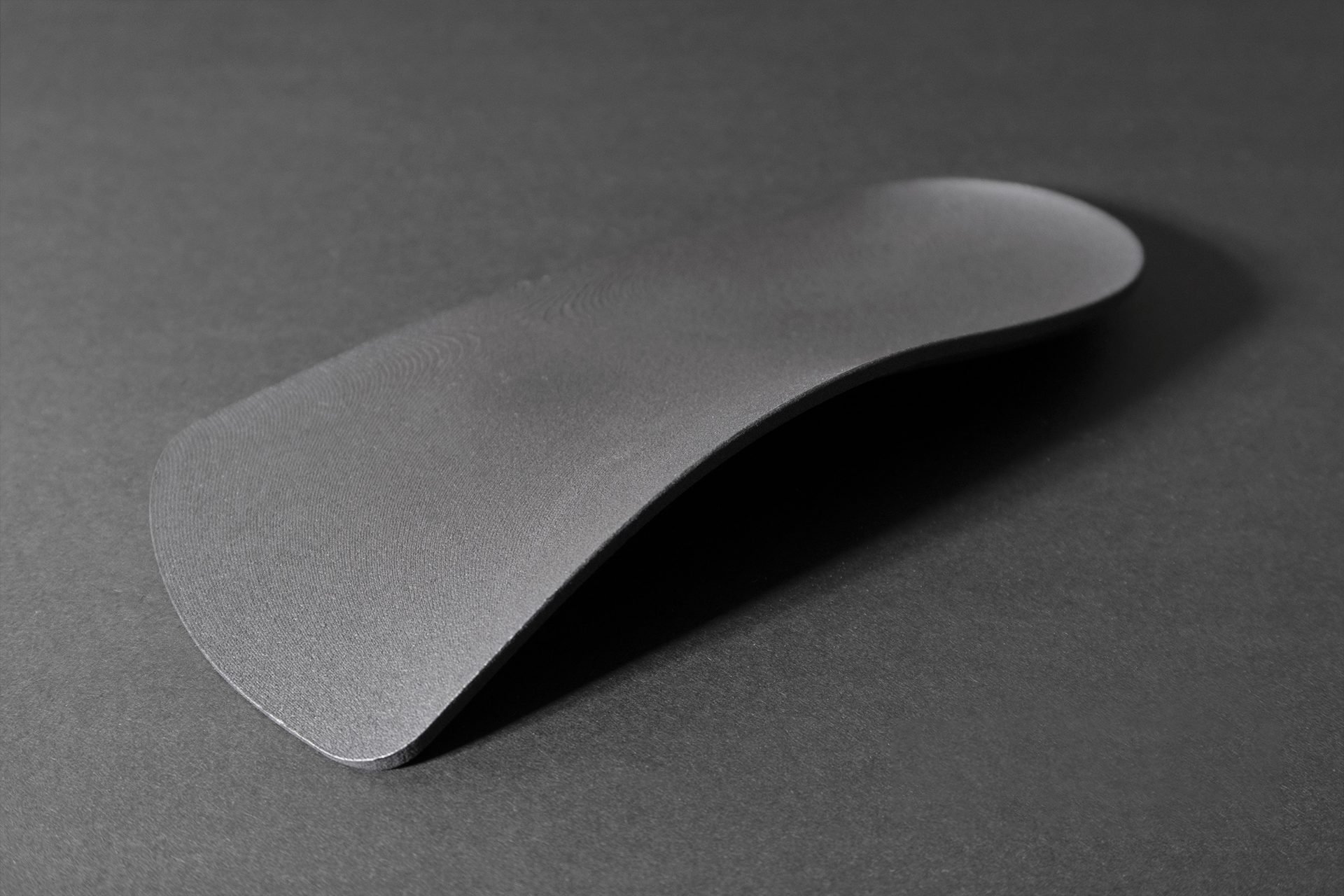
Custom cycling insoles, like The Foot Practice’s SPIN Cycling Orthoses, can produce higher plantar pressures, which are more evenly distributed across the foot than standard pressures, and, when used in combination with good bike fitting and comfortable shoes, reduce the risk of overuse injury. Our custom cycling insoles are designed from lightweight, ultra-thin carbon fibre to balance weight and stiffness between your foot and pedal. This may have real implications for their use in the prevention and/or management of overuse injuries in the knee, foot and ankle, and other lower-limb extremities, as well as the back.
If in doubt about the pros and cons of getting insoles for cycling shoes, schedule a consultation for an evaluation at The Foot Practice. I’m guessing if you’ve read this far, you’re as much of an avid cycling aficionado as I am. Taking a little time to make an appointment to discuss your options and find the best cycling insoles for your shoes is a small commitment for a more enjoyable, comfortable experience on those long rides.
__________________
Sources
[1] Yeo BK, Bonanno DR. The effect of foot orthoses and in-shoe wedges during cycling: a systematic review. J Foot Ankle Res. 2014;7:31. Published 2014 May 23. doi:10.1186/1757-1146-7-31
[2] Bousie JA, Blanch P, McPoil TG, Vicenzino B. Contoured in-shoe foot orthoses increase mid-foot plantar contact area when compared with a flat insert during cycling. J Sci Med Sport. 2013 Jan;16(1):60-4. doi: 10.1016/j.jsams.2012.04.006. Epub 2012 Jun 1. PMID: 22658845.