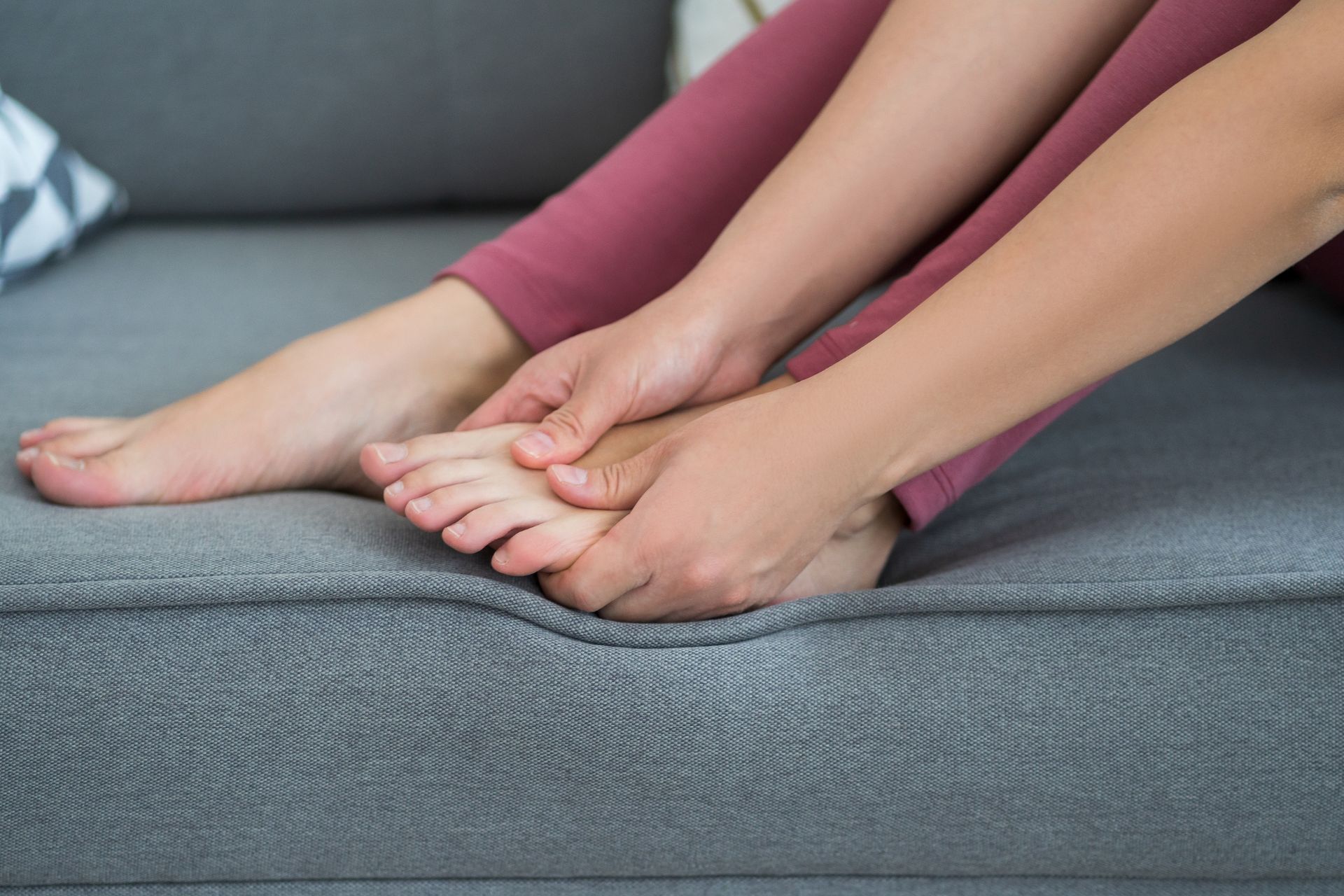
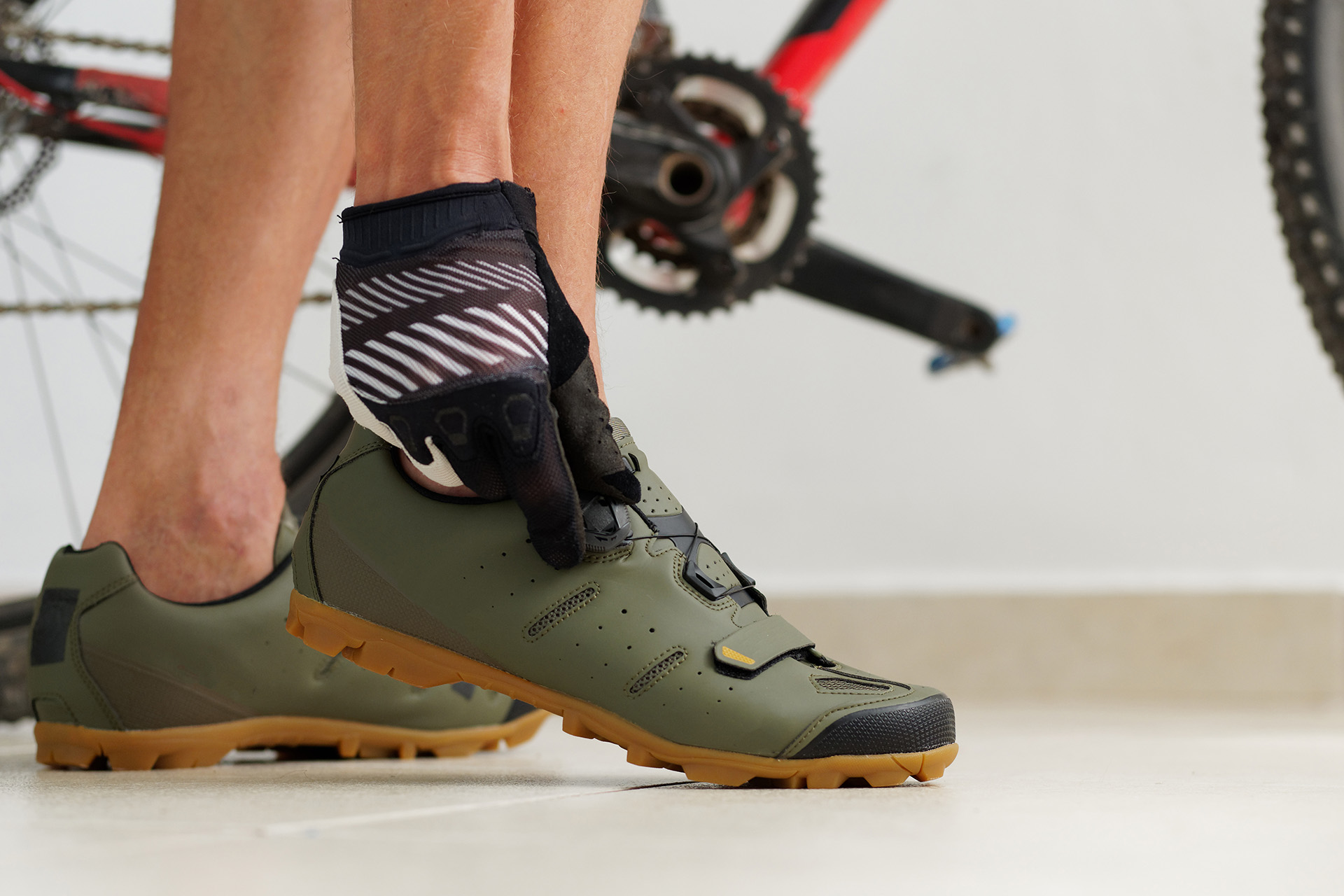
Cycling foot pain, often from tight shoes, poor bike fit (cleat position/saddle height), overuse injuries, or nerve compression (metatarsalgia, plantar fasciitis), causes numbness, burning sensation, or sharp foot pain, but it can be relieved by proper cycling shoes fit adjustment, arch support, rest, bike fitter refinement, and addressing issues like tight calf muscles.
Cycling is one of the most accessible endurance sports you can do. It is low-impact, adaptable for different abilities, and often used as cross-training when running or walking is too painful. For many, that ‘low impact’ label creates a false sense of security. Cycling foot pain is still possible, because even though cycling may spare your joints from ground impact, it can concentrate load through the ball of the foot and lock you into repetitive positions for long periods. That combination is why cyclists commonly report numb toes, burning sensations under the ball of the foot, and nagging achilles tendon pain that seems to come out of nowhere.
Sports podiatry can help a cyclist by assessing how your foot interfaces with cycling shoes and pedals and making targeted interventions, such as cycling orthoses, to improve comfort, efficiency, prevent foot pain and injury, and reduce cycling foot pain.
Cycling Biomechanics
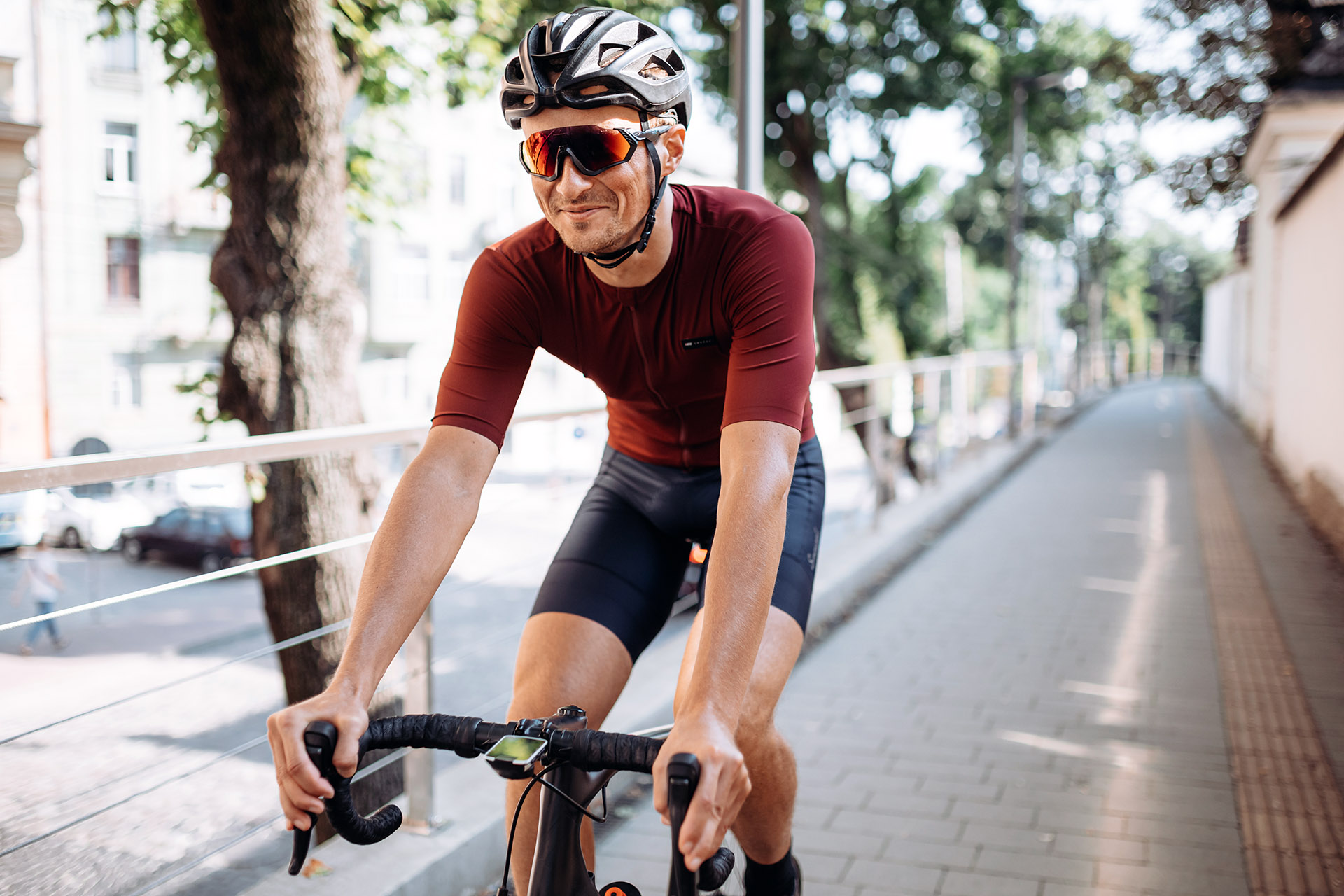
Cycling loads the cycling foot and ankle joint in a way that is almost the opposite of walking or running. In some ways, this is better for your feet and prevents foot issues. However, it can cause other foot problems.
In running and walking, your foot is a dynamic shock absorber: you strike the ground, roll through the midfoot, then push off through the toes. The ankle joint and foot move through multiple planes, with pronation and supination helping you adapt to terrain and absorb impact.
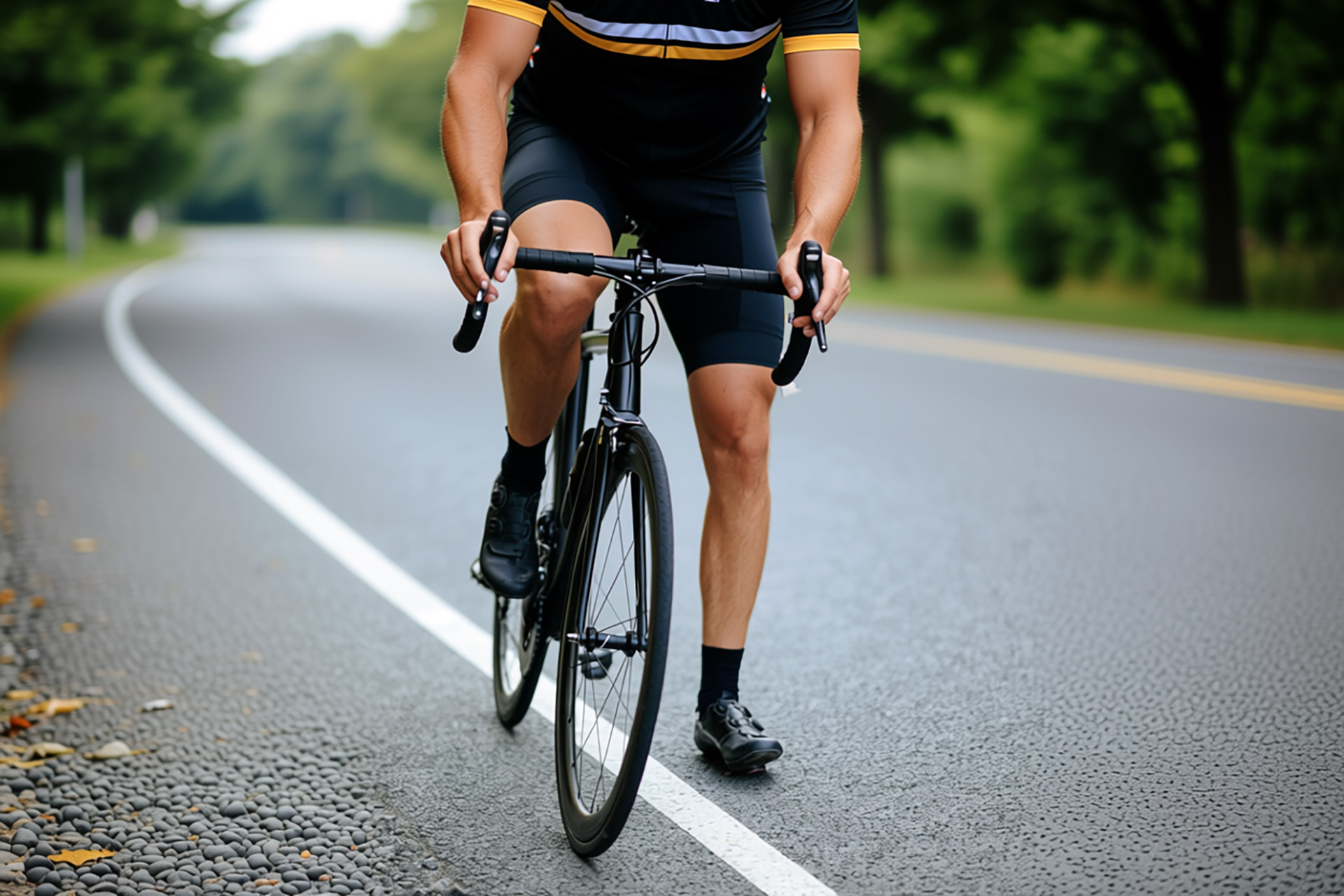
In cycling, there is no heel strike and no impact in the same sense. Pedalling is primarily ball-of-the-foot contact, and the foot behaves more like a rigid lever, transferring power from the leg down into the pedal. Motion at the ankle tends to stay mainly in the sagittal plane, with reduced need for pronation and supination. That makes cycling an excellent option for people with degenerative joint changes or those recovering from high-impact stress fractures. Still, it also means excessive pressure can be concentrated around the metatarsal bones and the foot.
Cycling also emphasises certain muscle groups. Riders tend to load the quadriceps, gluteals, and calf muscles heavily. Over time, some cyclists develop weaker intrinsic foot muscles because cycling shoes support the foot and do not need to stabilise as much as running shoes do.
Bike Fit and Podiatry
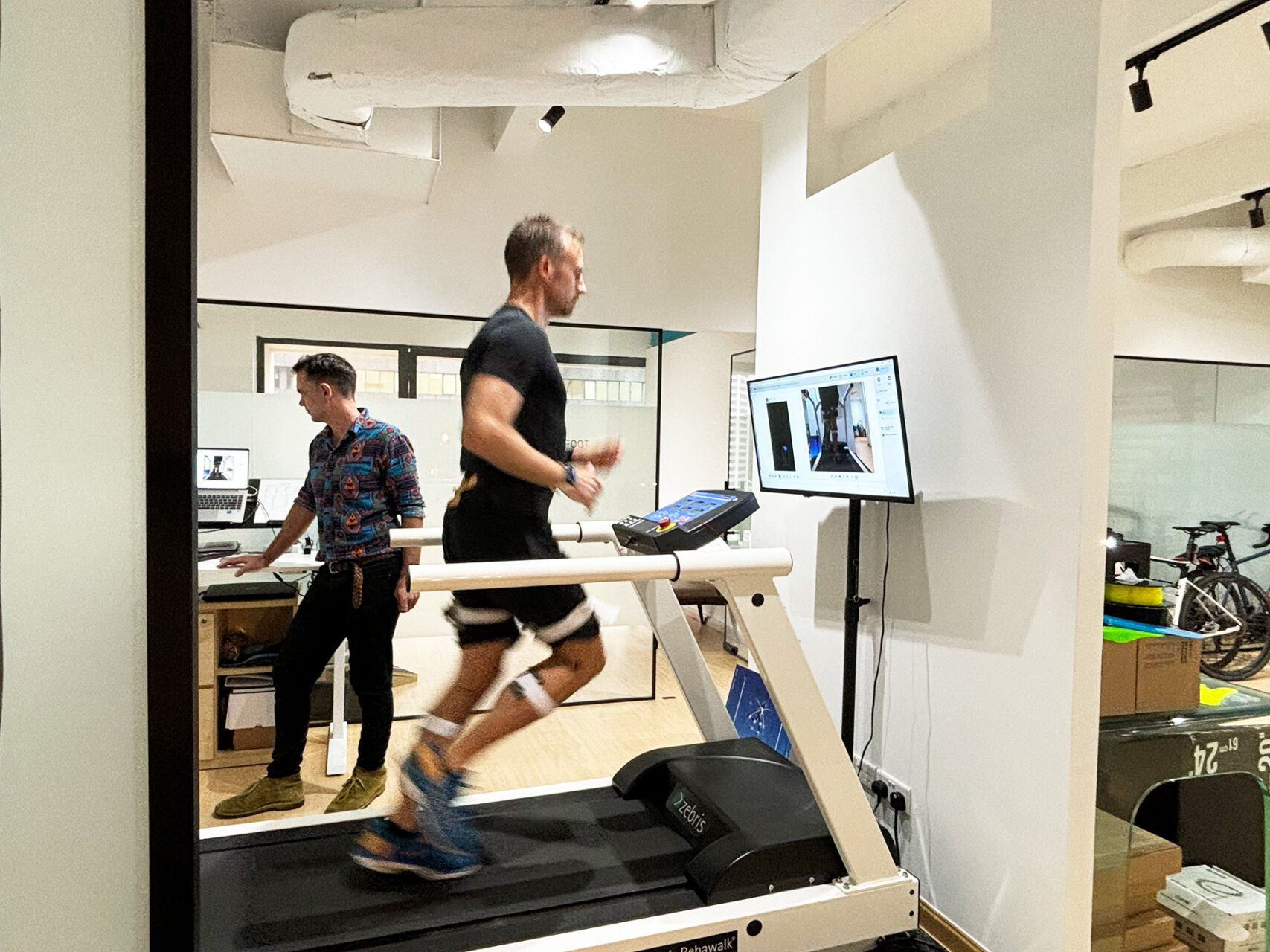
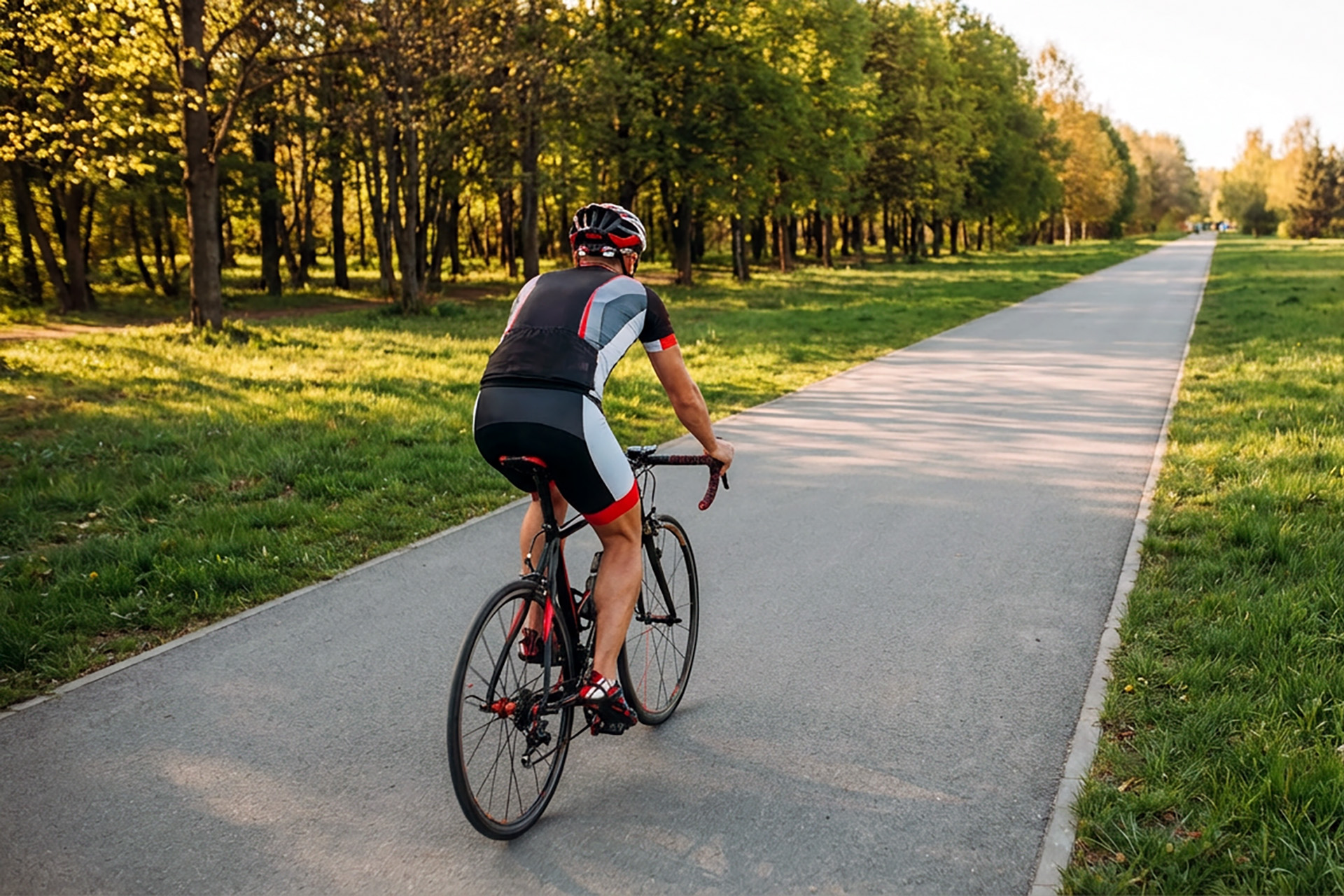
Bike fit is a structured process for adjusting the bicycle to the rider’s body dimensions, flexibility, and riding style, aiming to optimise comfort, performance, and injury prevention. A bike fitter can also be rehabilitative: adjustments are made specifically to reduce stress on an injured structure.
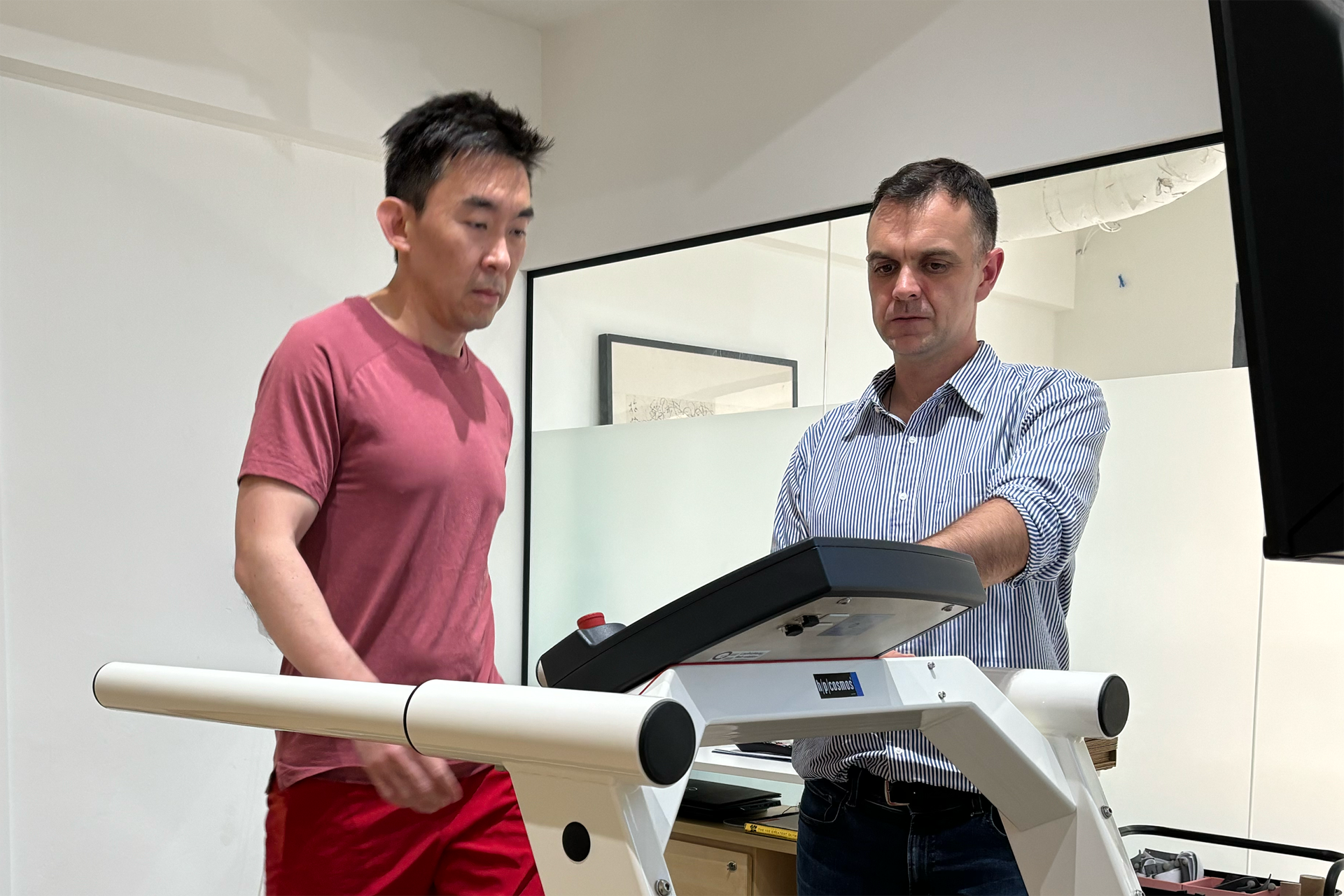
A podiatry-informed bike fit starts with a biomechanical assessment, typically looking closely at:
- Forefoot to rearfoot relationship (how your forefoot and rearfoot align under load)
- Evidence of leg length discrepancies
- Flexibility, particularly through the hips and knees
From there, the fit typically considers five core elements:
- Saddle height and position for appropriate leg extension and hip alignment
- Handlebar reach and drop to achieve a neutral, controllable posture that you can sustain
- Cleat position (often the most common driver of foot pain and knee pain mechanics due to cycling)
- Frame size and geometry, acknowledging the limitations of the rider’s current bike
- Flexibility and core strength
Why Small Changes Matter
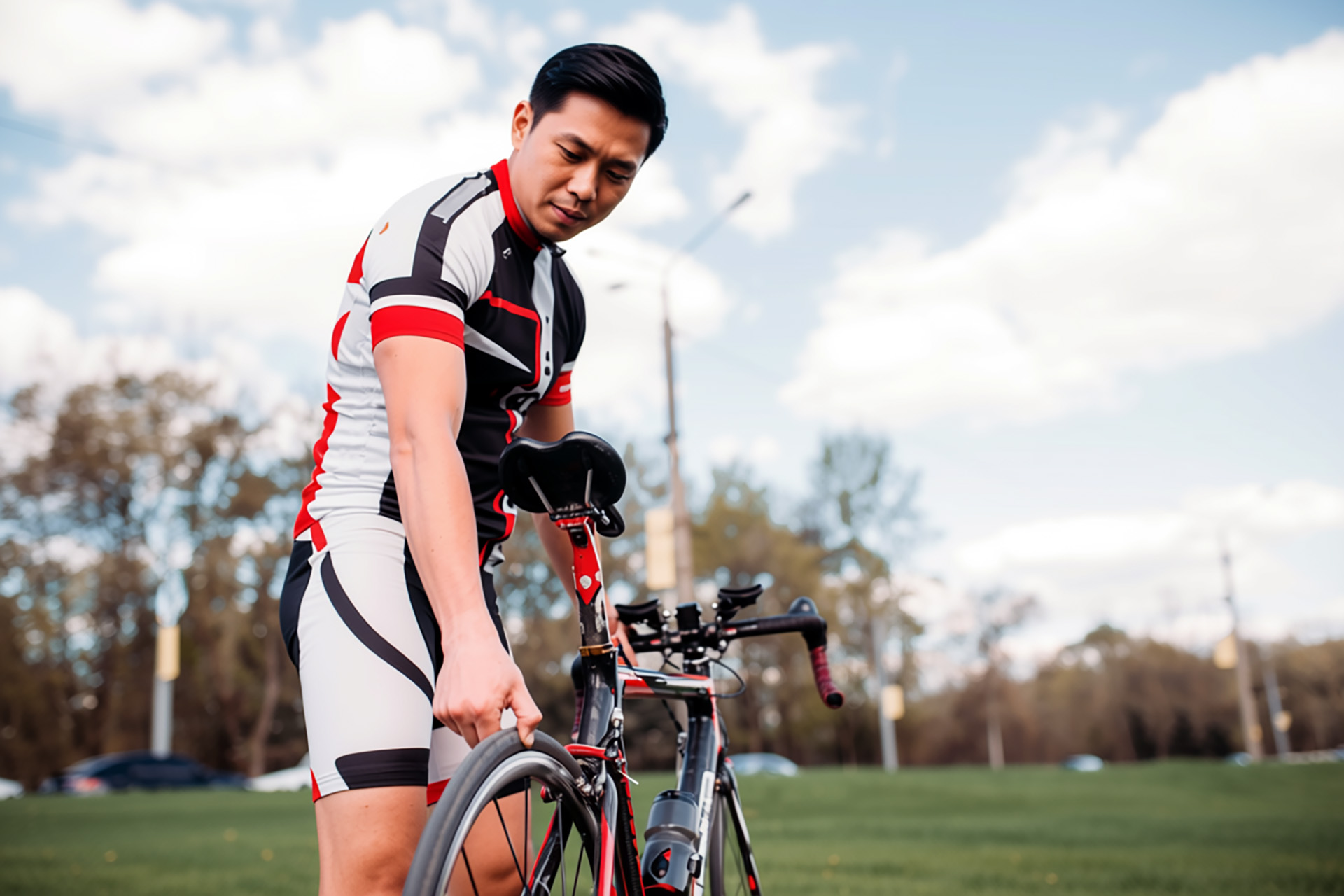
Cycling concentrates the load through the ball of the foot. If your cleat position, shoe fit, stiffness, or foot support is off, that excessive pressure can irritate plantar nerves, overload tendons, and pull the rest of the leg (especially the knee) out of its preferred line of travel.
A practical way to think about cleat set-up is through five adjustment categories:
1) Fore–aft cleat position
A common aim is to position the pedal spindle somewhere between the first and fifth metatarsal bones. Shifting the cleat forward tends to increase power at the expense of stamina. Shifting it back can improve stamina but may reduce peak power. For cycling-related foot pain, moving the cleat slightly back can reduce sustained pressure directly under the metatarsal heads and alleviate bottom-of-foot pain.
2) Medial-lateral cleat position
The goal is often to bring the foot ‘under’ the knee so the knee tracks vertically, improving power transfer and reducing frontal plane knee motion.
3) Wedging
As cycling is forefoot-dominant, the forefoot position can reduce compensations that travel backwards into the rearfoot and up to the knee. Wedging is used to support forefoot alignment and help control unwanted frontal plane motion.
4) Limb length discrepancy adjustments
A discrepancy may manifest as asymmetries in the pedal stroke or pelvic movement. When identified, it can be addressed through targeted setup changes rather than guesswork, potentially addressing pain outside the edge of foot cycling.
5) Rotation and float
Rotation aims to place the foot at a neutral angle that matches the rider’s natural gait angle. Float refers to the amount of movement allowed between the cleat and the pedal. The aim is to centre the float so the rider has some internal and external rotation available without fighting the pedal stroke.
Older, softer shoe designs were more prone to creating pressure points under the foot, contributing to what many riders describe as hot foot or burning forefoot discomfort. Stiffer soles in cycling shoes distribute pressure across the ball of the foot more evenly.
Conditions Related to Cycling
Below are common foot and ankle problems discussed, how they tend to develop in cyclists, and interventions that can reduce symptoms and recurrence and relieve pain.
| Condition | Likely causes and symptoms in cyclists | Interventions to alleviate the condition |
| Numbness and tingling, “hot foot” (metatarsalgia or neuroma-like irritation) | Poor cleat position can compress the plantar nerves or the blood supply. Soft soles and narrow platforms increase the risk of excessive pressure. Symptoms include numbness, tingling, a burning sensation, and ball-of-foot pain after cycling. | Move the cleat slightly back to offload the metatarsal heads. Use stiffer-soled cycling shoes and consider wider-fitting shoes. Review arch support and overall shoe fit to provide foot pain relief. |
| Plantar fasciitis | Poor arch support or unsupported forefoot varus posturing can drive rearfoot and midfoot pronation, irritating the plantar fascia. Often presents as bottom-of-foot pain during cycling, especially afterwards or when walking, and arch pain. | Improve arch support with a rigid off-the-shelf insert or custom orthoses. Add calf stretching and eccentric loading work where appropriate to alleviate pain. |
| Achilles tendonopathy | A saddle height set too high can make the rider ‘reach’ at the bottom dead centre, increasing repetitive pressure and repeated stress on the Achilles tendon, often with a toe-down pedal stroke pattern. | Lower the saddle height and consider moving the cleat back. Add progressive eccentric strengthening with heel raises and ankle raises for stretching. Review your overall position so the rider is not chasing the pedal stroke. |
| Posterior tibial tendon dysfunction (PTTD) | An unsupported foot shape or forefoot varus posturing may increase demand on the posterior tibial tendon. Symptoms can include medial ankle pain, fatigue, and reduced control of foot position. | Use wedging to support forefoot deformity and reduce compensations. Optimise cleat position to reduce unwanted knee and foot motion. |
| Peroneal tendon overload | Abnormal cleat rotation or inadequate float can force the foot to fight the pedal stroke. Uncompensated forefoot valgus may promote ongoing supination. Symptoms typically include pain on the side of the foot, after cycling, or on the outer foot. | Correct cleat position, rotation, and set the float so it sits within your available range. Use wedging or proper support strategies for forefoot valgus. Aim for a neutral foot angle that does not fight the pedal. |
| Metatarsalgia (ball of foot pain) | High pounds-per-square-inch excessive pressure under the ball of the foot, especially with a small attached foot pedal interface contact area. This is a common cause of ball-of-foot pain after cycling and can make the feet hurt. | Increase surface area at the shoe-cleat interface where possible, use stiffer cycling shoes, and consider a shock-absorbing insert if appropriate for foot pain relief. |
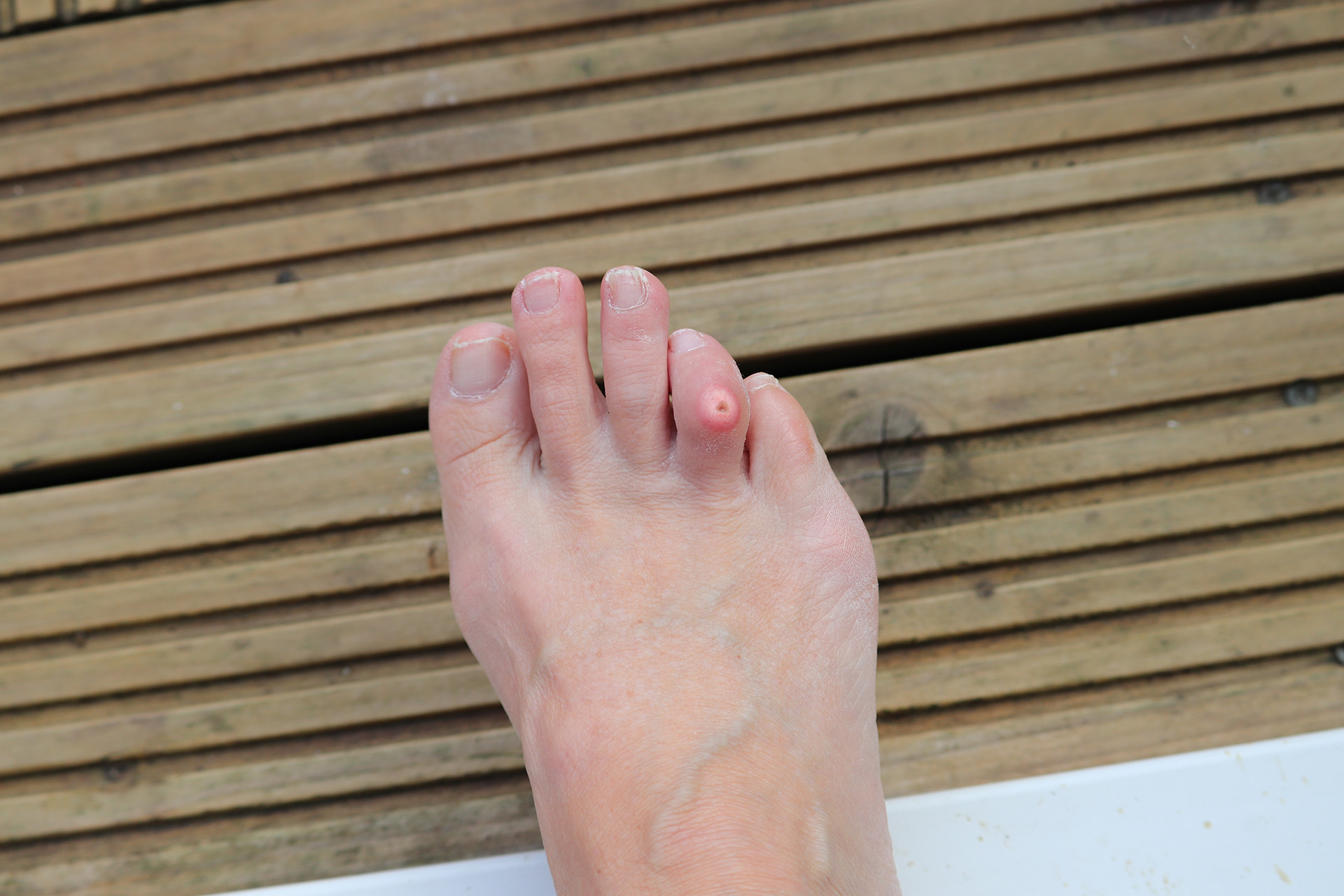
| Toe pain, clawing and cramping | Often reported when tight shoes are too large, lack proper support, or the rider’s grip for stability with the big toe. Symptoms include constant grasping of the toes and fatigue of the forefoot. | Correct shoe sizing and improve internal support so the foot is stable without gripping. Review positioning, especially if your feet are sliding or searching for stability. |
| Bunions (hallux valgus irritation in cycling shoes) | Forefoot width and foot shape can aggravate bunions, causing rubbing and pressure during long cycling sessions. | Use cycling shoes with a wider forefoot. Consider low-volume inserts that do not crowd the toe box. |
| Hallux rigidus | Stiffness at the big toe joint can flare with specific cycling shoes or with pressure over dorsal prominences, leading to big toe pain after cycling. | Many cycling shoes often accommodate well due to rigid outer soles. A rigid forefoot extension on the shoe may help some riders. |
| Cavus (high arches, higher-volume foot) | High-volume feet with high arches can be difficult to fit in shallow road cycling shoes, leading to increased pressure points and foot discomfort. | Consider deeper cycling shoes for extra volume. Focus on controlling forefoot-to-rearfoot deformities to reduce compensations and relieve pressure. |
| Pes planus (flat feet with pronation tendency) | Lower-volume feet may fit cycling shoes more easily, but may need arch support to improve alignment and reduce fatigue. | Off-the-shelf or custom orthotics can work well, but there should still be sufficient room in the shoes. Use wedging when needed to support forefoot alignment and overall foot health. |
Cyclists are not a uniform group, so no answer is one-size-fits-all. A podiatry-informed approach accounts for anatomy, flexibility, and the rider’s sport goals.
Diabetes, Neuropathy, and Circulation Concerns
Cycling can be an excellent way to manage weight and improve metabolic health. For riders with diabetes or neuropathy, practical priorities include ensuring that tight shoes do not cause top-of-foot pain after cycling and monitoring blood flow and skin integrity. As sensation can be altered in neuropathy, regular foot checks, good moisture wicking socks choices, and early attention to hot spots are even more critical to prevent foot issues.
Women and Cycling
Women commonly have a higher Q angle, the quadriceps angle, which measures the alignment of the quadriceps muscle and the kneecap, which can influence knee position and make it harder to align the foot under the knee with cleat medial-lateral adjustment alone. Women also often have proportionally longer legs relative to their torso, which can make bikes with shorter top tubes feel more comfortable and sustainable. Pelvic width may also make a wider saddle a better match. Many modern saddles reduce soft-tissue pressure, which can be beneficial for both women and men.
Flexibility and core strength matter too. Some women may be flexible enough to adopt an aerodynamic posture in competitive cycling, but may find themselves limited by core endurance rather than range of motion. In those cases, the best fit for positioning is the one that can be held comfortably and consistently.
Older Adults and Cycling
Many older riders lose neck and back flexibility over time. Highly aggressive race positions can become difficult to tolerate, even with excellent leg strength. Endurance-style road bikes and gravel bikes often allow a more upright posture, reducing strain on the neck and back, making long cycling sessions more enjoyable and sustainable for older cyclists.
How Podiatry Helps Cyclists
Podiatry support for cycling typically combines three pillars:
A thorough biomechanical assessment
Your podiatrist will conduct a complete examination of your posture and movement. Understanding forefoot-to-rearfoot alignment, limb-length considerations, and flexibility provides the foundation for meaningful change and prevents foot issues.
Optimising the shoe-cleat-pedal set-up
Minor adjustments in cleat position, fore–aft position, wedging, rotation, and float can reduce plantar nerve pressure and compression, improve knee tracking, reduce Achilles tendon strain, and provide temporary relief. Your podiatrist can also help assess the effectiveness of these minor changes and ensure they do not create new foot problems.
Orthoses (Custom and Semi-Custom Insoles)
Orthoses play a crucial role in cycling by managing the foot’s interface with the rigid cycling shoes and the pedal system. Unlike walking or running orthoses, cycling orthoses are designed to optimise a fixed position for cycling, promoting stability and efficient power transfer. Custom orthotics for cycling can provide proper footwear support.
Building resilience off the bike
Targeted intrinsic foot muscles strengthening exercises for the tiny foot bones and tiny bones, tight calf muscles stretching, flexibility work, and progressive loading programmes help keep the foot and ankle joint robust for both cycling and everyday walking and prevent overuse injuries and reduce inflammation.
Outdoor cycling should feel challenging in the legs, not punishing on the cycling foot. If you are repeatedly battling numbness, burning sensation, arch pain, sore soles, or Achilles tendon pain, it is not a matter of simply ‘toughening up’. It is almost always a solvable mismatch between your biomechanics, your bike position, and your shoe–pedal interface.
Whether you’re dealing with plantar fasciitis, Achilles tendonitis, nerve compression, stress fractures, or toe pain during prolonged pedalling in competitive cycling or mountain biking, proper support strategies with a podiatrist can help improve foot strength and alleviate foot pain. Make an appointment at The Foot Practice today to address your cycling foot pain and foot issues.