

Running places repeated loads through the feet and lower limbs. Injury risk depends on several factors, including training, recovery and previous injury; a variation in gait does not automatically need correction.
Custom orthotics are one possible option for selected symptoms, not a requirement for every runner.
These inserts are designed to support the feet within compatible shoes. Their effects on comfort and performance vary, and they cannot prevent every injury.
The Foot Practice offers custom insoles for runners. Pressure measurements may add information to an assessment, but fit and response vary between people.
When Custom Orthotics May Be Considered
Pronation and supination are parts of normal foot movement. A clinician considers symptoms and function before deciding whether an insole or another change is useful.
Custom orthotics are made for an individual’s feet and intended use. They can change support or pressure under the foot, and some runners find them comfortable. They do not necessarily correct alignment or prevent plantar fasciitis, Achilles symptoms or shin pain.

Gait Assessment and Custom Orthotics
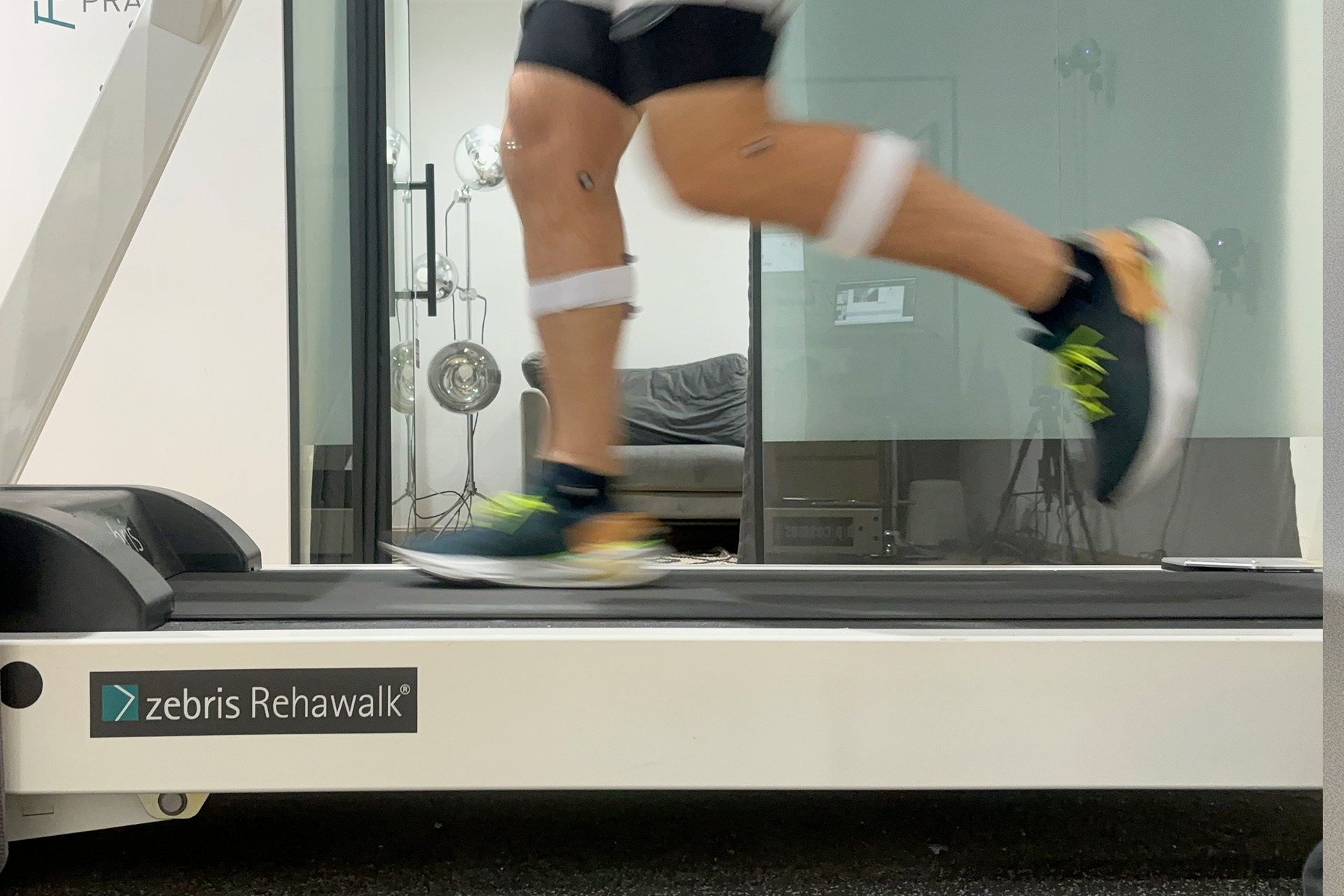
The Foot Practice uses the RehaWalk® pressure-sensing treadmill as one assessment tool. Measurements can complement the history and examination but do not automatically identify an ideal insole.
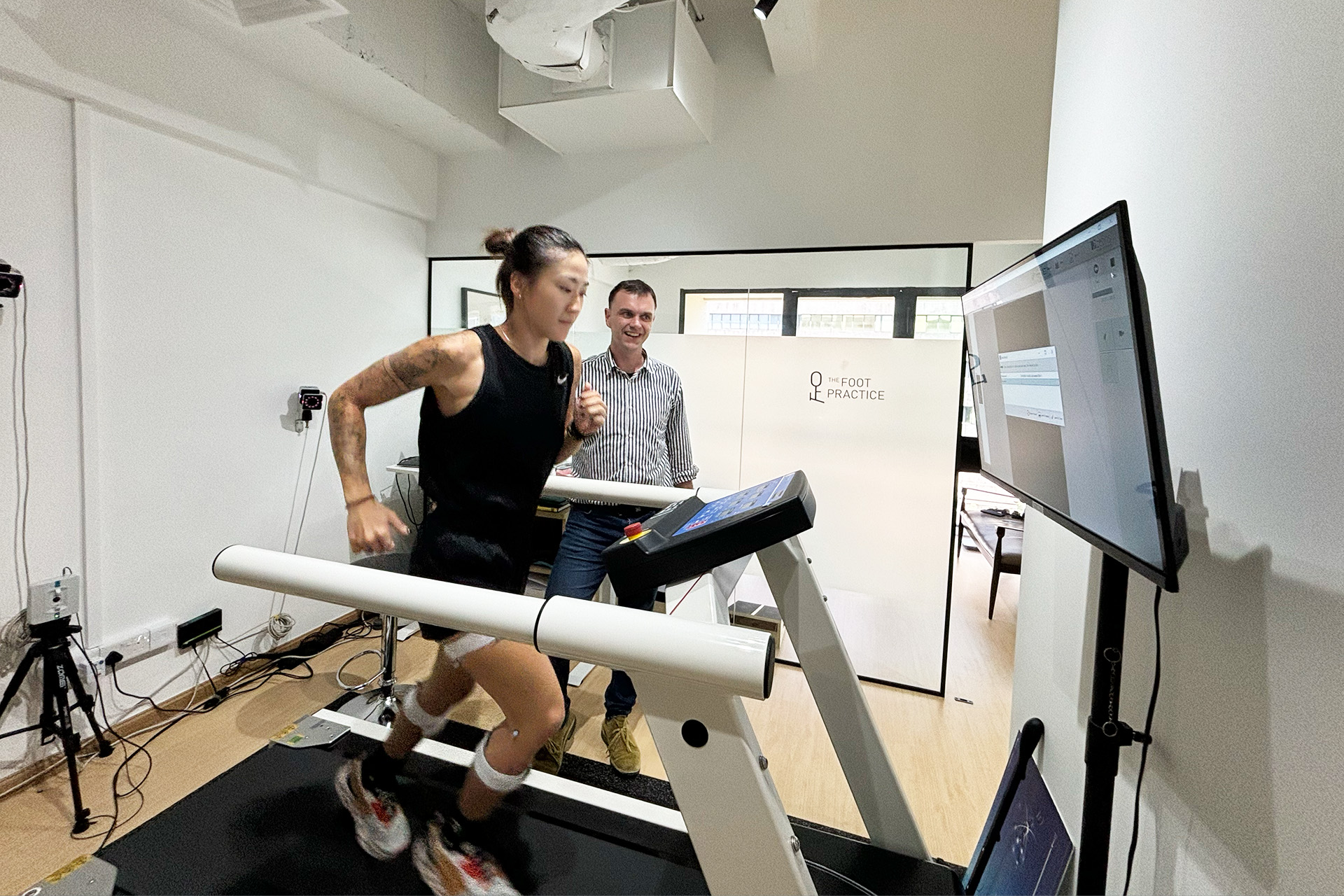
1. Pressure and Movement Assessment
The RehaWalk® system measures aspects of foot pressure during movement. A clinician considers these findings alongside symptoms, training and examination when discussing whether an insole may be useful.
2. Interpreting Movement Measurements: A clinician considers foot loading alongside symptoms, training and examination. A measured movement difference does not by itself require correction.
3. Matching the Insole to Use: Footwear, running activity and comfort help guide an insole trial. Pressure data do not guarantee suitability or a particular outcome.
4. Gait Rehabilitation
The RehaWalk® system provides feedback about aspects of foot loading. A clinician may use this information alongside assessment and exercises, but it cannot guarantee improved performance, reduced fatigue or injury prevention.
The Benefits of Custom Orthotics for Runners
A custom insole may be considered for a runner’s symptoms or footwear needs. Comfort and the effect on running vary, and insoles cannot guarantee better performance or prevent injury.
Insole materials differ in cushioning and stiffness. The effect on comfort and loading varies; changes in pressure under the foot do not prove reduced stress at every joint.
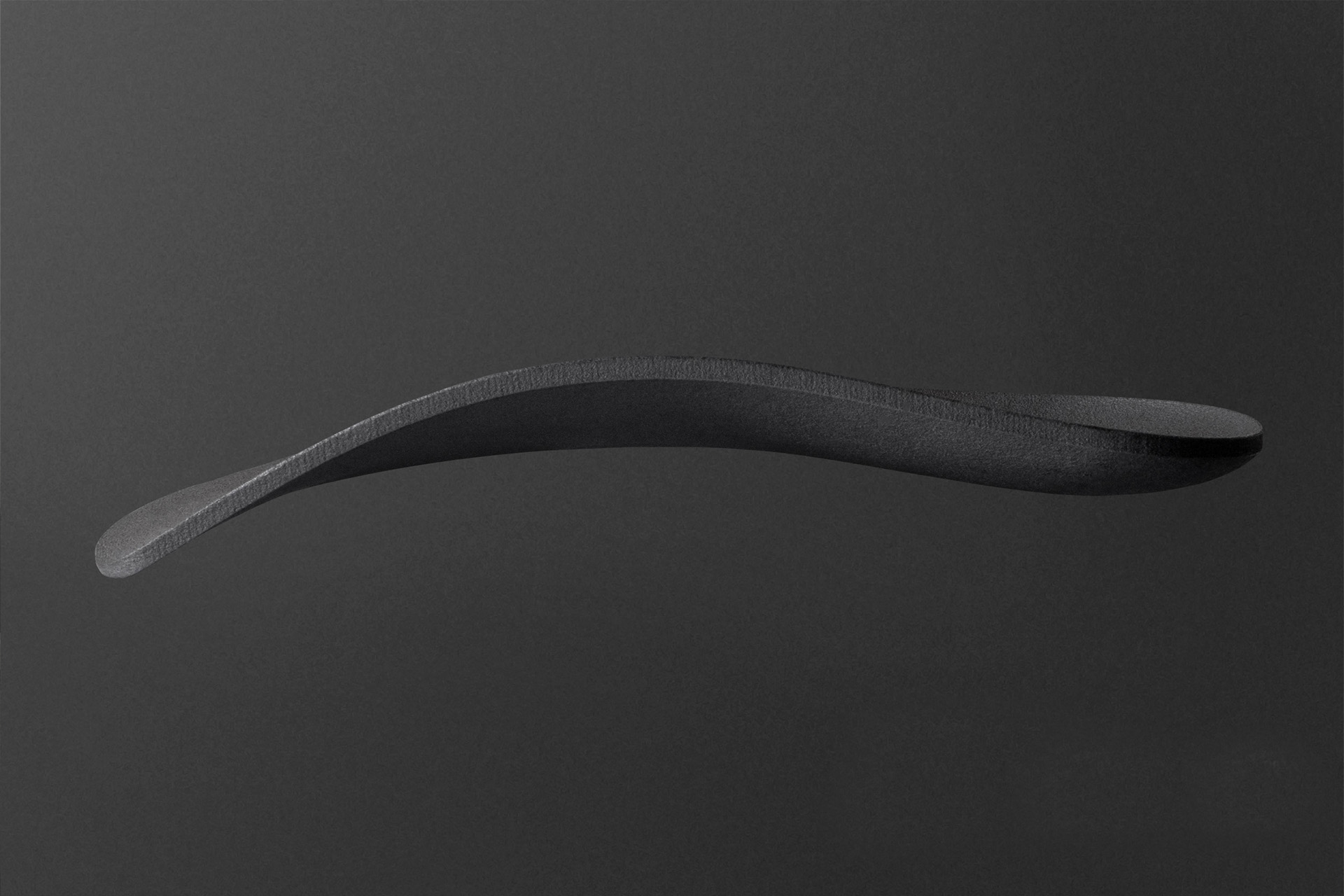
Some runners find an insole improves comfort or support, but it cannot guarantee improved running efficiency, prevent ankle sprains or correct every gait pattern.
Plantar heel pain and Achilles tendon pain have different causes and treatment needs. Insoles may improve comfort for some runners, but they do not reliably address every cause or guarantee a faster recovery.
When Should Runners Consider Custom Orthotics?
Persistent symptoms deserve an assessment before choosing an insole. Reasons to seek advice include:
- Persistent foot, ankle, or knee pain, even with rest and basic treatments
- Recurring injuries, especially those related to soft tissues and joints
- A change in foot movement accompanied by pain or functional difficulty
- Difficulty with balance or stability while running, especially on uneven surfaces
A clinician can discuss whether an insole is appropriate for a runner’s symptoms and footwear. Benefits vary, and improved alignment or performance cannot be guaranteed.
Discussing Running-Related Foot Symptoms
A podiatrist can assess running-related foot symptoms and discuss whether an insole or other approach may be suitable. Comfort and response vary.
To discuss running-related foot symptoms and suitable options, you can book an assessment with a podiatrist.