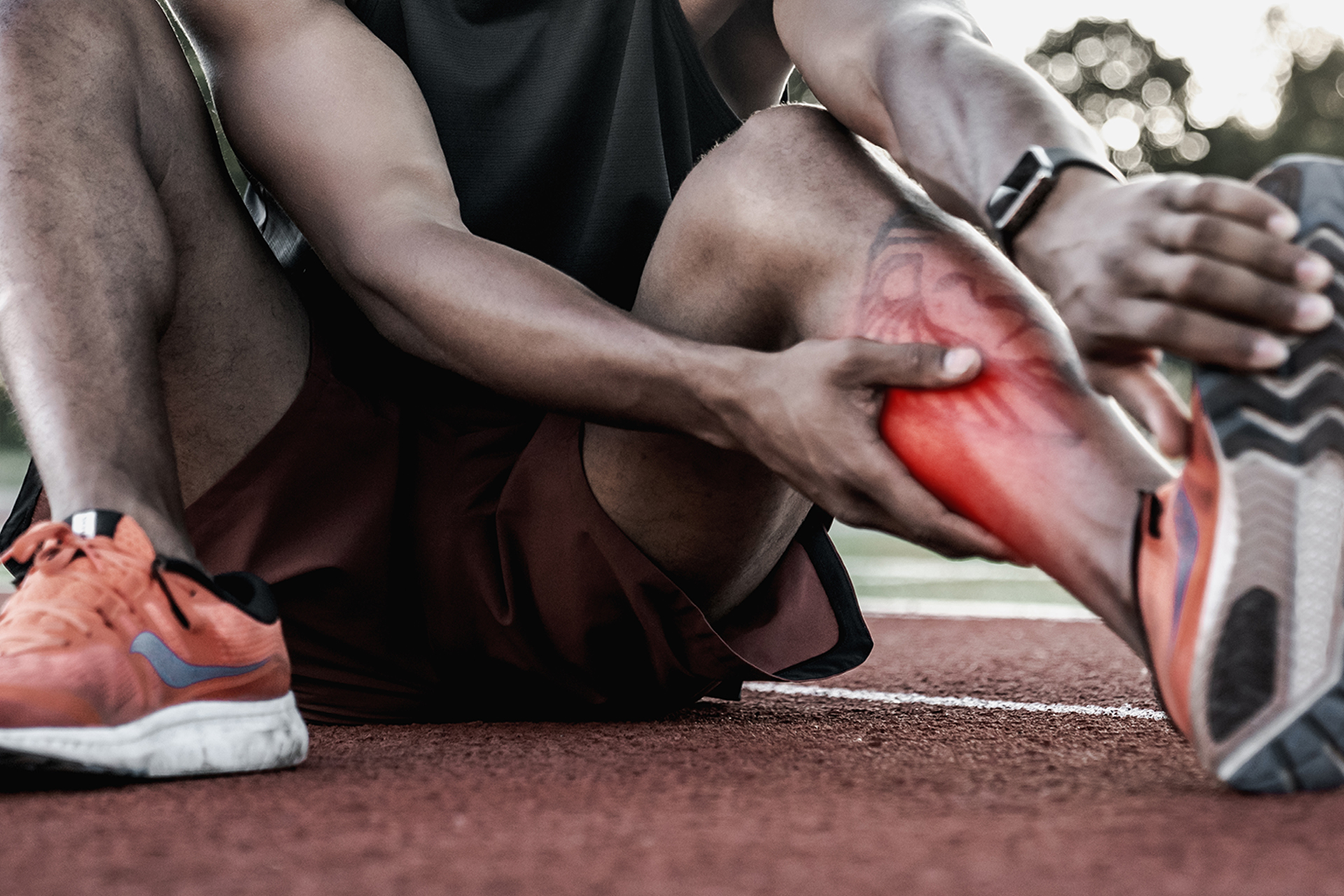
What Is a Posterior Shin Splint?
A posterior shin splint is a common overuse injury that causes pain along the inner back border of the shin, usually where the tibialis posterior and nearby lower leg muscles attach to the tibia. They are common among runners, jumpers, and other active people, and the most common cause of posterior shin splints is a rapid increase in training load that outpaces tissue adaptation.
Although the term may sound specific, posterior shin splints are not always straightforward. They can sit on a spectrum from soft tissue overload to bone stress injury. That is why diffuse pain over a broader strip of the shin bone is reassuring compared with sharp, highly localised, severe pain at a single point, which raises greater concern for stress fractures.
The tibialis posterior muscle helps support the arch and control the foot as it lands and pushes off. When that system is under repetitive stress, the muscles, tendons, and bone tissue along the shin can become irritated. Flat feet, excessive pronation, tight calves, worn shoes, hard surfaces, and sudden increases in training can all exacerbate the existing stress. In Singapore, podiatrists often see this pattern among runners who increase mileage on park connectors, or among National Service trainees returning to higher-volume physical activity.
Symptoms
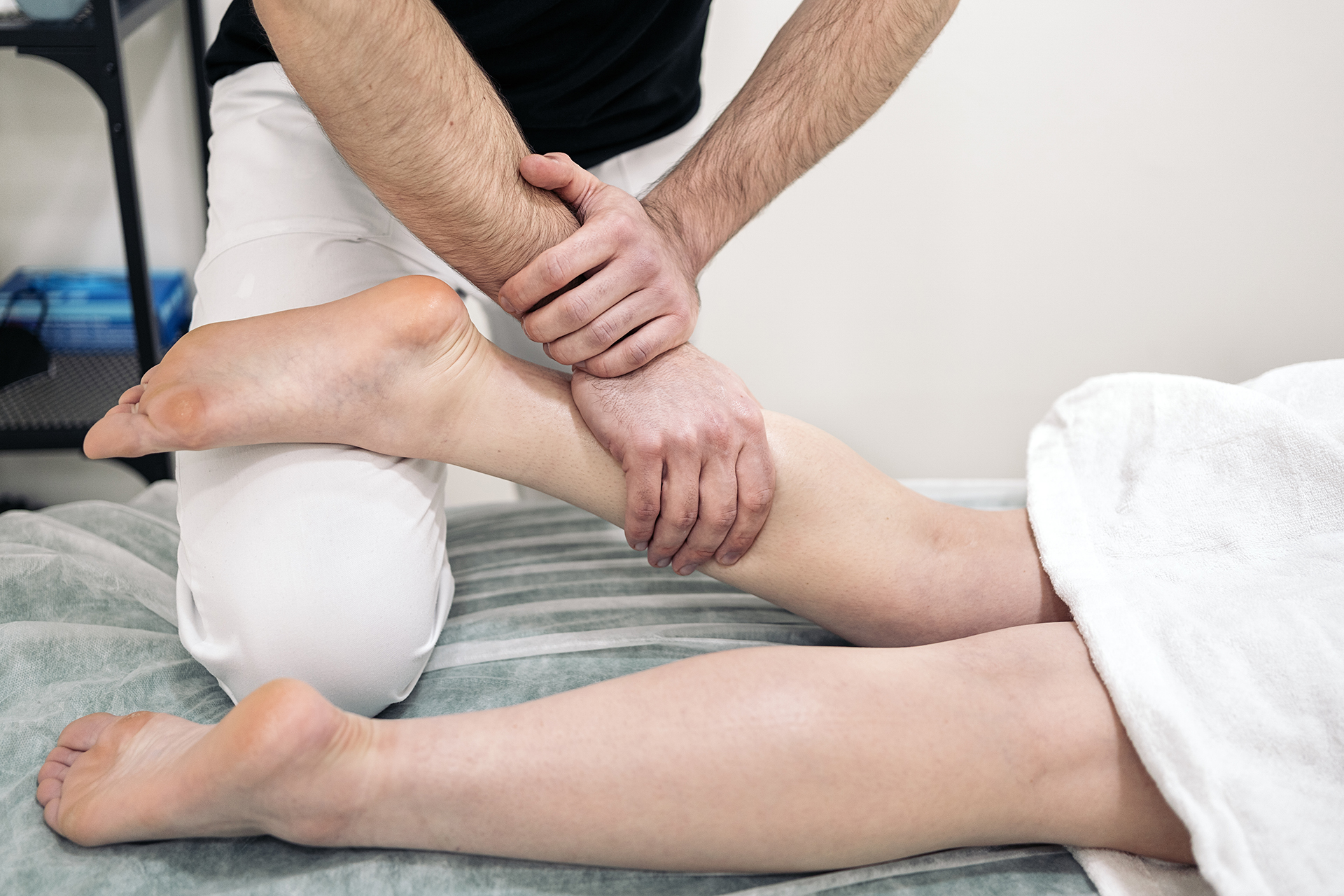
Shin splints symptoms usually include a dull ache along the inner edge of the shin that builds with running, brisk walking, jumping or prolonged physical activity. In the early stage, the discomfort may begin during exercise, ease slightly as you warm up, and then return later in the day, or the next morning. Many describe tenderness along a longer strip along the inner edge of the tibia rather than at a single exact spot.
As symptoms progress, patients with posterior shin splints notice pain that starts earlier in their activity and lingers into ordinary walking. Hills, speed work and hard surfaces often make shin splints worse. Mild swelling may occur, and some runners notice small bumps or tender, thickened areas along the inner edge of the tibia. Shin splints often affect the inner lower shin, but some patients use the phrase ‘upper posterior shin splints’ to describe pain that tracks farther up the posteromedial border. That pattern needs proper assessment, especially if it is sharp or focal.
Posterior shin splint stretches, massages, or taping may ease pain and inflammation in the short term, especially if calf tightness is part of the picture, but they do not replace a proper diagnosis and load management. The important warning sign is pain that becomes sharper, more localised, or increasingly present at rest. In these cases, it’s important to obtain a prompt diagnosis or seek podiatric care.
When to See a Podiatrist
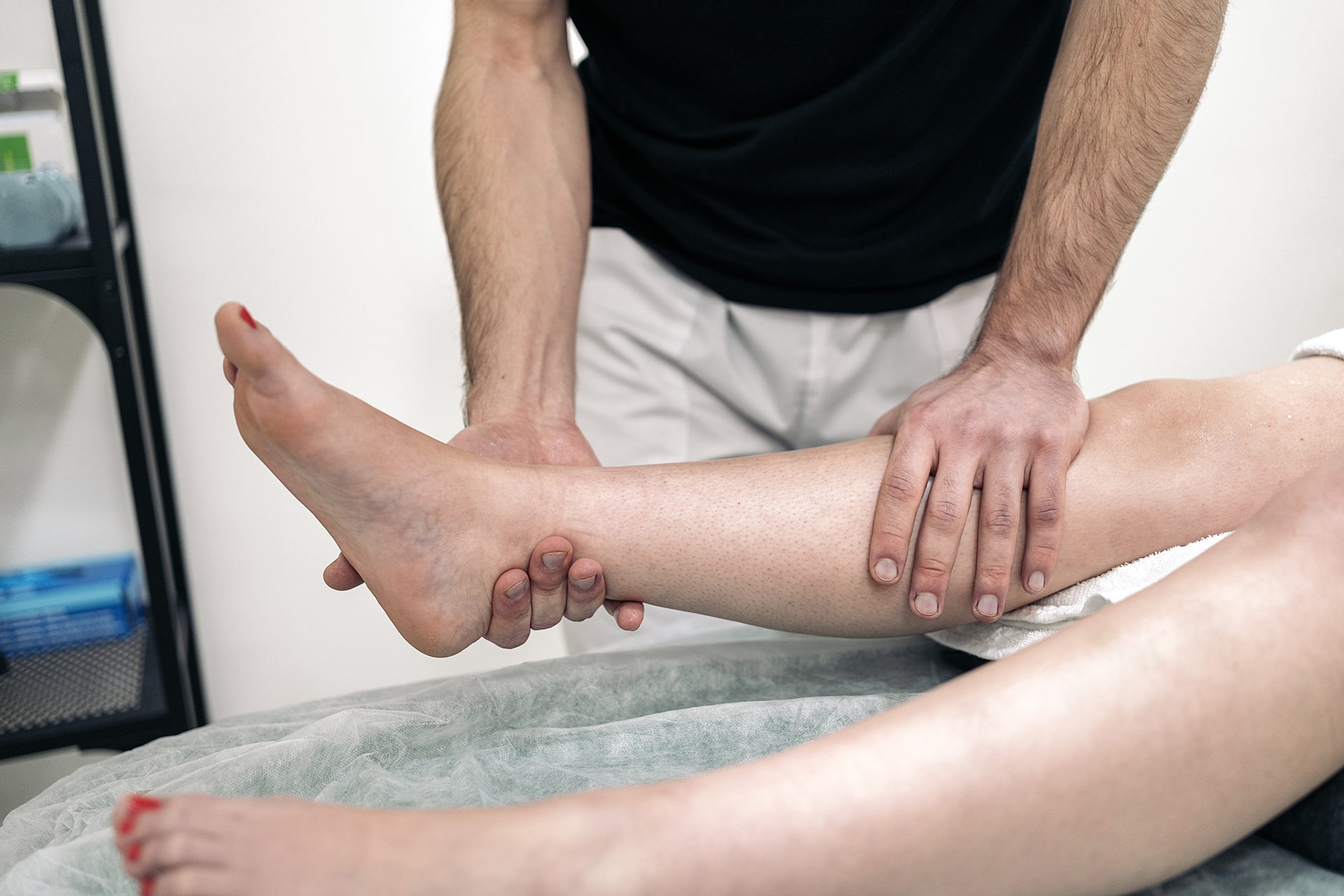
You should see a podiatrist if shin splints keep returning, are getting worse, or are affecting both walking and sports. If shin splint pain persists beyond a short period, recurs every time you try to train, or no longer follows a simple warm-up-and-settle pattern, it is sensible to seek assessment. Shin splints develop into a chronic problem more easily when the cause is not identified early.
Prompt review is especially important if the pain is sharp, very localised, associated with night pain, or not improving even after reducing physical activity. These features make stress fractures a more likely possibility and should not be ignored. Ongoing swelling, numbness, coldness or cramping with exertion may also raise concern for exertional compartment problems rather than routine shin splints.
Diagnosis
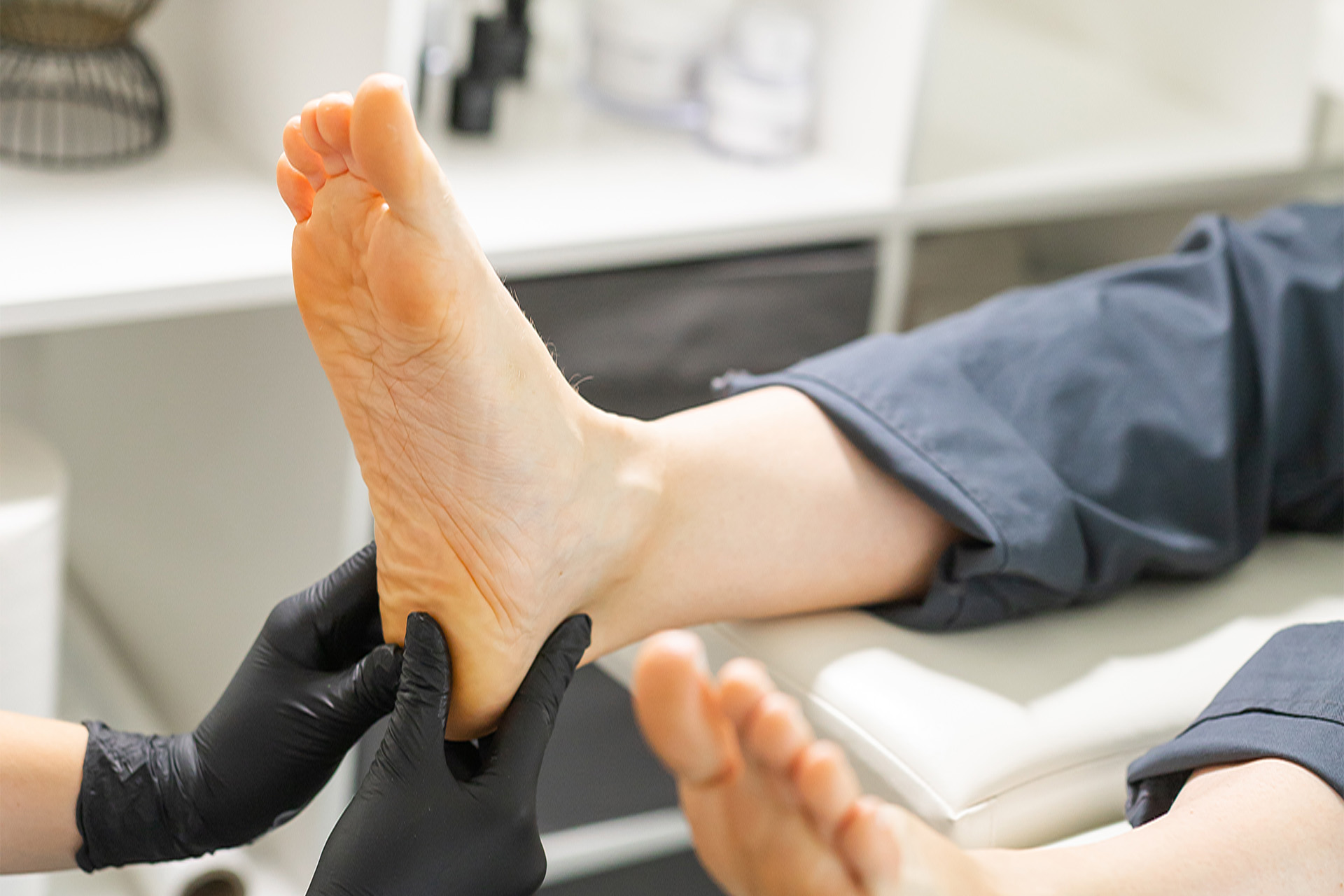
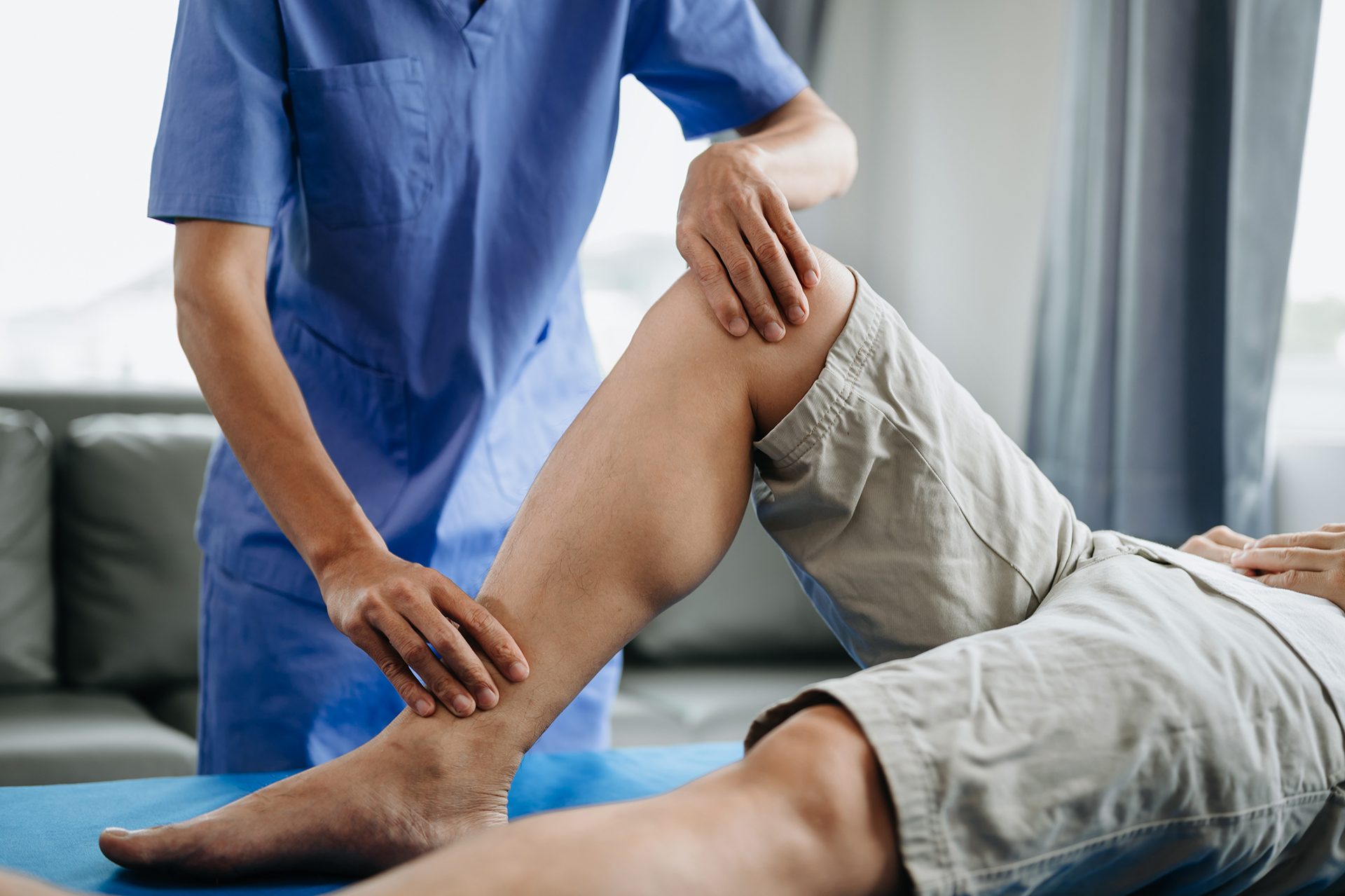
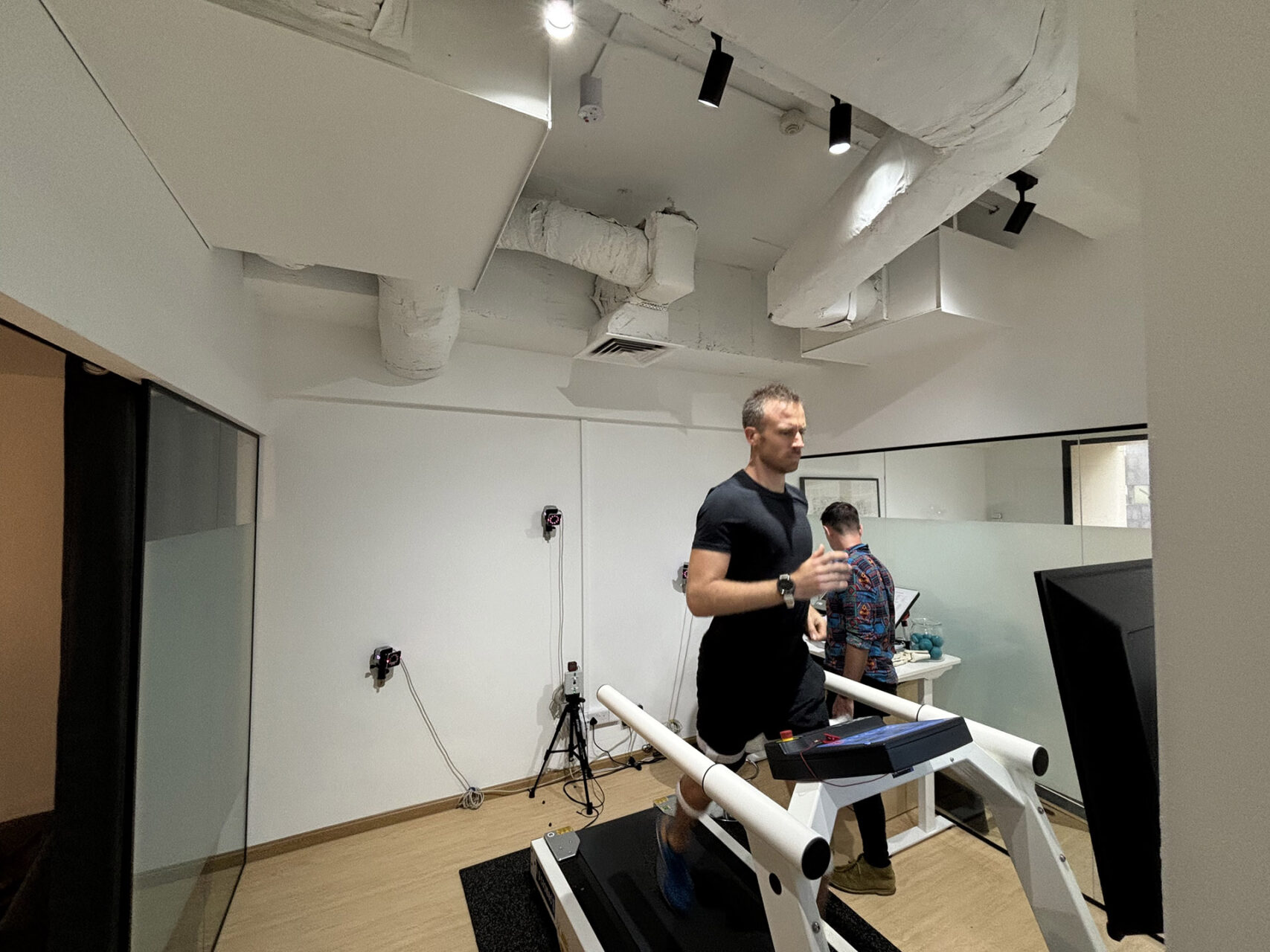
Diagnosis of shin splints starts with a clinical assessment of symptoms, training load, footwear, and lower-leg biomechanics. A podiatrist will take a medical history and ask when the pain began, whether there has been a sudden increase in running distance, pace or hills, and what shoes you use. They will perform a physical examination of the lower leg for tenderness, swelling, and pain patterns, and assess calf flexibility, ankle motion, flat feet, foot posture, and arch control.
At The Foot Practice, diagnosis also looks at how forces move through the foot and lower leg. Excessive pronation, poor shock absorption, calf fatigue, and inefficient stride mechanics can all increase the tibialis posterior’s pull on the shin bone. When those issues are overlooked, symptoms of posterior shin splints often recur even after a period of rest.
Most cases are diagnosed clinically, but imaging may be considered if persistent pain has lasted for several weeks, if stress fractures are suspected, or if the pattern is unclear. Magnetic resonance imaging (MRI) is commonly used to rule out a bone stress injury, and a bone scan may also be used in selected cases. Ultrasound scans may sometimes be helpful for a soft-tissue review.

Non-Surgical Management
The management of shin splints typically focuses on reducing the load, correcting biomechanics, and gradually rebuilding tissue capacity. Many patients hope for an immediate treatment for posterior shin splints, but the most effective approach is usually a staged one rather than a quick fix.
The first step is relative rest, which means reducing the activities that provoke your symptoms. Running and jumping may need to be scaled back, while using a stationary bike, swimming, or cross-training helps maintain physical activity without aggravating the lower leg.
Cold packs and nonsteroidal anti-inflammatory drugs (NSAIDs) may reduce pain and inflammation in the early stage, when medically appropriate.
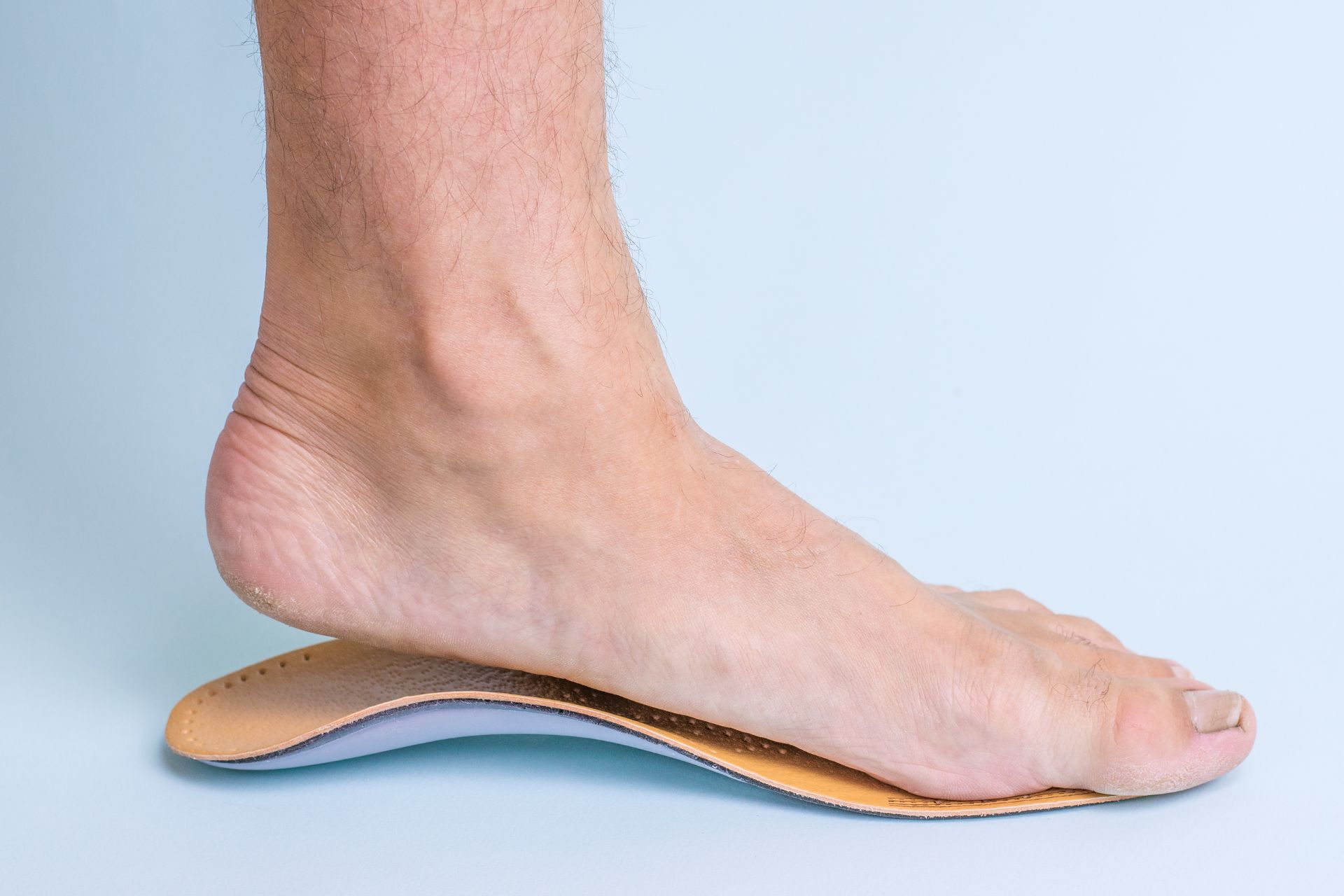
Supportive footwear is important for all physical activity during recovery from posterior shin splints. Worn-out shoes or supportive shoes with poor shock absorption can place excessive stress on the shin bone. Shoe inserts or shock-absorbing insoles help reduce stress and ease shin splint pain. For runners with flat feet and pronation-related overload, custom orthoses may help reduce strain on the tibialis posterior and the inner shin.
Once regular pain subsides, stretches for posterior shin splints and strengthening work become more important. Calf stretching, ankle mobility, progressive calf raises, and foot control work can all help when prescribed appropriately. Hip and core strength may also need attention. Using a slightly bent-knee landing technique and keeping the leg straight during calf stretches can improve lower-leg flexibility and help prevent shin splints. The aim is not just to reduce pain, but to improve how the whole lower leg handles force.
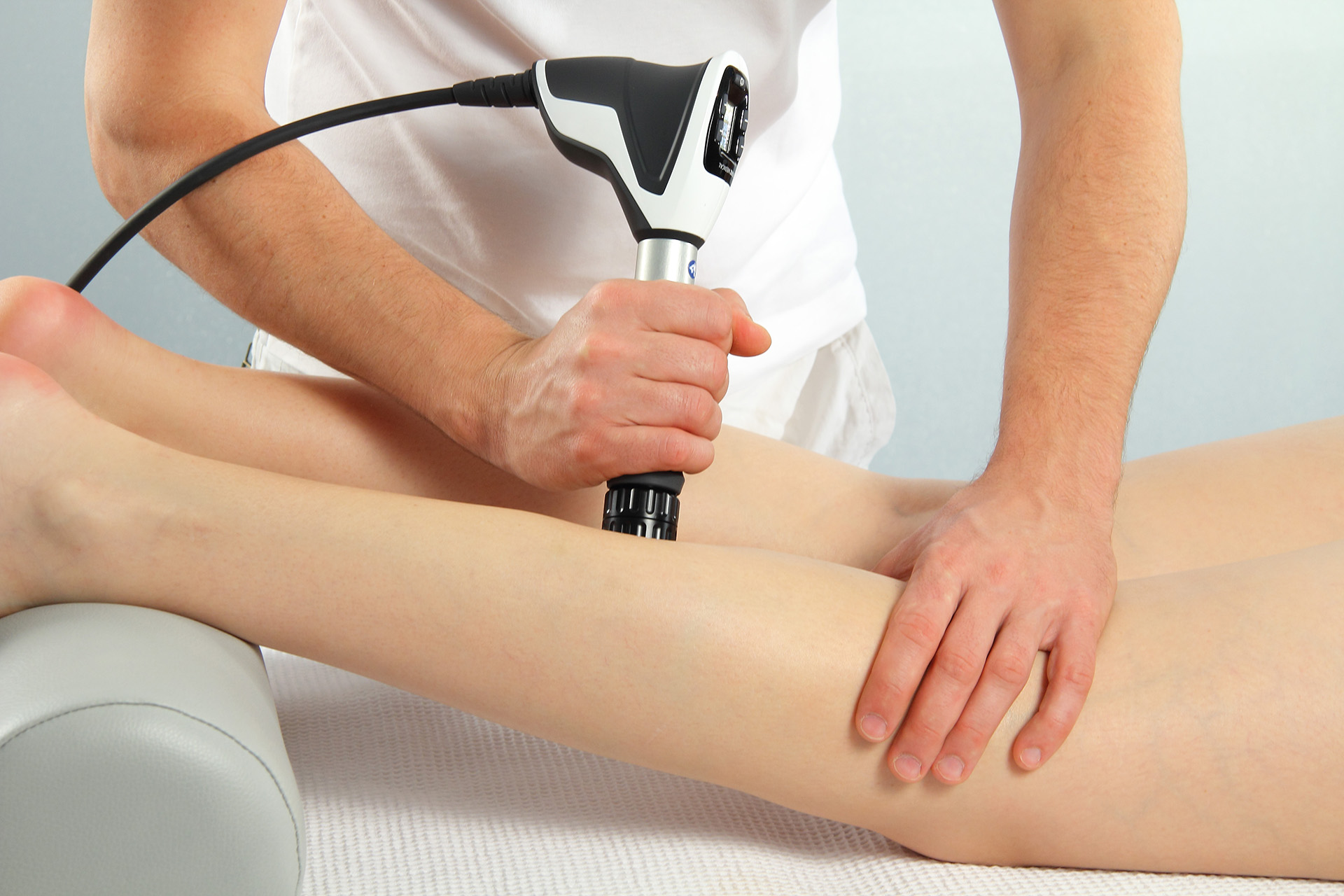
A posterior shin splint massage may ease tight lower-leg muscles and provide short-term comfort, but it should be seen as supportive rather than curative. The same applies to posterior shin splints taping. If the underlying training error or biomechanical issue remains unchanged, shin splint pain usually returns.
To prevent shin splints from recurring, a gradual return to the exercise routine is essential. Running on uneven surfaces should be reintroduced slowly, keeping feet flat and stable during early sessions. Shin splints develop most commonly when there is a sudden increase in training volume, intensity or terrain.
Shin splints often resolve fully when load, footwear and movement patterns are all addressed together.
Surgical Options
Surgical options for shin splints are generally reserved for unusual or complicated severe cases. Most people recover without surgery when the diagnosis is correct, and the load is managed properly. Surgery is not a routine solution for ordinary shin splints.
The main exception is when symptoms are linked to compartment syndrome rather than simple posteromedial overload. In that situation, a fasciotomy may be considered to release pressure within the affected compartment.
Risks and Recovery
Posterior shin splints recovery is usually good, but the timeline depends on how early the problem is addressed and whether the real cause is corrected. Mild cases may improve within a few weeks with sensible load reduction and a gradual return to physical activity. Longer-standing or recurrent cases can take six to eight weeks or more, especially if the patient has continued running through the pain or has unresolved lower-leg biomechanical drivers.
The biggest risk of ignoring shin splint pain is the progression to stress fractures or a tibial stress injury. This is why sharp, focal leg pain, pain that lingers at rest, or pain that worsens despite cutting back should not be dismissed. Another risk is recurrent flare-ups caused by returning to a full exercise routine too soon. A staged return matters: run on flat ground before uneven surfaces; easy running comes before speed work; volume should rise gradually, with no sudden increase, rather than jumping straight back to baseline. By following these tips, you can stay active and also keep shin splints away.
Get Help for Posterior Shin Splints
Shin splints respond best when the source of overload is identified early and managed properly. If you have recurring pain along the inner edge of the shin, tenderness that returns with every run, or concern that the symptoms may be more than a simple overuse problem, it may be time for a podiatry assessment.
At The Foot Practice in Singapore, our podiatrists assess your gait, supportive footwear, foot posture and training load, not just the painful spot itself. That helps us create a personalised plan built around load management, footwear advice, shoe inserts or orthotic support where appropriate, and progressive strengthening exercises and mobility work. Contact us today to arrange a consultation for your posterior shin splint.