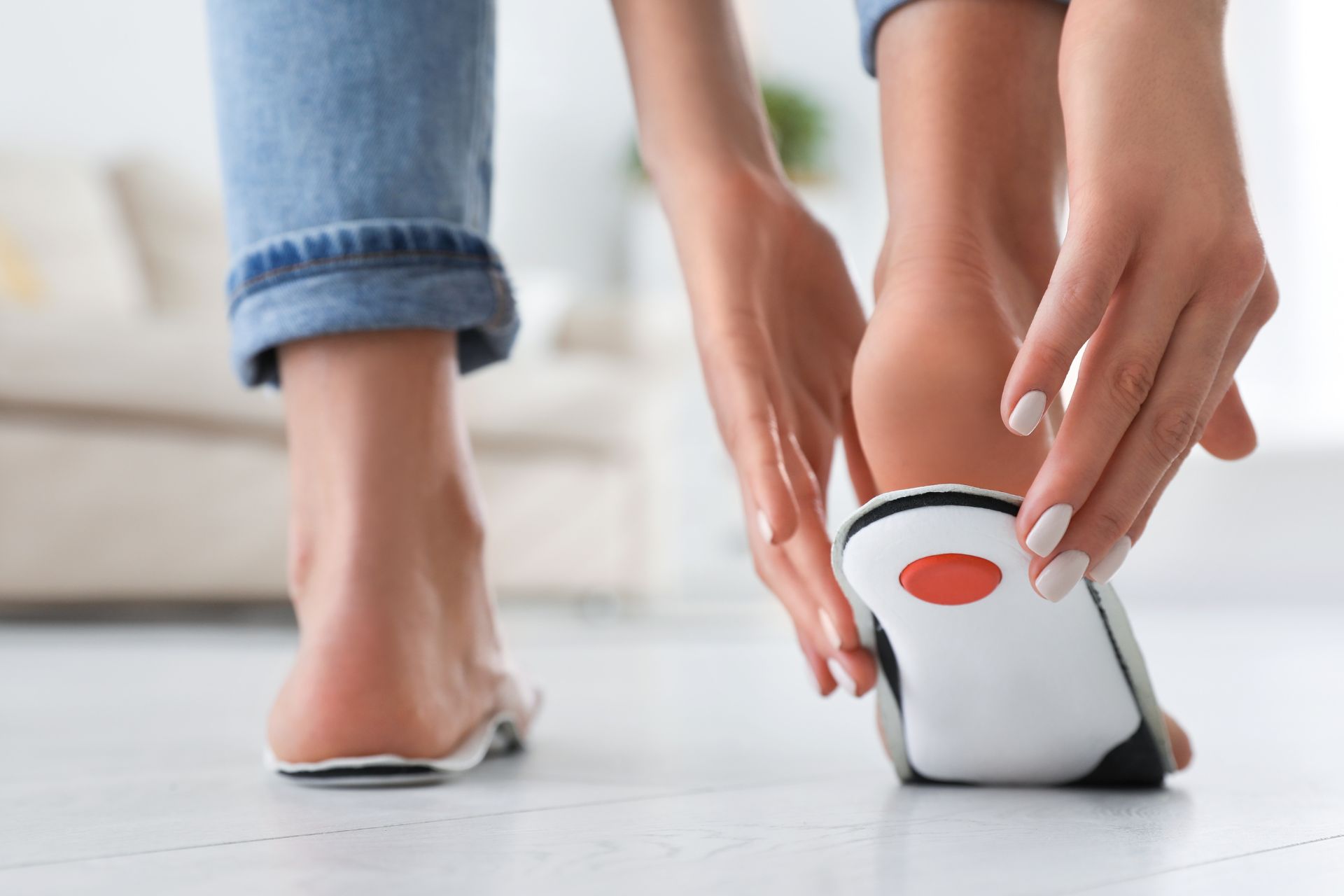
Orthotic insoles are shoe inserts intended to change support or pressure under the foot. They can be useful for selected symptoms, but they are not necessary for everyone and do not treat problems throughout the body.
The Hidden Power of Arch Support
Arch support is one possible design feature. Whether it is helpful depends on symptoms, footwear and the individual foot.
The arch changes shape during movement and helps the foot manage load. A low or high arch is not automatically a defect or a reason to prescribe an insole.

An insole can redistribute pressure, but does not necessarily spread it evenly. Comfort and function matter more than achieving a particular arch shape.
5 Benefits of Orthotic Insoles
The possible benefits below depend on the condition and the individual response:
- Knee, hip and back discomfort: Some people find insoles more comfortable, but pain in these areas has many possible causes and an insole cannot guarantee relief or correct overall posture.
- Sport-related comfort: Insoles may be considered for specific symptoms. They cannot be relied on to improve performance or prevent sports injuries.
- Fatigue Reduction: You know how exhausting it can be if you spend long hours on your feet. Orthotic insoles can help distribute your weight more evenly, reducing fatigue and making those long shifts more bearable.
- Support while worn: An insole can change loading under the foot, but does not reliably correct whole-body posture.
- Foot comfort: Insoles may relieve pressure for some people. Evidence is insufficient to claim they prevent bunions or other toe deformities.
Custom vs. Over-the-Counter: Finding the Right Fit
One common misconception about orthotic insoles is that they need to be custom-made to be effective. While custom orthotics certainly have their place, particularly for those with severe foot conditions or post-surgical needs, many people can benefit significantly from high-quality over-the-counter options.
Ready-made inserts can be a reasonable option for some conditions. Custom devices are not consistently superior for pain relief; selection should reflect the diagnosis, fit and response rather than the label alone.

However, while over-the-counter orthotics can benefit many, seeing a podiatrist is preferable for personalised care. A podiatrist can thoroughly assess your foot health, diagnose any underlying conditions, and recommend the most appropriate intervention, which may include custom orthotics if necessary. They can also offer guidance on proper foot care and help prevent future issues.
When to Consider Orthotic Insoles
Consider an assessment if you have symptoms or a changing foot shape. These situations do not automatically mean you need an insole:
- You experience regular foot fatigue or discomfort, especially after long periods of standing or walking.
- You have foot pain or a new change in arch shape, rather than simply a low or high arch.
- You’re dealing with knee, hip, or lower back pain that worsens with activity.
- Sport repeatedly causes foot discomfort despite appropriate footwear and training adjustments.
- You work in a job that requires long hours on your feet.
- You’re noticing changes in your foot shape or experiencing conditions like plantar fasciitis.
The Right Step Forward
An insole is one possible part of foot care, not a universal preventive device. A comfortable shoe or a different treatment may be more appropriate.
This is why seeking professional advice when considering orthotic insoles is important. At The Foot Practice, our team of experienced podiatrists can assess your needs and guide you towards the best solution for your feet. Whether that’s a particular type of over-the-counter insole or a custom-made orthotic, we’re here to help you take the right step towards better foot health.

Contact The Foot Practice if persistent foot discomfort is affecting your activities.