
What Is A Diabetic Foot And Why Is It A Problem?
Diabetic foot wounds are one of the highest contributors to non-traumatic lower-limb amputations. For a diabetic, an infection in the foot may go unnoticed, which can lead to serious consequences, with amputation of the foot being a reality from an undiagnosed or untreated injury.
A diabetic foot could be due to either of these two conditions stemming from diabetes:
- Peripheral arterial disease (PAD). PAD limits blood flow to the extremities, including the feet and lower limbs. A small wound that would typically heal quickly in a healthy person will take longer due to limited blood flow and poor circulation. While it heals, that wound is vulnerable to other infections.
- Sensory neuropathy. Nerves in the foot can be damaged with the ongoing progression of diabetes. This condition is called sensory neuropathy, in which the foot begins to experience numbness. The lack of sensation in the foot makes it harder for a diabetic to detect injuries, such as cuts, sores, or blisters.
Both peripheral arterial disease and sensory neuropathy can turn minor foot abnormalities into complex health issues for diabetics, which makes diabetic podiatry treatment crucial for anyone with diabetes. Read more about foot care for people with diabetes.
What Is A Diabetic Foot Screening?
Podiatry management requires long-term planning as a diabetic foot is a chronic, but manageable, condition. The Foot Practice’s experienced podiatrists will develop a treatment plan to identify risks based on PAD and sensory neuropathy tests.

A diabetic foot screening is vital in assessing the extent to which diabetes is affecting your feet. Our specialised podiatrist can determine the extent of sensory neuropathy or PAD to evaluate your risk of infection through a series of tests, such as assessing loss of feeling in the feet and whether sufficient blood supply reaches the feet.
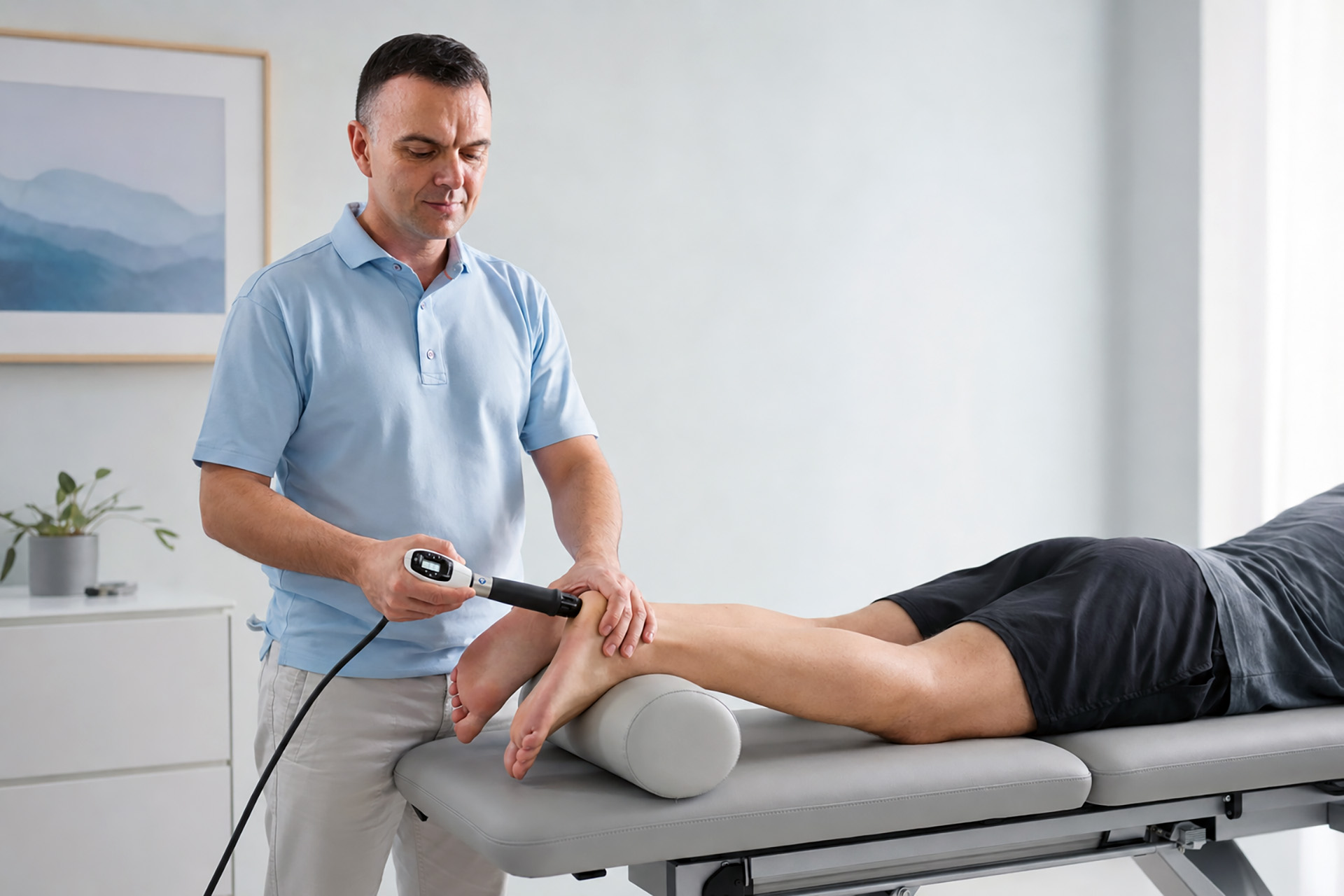
Our podiatrist will assess the condition of your foot to identify neglected conditions and other potential injuries, manage diabetic wounds, and prevent infections. Our diabetes podiatry services also provide other treatments, such as removing dead skin that can create friction within the shoe, or Total Contact Diabetic Insoles.
Lastly, our podiatrists will work with you and craft a tailored prevention plan specific to your condition to reduce the risk of future complications. They will teach you how to take care of your diabetic foot, whether through exercises to improve circulation, lifestyle changes, or recognising early signs of infection on your foot.
With most injuries, it is better to work towards prevention rather than rehabilitation, especially with podiatry for people with diabetes. If you want to address complications, make an appointment with The Foot Practice today for your diabetic foot screening in Singapore.