

What Are Flat Feet?
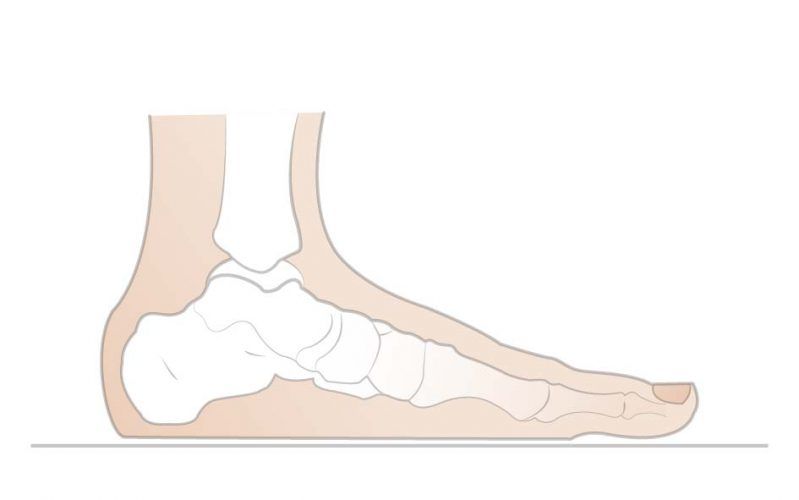
Flat feet, or pes planus, describes a low arch when standing. Some feet have always had this shape; a newly falling arch is different and deserves assessment. A low arch alone does not establish a disorder.
Many people with flexible flat feet have no pain and need no treatment. Joint flexibility can influence foot shape, but the shape does not inevitably cause problems elsewhere in the body.
Flat feet may be a normal variation or develop with tendon, ligament, joint or neurological conditions. New pain, stiffness or a change in shape warrants assessment rather than assuming footwear is the cause.
An assessment is appropriate for pain, stiffness, swelling or a changing foot shape. Painless, stable flat feet do not require treatment simply to prevent hypothetical future problems.
Types of Flat Feet
Flat feet types can also be classified into several categories:
- Flexible flat feet have an arch when seated or on tiptoes, but disappear when weight-bearing and standing. This type is often seen in children and can persist into adulthood, sometimes causing discomfort or instability. If the arch flattens but reappears on tiptoe, it’s likely flexible flat feet.
- Rigid flat feet have no visible arch, regardless of movement or weight bearing. Rigid flat feet are less common but more severe. The foot is stiff, and toe movement can be limited, often leading to significant pain or difficulty with daily activities. Rigid flat feet may be associated with underlying conditions, such as rheumatoid arthritis, or with prior foot or ankle injuries.
- Young children commonly have flexible flat feet, and arches often become more apparent as they grow. A stiff, painful or asymmetric foot needs assessment; the absence of a visible arch alone is not a reason for treatment.
- Adult-acquired flat feet or adult acquired flat feet develop later in life, often due to wear and tear, injury, or medical conditions that affect the tendons and ligaments supporting the foot arch. This type can progress gradually through more advanced stages.
Management depends on symptoms and the cause. Seek assessment for persistent pain, swelling or a progressive change in shape. Sudden severe symptoms or difficulty bearing weight should not wait for a routine appointment.
Foot Arches and Support
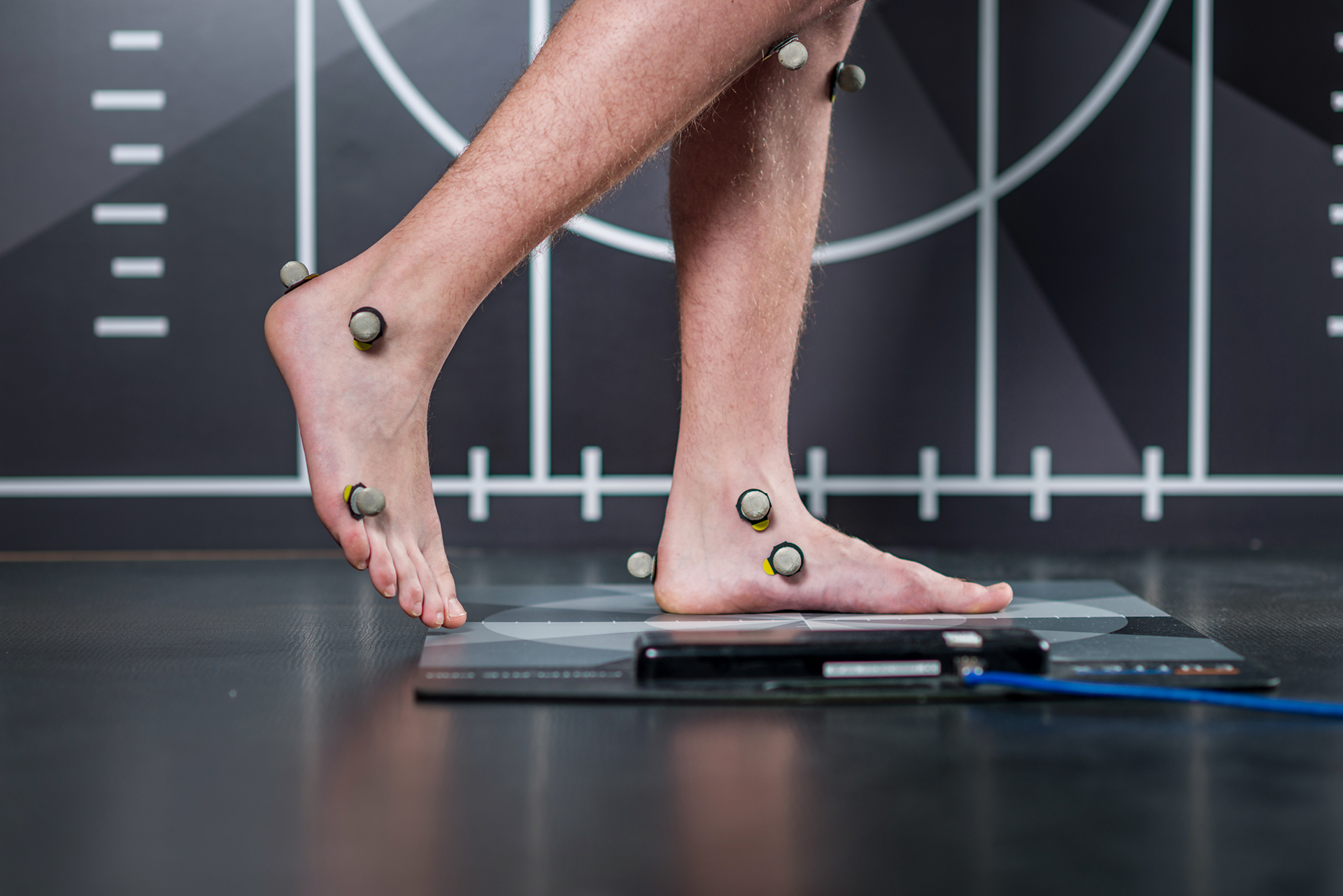
The foot arch is part of the structure that helps the foot bear load and move. Foot shape and pressure patterns vary, and a low arch does not necessarily cause pain or injury.
Some people with flat feet experience pain or swelling along the inner foot or ankle, while others have no symptoms. A clinician can assess persistent discomfort or a changing foot shape; arch support is not needed by everyone.
Flat feet are common and do not always cause symptoms or need treatment. If pain, swelling or a change in foot shape affects your activities, a clinician can assess the cause and discuss suitable care; insoles or exercises do not guarantee prevention of future problems.
Flat Feet Symptoms, Foot Pain and Diagnosis
Not everyone with flat feet has symptoms. However, when discomfort occurs, it’s usually felt in the arch, the heel, or the inner ankle. Other common flat foot symptoms include swelling on the inner side of the foot, foot pain that worsens with prolonged standing or walking, and discomfort radiating up the legs.
A low arch and heel tilt may be visible when standing. These findings and shoe-wear patterns do not by themselves explain pain or establish the need for treatment.
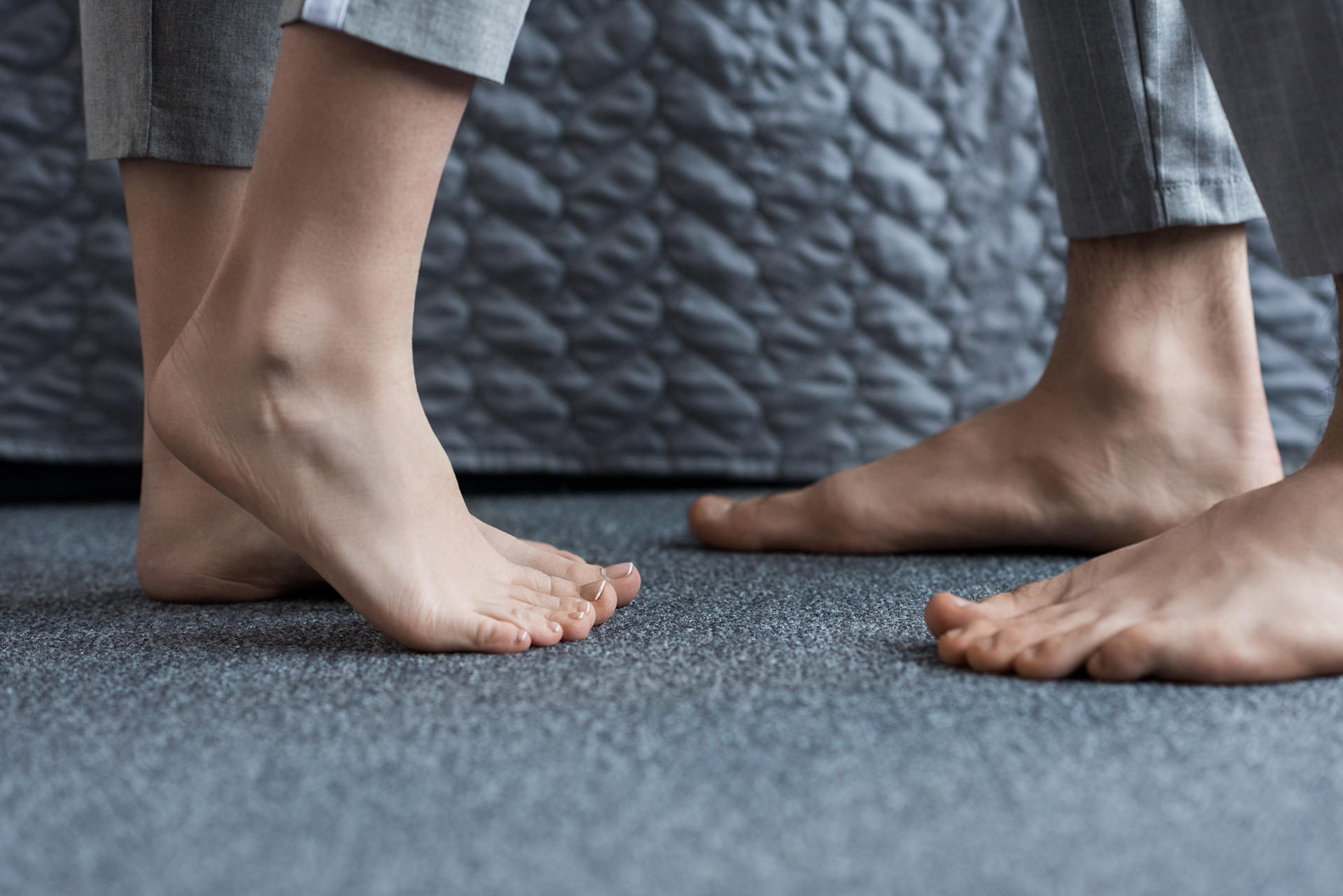
A painful or difficult single-leg heel rise can help identify a problem involving the posterior tibial tendon. The too-many-toes sign reflects outward deviation of the forefoot. These findings are considered alongside the full examination.
Management of Flat Feet
Footwear and Orthotic Support
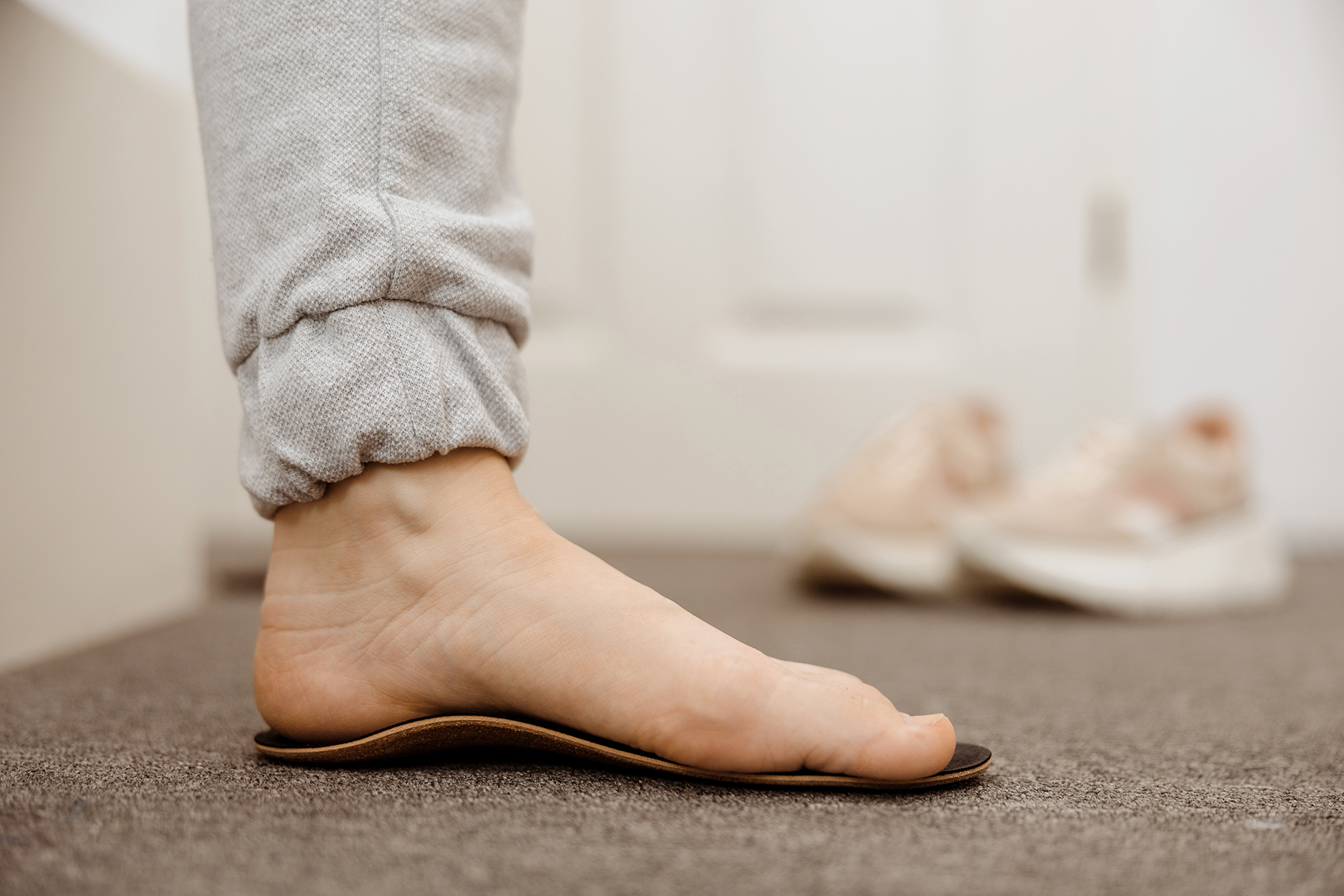
Choose footwear that fits comfortably. Painless flat feet do not require a particular arch support or shoe design. For some people with symptoms, a podiatrist may recommend prefabricated insoles or custom orthoses to improve comfort or change pressure under the foot. Insoles do not guarantee that pain will be prevented.
Choose shoes that fit comfortably and accommodate any prescribed insert. A specific stiffness, rocker or heel shape is not required for every flat foot. A brace may be considered for selected symptomatic tendon or joint problems.
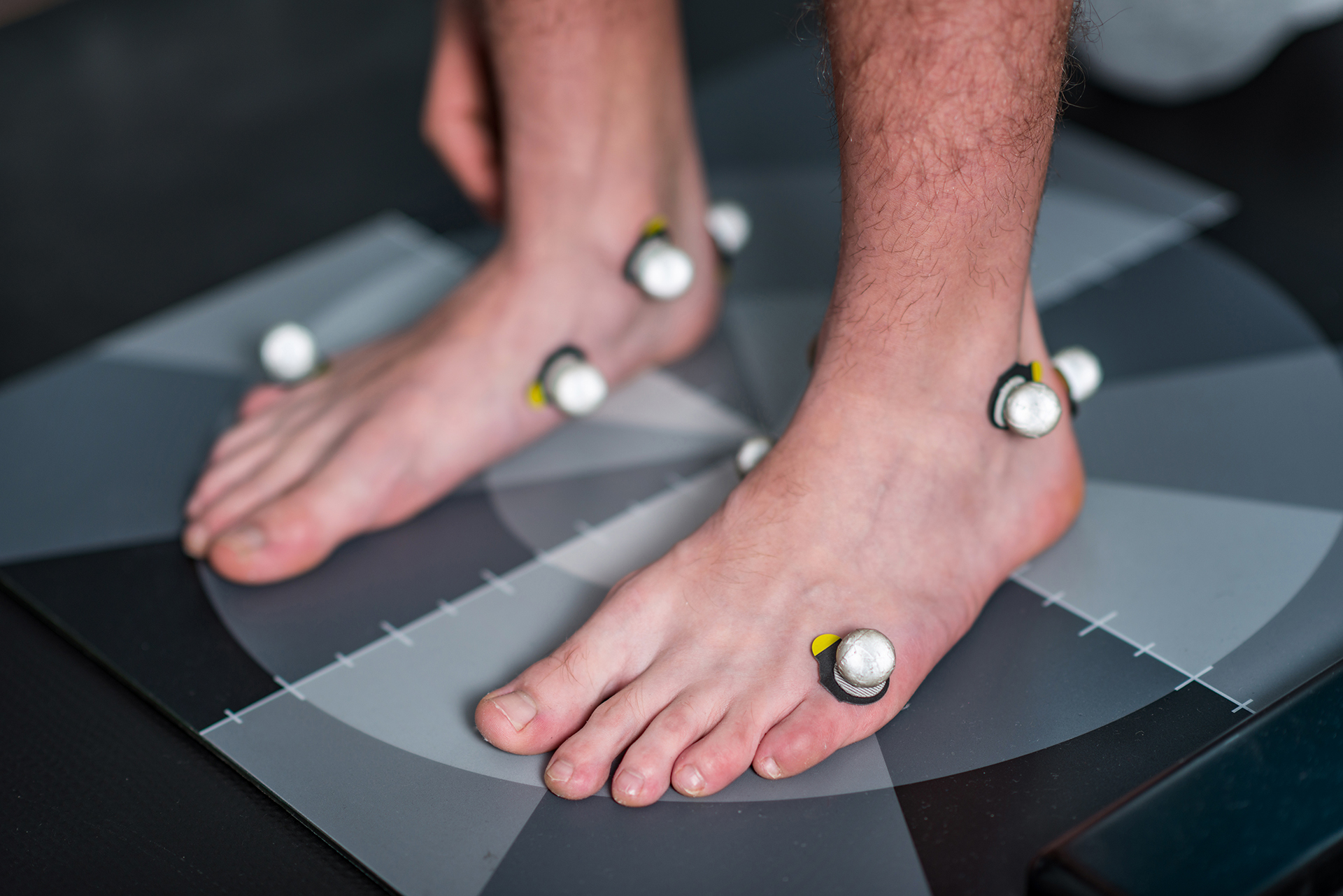
3D Infrared Gait Analysis for Movement Optimisation
Instrumented gait analysis records aspects of movement. It may complement an assessment when useful, but does not independently identify the cause of pain or establish that a particular intervention will work.
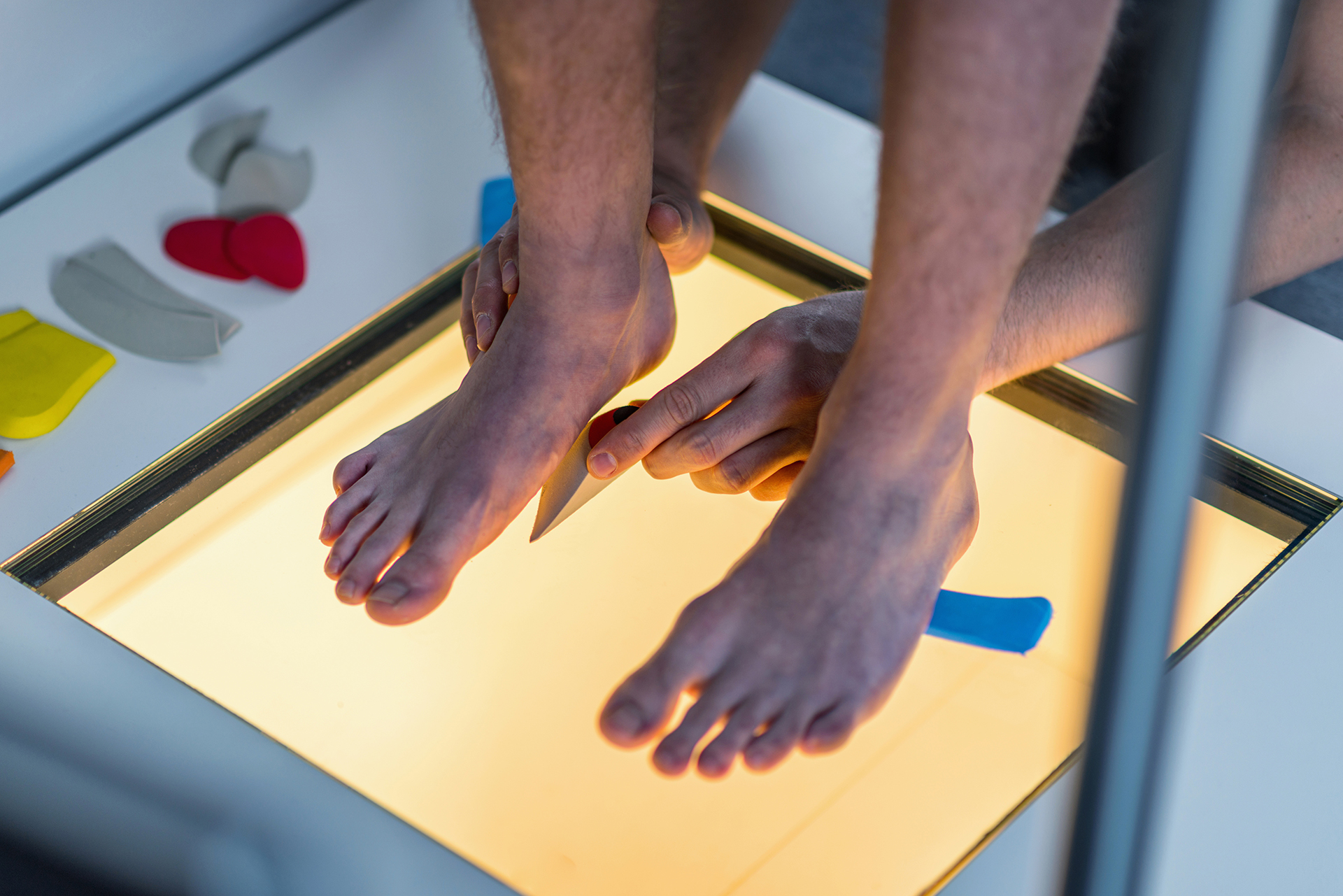
RehaWalk® for Gait Rehabilitation
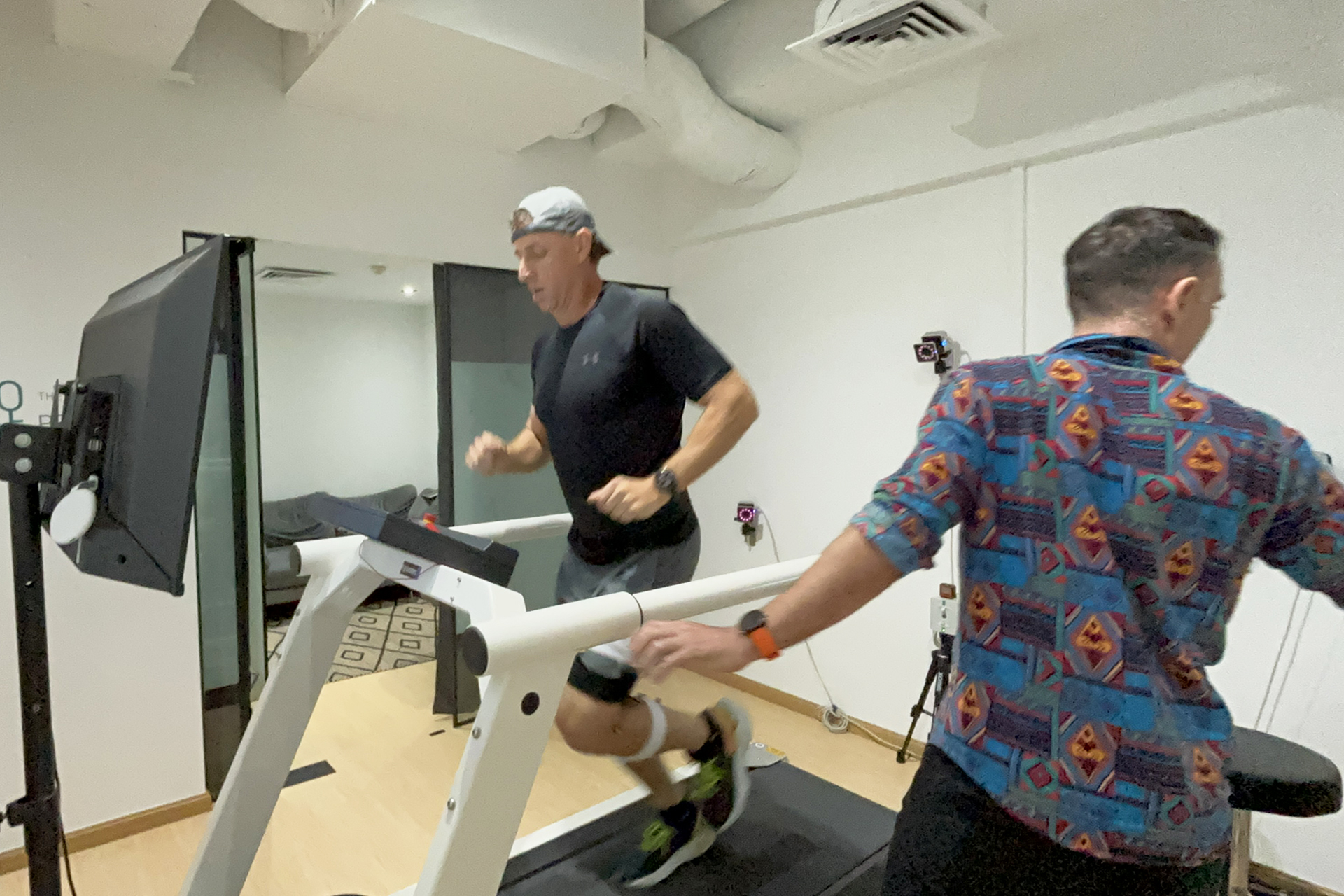
A pressure-sensing treadmill can record aspects of walking. A clinician considers those measurements alongside symptoms and examination; it cannot by itself correct flat feet or guarantee improved balance or injury prevention.
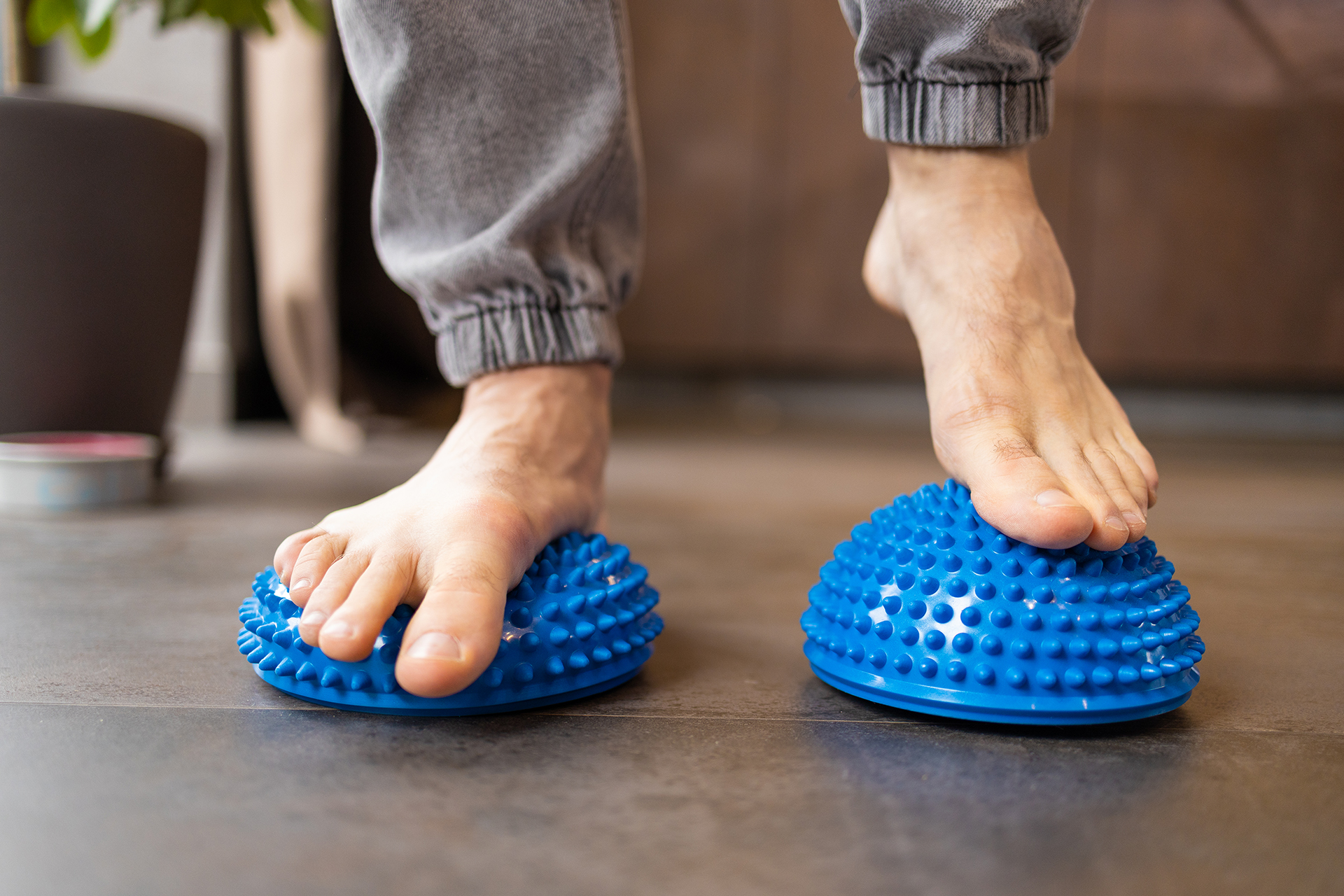
Exercise and Strengthening Programs
Exercises may be included in a care plan to build strength or flexibility and manage symptoms when appropriate. Their effects vary, and they do not reliably create a permanent arch or correct alignment. A clinician can help tailor activity to your symptoms.
When to Have Surgery for Rigid Flat Feet?
Footwear adjustments, insoles or rehabilitation may help some people manage symptoms, although results vary. However, in severe cases of pain when conservative treatment fails, flatfoot surgery may be recommended by orthopaedic surgeons.
An orthopaedic surgeon may discuss tendon reconstruction, a bone-cutting procedure such as a calcaneal osteotomy, or joint fusion in selected cases. An Achilles tendon procedure is distinct from a calcaneal osteotomy. The choice depends on the deformity, flexibility, symptoms and risks.
Why Choose a Podiatrist for Flat Feet?
Our podiatrists assess foot symptoms and discuss non-surgical care or referral. The aim is to improve comfort and function, without guaranteeing long-term pain relief.
If flat feet are painful, stiff or changing, a clinician can assess your symptoms and discuss options. Treatment is not needed for every flat foot, and outcomes vary.