Heel pain can strike without warning, turning a morning jog along East Coast Park or a stroll down Orchard Road into a painful experience. Two conditions are often lumped together, heel spur vs. plantar fasciitis, but they’re not the same.
Getting the difference right is the first step to fixing the problem. At The Foot Practice in Singapore, our podiatrists see many patients with heel pain who have tried self-care remedies without relief. Often, they do not know the underlying issue. That’s where we come in, offering accurate diagnosis and effective intervention strategies for your heel pain.
What Is Plantar Fasciitis?
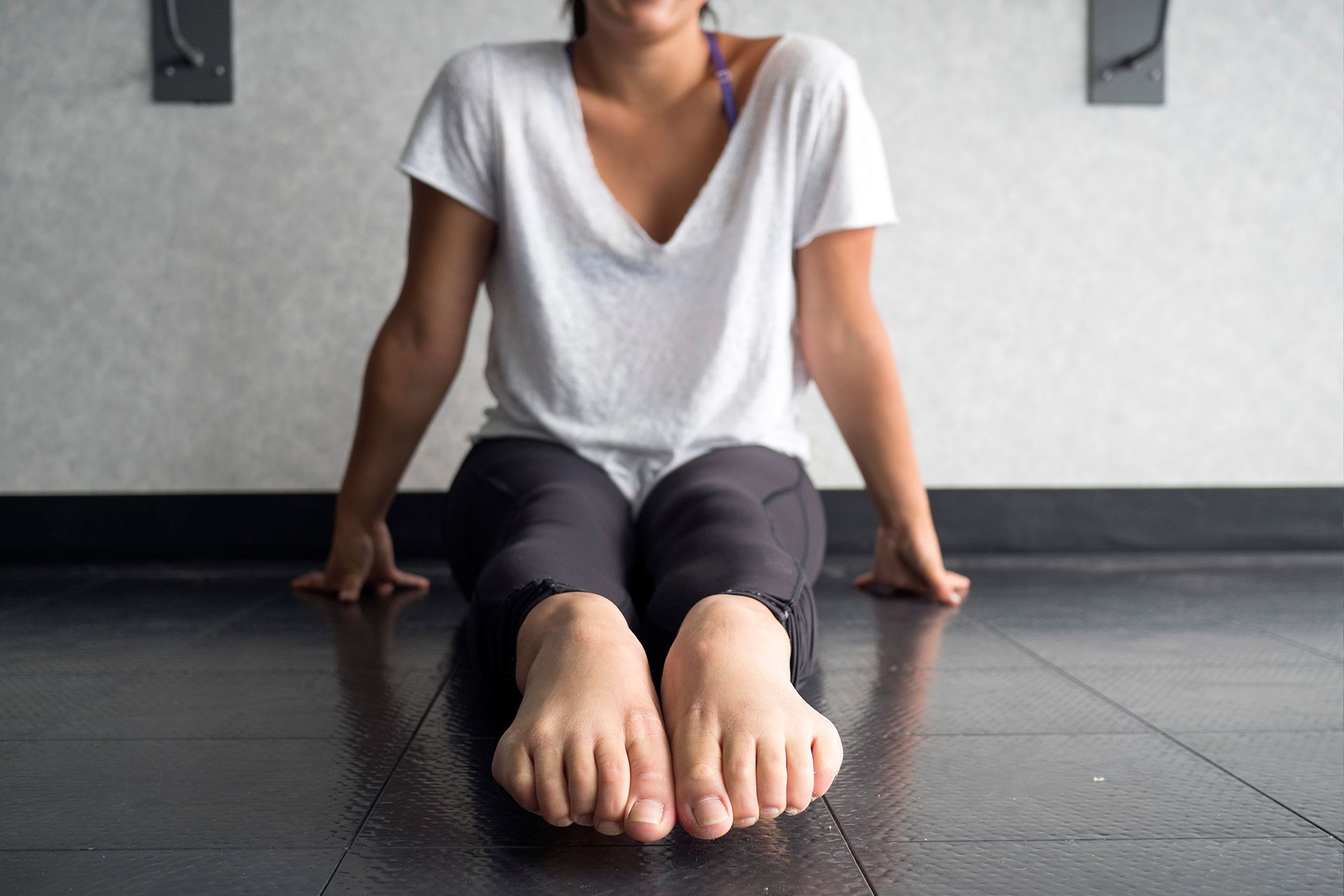
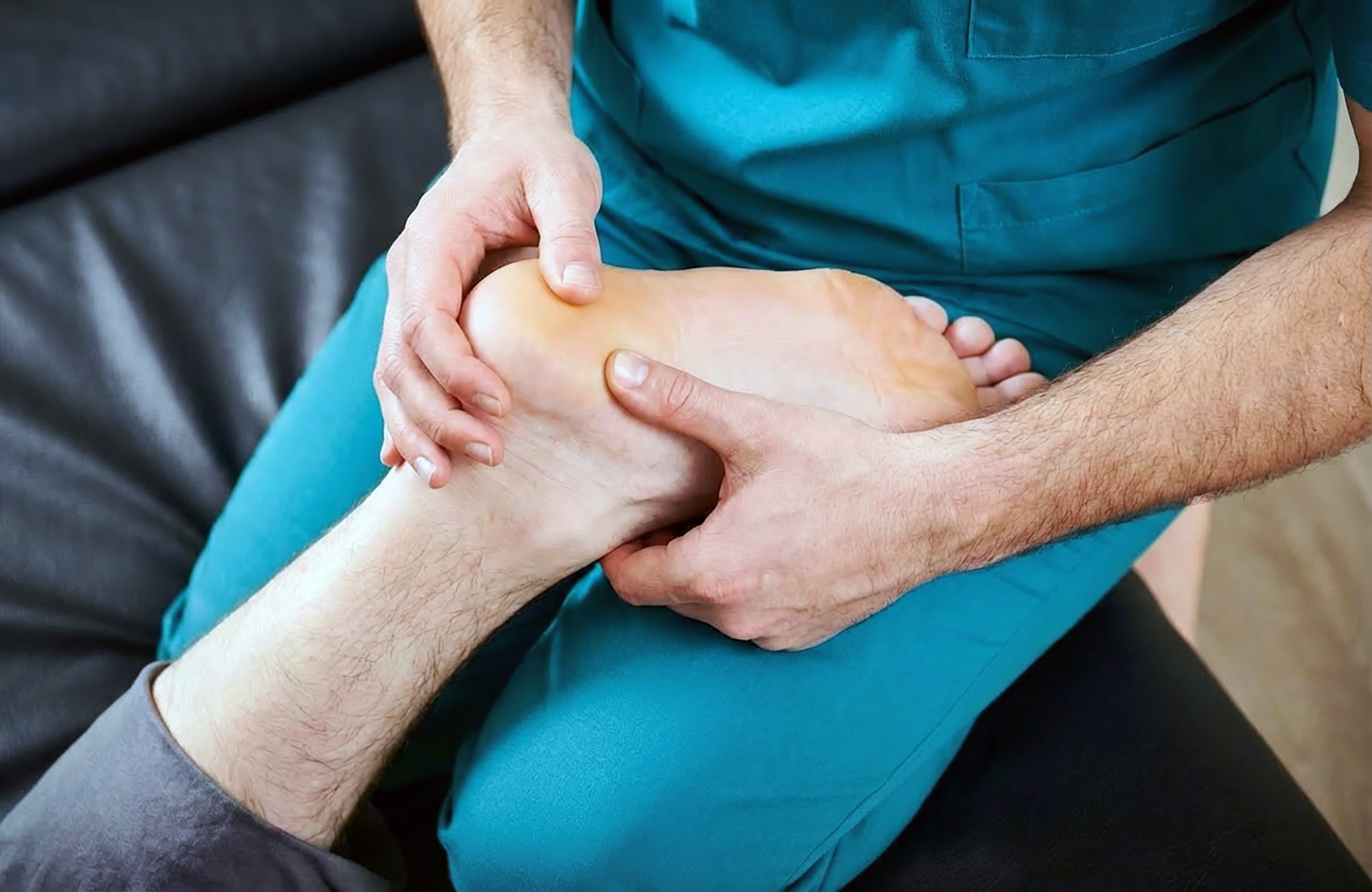
Plantar fasciitis is the inflammation and tiny tears in the thick band of tissue running from your heel bone to your toes, called the plantar fascia. It’s the body’s main support for the foot arch and works like a shock absorber with every step.
Overdoing it with running, standing for long hours, or wearing the wrong shoes can cause damage to the fascia. That leads to a sharp, stabbing pain in the heel, usually worst when you first get out of bed. The ache often eases once you start moving, but that isn’t a sign of healing. It’s just a sign of your fascia warming up, only for the process of pain to begin all over again the next day. Runners pounding the pavement or office workers stuck in dress shoes for hours know this pattern all too well.
You’ll usually feel:
- A knife-like jab under the heel, first thing in the morning
- A burning ache along the arch
- Tenderness when you press the inner heel
- Discomfort that builds after standing or walking for ages
- Pain that kicks in after a workout, not during
What Is a Heel Spur and How Is It Different?
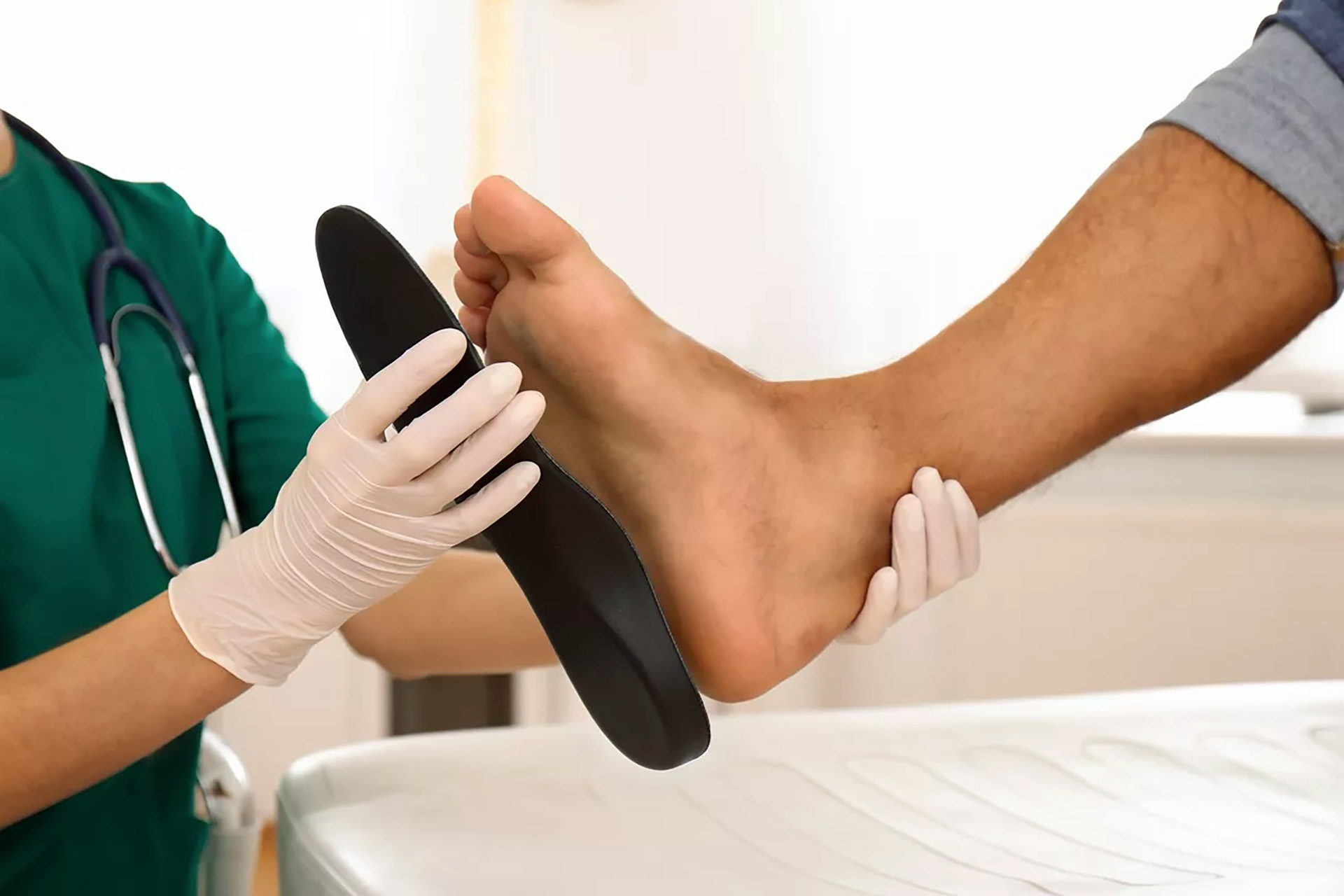
A heel spur is a small, bony bump that grows on the underside of your heel bone (calcaneus), right where the plantar fascia attaches. It forms when calcium builds up over time from ongoing stress or inflammation pulling on that spot. More importantly, most heel spurs don’t actually hurt. Plenty of people have them show up on X-rays without ever feeling a twinge. The pain usually comes from the irritated tissue around it, not the spur itself.
The main difference between heel spurs and plantar fasciitis is what’s causing the pain:
- Plantar fasciitis: Inflammation of the fascia (soft tissue), often due to an injured plantar fascia
- Heel spur: A bony growth (bone spur) formed as a secondary response to chronic fascia stress at the plantar fascia insert
Leave plantar fasciitis untreated, and it can eventually trigger a heel spur. Studies show that up to half of people with chronic plantar fasciitis end up with both. Still, the spur itself is rarely the real problem. The pain almost always comes from the inflamed or torn plantar fascia, not the bony growth. That’s why treatment focuses on healing the fascia rather than removing the spur.
What Causes Heel Spurs and Plantar Fasciitis?
Heel spurs and plantar fasciitis pain usually start from repeated stress that the fascia can’t keep up with. Things that raise the risk include:
- Ramping up your running distance or intensity too fast
- Shoes with little cushioning or worn-out soles
- Flat feet, high arches, or rolling in too much when you walk
- Tight calves that limit how far your ankle bends
- Extra weight puts more load on the heel
- Hours on hard floors are typical in Singapore shops or offices
These same strains can, over time, lead to a heel spur as the body lays down bone to reinforce the stressed area.
In Singapore’s humid climate, lightweight or minimalist shoes are everyday, but often lack the support needed for prolonged walking on hard, tiled floors, a frequent cause among retail and hospitality professionals.

Diagnosis: Why a Clinical Assessment Matters
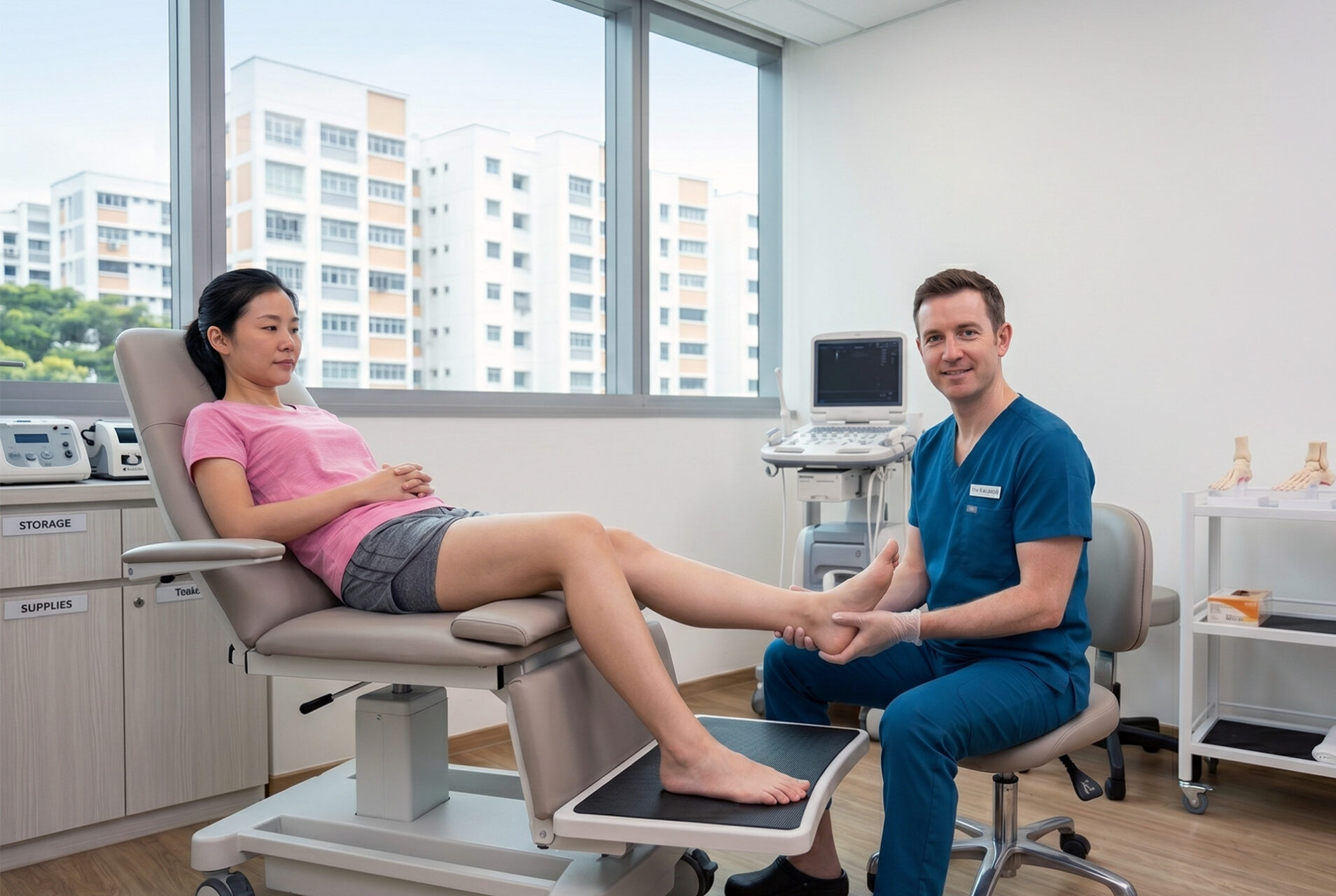
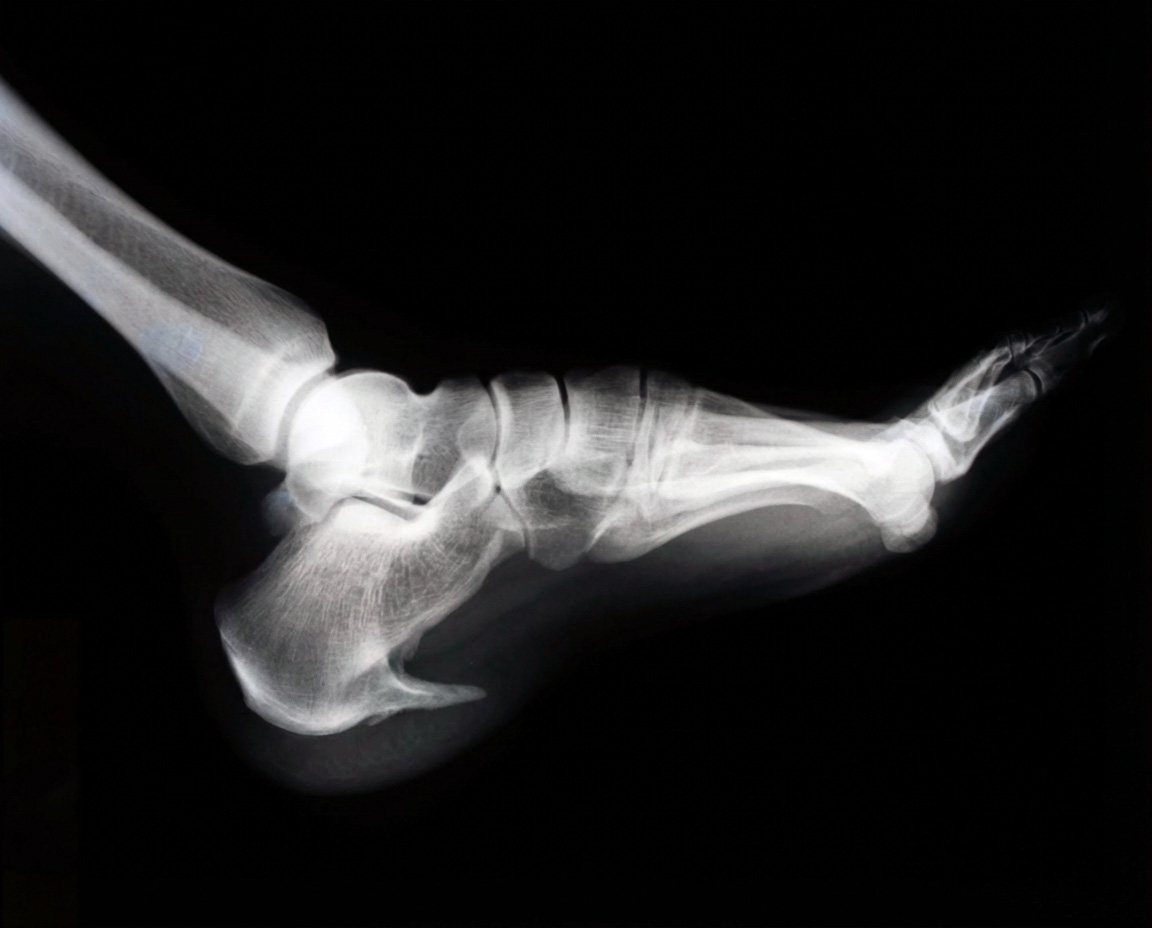
Accurate diagnosis is key to distinguishing between heel spurs and plantar fasciitis, as treatment differs depending on the underlying issue. At The Foot Practice, diagnosis starts with a thorough clinical assessment, including a medical history examination, gait observation, and palpation of the heel. Imaging, such as X-rays, may also be used to rule out other causes of heel pain, such as a broken heel.
Advanced diagnostic tools include:
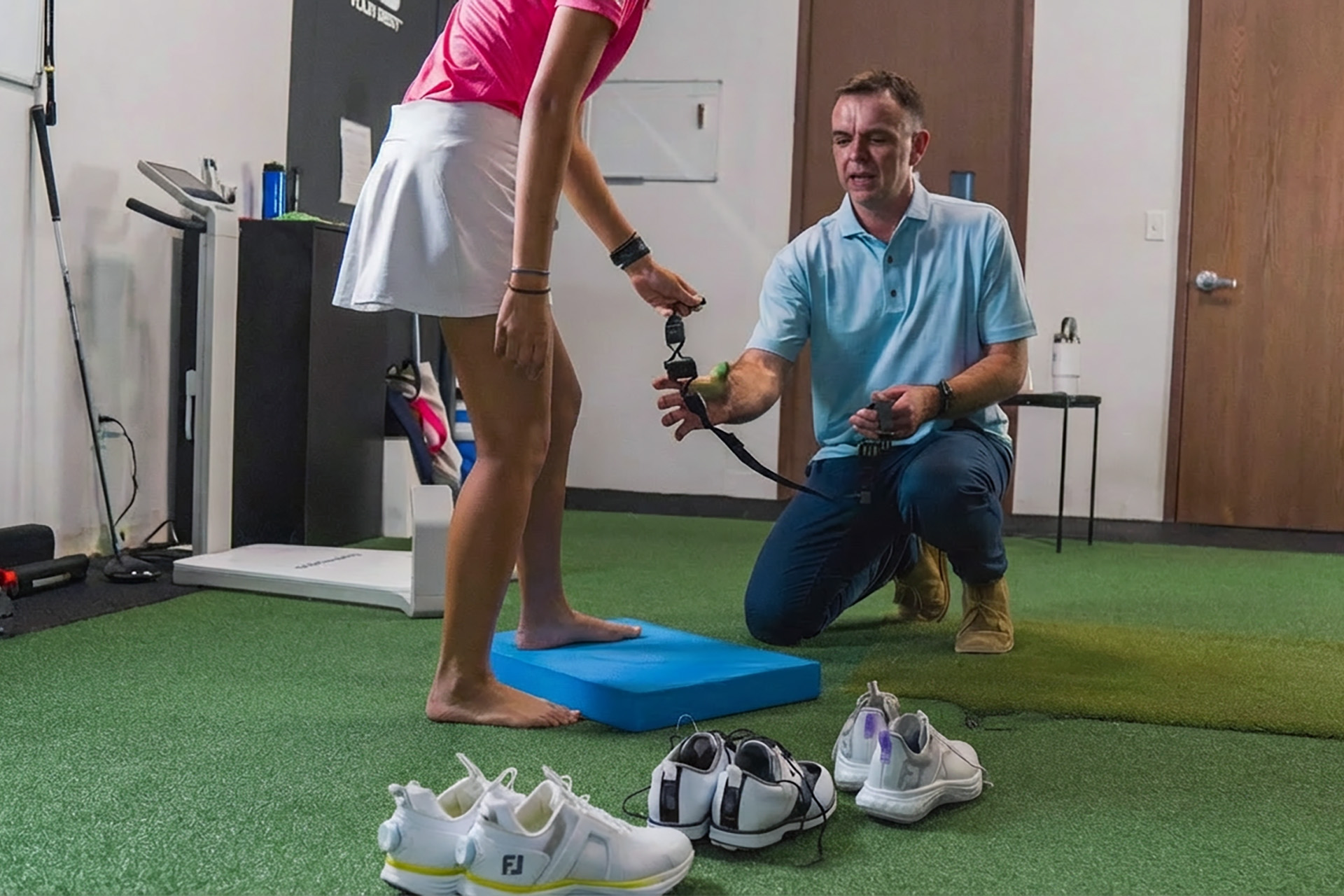
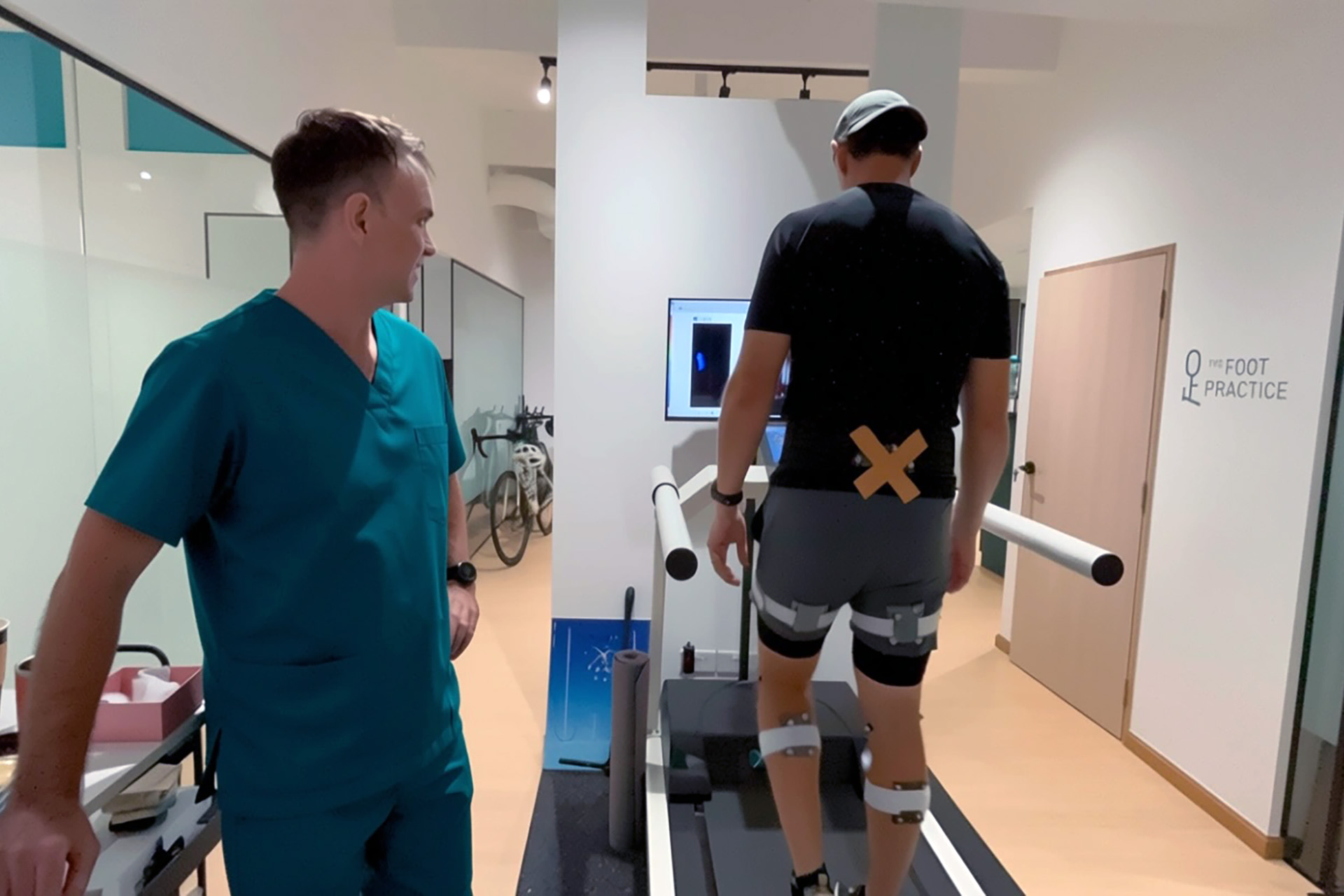
- RehaWalk® pressure sensor treadmill gait analysis: Captures real-time pressure distribution as you walk, identifying excessive heel loading or abnormal pronation.
- Ultrasound imaging: Visualises soft tissue changes, confirming inflammation, fascia thickening, or small tears in the foot.
These tools provide a much more accurate picture than X-rays alone, which may show a spur but not its precise cause.
Managing Heel Spur and Plantar Fasciitis
Most cases respond well to non-surgical care, which is always the first step, whether it’s heel spurs or plantar fasciitis. The goal is to reduce inflammation, correct movement patterns, and prevent the pain from returning. At The Foot Practice, we blend proven techniques with advanced tools for faster, lasting results.
1. Easing Pain and Inflammation
- Cut back on impact: Step away from running or long walks for a bit to give the fascia a break
- Ice it down: 15 minutes a few times a day can help with swelling
- Stretch smart: Calf and fascia stretches loosen tight tissues and cut morning stiffness
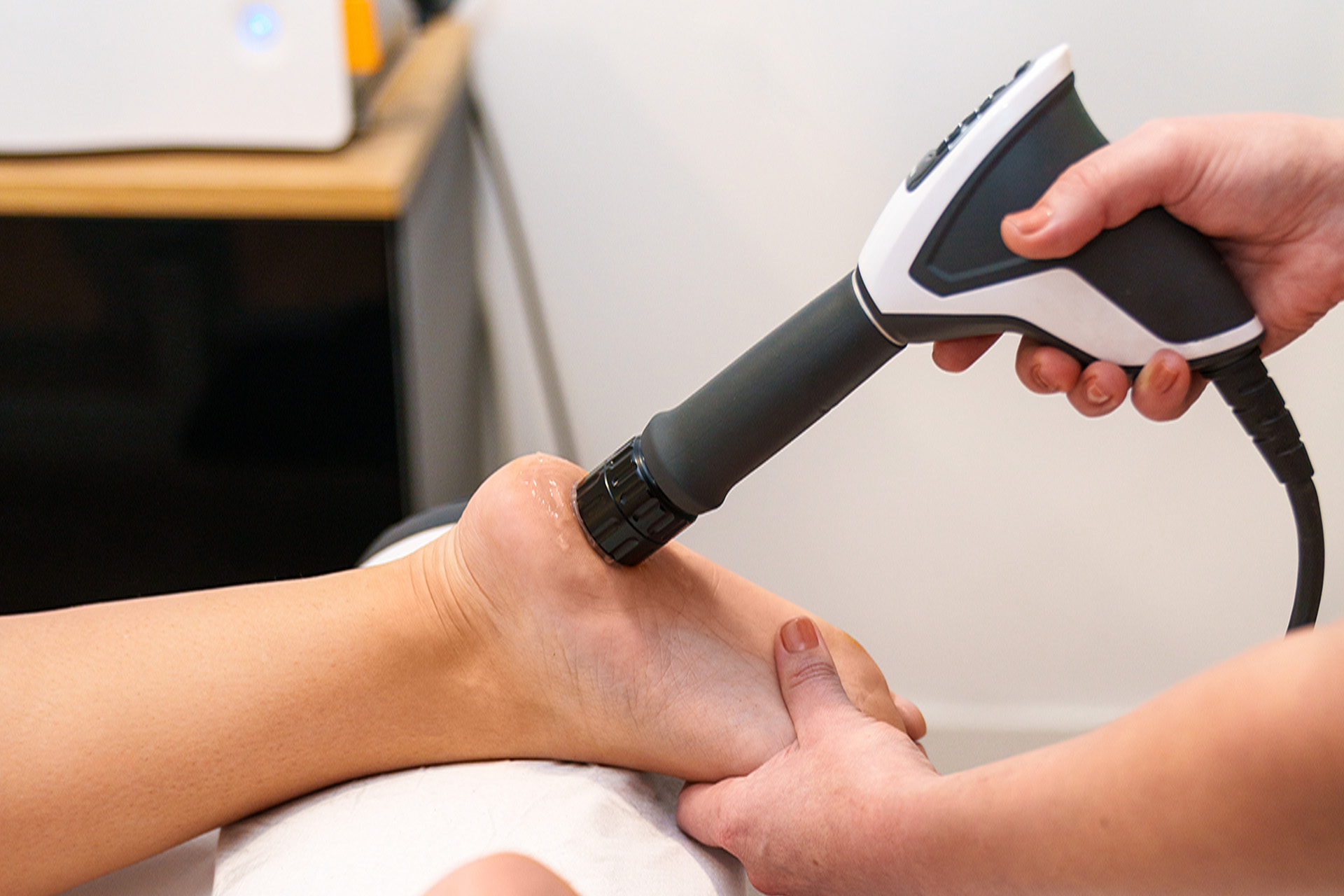
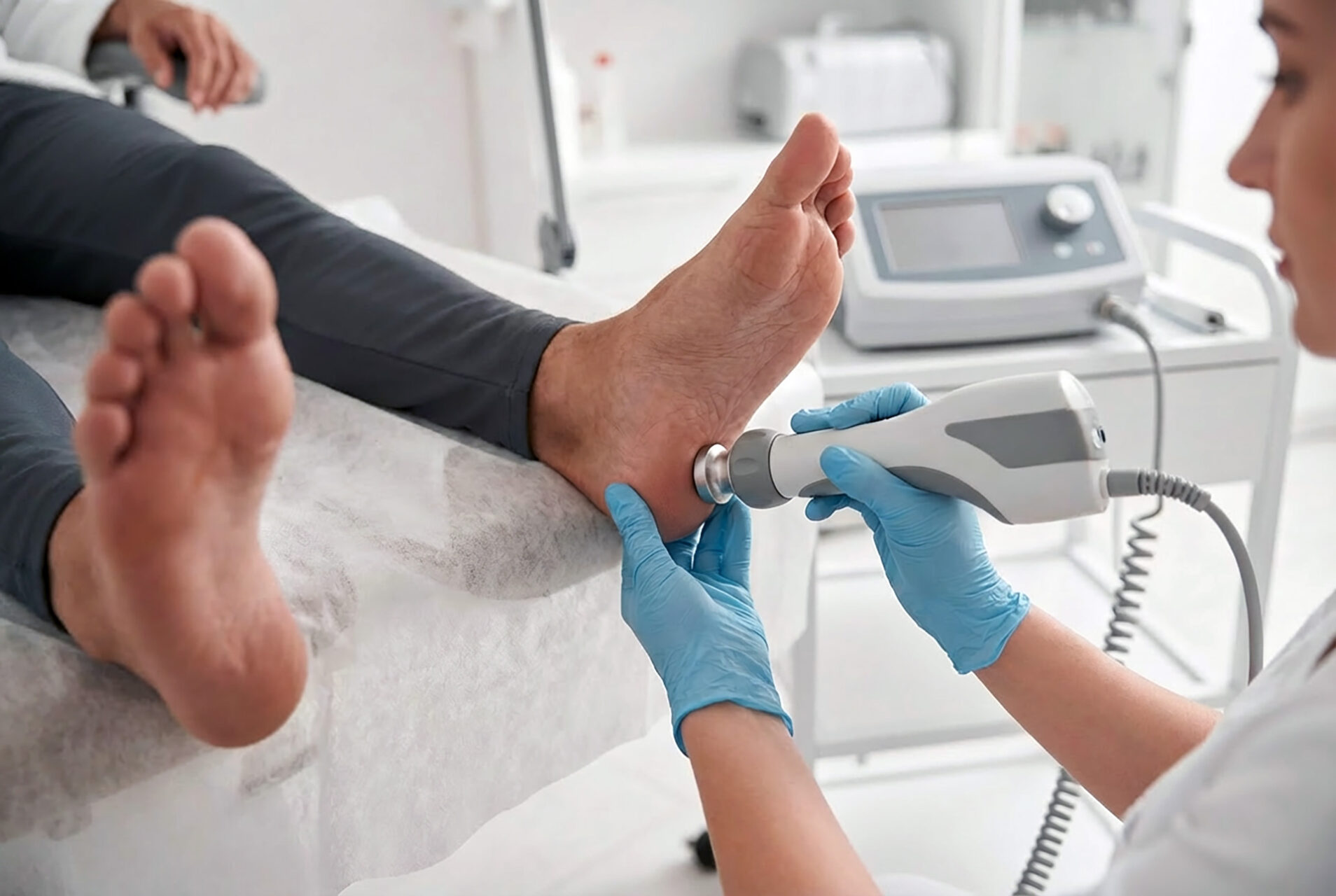
- Shockwave Therapy: Sound waves speed healing, boost blood flow, and drop pain
- Night splints: Wear them to keep the foot gently stretched overnight; mornings feel much easier
- Physical therapy: Hands-on work, targeted exercises, and gait checks rebuild strength and function
These steps work for both conditions, whether the pain stems from inflamed fascia or a spur pressing nearby tissues.
2. Fixing How You Move (Biomechanics)
- Shoe check-up: Good support and cushioning matter most. Runners who hit the Fort Canning or Bukit Timah Hill trails do well in shoes with solid heel counters and arch support. Office workers often find relief in cushioned soles or smart insoles. Swap worn pairs regularly.
- Custom orthoses: Made-to-measure insoles evenly distribute pressure and stabilise the heel. We scan your feet digitally so the tailored custom orthoses for plantar fasciitis or heel spurs fit perfectly with running shoes or formal pairs.
- Mobilisation work: Gentle, hands-on moves free up joints and soft tissues, helping orthotics work more effectively.
3. Keeping the Pain Away
- Gait retraining: Using RehaWalk® data, we adjust your stride to reduce heel impact and smooth your movement.
- Progressive loading: Build back activity slowly so tissues strengthen without re-injury.
- Weight management: Dropping extra kilos takes pressure off the fascia and cuts flare-up risk.

When Is Surgery Needed?
Surgery is seldom the first choice for heel spur vs plantar fasciitis. Fewer than 5% of chronic cases need it, and only after a full year of solid conservative care fails. A foot and ankle orthopaedic surgeon would handle any procedure. Plantar fascia release cuts the tension in the tight band. Heel spur removal is even rarer, as the spur usually stops hurting once the inflammation settles.
With consistent conservative care, including Shockwave Therapy, custom orthoses, and biomechanical correction, over 90% of patients achieve long-term relief without surgery.
Pain-Free Living in Singapore
Whether you’re running around Marina Bay, hiking up steep slopes at Mount Faber or standing long hours at work, understanding the difference between heel spur vs plantar fasciitis is the first step to recovery. Foot pain can affect your daily activities, but with the right approach, you can get back to your active lifestyle.
At The Foot Practice, our sports podiatry team combines clinical expertise with advanced technology to diagnose the root cause of your pain. From RehaWalk® gait analysis and Shockwave Therapy to custom orthoses, every treatment plan is designed to help you return to comfort and mobility.
If heel pain is affecting your daily life, it’s time to seek help. Book a comprehensive assessment with The Foot Practice today at our Orchard Road clinic. Call +65 6282 7400 or WhatsApp +65 8776 9918 to schedule your appointment.