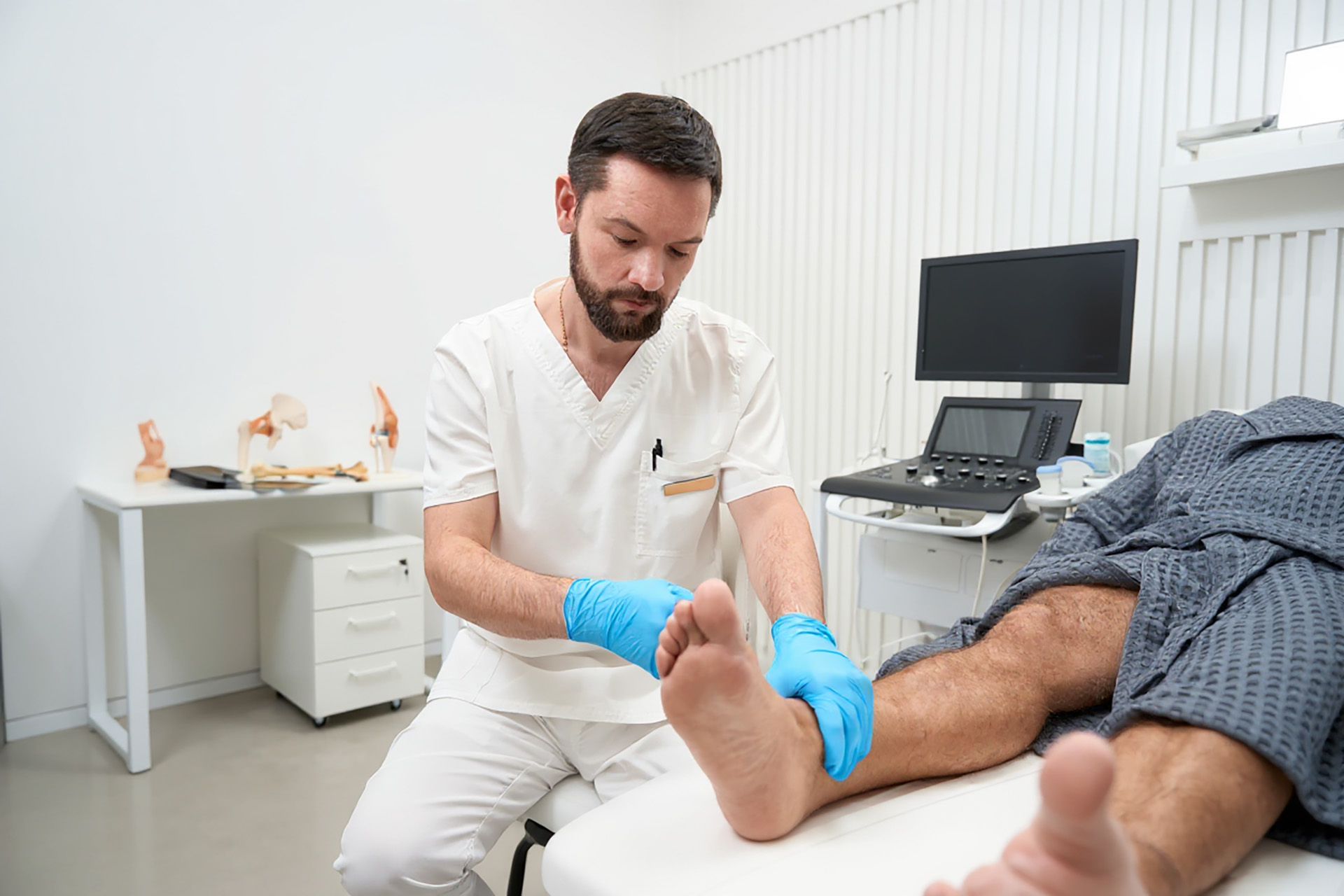
Understanding Plantar Fasciitis and High Arches
Plantar fasciitis can affect people with high, low or average arches. Foot shape alone does not establish the diagnosis or predict who will develop pain. The plantar fascia is a band of tissue supporting the underside of the arch.
Some high-arched feet concentrate pressure beneath the heel and forefoot. Plantar heel pain often causes discomfort on the first steps after rest, but other conditions can produce similar symptoms.
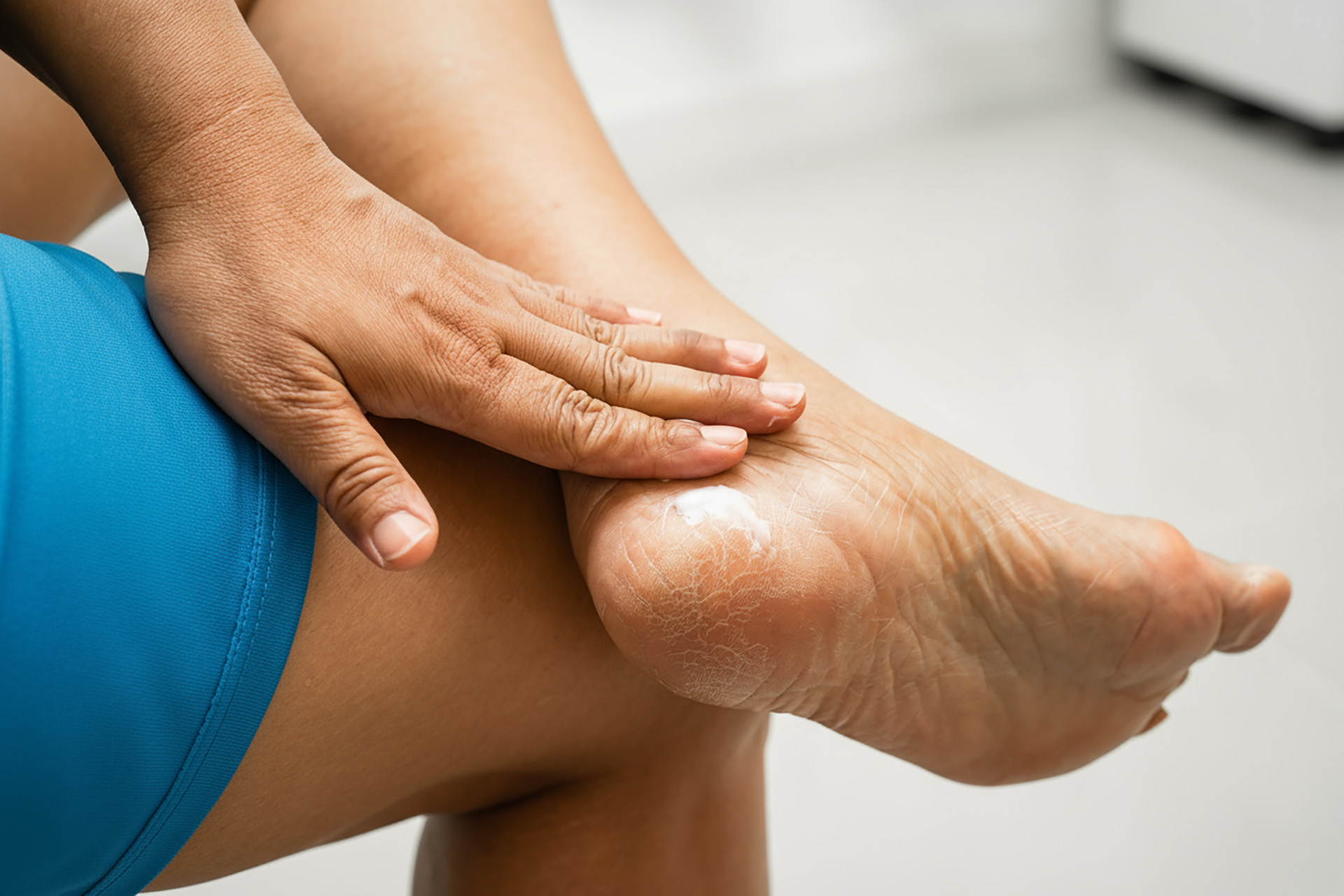
How High Arches May Affect Loading
If the foot has a high arch, most of the load falls on the heel and ball of the foot rather than being evenly distributed across the sole. This imbalance increases stress on the plantar fascia, which connects the heel bone (calcaneus) to the toes.
Some high-arched feet are associated with ankle instability, while others function comfortably. A new or worsening high arch, weakness or repeated trips needs assessment for possible neurological causes.
Footwear that feels comfortable and reduces painful pressure may help. A high arch does not inevitably lead to chronic pain or require a custom insole.

What Does It Feel Like?
For many, the first sign of plantar fasciitis due to a high arch is a sharp or stabbing pain under the heel of the affected foot when getting out of bed in the morning. As the day progresses, the discomfort may ease slightly but often returns after prolonged standing or walking. Some people describe a tightness that extends along the sole of the affected foot. Others experience swelling or tenderness near the heel.
Seek assessment if pain persists, worsens or limits activity. Do not assume that symptoms in other joints are caused by the arch.
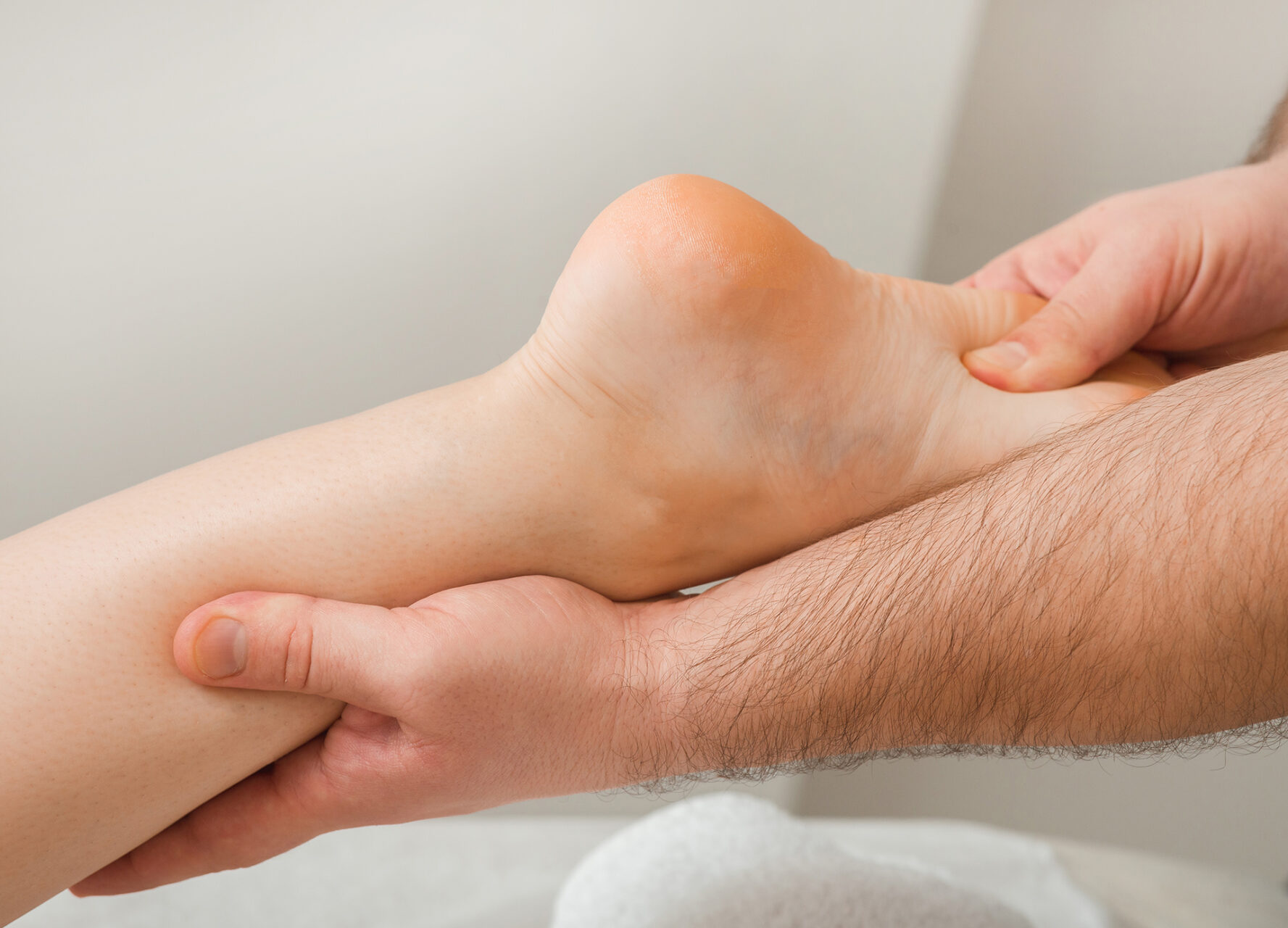
Diagnosing Plantar Fasciitis in High Arches
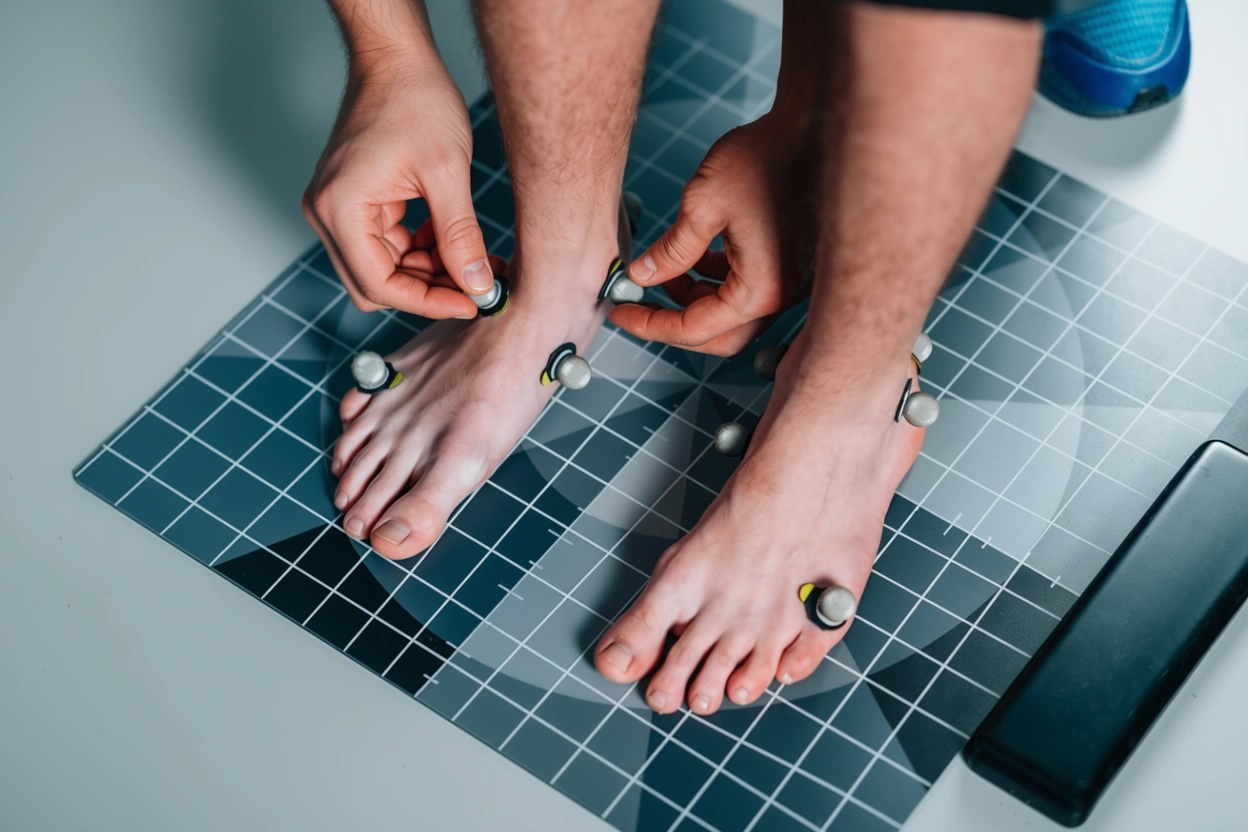
The podiatry team assesses symptoms, strength, movement and foot posture. RehaWalk® pressure measurements may show loading patterns, but do not directly measure strain within the plantar fascia or prove the cause of pain.
Footwear is also reviewed. Imaging is not routinely required for typical plantar heel pain, but may help when another diagnosis is suspected. A heel spur does not by itself explain the pain.
At home, you can try the ‘wet feet’ test to help identify high arches. Simply wet the soles of your feet and stand on a piece of paper. Examine the imprint left behind. If you see only a narrow band or almost no imprint where your arch should be, this may indicate high arches. This, however, cannot diagnose plantar fasciitis or determine the severity of your high arches, but it can help you understand your situation before you visit a specialist.
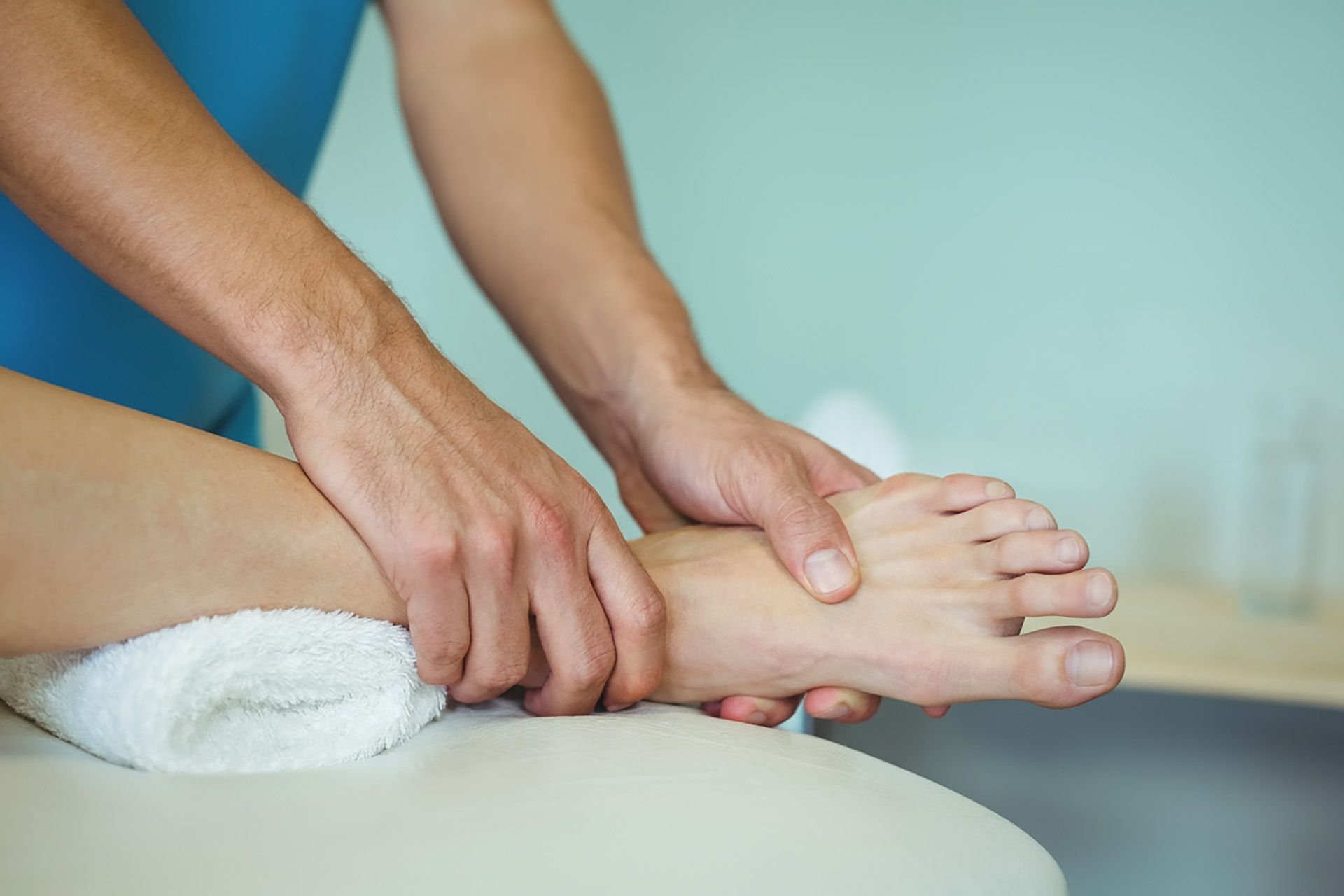
Managing Pain and Discomfort
Management may include reducing aggravating activity, comfortable footwear and a wrapped cold pack for short-term relief. Insoles or night splints may be considered for selected symptoms; they do not help everyone.
Plantar fascia and calf stretching, strengthening and selected manual techniques may be included in rehabilitation. The plan should suit symptoms and examination rather than promise correction of the arch.
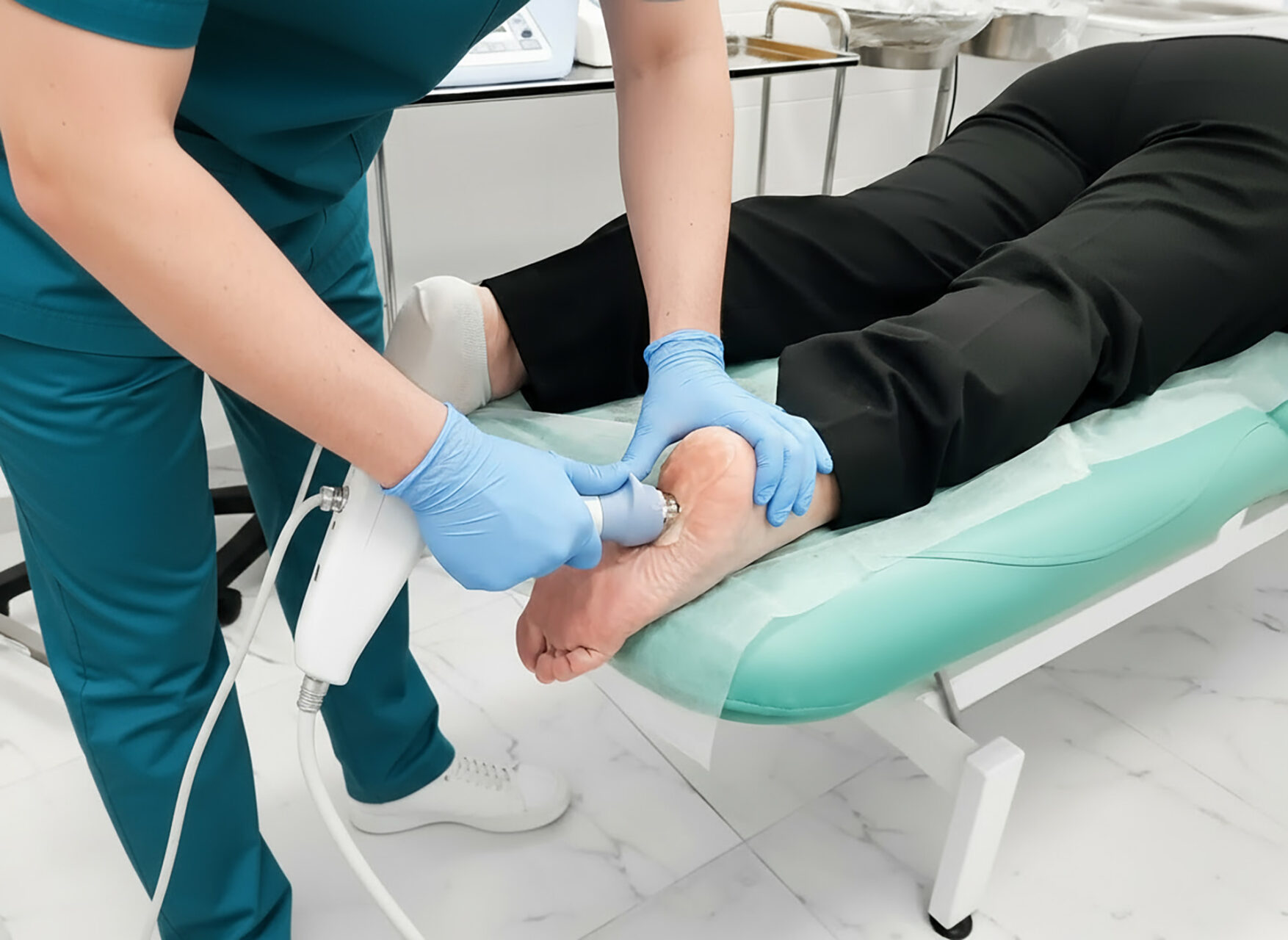
Shockwave therapy is sometimes considered for persistent heel pain, but the evidence and benefit vary. An orthopaedic specialist may discuss surgery when appropriate after other care has not helped.
Maintaining good foot health is key to preventing plantar fasciitis from returning. Choose supportive shoes, avoid walking barefoot on hard surfaces, and take regular breaks to rest and stretch, especially if your lifestyle or job puts you at higher risk.
The Role of Orthoses in Management
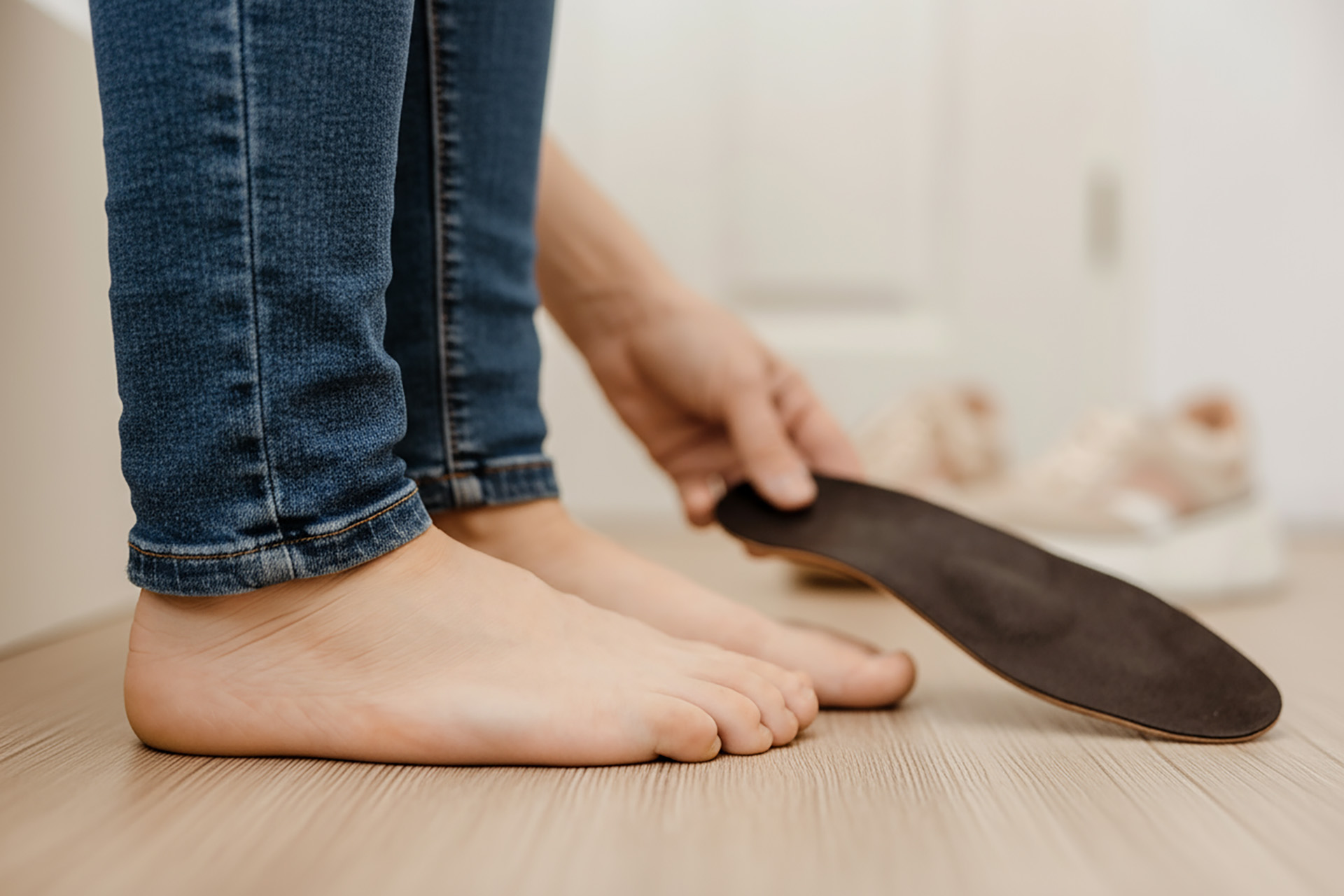
Custom orthotics are a personalised solution that can provide targeted support for the arch, tailored to your unique foot structure. These specialised insoles are designed to support the natural curvature of your foot, redistribute weight, and reduce excessive tension on the fascia.
At The Foot Practice, custom orthoses for women’s shoes are crafted to fit comfortably within high heels or dress shoes without compromising style. For others, functional orthoses can be tailored to everyday footwear, sports shoes, or work boots.
Ready-made or custom inserts may improve comfort alongside other care. Custom manufacture is not consistently superior, and the insert should not create new pressure.
Complementary Therapies and Rehabilitation
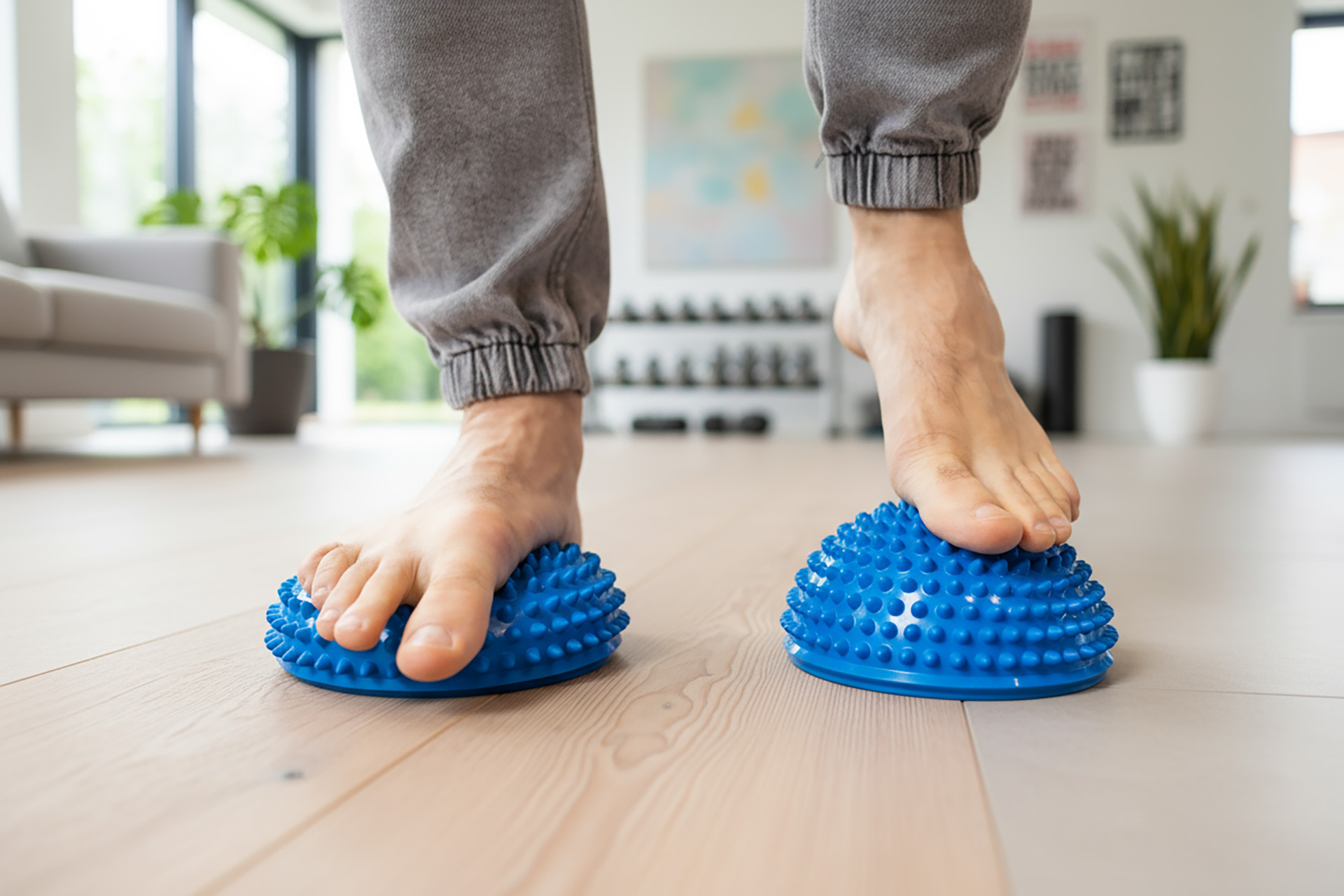
A rehabilitation plan may include exercises and activity changes to help manage plantar heel pain. Recovery varies, and no plan guarantees faster healing or prevents every recurrence.
A clinician may recommend suitable mobility work and stretching. Night splints are an option for persistent first-step morning pain, but fit and tolerance need review.
For persistent pain, ask a clinician about the potential benefits, uncertainty, side effects and alternatives before deciding whether shockwave therapy is appropriate.
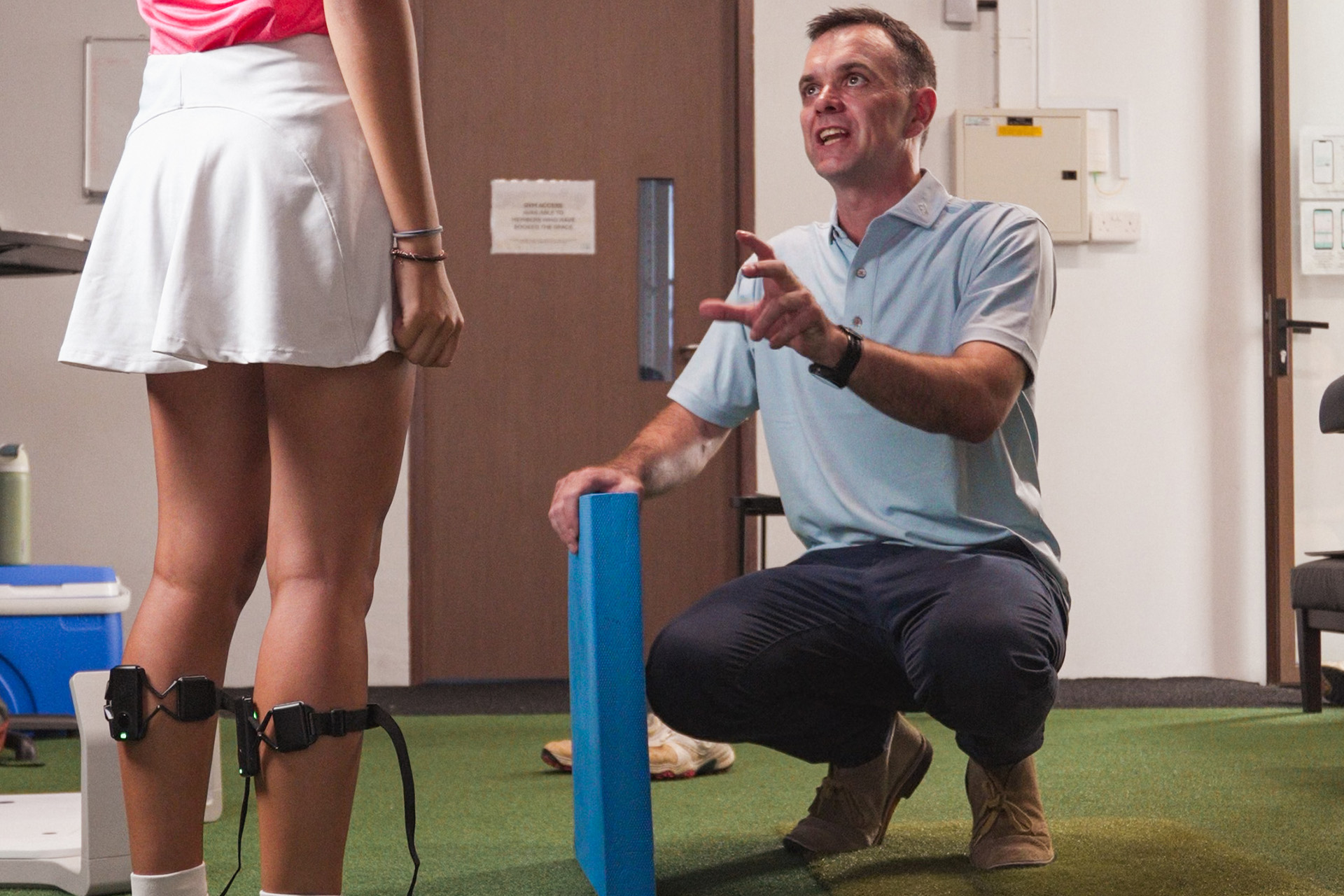
Gait measurements can be used alongside symptoms and functional tests to follow progress. They cannot confirm that the fascia is free from excessive strain.
Choosing the Right Footwear
Finding high arch shoes for plantar fasciitis is an essential part of recovery and prevention. Shoes should provide adequate arch support, cushioning, and a slightly raised heel to reduce stress on the fascia. A firm heel counter adds stability, while flexible midsoles allow for natural movement without excessive strain.
Try shoes for comfort, fit and enough space. An insole is optional, not essential for every high-arched foot.
Replacing worn-out footwear regularly is equally important, as old soles and compressed midsoles lose their ability to absorb shock, which can contribute to recurring heel pain.

How Long Does Recovery Take?
Recovery varies and may take months. Reassess if symptoms are not improving or the pattern changes.
Adding more treatments does not necessarily speed recovery. Decisions should reflect the diagnosis, evidence, preferences and response to initial care.
Preventing Future Heel Pain
Once symptoms have eased, prevention becomes the priority. Continuing prescribed stretching and strengthening exercises helps maintain flexibility and resilience in the fascia.
Gradually build activity and maintain suitable exercises. Review new weakness, changing arch shape or recurring ankle instability rather than assuming these are ordinary features of high arches.
A Comprehensive Approach to Foot Health
Care for plantar heel pain depends on the diagnosis and symptoms. A clinician may discuss activity changes, exercises, footwear, insoles or other options. No assessment identifies every cause, and response to care varies.
Persistent heel pain deserves assessment without assuming that a high arch is the sole cause.
A podiatrist can discuss footwear, exercise and whether an insole is worth trying for your symptoms.
Contact The Foot Practice for an assessment of persistent heel pain.