Custom Cycling Orthotics Revolutionise Foot Comfort and Peak Performance
Beyond improving performance, custom orthotics for cycling shoes serve as a rehabilitative device for injured cyclists and help prevent musculoskeletal injuries by distributing pressure across the foot.
At The Foot Practice, our custom SPIN Cycling Orthotics are made with extremely lightweight carbon fibre orthotics designed to maximise your cycling performance. Starting from just 1.8mm, the ultra-thin carbon design makes it one of the best cycling orthotics by providing the ultimate balance of weight and stiffness between your foot and the pedal.
The benefits of our custom cycling orthotics include:
- Maximising power transfer to the crank
- Avoiding pins and needles and unwanted pressures through individually-prescribed designs
- Optimising function and performance by stiffening the foot with individually corrected and contoured carbon orthotics
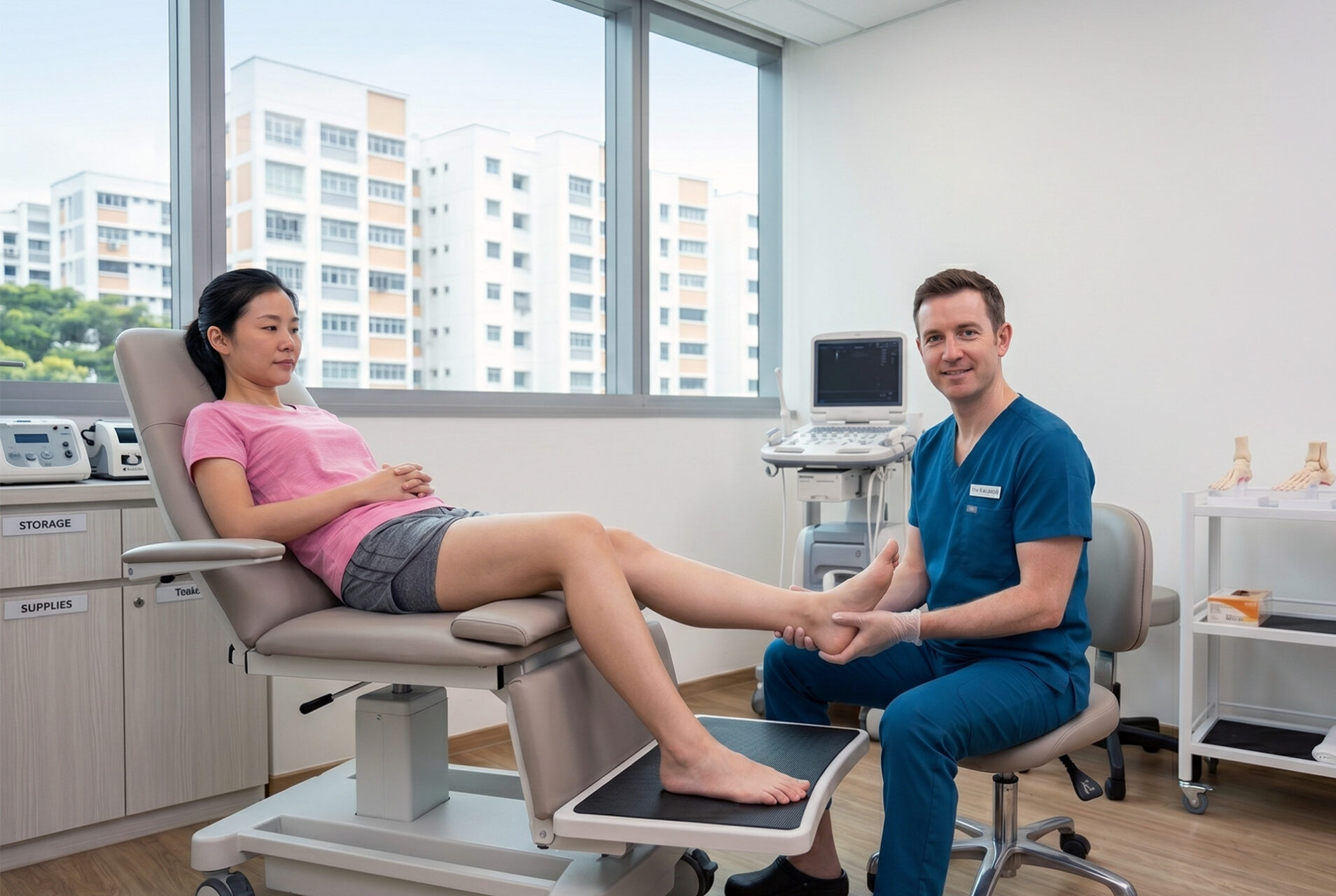
If you want to improve your gait and, ultimately, your overall health, make an appointment with The Foot Practice today for an assessment with our specialised podiatrist for your custom cycling orthotics in Singapore.
Cycling Stresses Feet in Unique Ways
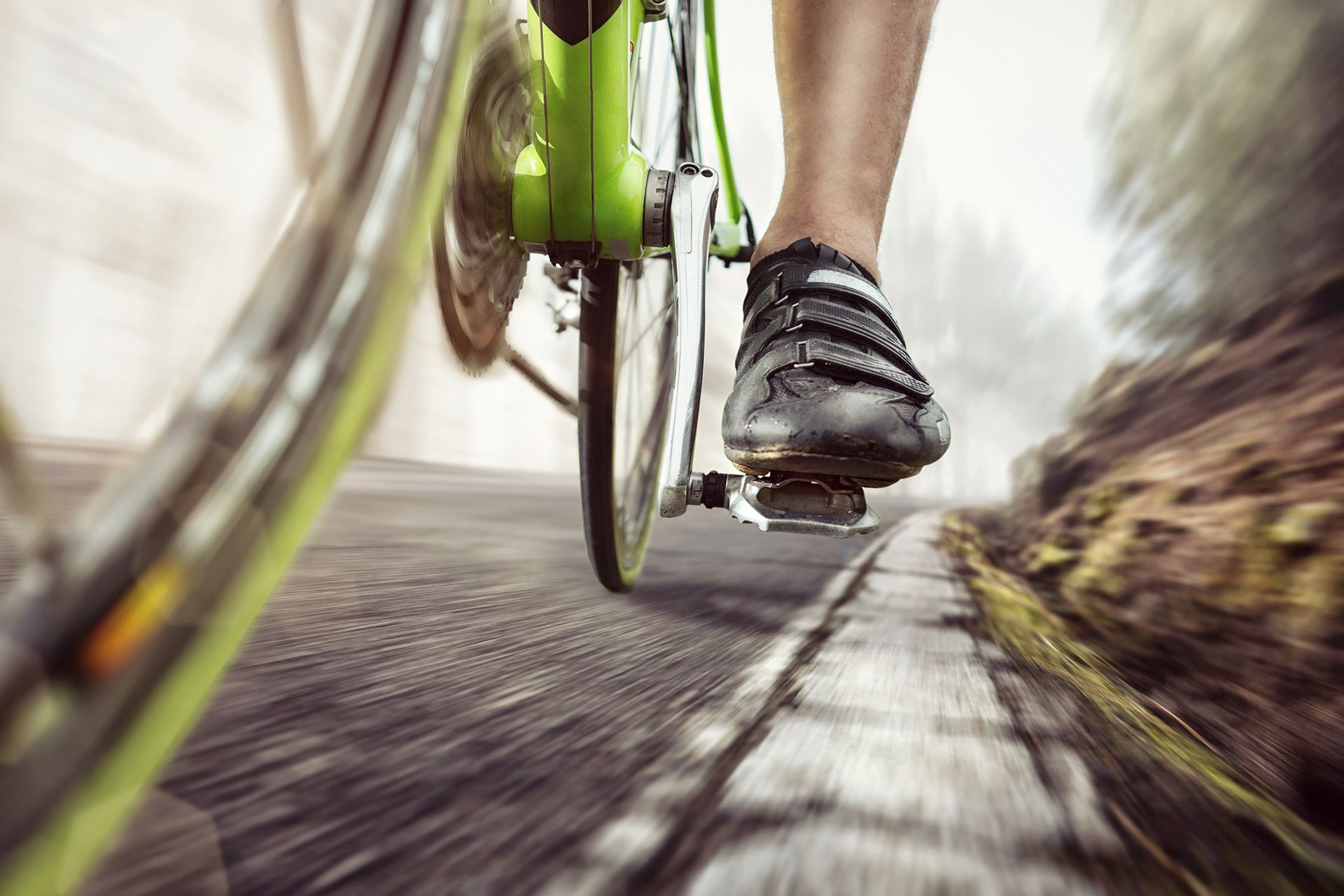
Tim Maiden, our leading podiatrist at The Foot Practice and cycling aficionado, has some lessons on how cycling stresses your feet in unique ways. There is a myth that cycling doesn’t work your feet as hard as other sports, like running. In cycling, even though your feet are not making impact with the ground, they’re still working to keep you moving.
Our feet flex naturally when we walk or run, with a tibial twist of about 15 degrees. This movement is very normal, but is prohibited when wearing cycling shoes.
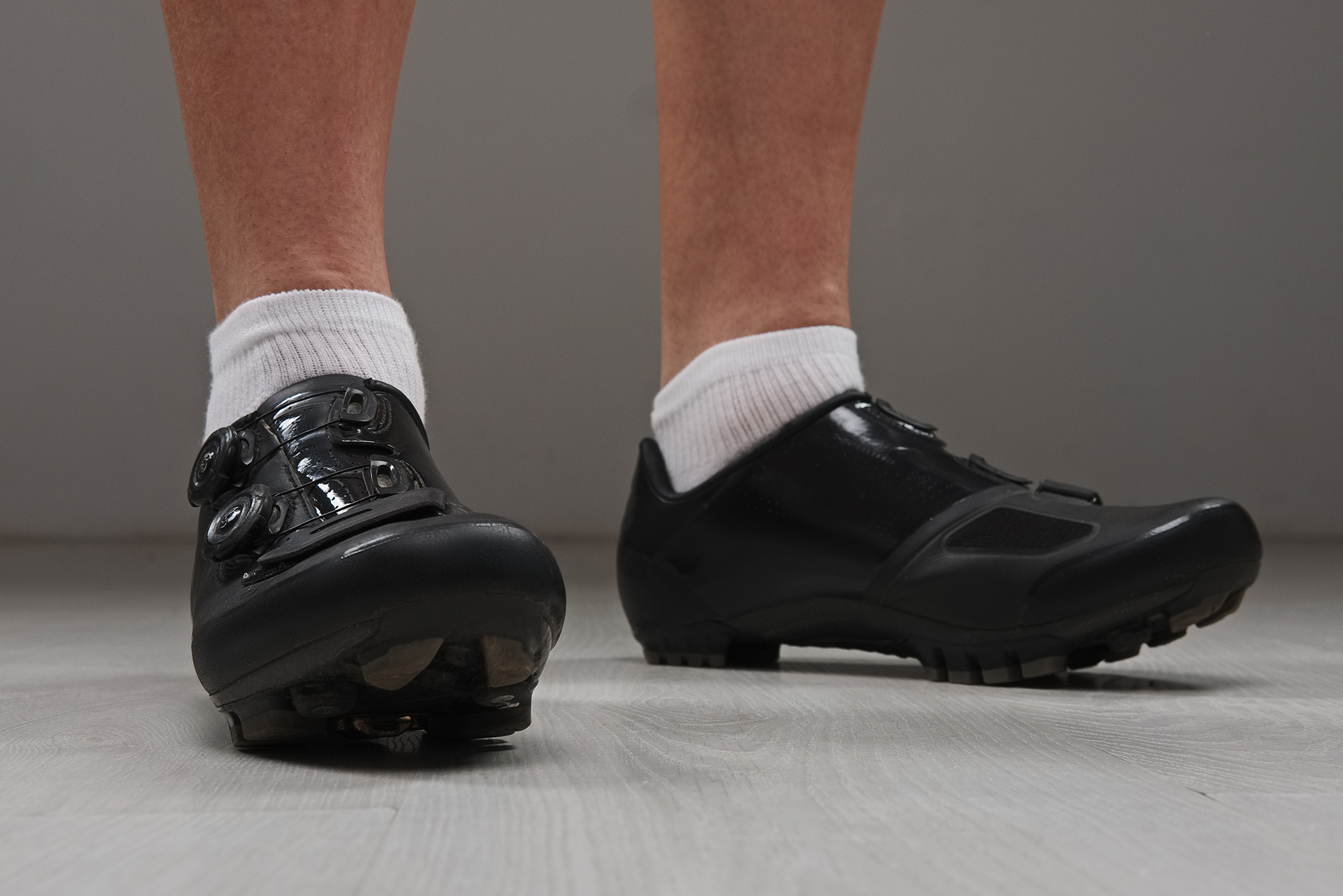
Your cleats will keep your feet stiff and stop them from flexing. These cleats also place undue pressure in specific areas of the foot, while our bodies are more used to pressure on the front and back. This means the forefoot gets overstrained without proper heel support; placing orthotics in cycling shoes can reduce the strain.
Finally, even though your feet may not be making repeated impact with the ground like in other sports, your feet are still receiving vibrations from the road surface. They have to absorb these shockwaves to keep your ride steady. In rough or uneven terrain, this can put even more unnatural pressure on your foot.
Cycling Orthotics Decreases Pain, Improves Performance
It’s extremely common for cyclists at any level to experience tingling, numbness, or other foot pain. Sometimes, these manifest as ‘hot spots’ along the sides of the foot or under the toes when the arch of the foot cramps. There are plenty of other factors that can cause this discomfort, but the two most likely causes are shoes that are too narrow or an uneven distribution of the foot within the shoe.
Cycling shoes often come with ‘liners’ to help adjust the pressure on your foot when pedalling. However, these liners actually do very little to support your foot. Moreover, they are not customised to your foot, meaning they do nothing to adequately support you or to improve your comfort, efficiency, and/or performance.

The Foot Practice is delighted to partner with Footworks Lab in Australia to create a fully bespoke and individualised setup for your cycling shoes and bike fit. You can buy off-the-shelf inserts to help support your foot within your cycling shoe. These usually come in three variations, depending on the arch of your foot: low, medium, or high.
Unsurprisingly, our feet show much more variation than that. It may help improve contact and sensory input between your foot and the stiff, flat sole of your cycling shoe, but the benefits of off-the-shelf inserts remain limited. Fully custom orthotics for cycling shoes cater specifically to your foot shape and features to give you all the support you need on your bike.
Musculoskeletal Cycling Injuries
Like most other sports, cycling has its own set of unique injuries. Many cycling injuries, outside of those involving crashes or falls, stem from overuse. Your feet must be adequately supported to reduce the chances of an overuse injury.
- Achilles Tendinopathy. Issues in your tendon may arise from a sudden increase in training or increasing the intensity or frequency of your cycling without adequate rest. This affects the wear-and-tear process in your leg, leading to minor inflammation, changes in tendon structure, and, often, pain that limits performance.
- Cycling Foot Pain. Cycling foot pain, often from tight shoes, poor bike fit (cleat position/saddle height), overuse injuries, or nerve compression (metatarsalgia, plantar fasciitis), causes numbness, burning sensation, or sharp foot pain, but it can be relieved by proper cycling shoes fit adjustment, arch support, rest, bike fitter refinement, and addressing issues like tight calf muscles.
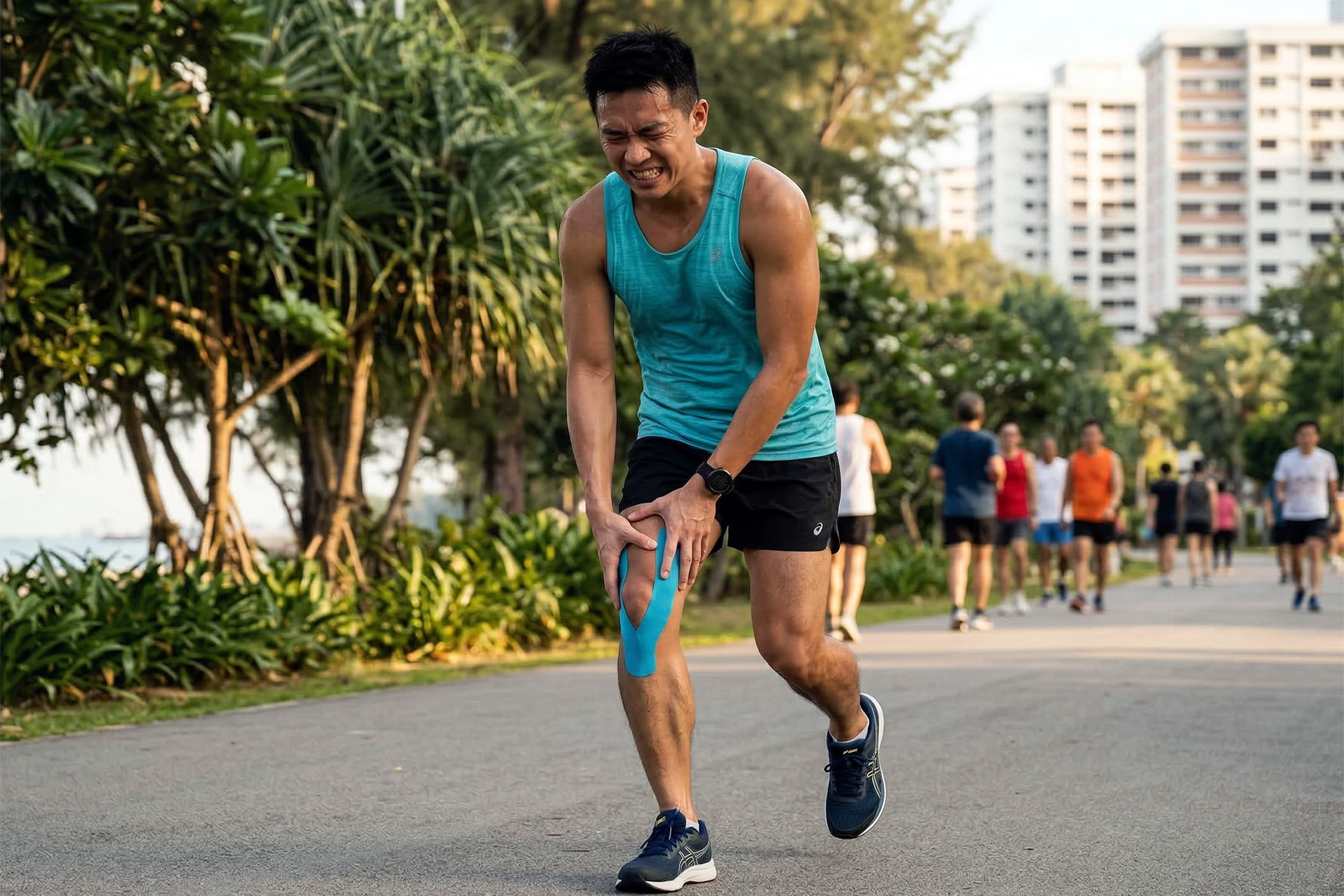
- Knee Pain Orthotics for cycling can address misalignments of the knee during cycling, as our knees bear a lot of force, leading to patellar maltracking or impaired performance.
- Hip Impingement. This is a specific type of pain, usually felt at the front of the hip or in the groin, when coming over the top of the pedal stroke. This is a common overuse injury among cyclists, in which repeated motion affects the tendons and joints of the hip.
- Iliotibial Band Syndrome. This injury also stems from overuse because of the repetitive motions involved in cycling. In this, the IT band rubs against the upper tibia, causing pain. A normal IT band should glide smoothly over your knee when you bend your leg, but repeated bending causes friction.
- Patellar Tendinopathy. Like Achilles tendinopathy, this condition affects the tendon after repeated stress wears it down. Many cyclists incorrectly tolerate this pain until it becomes too difficult to push the pedal down.
- Patellofemoral Pain Syndrome. This syndrome is especially common among cyclists, as it results from repeated knee motion with each pedal stroke. The soft tissues of the knee start to wear down and cause pain at the front of the kneecap.
- Plantar Fasciosis. Plantar fasciosis is a very common condition that affects the tissue connecting the heel to the toes. It usually stems from an uneven distribution of pressure on the foot, as in cycling, and manifests as heel pain that can be addressed with cycling orthotics for plantar fasciitis-related conditions.
- Sciatica Cycling places a lot of pressure on the hip and spine. Over time, this pressure can result in injuries as these structures become irritated. To avoid this, it’s important to train progressively and ensure the bike position is correct for your body.
To make our cycling orthotic insoles, our sports podiatrist will uncover your history both on and off the bike. Thereafter, we’ll create a mould of your foot to design our specialised device that fits your foot perfectly — that’s what makes it one of the best cycling shoe orthotics on the market today.
Should I Wear Orthotics While Cycling?
Your feet are a vital part of the cycling process. And orthoses can help avid cyclists correct cycling conditions from shin splints to plantar fasciitis or simply to regulate temperature or address toe numbness. If you’re wondering if custom-prescribed and fabricated orthoses can enhance your enjoyment on those long rides, simply make an appointment with The Foot Practice today to learn how your feet can benefit from custom cycling orthoses.