
Diabetes affects more than just the patient’s blood sugar. For many, it changes how their feet respond to pressure, friction and minor injuries. Diabetic foot blisters are a complication of diabetes mellitus, a condition in which the hormone insulin is not working correctly. These blisters form on the top layer of the skin, usually as small, fluid-filled pockets known as bullosis diabeticorum or diabetic bullae. They can appear suddenly, sometimes without any trauma, and significantly, if not managed properly, they can progress to infection or ulcers.
Unlike ordinary blisters, a diabetic foot blister can develop on skin that seems healthy. Diabetes reduces sensation in the feet, especially in long-standing cases. A person may not feel early warning signs of rubbing, irritation or heat. This combination of nerve damage, altered blood flow and delayed healing makes blisters on the foot a serious concern rather than a minor nuisance.
What Are Diabetic Foot Blisters?
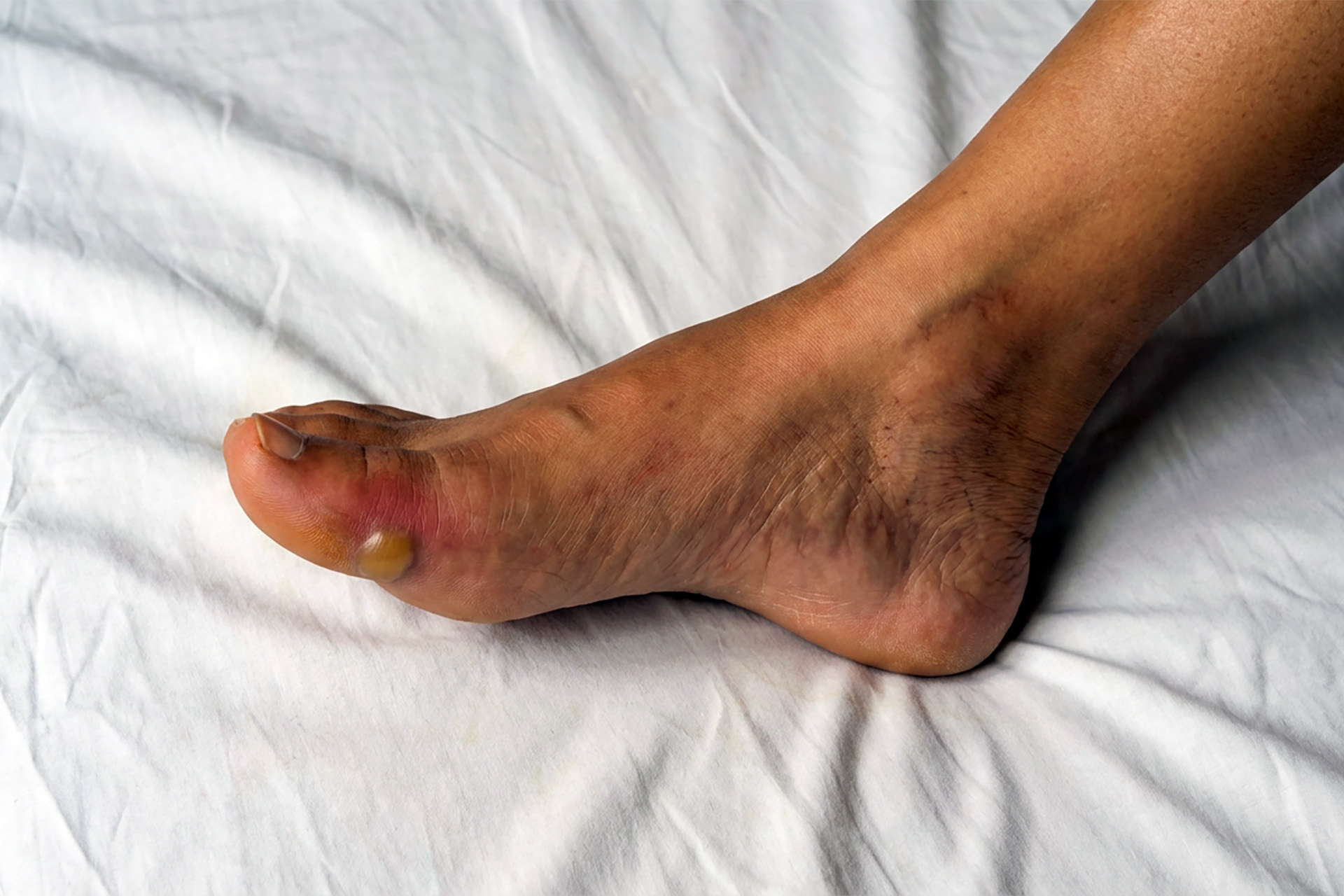
Blisters on the feet from diabetes are fluid-filled sacs that appear on the feet of people with diabetes, usually without any trauma. They often occur on the toes, sole, heel or sides of the foot and may look like blisters caused by friction from shoes. While they most commonly occur on the feet, diabetic blisters can also appear on the hands and arms.
In diabetes, nerve damage (neuropathy) can reduce pain perception and temperature awareness, especially in the extremities. This means prolonged pressure, heat or poorly fitting shoes may not be felt until the skin breaks down. Concurrently, changes in blood vessels and skin integrity weaken the barrier that normally protects against damage. As a result, even minor friction can cause a diabetic foot blister overnight. The blisters can be clear or sterile-fluid-filled, which distinguishes them from other skin lesions. Diabetic blisters usually occur in clusters rather than as a single lesion.
In some cases, small blood vessels in the skin rupture, forming blood blisters. These appear darker and may be mistaken for bruises or more serious lesions. Whether clear or blood-filled, all blisters on a diabetic foot should be treated as medically significant, as they can escalate into a more serious condition.

Why Diabetic Foot Blisters Are Different
For someone without diabetes, a blister is usually an annoyance that heals on its own. For a person with diabetes, especially if blood sugar control is suboptimal, that same blister can become a gateway to infection.
Peripheral neuropathy reduces protective sensation, so a blister is less likely to be noticed. People may continue to walk on the affected area, unknowingly worsening the damage. Poor circulation slows the delivery of oxygen and immune cells, delaying healing. High blood glucose further supports bacterial growth.
This is why foot blisters in those with diabetes should never be ignored.
A blister that bursts can leave a moist, open wound that is vulnerable to bacterial invasion. A popped blister on a diabetic foot can then evolve into an ulcer, which is much harder to manage and carries a higher risk of severe infection or even amputation. People are advised not to try to puncture diabetic blisters themselves, as keeping the skin intact helps prevent infection.
Common Causes and Risk Factors
Several factors increase the risk of developing diabetic foot blisters, such as the following:
- Neuropathy reduces pain and pressure awareness.
- Poor footwear, including tight shoes, hard insoles or seams that rub against the skin, causes friction.
- Foot deformities such as bunions, hammertoes or prominent bones increase pressure points.
- High activity levels, such as long walks at East Coast Park or around Marina Bay Sands in unsupportive footwear, can cause friction blisters.
- Uncontrolled blood sugar levels increase the risk of blisters.
- Dry, fragile skin is more prone to breakdown and tears.
- Fungal infection can also cause blisters in people with diabetes.
A diabetic foot blister is often a symptom of these underlying problems with foot mechanics, footwear, circulation, or nerve function.
Recognising Symptoms and Warning Signs
Key blisters on feet from diabetes symptoms include:
- Fluid-filled bubbles on the foot, clear or blood-stained
- Surrounding redness or warmth
- Localised swelling or tenderness if sensation is preserved
- Signs of infection, such as increasing redness, heat, pus or odour after a popped blister on the diabetic foot
Blood drainage should be appropriately managed if a blister bursts to prevent infection. Pain may be minimal or absent in neuropathic feet, so visual inspection is crucial.
If mobility is limited, a mirror or help from a family member or caregiver can make this practical. Daily foot inspections are key to early detection of new spots, cuts or blisters.
Charcot Foot Complications
Charcot foot is a serious diabetes complication most often seen in people with diabetic neuropathy, where reduced sensation means injuries to the foot can go unnoticed. Repeated stress on weakened bones and joints can lead to fractures, deformity, and a collapsed foot structure.
Early signs include warmth, redness, swelling and sometimes pain in the foot, although those with severe neuropathy may feel little or no discomfort. As the condition progresses, the foot can change shape, making walking difficult and increasing the risk of ulcers, infections, and possible amputation.
Prevention relies on good blood sugar control, protective footwear and daily foot checks to spot swelling, colour changes or new wounds early. Never walk barefoot and avoid shoes that rub or create pressure points on your foot.
If you notice sudden swelling, warmth, redness or a change in the shape of your foot, seek medical attention immediately. Early management may involve immobilisation, reduced weight bearing and custom orthoses to stabilise and protect the foot. In advanced cases, surgery may be needed, but it can be avoided with early detection.

Why Early Assessment Matters
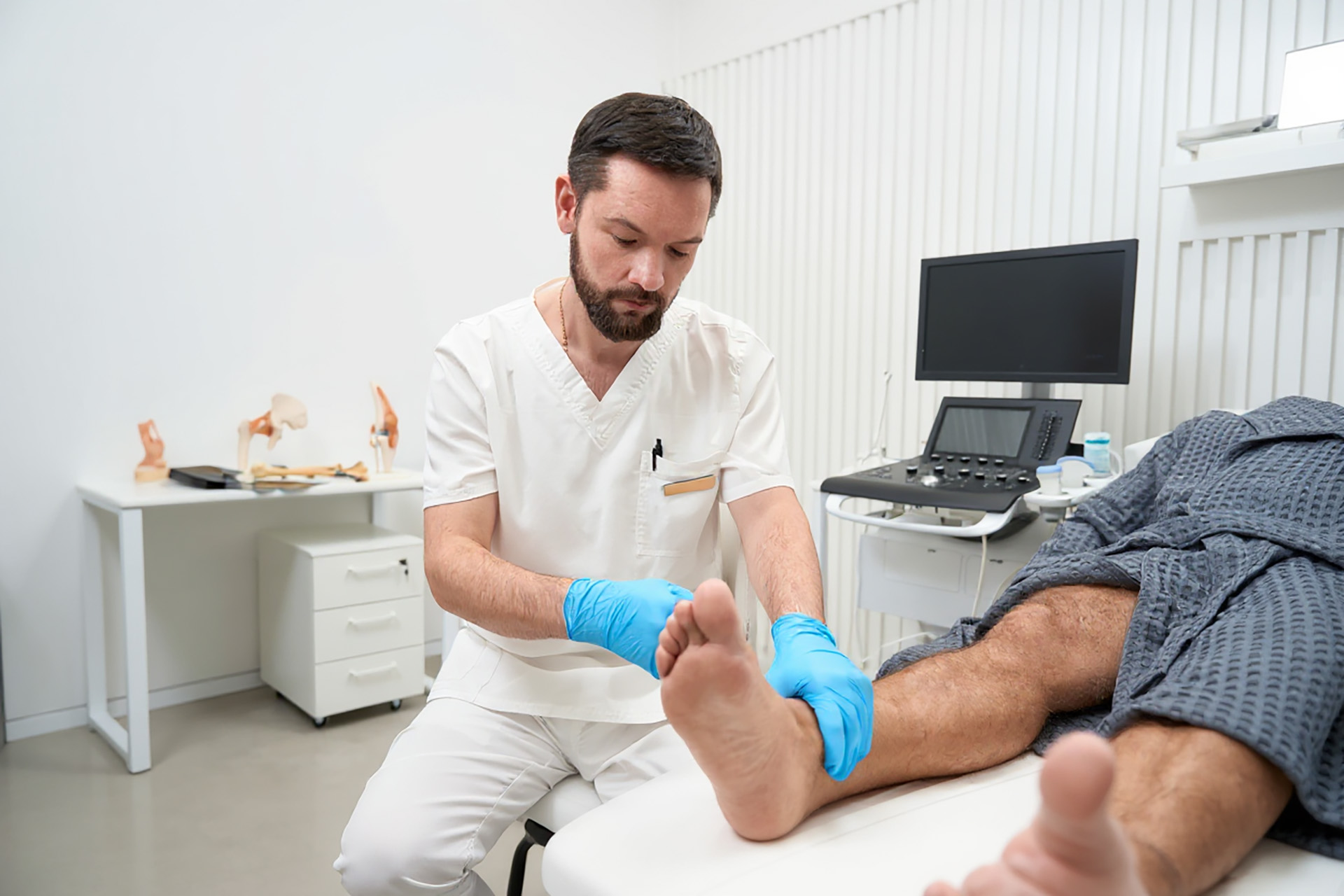
Even if a blister looks small, professional assessment by a podiatrist is highly recommended. At The Foot Practice in Singapore, a diabetic foot blister is taken seriously because it provides insight into pressure distribution, footwear suitability, and the health of the skin and circulation.
A diabetic foot screening assesses the following, using advanced technology:
- Skin condition and integrity
- Sensation levels with monofilament or tuning fork tests
- Blood flow using palpation and, if necessary, a Doppler ultrasound
- Foot structure, including deformities that create pressure points
- Gait patterns that contribute to repetitive stress
A blister is often linked to underlying biomechanical issues rather than being an isolated incident. Fixing those root causes is key to long-term prevention.
Diabetic Foot Blisters Treatment
Diabetic foot blister treatment aims to protect the skin, prevent infection and reduce pressure.
The podiatrist will decide whether to leave the blister intact or carefully drain it under sterile conditions. This is because intact blisters can act as a natural barrier against infection, but very large or tense blisters may need controlled decompression. A healthcare provider can drain a blister if it is large and painful.
The surrounding skin is cleaned and dressed with suitable wound care products to keep it protected and dry. Antibiotics may be prescribed if there are signs of infection, especially for blisters that have burst. For severe itching, a steroidal cream may be recommended to manage inflammation and skin discomfort.
Along with wound care, a treatment plan may include:
- Offloading strategies such as padding or temporary footwear changes
- Advice on how to prevent a popped blister on the diabetic foot by reducing friction and pressure
- Review of blood sugar control with the wider medical team
Most blisters will heal on their own with proper care, but it’s essential to treat diabetic blisters quickly to prevent complications.
Footwear and Orthoses
A footwear assessment checks shoe length, width, depth and seams, as many wear shoes that are too tight or rub against vulnerable areas.
At The Foot Practice, we recommend soft uppers, wider toe boxes, cushioned soles, and custom-made orthoses to offload pressure from high-risk areas, such as the ball of the foot and bony prominences. RehaWalk® pressure sensor treadmill gait analysis maps pressure patterns during walking, highlighting hidden hotspots and guiding precise orthoses and footwear adjustments. Together, these interventions prevent diabetic foot blisters and reduce the risk of serious complications.
Biomechanics, Screening and Prevention
Flat feet, high arches, or joint deformities all change how forces are transmitted through the feet. When combined with neuropathy, the risk of repeated trauma increases.
Regular diabetic foot screening helps identify patients at risk before serious complications occur. Early detection is key to preventing further complications such as infections, ulcers, cellulitis and gangrene. At The Foot Practice, screening is an opportunity to educate patients on daily foot care, appropriate footwear and signs to look out for. Screening also plays a crucial role in monitoring various skin conditions that can affect people with diabetes.
In a humid climate like Singapore, where feet are often in shoes for long working hours, moisture and heat also contribute to skin breakdown. Guidance on sock choices, shoe materials, and footwear rotation can help reduce friction and maceration.

Living Safely With Diabetes and Foot Blisters
Having diabetes doesn’t mean you will develop ulcers or serious foot complications. However, it does require vigilance and partnership with experienced clinicians.
Practical steps include:
- Inspect your feet daily, including between the toes
- Seek advice if you notice any blisters, redness, or unexplained swelling
- Wear well-fitted, cushioned footwear both indoors and outdoors
- Don’t pop blisters yourself, especially if you have reduced sensation
- Attend regular podiatry appointments for ongoing monitoring
- Practice daily foot hygiene, including washing and drying the feet carefully.
Most diabetic foot blisters will heal within a few weeks.
Working with a podiatrist helps avoid crisis management and prioritise prevention, reducing hospital visits and preserving mobility. Managing diabetes is also key to reducing the risk of future blisters and other foot complications.
When to Seek Immediate Help
You should seek urgent assessment if you notice:
- A blister that suddenly becomes very red, hot or painful
- Spreading redness up the foot or leg
- A fever or feeling generally unwell
- A popped blister that is oozing or has a strong odour
- Signs of foot infection, such as pus, foul odour, or spreading redness
These may be signs of serious infection, and you should seek medical attention.

Diabetic Foot Care at The Foot Practice
Diabetic foot blisters are a warning sign that your feet are under stress and not healing as they should. With proper care, they can be treated and future complications avoided.
At The Foot Practice, we use diabetic foot screening, footwear assessments, pressure-based gait analysis and customised orthoses to create care plans that fit your lifestyle and activity level. We want to protect your feet, make you more comfortable and reduce your risk of serious problems.
If you have diabetes and have a blister on your foot, don’t wait. Call The Foot Practice today to book a diabetic foot blister assessment.