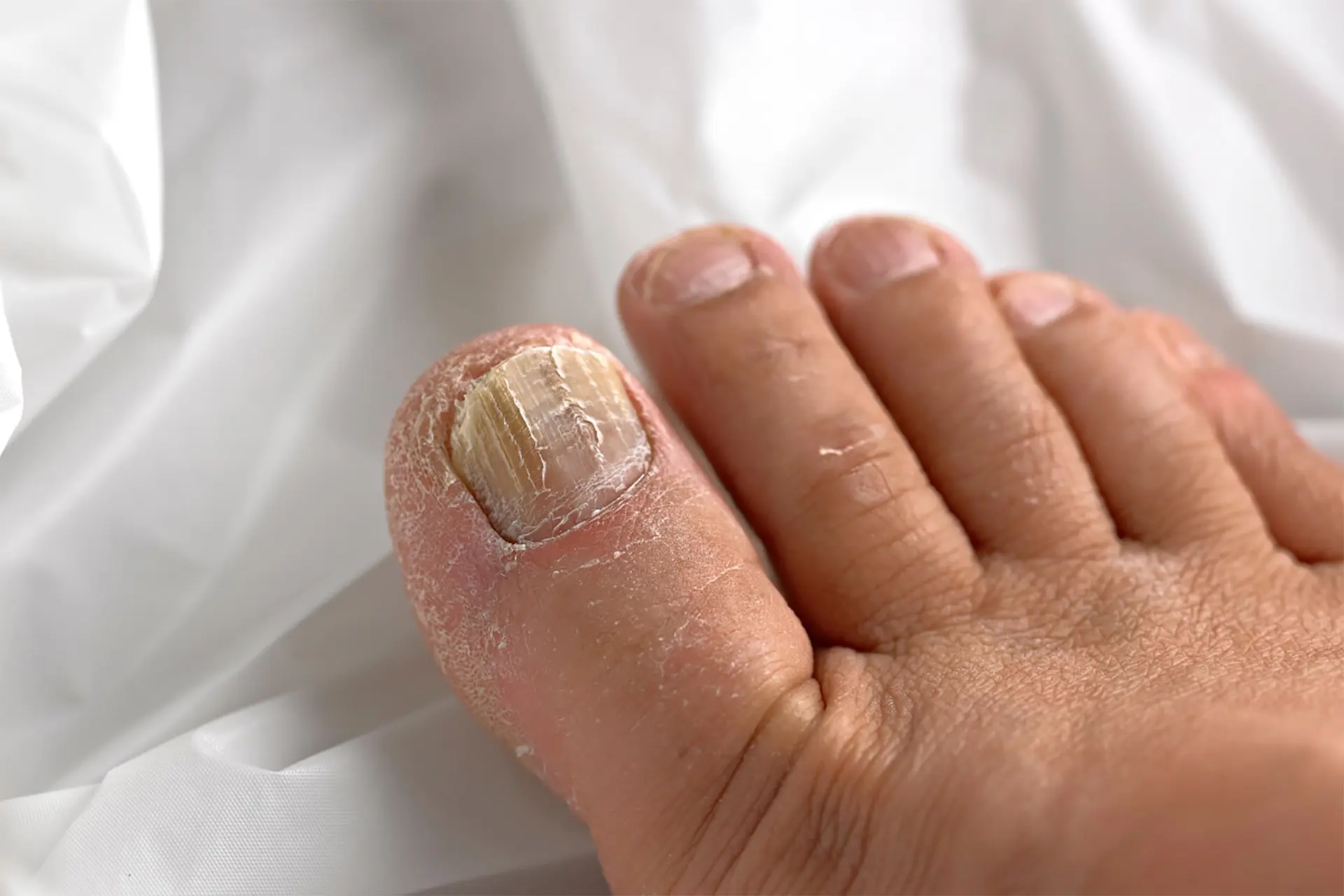
What Is Fungal Toenail Infection
A toenail fungal infection, or onychomycosis, is a common yet often stubborn condition that affects the nail bed, nail plate, and the surrounding tissue. What typically begins as a small white or yellow spot under the tip of the toenail can become a thickened, brittle and discoloured toenail. Though it might seem like a minor nuisance initially, the infection can become increasingly difficult to manage if left untreated.
Unlike skin infections, which often resolve quickly with topical antifungals, toenail fungal infections respond more slowly. This is due primarily to the nail’s dense structure, which makes it difficult for most medications to penetrate and reach the site of infection.
Fungal nail changes can spread or persist, but not every case needs medication. Seek advice if the nail is painful, worsening, or you have diabetes or reduced immunity.
Common Signs You Shouldn’t Ignore
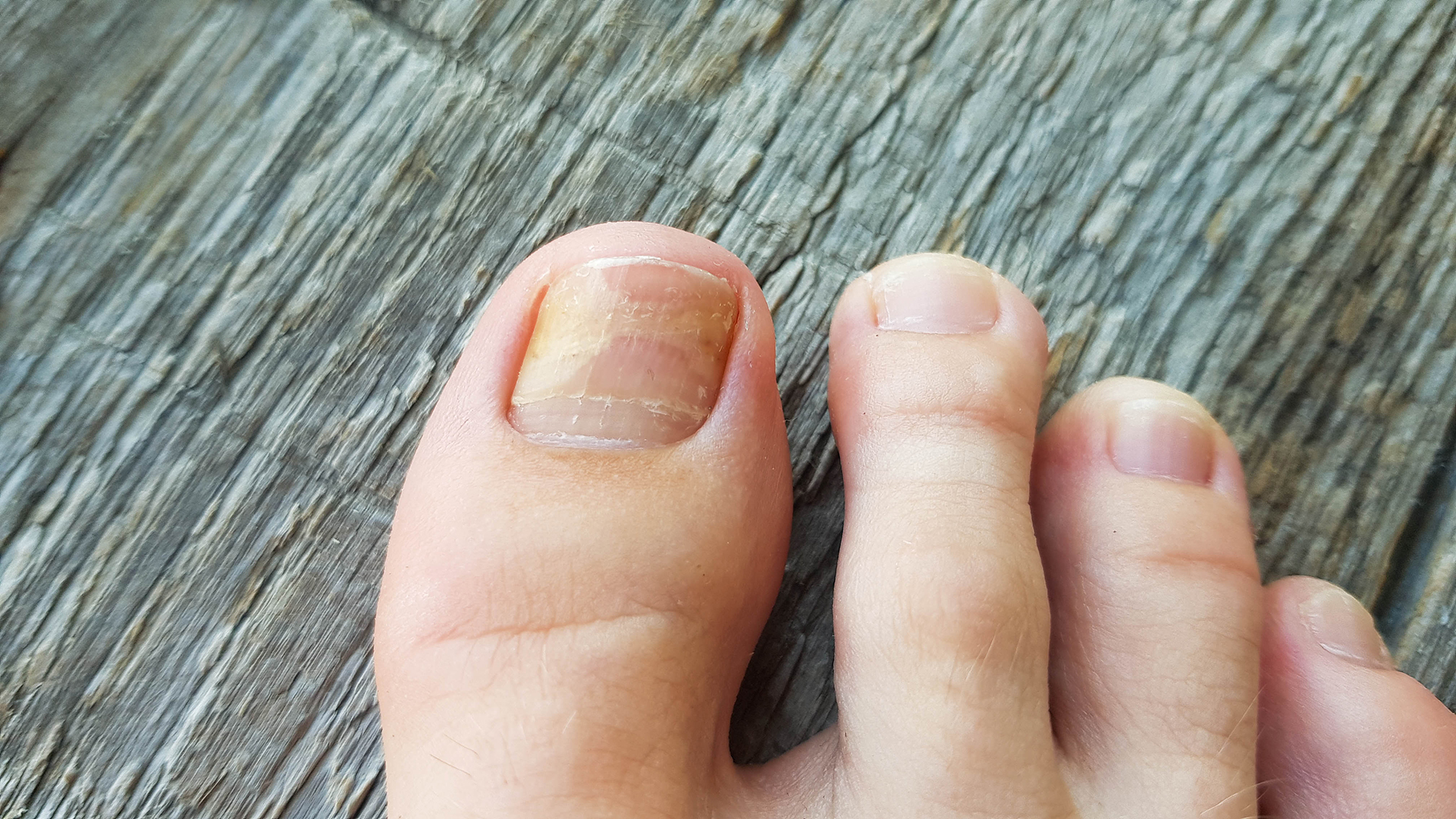
These changes can occur with fungal infection, but other nail conditions can look similar:
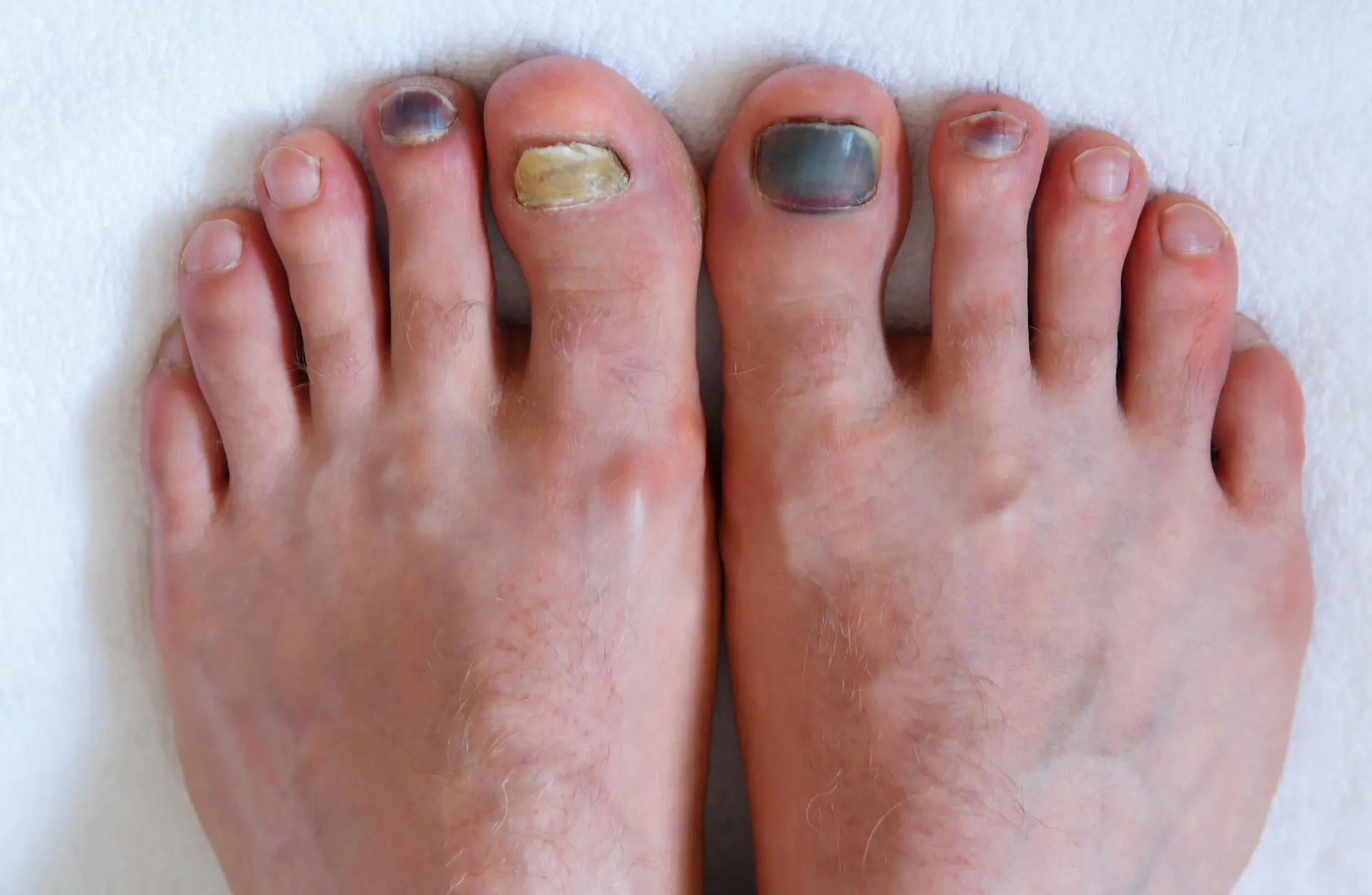
- Yellowing or whitish discolouration of the toenail
- Thickening and distortion of the shape of the toenail
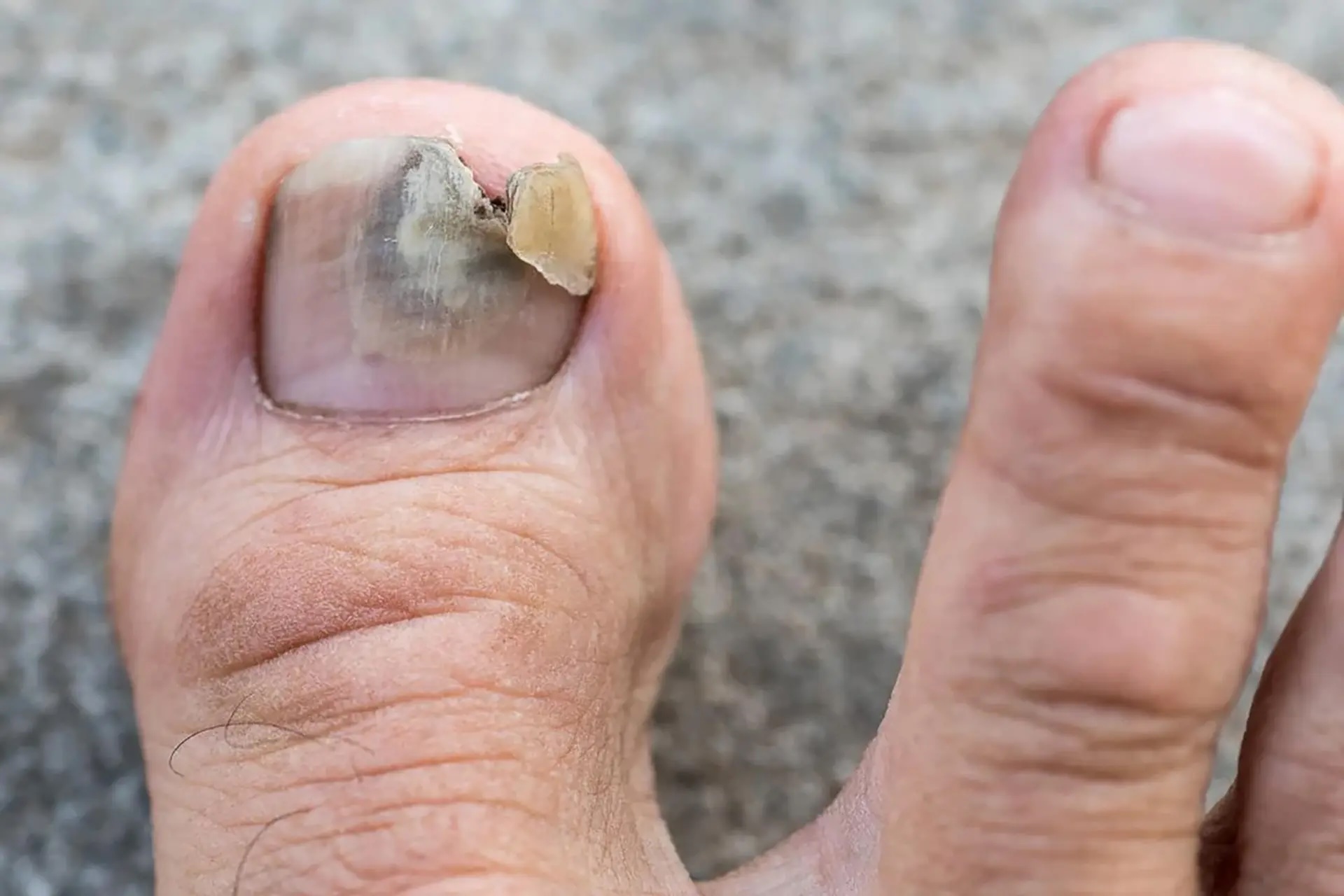
- Brittleness, crumbling or ragged edges
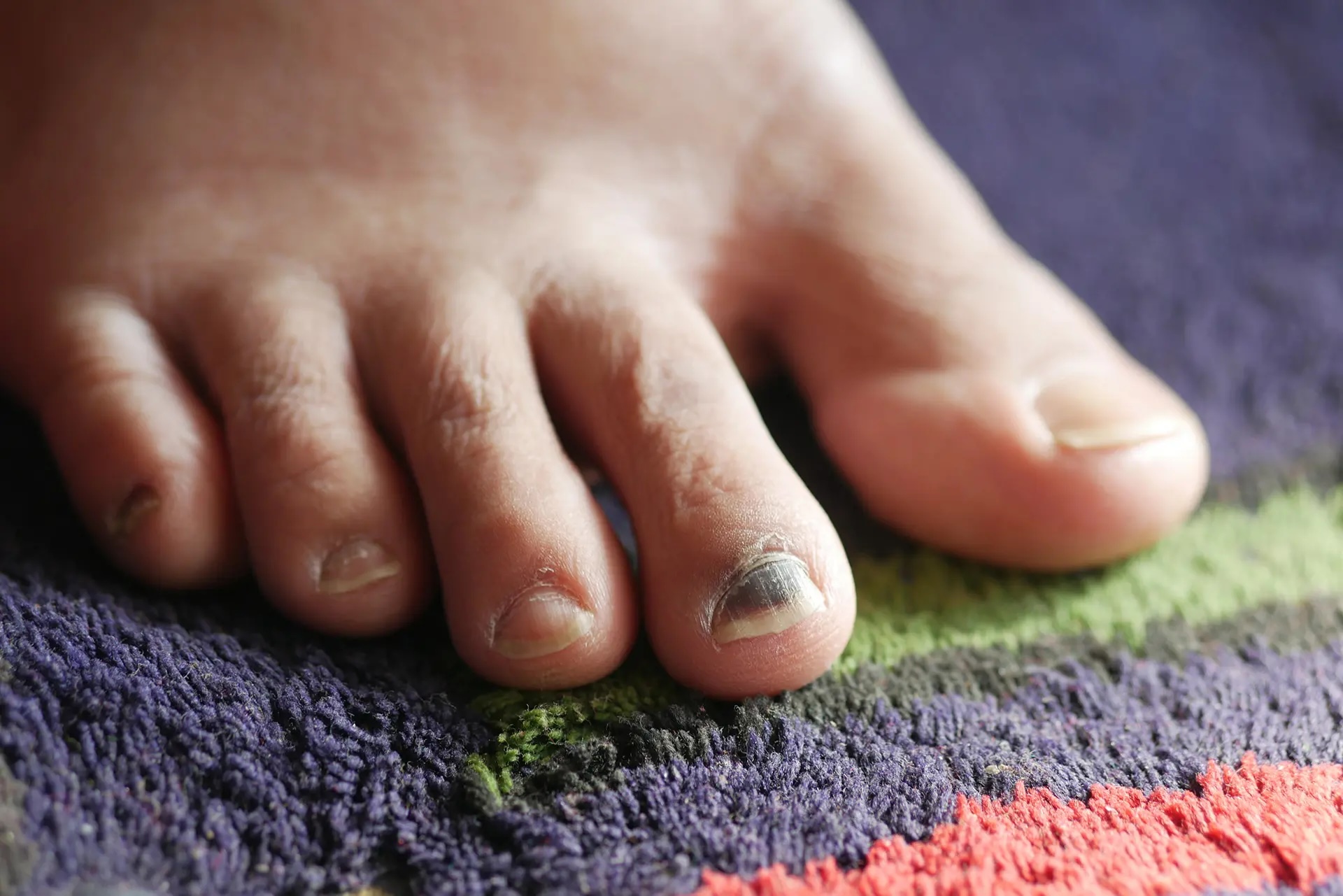
- Darkening of the nail as debris builds up underneath
- Separation of the toenail from the nail bed
- Slight foul odour from the affected toenail
- Discomfort when wearing shoes or walking
Without intervention, the infection may spread to other toenails, the surrounding skin, and even your fingernails.
Causes and Risk Factors
Most fungal nail infections are caused by dermatophytes, yeasts or moulds that thrive in warm, moist environments: think sweaty socks, enclosed footwear and communal changing rooms. Individuals with weakened immune systems, poor blood circulation, or a history of athlete’s foot are particularly susceptible to these infections. Sharing personal care items, such as nail clippers, can also increase the risk of spreading the fungus infection under the toenail. Lastly, wearing closed shoes that trap moisture and heat, and damp socks, creates an ideal environment for fungal growth.
Foot hygiene may reduce exposure and recurrence, but cannot prevent every fungal nail infection.
Medical Toenail Fungus Treatments
A doctor may consider prescribed oral antifungals such as terbinafine or itraconazole after diagnosis and safety checks. Nail-specific topical medicines are an option for selected cases; ordinary skin creams may not penetrate the nail adequately.
Nail reduction may help with thickness or discomfort. Laser treatment has limited evidence for clearing infection and should not be presented as equivalent to established antifungal medicine.

Why Podiatry Makes a Difference in Treating Toenail Fungus
While over-the-counter remedies often promise quick fixes, podiatry offers a deeper and more holistic understanding of the condition. At The Foot Practice, toenail fungal infection treatment begins with a thorough clinical assessment that includes evaluating the nail’s structure, foot hygiene habits, footwear, and potential onychomycosis and underlying health conditions.
Nail thinning may complement treatment for fungal nail infection. Oral antifungals require medical assessment because interactions and adverse effects need consideration.
A clinician can assess the nail and discuss treatment choices. Not every thickened or discoloured nail is fungal, and testing may be needed before certain treatments.

Suanfix™ and the Evidence
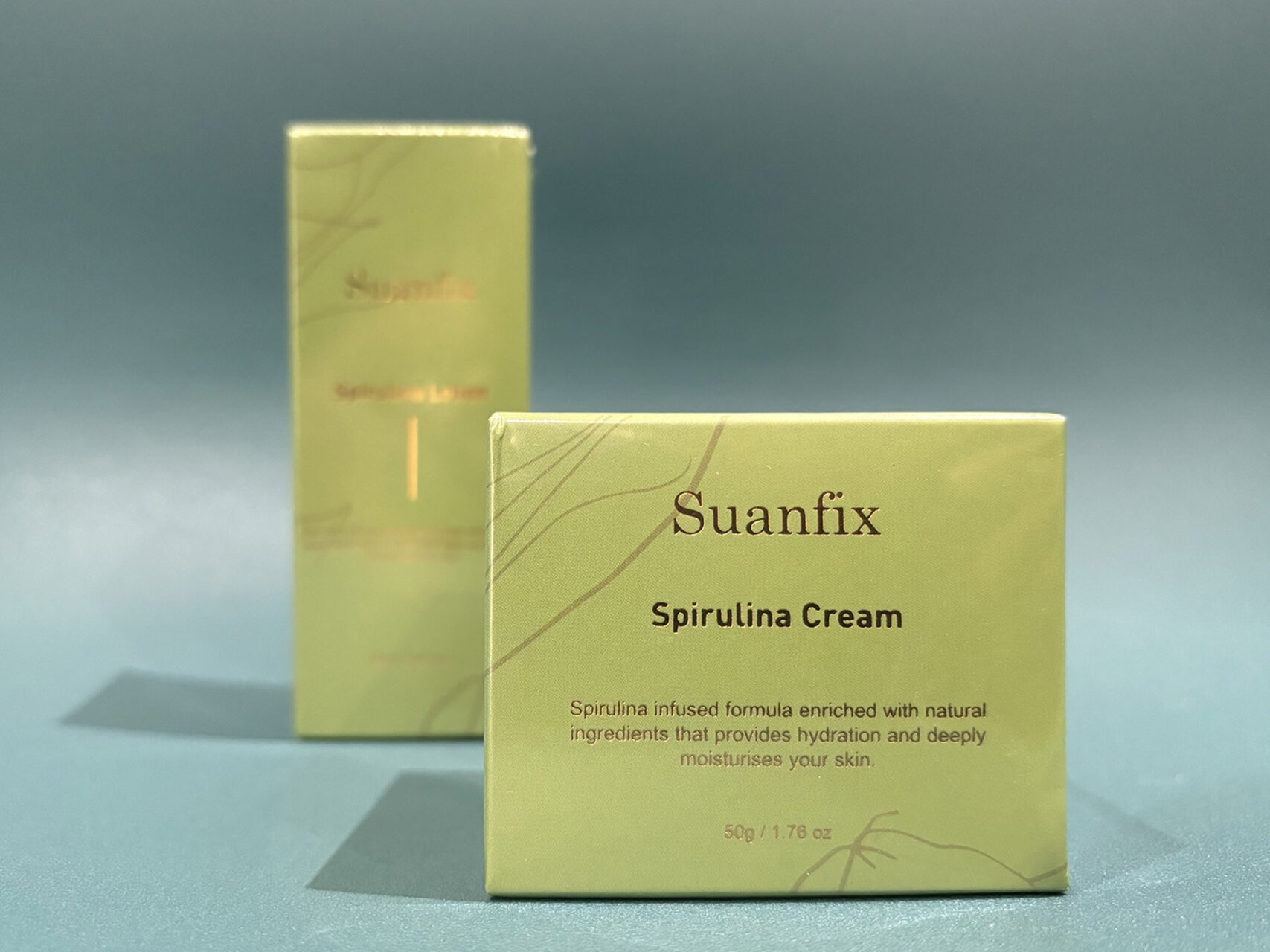
Suanfix™ is a spirulina-based product offered by The Foot Practice. Reliable clinical evidence for its effectiveness in treating fungal nail infection is limited, so it should not be presented as equivalent to established antifungal medicines.
Claims that spirulina removes infected nail tissue, stops fungal growth or repairs the nail are not established for this product. Discuss the diagnosis and available treatments with a healthcare professional.
Natural products can still cause irritation or other adverse reactions. Their safety and suitability vary, and no treatment should be described as risk-free.
A podiatrist can discuss nail care and the limitations of available products. A doctor can advise whether a prescribed antifungal treatment is suitable; do not delay assessment for a worsening or painful nail.
How to Get Rid of Fungal Infection in Toenails
A care plan depends on whether infection is confirmed, its extent and the person’s health and preferences. Options to discuss include:
- Clinical diagnosis and assessment by a podiatrist
- Nail preparation to allow better absorption of topical treatments
- Discussion of topical options and their evidence, benefits and risks
- Ongoing podiatric monitoring and hygiene support
- Addressing lifestyle and footwear factors that may reduce recurrence risk
This approach may help manage the nail and contributing factors. Clearance and recurrence vary, even with treatment.
Preventing Toenail Fungal Infections
Good foot hygiene is key to preventing fungal toenail infections.
Keeping feet clean and dry, wearing shoes that allow airflow, and avoiding sharing personal care items are essential. In public areas like swimming pools and locker rooms, wearing shower shoes or flip-flops can help prevent the spread of fungal infections. Promptly treating athlete’s foot and keeping nails short can reduce the risk of toenail infection.
These measures support nail care but do not guarantee prevention or healthy regrowth.

When to Seek Help for Your Fungal Toenail Infection
It is easy to dismiss a discoloured or thickened toenail as a cosmetic issue. However, ignoring a toenail fungal infection can lead to persistent discomfort, worsening symptoms, and, in some cases, secondary bacterial infections or complications for people with diabetes or compromised immune systems.
Consult a clinician for painful, separating or changing nails. A new dark streak or bleeding also needs assessment rather than being assumed to be fungal.
The Takeaway
Fungal nail infections can take months to improve. A healthcare professional can confirm the diagnosis where needed and discuss established treatments, their potential side effects and alternatives.
A podiatrist can discuss nail care and when medical assessment is needed. Natural products are not automatically effective or safer.
Book a skin and nail care consultation to discuss your symptoms and appropriate options.