

Pain on the top of the foot is a common issue affecting athletes to those who spend long hours on their feet. It can present as a dull ache, a sharp pain when walking, or even a burning sensation that worsens with activity. Identifying the cause is essential to finding relief and preventing further problems.
A podiatrist can assess foot symptoms and discuss suitable care or medical referral. Management depends on the cause.
Why Do We Get Pain on the Top of the Foot?
The top of the foot, or the dorsal surface, houses a complex network of bones, tendons and nerves. This area endures significant stress during daily activities, as it facilitates movement and bears weight.
Pain on top of the foot often results from overuse, injury, or underlying health conditions. Repetitive strain, such as running or prolonged standing, can inflame the tendons and joints. Poorly fitting footwear or improper biomechanics may exacerbate the issue, while systemic conditions like gout or arthritis can contribute to chronic discomfort.
Persistent or worsening pain needs assessment. Severe pain, inability to bear weight, deformity or a hot, swollen foot warrants urgent medical review.

Common Conditions Causing Pain on the Top of the Foot
Sprains or strains
Sprains or strains can cause pain and swelling after an injury. If you cannot bear weight, have severe pain or the foot looks deformed, seek urgent medical assessment; a fracture or other serious injury needs to be considered. For less severe injuries, a clinician can advise on appropriate care.
Osteoarthritis can cause pain and stiffness in the foot. A clinician may discuss footwear changes, activity modification, pain management or insoles to improve comfort; no intervention is guaranteed to restore mobility or stop progression.
Stress Fractures
Stress fractures are small cracks in the bones caused by repetitive impact or overuse, common in athletes and runners. When they occur in the metatarsal bones on the top of the foot, they can cause localised pain, swelling and tenderness, especially during weight-bearing activities.
Tendon pain Pain over the top of the foot may involve an extensor tendon, but burning pain can also involve a nerve. Activity modification, footwear changes and rehabilitation may help after assessment.
Gout Urate crystals can trigger a painful, hot and swollen joint. A GP or specialist directs diagnosis and medicines. Infection can look similar, so a sudden hot, swollen joint needs urgent medical assessment.
Lisfranc injury Damage to the midfoot ligaments or bones may follow a twist or other trauma. Swelling, difficulty bearing weight or bruising under the midfoot needs prompt medical assessment; do not run through the pain.
Ganglion Cyst
A ganglion cyst is a fluid-filled lump that can develop on the top of the foot. While generally harmless, it can press on surrounding nerves or tissues, causing pain, especially when wearing tight shoes or during physical activity.
Nerve compression or neuropathy Irritation of nerves supplying the top of the foot can cause burning, tingling or numbness. Tarsal tunnel syndrome more typically affects the sole, so the location and examination matter.
Foot drop Difficulty lifting the front of the foot is a sign of weakness, not a diagnosis of top-of-foot pain. New weakness needs prompt medical assessment. Sudden weakness with facial droop, arm weakness or speech difficulty is an emergency: call 995.
Benefits of Podiatry for Top-of-Foot Pain
Care for top-of-foot pain should be matched to the diagnosis. Some causes require medical assessment before exercises or insoles are considered.
Pain on top of the foot has many possible causes. A clinician considers your history and examination and may recommend imaging when appropriate; gait measurements alone cannot establish the diagnosis.
Non-surgical options such as footwear changes or insoles may improve comfort for some causes of top-of-foot pain. They do not provide immediate relief for every person and should follow an assessment of the underlying cause.
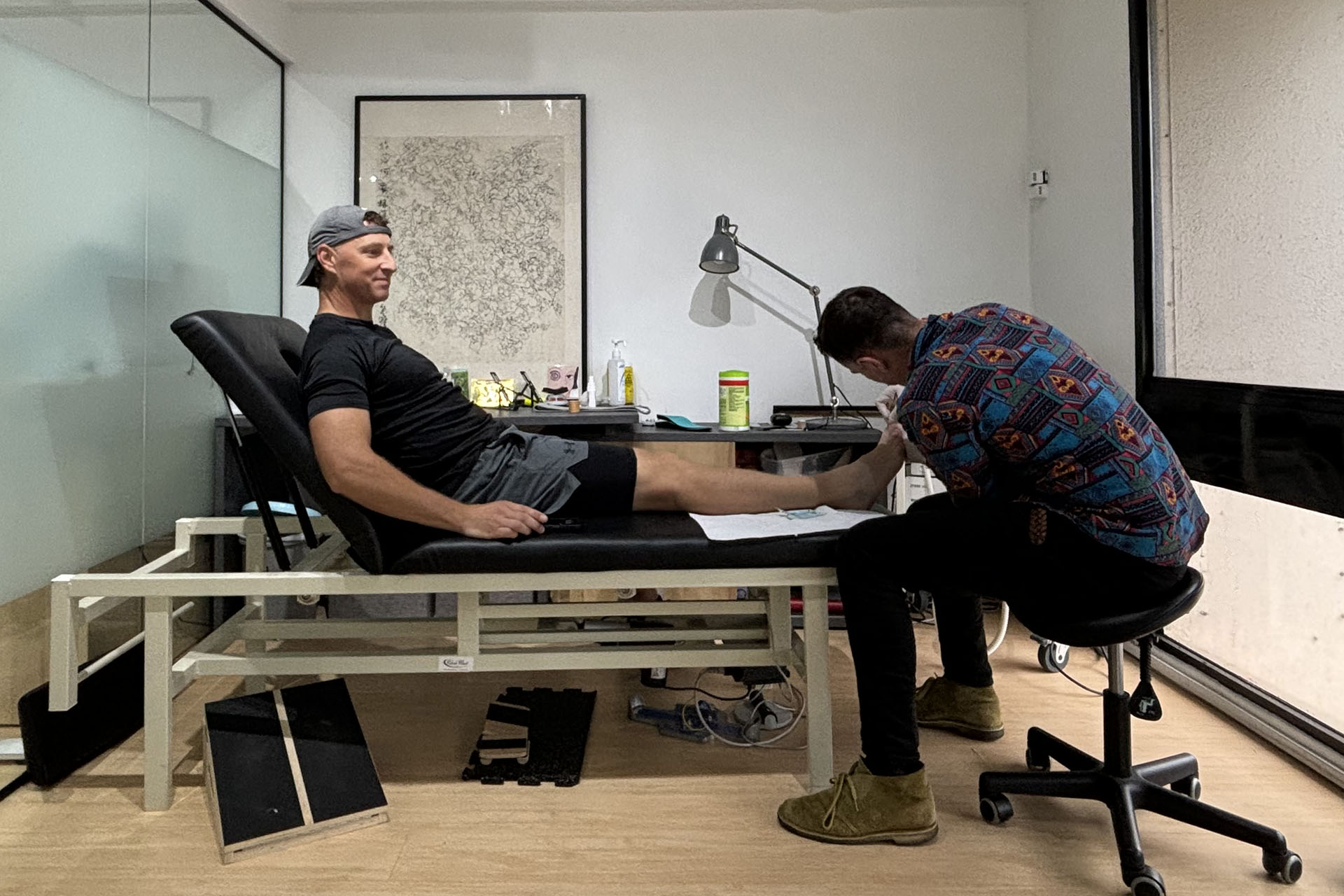
A podiatrist can assess symptoms and discuss footwear, exercises or other care suited to the diagnosis. Symptoms can recur, and no approach guarantees prevention.
When to See a Podiatrist
If you’re experiencing persistent or worsening pain on the top of your foot, it’s time to consult a podiatrist. Symptoms such as burning pain, sharp pain when walking, or swelling could indicate an underlying condition that requires professional care.
If pain persists or affects everyday activity, seek an assessment. Treatment depends on the cause, and recovery times vary.