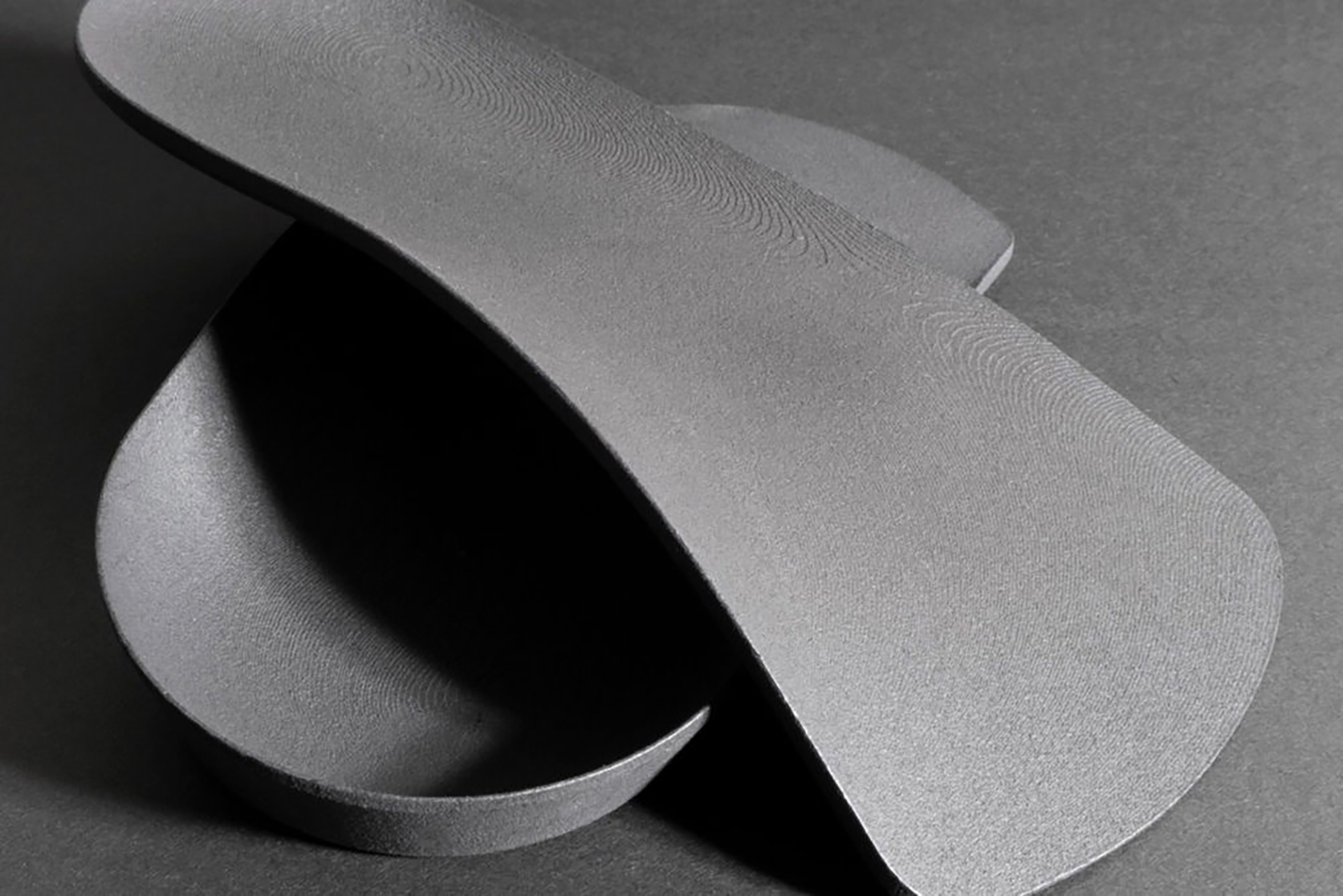
Orthopaedic insoles are inserts designed to change support or pressure under the foot. They are not necessary for everyone, and they cannot guarantee improved body alignment or prevent future problems.
The Foot Practice assesses symptoms, footwear and activity before recommending an insole. Custom-made devices are one option, but are not necessarily better than a suitable ready-made insert.
Conditions Orthopaedic Insoles Help
Let’s look at how these insoles can help with common orthopaedic conditions:

- Plantar fasciitis: An insole may be used alongside exercises, activity changes and footwear advice rather than as a stand-alone treatment.
- Bunions: An insert may improve comfort or reduce local pressure, but it does not straighten a bunion or reliably slow its progression.
- Metatarsalgia: Our insoles can incorporate metatarsal pads to offload pressure from the ball of the foot, relieving this common forefoot pain.
- Overpronation: An insole can change support under the foot and may help some people with symptoms. It does not reliably correct alignment or guarantee relief from shin or knee pain.
- Achilles tendinopathy: A heel lift or insole may be trialled for selected symptoms. Evidence for orthoses is uncertain, and progressive tendon-loading exercise remains central to rehabilitation.
- Morton’s neuroma: Appropriately positioned padding may reduce pressure under the forefoot and improve comfort for some people. Persistent symptoms need assessment.
Orthopaedic Flat Foot Insoles
Flat-foot insoles provide support while worn and may help some people with symptoms. They do not create a permanent arch or reliably relieve pain elsewhere in the body.

Some people find insoles useful for foot comfort. Their effects on symptoms vary, and they do not reliably correct alignment of the knees, hips or back.
Painless flexible flat feet, especially in children, generally do not need insoles. Pain, stiffness or a new change in shape warrants assessment.
What makes these orthopaedic insoles for shoes special?
The Foot Practice uses 3D scanning and pressure measurements to inform custom insole design. Fit and comfort must still be checked in the intended shoes; technology does not guarantee the result.
People who stand for long periods may discuss footwear and insoles with a clinician if they have persistent discomfort. The response varies, and insoles cannot guarantee prevention of pain.

Athletes may consider insoles for specific symptoms or comfort after assessment. A performance benefit is not guaranteed.
Recommendations take account of your symptoms, shoes, work and activities. A trial and follow-up help determine whether an insole is useful.
Review insoles if they become uncomfortable, worn or no longer fit. New symptoms should be assessed rather than automatically addressed with a replacement.
Contact The Foot Practice for an assessment if foot discomfort is affecting daily activity.