
Key Takeaways
- Running-related foot pain may result from skin pressure, tendon loading, a joint problem or bone stress injury. Training changes, footwear, previous injury and health can all matter; foot pain is not an inevitable result of running.
- Both new and experienced runners can develop injuries. Training should be adjusted to current fitness and symptoms, rather than assuming experience makes it safe to continue through pain.
- Movement patterns may be relevant to an assessment, but no single foot strike or arch shape explains every injury. Changing running technique without a clear reason can shift load to different tissues.
- Running-related foot pain has many possible causes, including blisters, tendon problems and bone stress injury. Treatment depends on the diagnosis. Persistent or focal pain needs assessment; seek urgent medical care if you cannot bear weight or have severe pain.
- Comfortable, well-fitting shoes may reduce rubbing and toe pressure. No shoe guarantees injury prevention. A podiatrist can assess symptoms and footwear when pain persists.
Demands of Running on the Feet
Imagine pounding the pavement for over 42 kilometres, each step carrying your full body weight. Have you ever wondered what your feet go through during long-distance running or marathon training?
Running repeatedly loads the feet and lower limbs. The amount and distribution of force vary with speed, terrain and technique, so cumulative force figures do not predict an individual’s injury risk.
Depending on the location and time of year, if you’re just starting out or training for a marathon, you may encounter hot, cold, or wet conditions that can challenge foot health. Cold can numb the feet, heat can exacerbate sweating and swelling, and wet conditions can increase the risk of blisters and fungal infections. Feet are prone to sweating, and over several hours of running, the combination of sweat and repetitive motion can cause chafing, blisters, and other skin irritations.
Although most running happens on roads, surface quality and grade can vary. This requires your feet to adjust their landing, stride, and push-off to accommodate these subtle changes.
Whether it’s the scorching sun, a freezing morning, or a drizzly day, your feet are against it all. It’s truly a remarkable journey!
Distinction Between Experienced and New Runners’ Concerns
Experienced runners may be familiar with their training demands, but previous mileage does not make them immune to injury.

Footwear preferences can change with symptoms, training and terrain. A familiar shoe is not necessarily suitable if it now causes pressure or discomfort.
Experience does not reliably distinguish normal soreness from an injury. Persistent, focal or worsening pain should be assessed rather than pushed through.
The Novice
New runners are adapting to an unfamiliar activity. Gradual changes in training and adequate recovery are useful, but pain should not automatically be dismissed as a normal part of starting.

A new or experienced runner can mistake an injury for routine soreness. Reduce activity that worsens symptoms and seek advice if pain persists or changes walking.
A running shoe should fit comfortably and suit the intended activity. No single design is superior for every runner.
Training recovery may include rest, gradual changes to load and attention to symptoms. These measures may reduce risk for some runners but cannot prevent every running injury or promise faster recovery.
No matter where you are, understanding these distinctions and demands helps new and experienced runners prepare for marathons and reduce the risk of foot-related injuries or discomfort.
Understanding the Mechanics of Your Feet
Every runner, whether rookie or elite, knows the value of those trusty feet that carry them, especially when aiming for marathon greatness. But have you ever taken the time to understand the mechanics behind your foot movement? Here, we look at some physiology and biomechanics that kick your feet into gear.

- Medial longitudinal arch: The inner arch helps the foot adapt to load. Arch height varies, and a low arch does not necessarily cause pain or require correction.
- The metatarsals are the long bones of the forefoot. They bear load during standing and running. Pain around them may arise from several structures and is not always a simple pressure problem.
- Toes, while they might seem small, are mighty and more than meet the eye. They provide the final push in our gait cycle, thrusting you closer to that finish line with each step. That said, wrongly fitted shoes or improper form can leave your feet with painful blisters or even lost toenails.
- The calcaneus bone, forming the heel, is like the foot’s shock absorber. As it makes first contact during heel-strike running, it absorbs a force several times your body weight. But there’s more to the story.
- The ankle joint, acting as the linchpin, provides stability and shapes foot mechanics through its range of motion. This collaborative effort between the heel and ankle ensures efficient shock absorption.
- Muscles, tendons and ligaments support movement and stability. The plantar fascia is a thick band of connective tissue under the sole. Persistent tendon pain may reflect tendinopathy rather than inflammation alone.
- Pronation and supination describe normal movements of the foot. Their amount varies between runners; foot movement alone does not establish the cause of pain or predict every injury.
- The soles of our feet aren’t just for stepping; they’re sensory powerhouses that help us navigate and adapt to different terrains seamlessly, letting us know proprioception is at work.
Foot pain can have several causes. A clinician can consider symptoms, training and footwear when an assessment is needed.
Specific Biomechanical Links That Increase Risk of Foot Pain for Runners
A running assessment may consider the following features alongside symptoms, training and health. Their presence does not establish that they caused an injury.

- Foot strike: Runners land in different ways. A forefoot strike shifts load towards the calf, Achilles tendon and forefoot; it is not a universally safer alternative to heel striking. Change technique only for a clear individual reason with a gradual plan.
- Pronation and supination: These are normal foot movements. Their amount varies between runners, and appearance alone does not predict pain or show that correction is needed.
- Hip strength: Hip function may be considered as part of a running assessment. Weakness does not, by itself, identify the cause of a foot injury.
- Trunk strength: Trunk control may be relevant to running and rehabilitation. It should be assessed in context rather than assumed to explain lower-limb pain.
- Calf and ankle movement: Limited movement or calf symptoms may affect running comfort. A clinician can advise on appropriate loading and exercises when needed.
- Leg-length difference: Small differences are common and may cause no symptoms. Assessment is needed before deciding whether any intervention is useful.
- Limited ankle dorsiflexion: Reduced upward movement of the ankle may be considered during an assessment, but it does not by itself establish the cause of a running injury.
- Toe deformities: Hammer or claw toes may increase shoe pressure and rubbing. Footwear should leave sufficient room; an assessment can help when discomfort persists.
- Forefoot position: Foot shape varies. It should not be used alone to predict injury or prescribe correction.
- Joint mobility: Some people have more flexible joints than others. Symptoms, stability and function matter more than flexibility alone when planning care.
- Movement asymmetry: Differences between sides can occur without injury. A clinician can consider their relevance alongside the examination and history.
An individual assessment may guide rehabilitation or training changes. Gait analysis is one possible tool, not a guarantee of injury prevention.
Common Running Foot Pain Conditions and Remedies
At The Foot Practice, we regularly treat patients experiencing dysfunctions and common pains associated with running injuries. We’ve compiled a list of the most common issues new runners and seasoned marathoners face because repetitive stress can cause foot pain after a long run.

- Blisters: Repeated friction and shear can damage skin. Check shoe fit and socks, reduce rubbing and avoid running on an open or infected blister.
- Black Toenails: Often caused by the toe consistently hitting the front or top of the shoe, leading to blood buildup under the nail. Proper shoe sizing, especially considering the natural swelling of feet during a run, is crucial.
- Plantar fasciitis: Plantar heel pain commonly affects the first steps after rest. Activity changes, stretching and suitable footwear may help. Insoles are an adjunct for selected people, not a stand-alone solution for everyone.
- Metatarsalgia: Often described as burning or aching pain in the ball of the foot, it’s common in marathoners because of repetitive impact in this area. Try metatarsal pads or shoe inserts, and wear shoes with a wide toe box and good arch support.
- Stress fractures: Bone stress injury can develop with repeated loading. Focal pain or tenderness, swelling or pain that worsens with activity needs assessment. Stop running on a suspected fracture.
- Arch Pain: This is often tied to plantar fasciitis but can also arise from simple muscle fatigue, especially in flat-footed runners. Prescribed exercises and foot stretches, supportive footwear, and orthotic devices may help reduce pain.
- Tendon pain: Tendinopathy may cause pain and stiffness with loading. Management often includes modifying aggravating activity and progressive rehabilitation. Treatment must be matched to the affected tendon.
- Bunions: A bony bump that forms on the joint at the base of the big toe; narrow, tight shoes or biomechanical factors can exacerbate this. Wider shoes can reduce pressure; toe spacers or bunion pads are good first-line remedies.
- Morton’s Neuroma: This involves the thickening of the tissue around one of the nerves leading to the toes. It can cause a sharp, burning pain in the ball of the foot, often felt between the third and fourth toes. Tight shoes or shoes with a tapered toe box can make it worse.
- Turf toe: Forceful upward bending can injure the structures under the big-toe joint. Pain or swelling after such an injury may need assessment before running resumes.
- Ankle impingement: Compression of tissues at the front or back of the ankle may cause movement-related pain. Exercise should be guided by the diagnosis rather than forced through a painful range.
- Posterior Tibial Tendon Dysfunction (PTTD): The posterior tibial tendon helps hold the foot’s arch. Overuse can cause inflammation or even a tear, leading to pain and, in severe cases, flatfoot. Rest, ice, orthoses, and range-of-motion exercises or braces can help support the foot.
- Peroneal tendon pain: Pain on the outside of the ankle can have several causes and should be assessed if persistent. Management may include reducing aggravating activity and a gradual rehabilitation plan; the benefit of shockwave therapy is uncertain.
- Sesamoid pain: The small bones beneath the big toe can be involved in forefoot pain. A clinician can assess the cause, including possible injury or fracture, and discuss appropriate pressure relief and activity changes.
- Jones fracture: This fracture affects a particular area near the base of the fifth metatarsal on the outer foot. It may heal slowly and needs medical assessment; care can include restricted weight-bearing, immobilisation or surgery.
- Synovitis: Inflammation of the lining of a joint can cause pain or swelling. A clinician can assess the cause and recommend suitable management. Persistent symptoms do not automatically mean surgery is needed.
- Outer-foot pain: Pain around the cuboid bone can have several causes, including an injury or bone stress problem. A clinician can assess persistent or worsening pain; do not assume that a bone is dislocated or that manipulation is needed.
- Os trigonum syndrome: An extra bone at the back of the ankle may contribute to pain with pointing the toes. An assessment helps distinguish it from other causes. Activity changes and rehabilitation may be considered; persistent cases sometimes need an orthopaedic opinion.
Seek assessment if running pain persists, worsens, affects weight-bearing or is associated with swelling, numbness or a change in function. A clinician can help distinguish common overuse symptoms from conditions that need different care.
Importance of Selecting the Right Footwear for You
Footwear should fit comfortably and suit the activity. It is one part of managing pressure and comfort, not a guarantee of performance or injury prevention.
Choose shoes based on fit, comfort and any specific clinical need rather than assuming a particular design prevents injuries.

Footwear changes how pressure is distributed, but comfort and response vary. Stop using shoes that cause persistent rubbing, numbness or pain.
Comfortable shoe fit can help reduce rubbing or pressure on the toes. Blisters and black toenails can still occur, so check your feet and seek assessment for persistent pain or an unexplained nail change.
People with heel pain may find some shoe designs or insoles more comfortable than others. Arch shape alone cannot determine the best option.
Inspect shoes for worn or damaged areas and replace them when fit, grip or comfort is no longer suitable. There is no universal replacement interval that prevents injury.
As always, seeking advice from professionals, like podiatrists, can offer personalised guidance tailored to an individual’s unique foot structure and needs.
Why Seeing a Podiatrist for Routine Foot Health Matters
A podiatrist can assess your symptoms, footwear and activity and discuss possible changes. Fit and comfort vary, and no shoe can guarantee injury prevention.
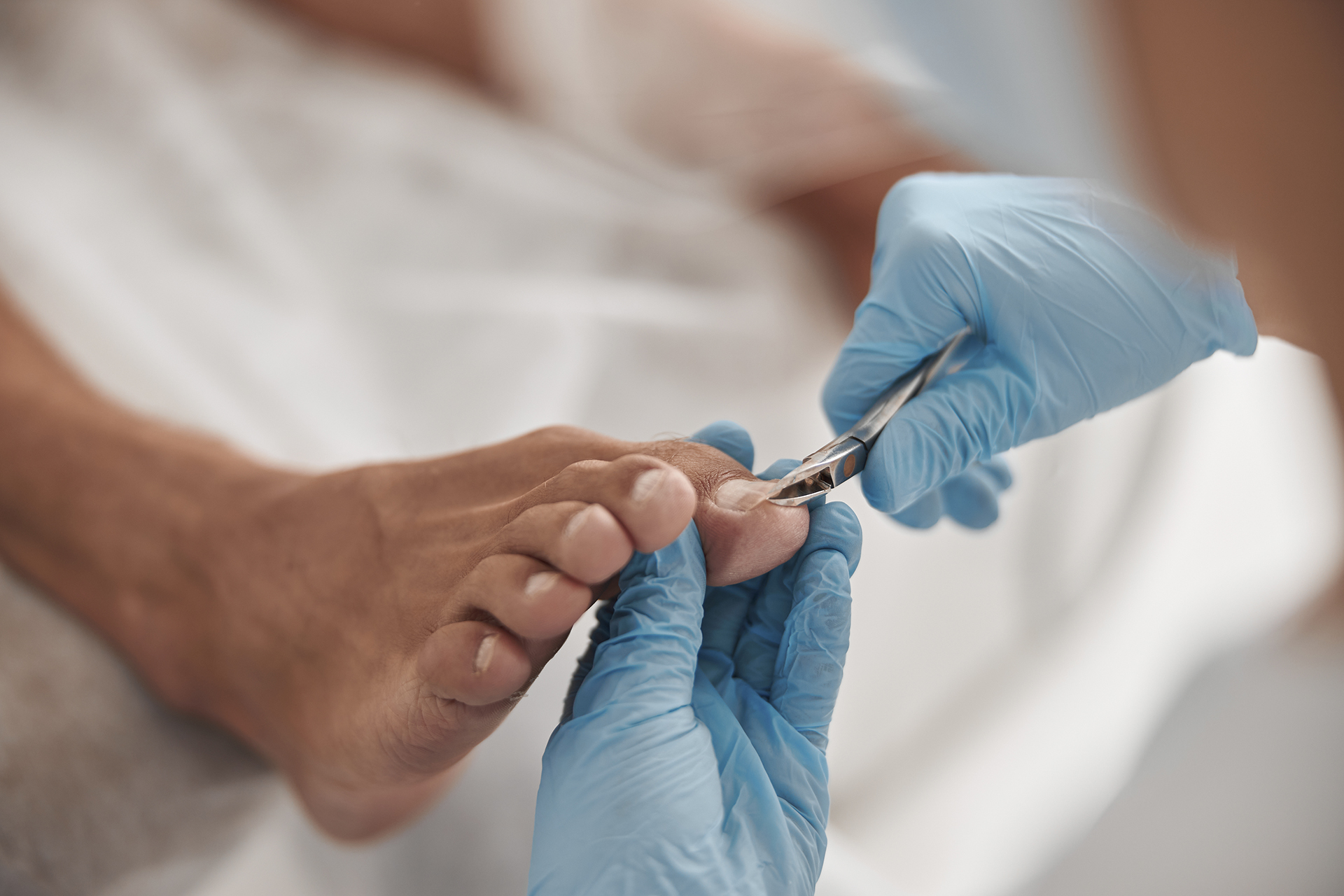
A podiatrist can assess running-related foot symptoms and discuss footwear, training load and rehabilitation options. Taping or other supports may be appropriate in selected cases but do not prevent every injury.
A foot assessment can help identify contributing factors when pain persists or interferes with training. It cannot guarantee that every future injury will be prevented.