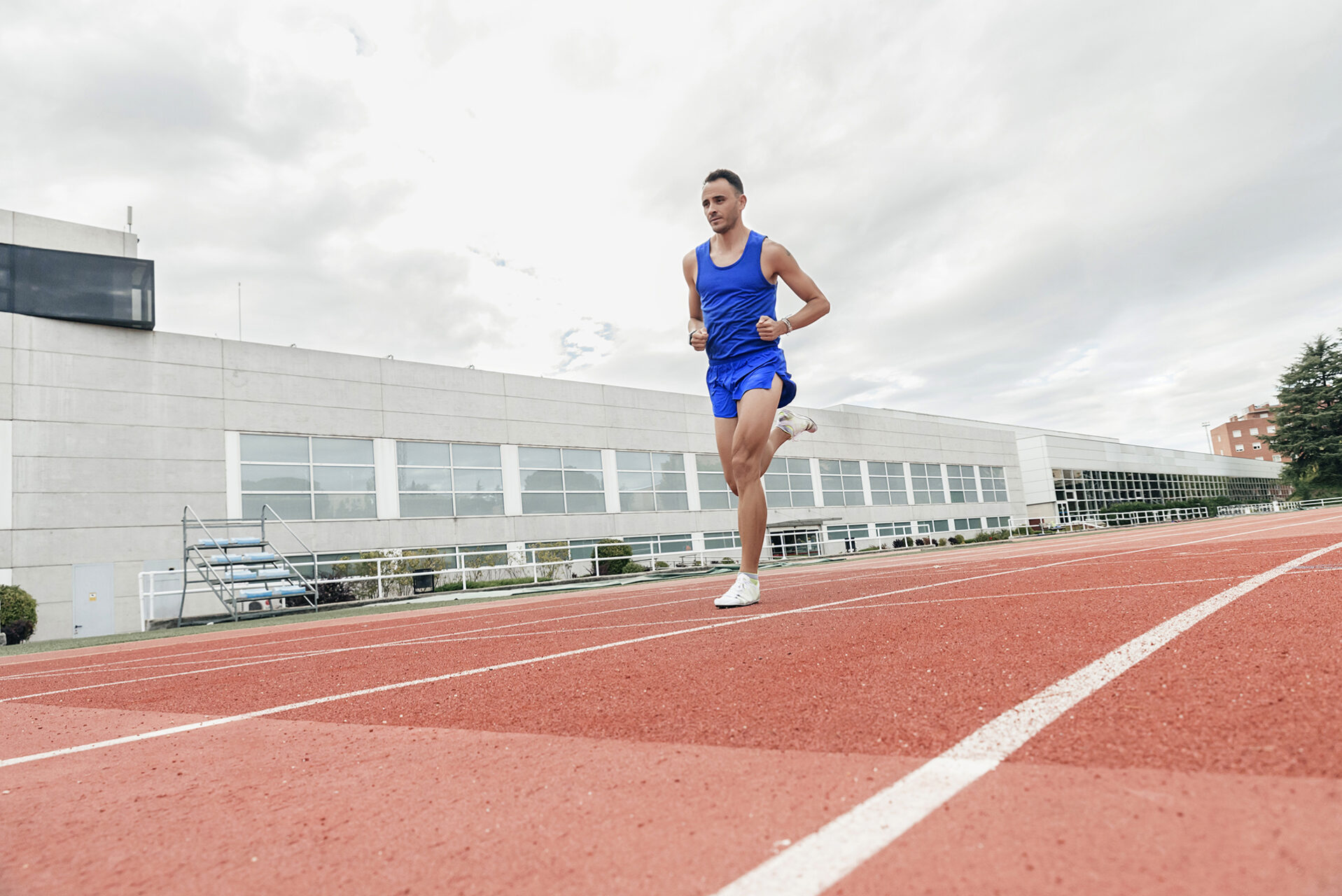
It can start subtly with a dull ache along your shin that you can brush off as muscle fatigue. With each subsequent run, that minor discomfort becomes a nagging pain that eventually forces you to stop mid-stride. Tibia pain after running isn’t just an annoyance; it’s a complex condition that affects recreational joggers and elite athletes. It is often the invisible barrier between you and your running goals.
For many runners, pain in the tibia bone after running means more than physical discomfort. It’s a mental setback that disrupts training schedules, dampens motivation, and has you wondering if you’ll ever run pain-free. Whether you’re training for your first 5K or your 15th marathon, tibia bone pain while running can strike without warning, making every step a painful reminder of your body’s limitations. Fortunately, options are available to help you get back on the right track.
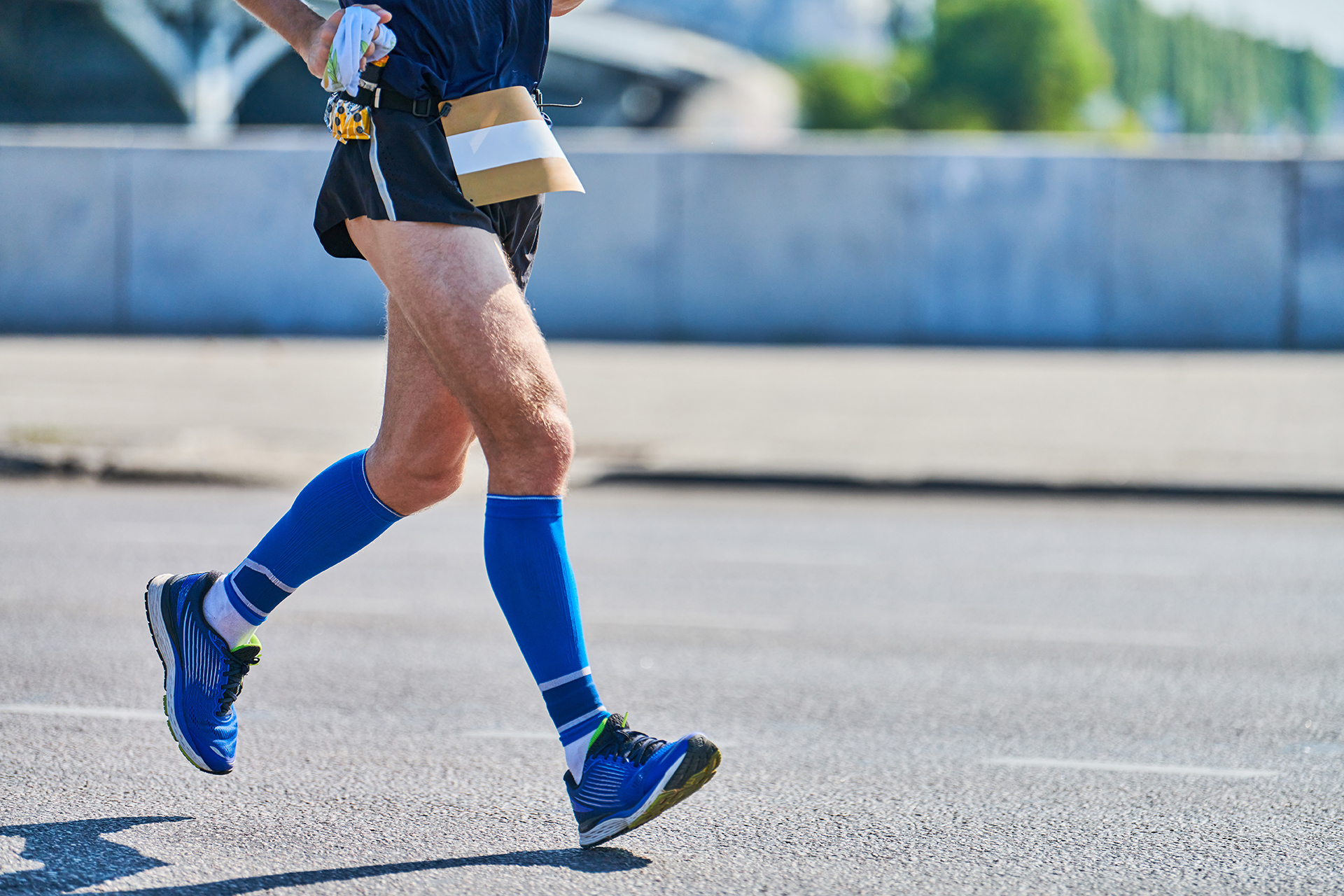
Tibia Bone Pain
The tibia, also known as the shin bone, bears most of your body weight while running. This long bone connecting your knee to your ankle endures tremendous forces, which can go up to three times your body weight with each stride.
Shin pain can follow changes in training load and may reflect several conditions, including a bone stress injury. The symptoms need assessment rather than assuming that footwear or foot mechanics is responsible.

Causes of Tibia Bone Pain
Tibia pain can originate from various sources, but repetitive stress on the tibia bone is the most common cause. Activities involving high impact, such as running, dancing and military training, place significant stress on the tibia, thereby increasing the risk of pain and injury.
Medial tibial stress syndrome usually causes pain along the inner shin. Training history and individual factors matter; a low arch or a hard surface does not by itself establish the cause.
While the traditional RICE (Rest, Ice, Compression, Elevation) method temporarily relieves tibia bone pain after running, it only addresses symptoms, not the underlying causes. The Foot Practice takes a holistic view of tibia bone pain and running, prioritising sustainable recovery by examining the entire kinetic chain, from your feet to your hips and beyond.
Assessment considers activity, symptoms and examination, with medical investigation when needed. The purpose is to identify the problem and plan care, not to promise improved performance from correcting presumed inefficiencies.
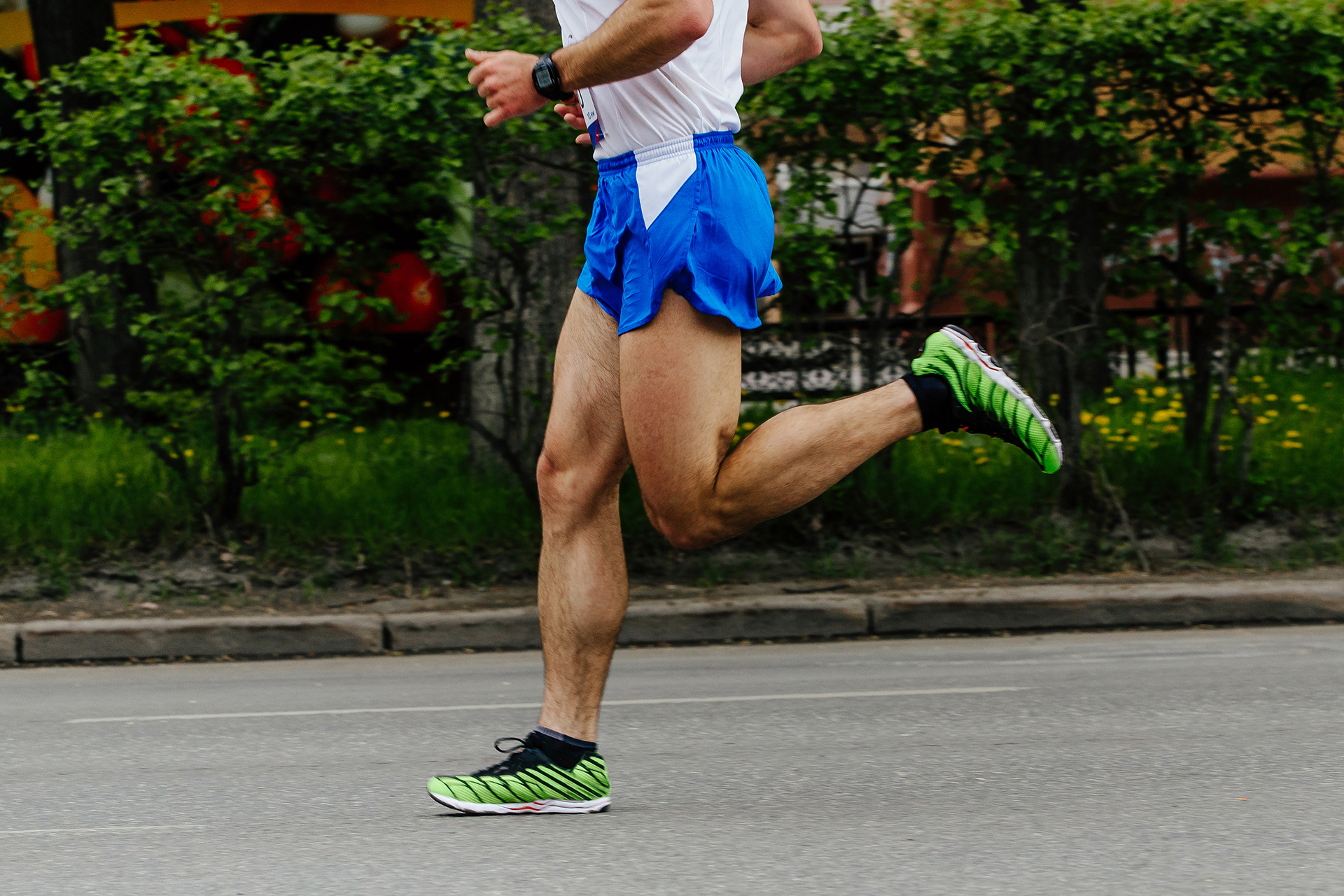
Precision Diagnosis and Treatment Options for Tibia Pain After Running
A pressure-sensing treadmill can describe foot loading. It cannot diagnose a tibial stress fracture or replace clinical assessment and any necessary imaging.
Pressure beneath the foot is not a direct measurement of stress within the tibia. Recorded patterns should not be presented as pinpointing the cause of shin pain.
Measurements may complement the history and examination when clinically useful. No single pressure pattern establishes an individual treatment plan.
Following this, we will conduct a footwear assessment to evaluate your current trainers and their suitability for your foot type and running style. When combined with RehaWalk data, our podiatrists can make evidence-based footwear recommendations with specific stability features, cushioning properties or heel-to-toe drops that match your unique biomechanics.
An insole may be considered for selected comfort or loading concerns, but it does not reliably correct every biomechanical feature or direct force away from a bone injury. It is not a substitute for appropriate protection and rehabilitation.
Exercises should follow the diagnosis and any loading restrictions. Calf flexibility or joint mobility findings do not automatically establish the cause of shin pain.
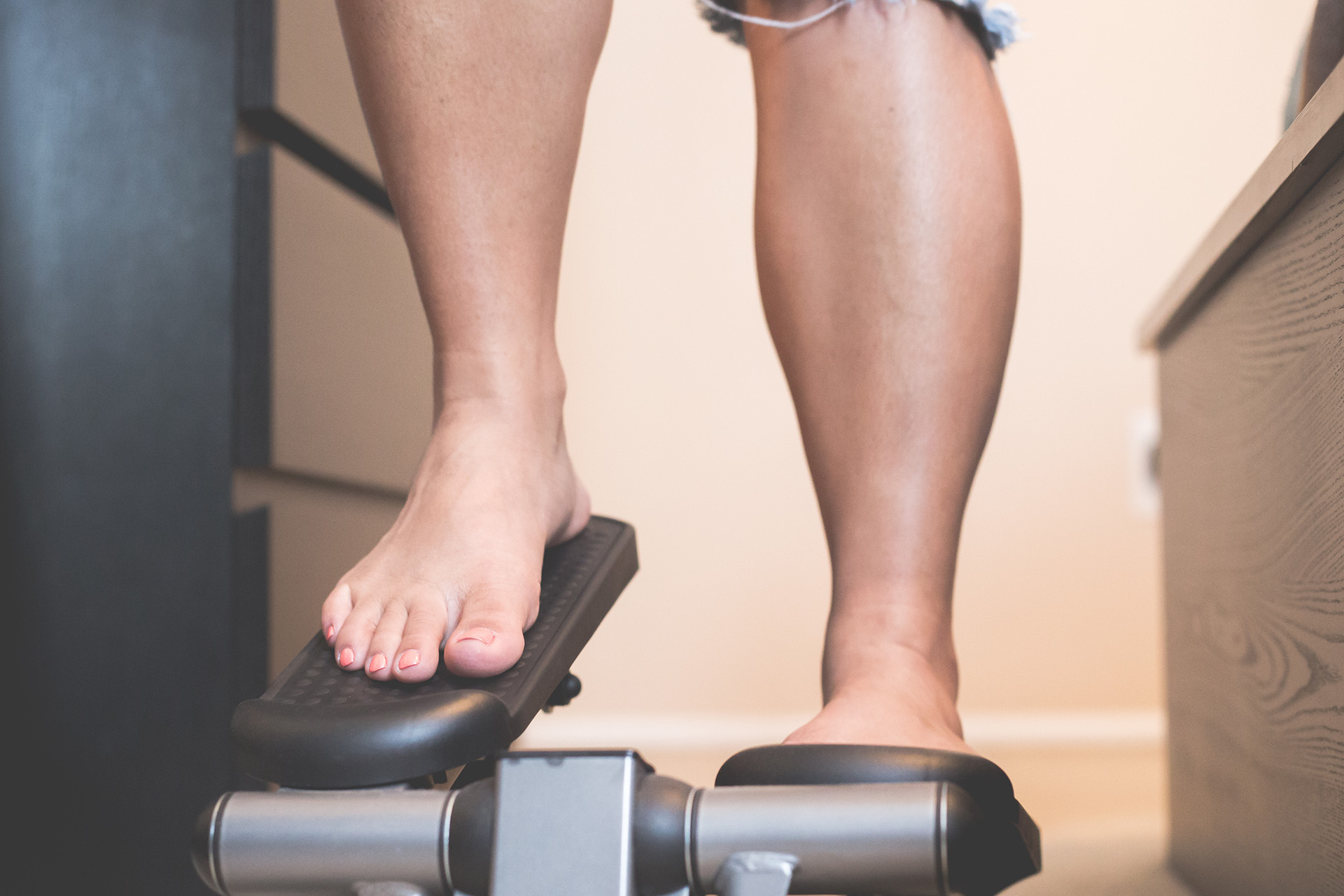
Considering Additional Treatment for Persistent Shin Pain
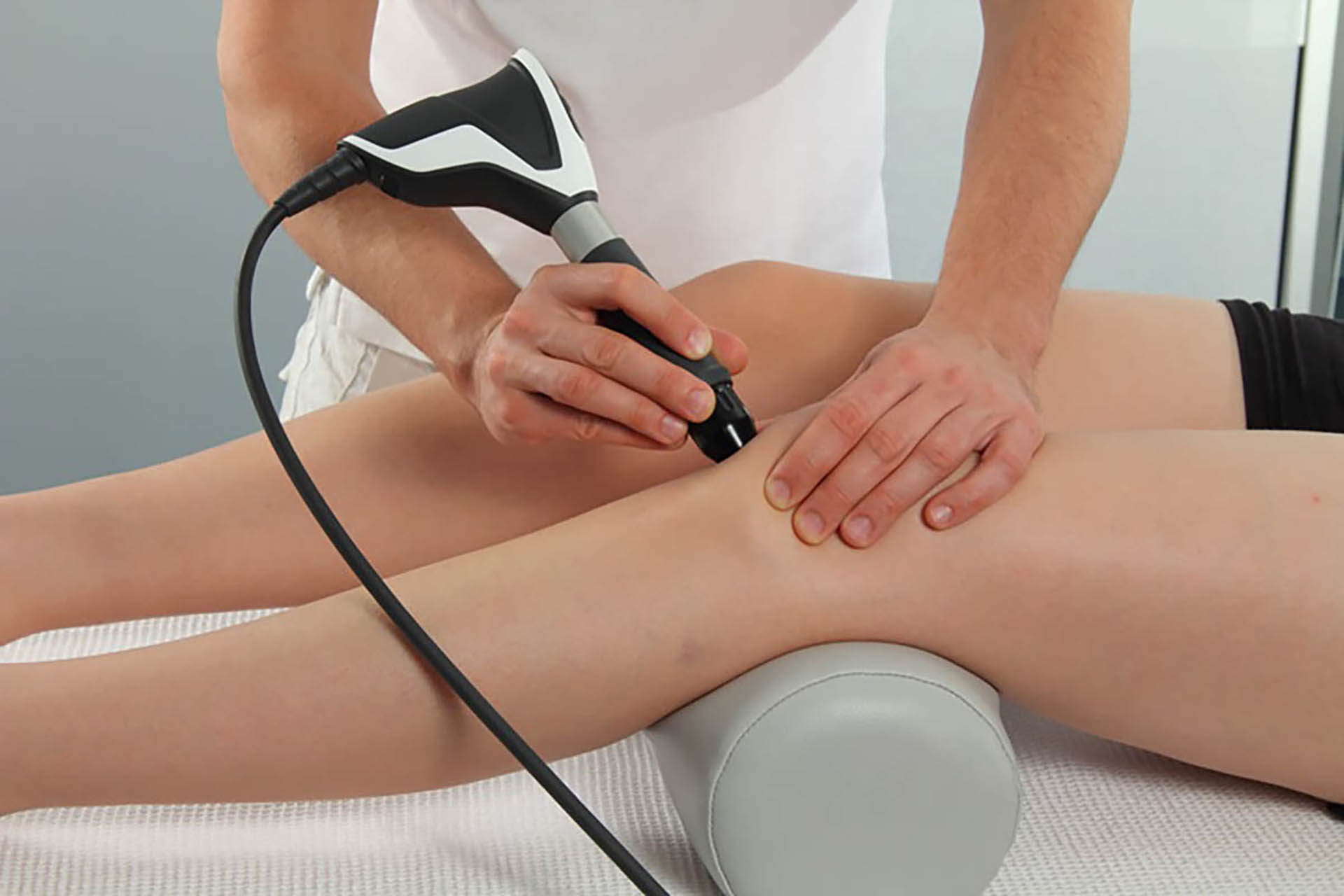
Persistent or focal shin pain should be assessed to establish its cause, including whether a bone stress injury may be present. Evidence for shockwave therapy in shin pain is limited, and it cannot be assumed to accelerate healing.
Evidence for shockwave therapy in shin pain is limited. Gait measurements cannot by themselves establish the cause, so persistent or focal pain should be assessed.
Pressure mapping can provide information about how the foot contacts the ground, but it cannot by itself identify the cause of shin pain or guarantee the effectiveness of a treatment.
Cross-Training for Runners
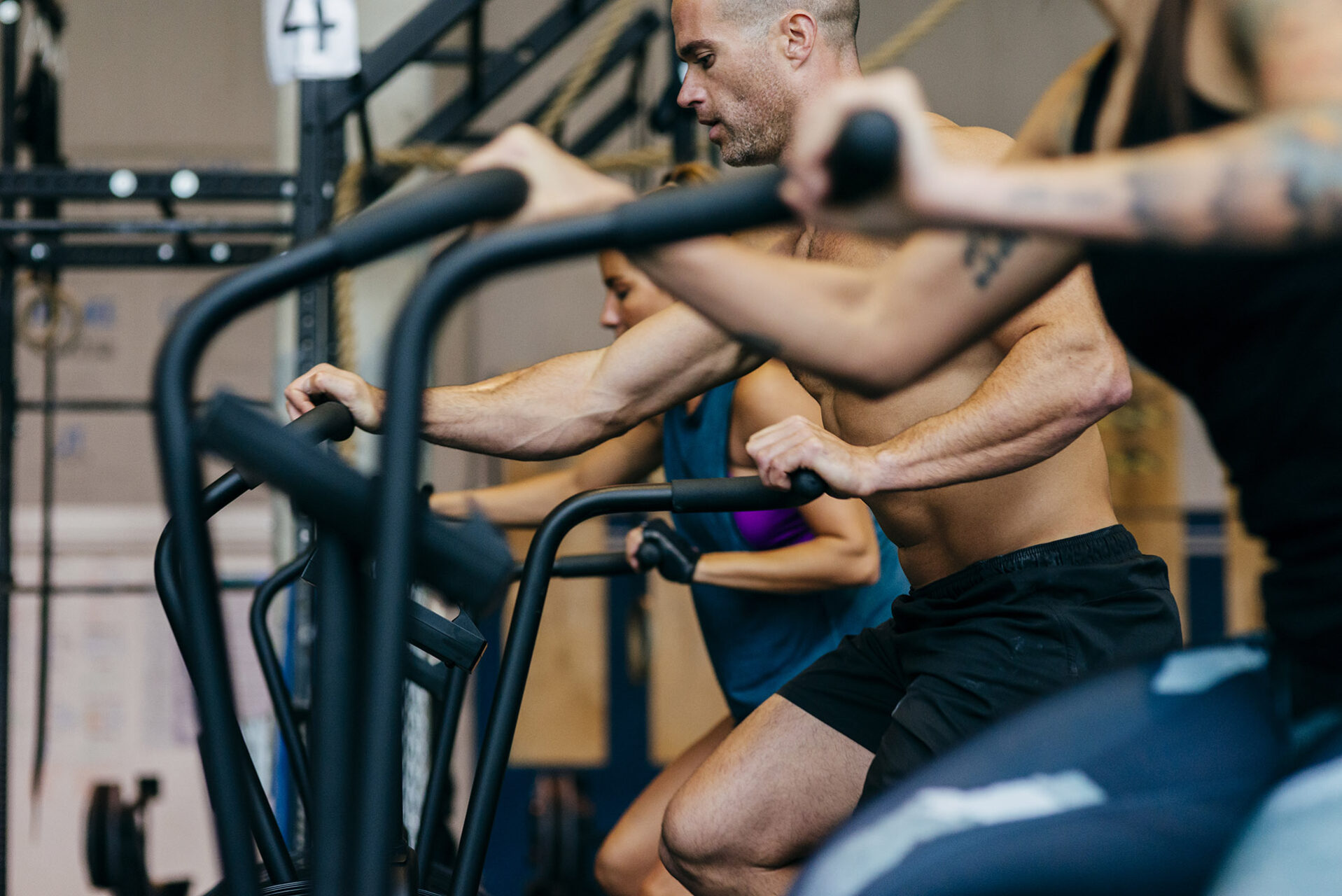
Cross-training may be the solution if you’re wondering how to best prevent tibia pain after running. Working across different sports, such as cycling, swimming or strength training, can improve cardiovascular fitness and strengthen various muscle groups. This offers many benefits for injury prevention and overall performance enhancement. Strength training can improve running technique and reduce injury risk by strengthening the lower leg, hip, and core muscles.
Cross-training can maintain fitness when the chosen activity is comfortable and allowed by the treating clinician. It does not guarantee prevention of another injury.
See a Foot Specialist for Your Tibia Bone Pain after Running
Arrange an assessment for persistent shin pain. Stop painful impact activity and seek prompt medical advice for focal bone pain, difficulty bearing weight or pain at rest.