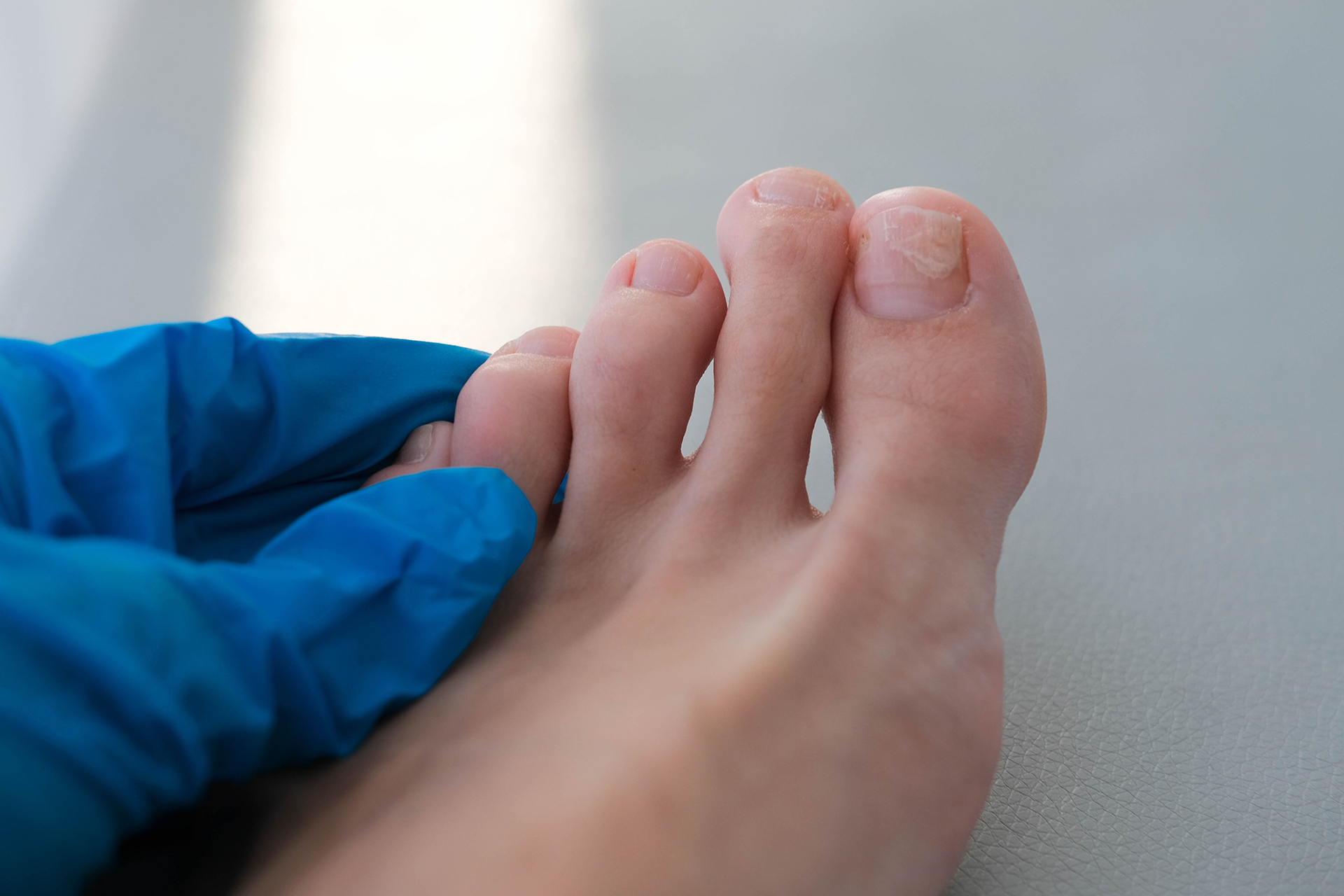
What Is Morton’s Toe?
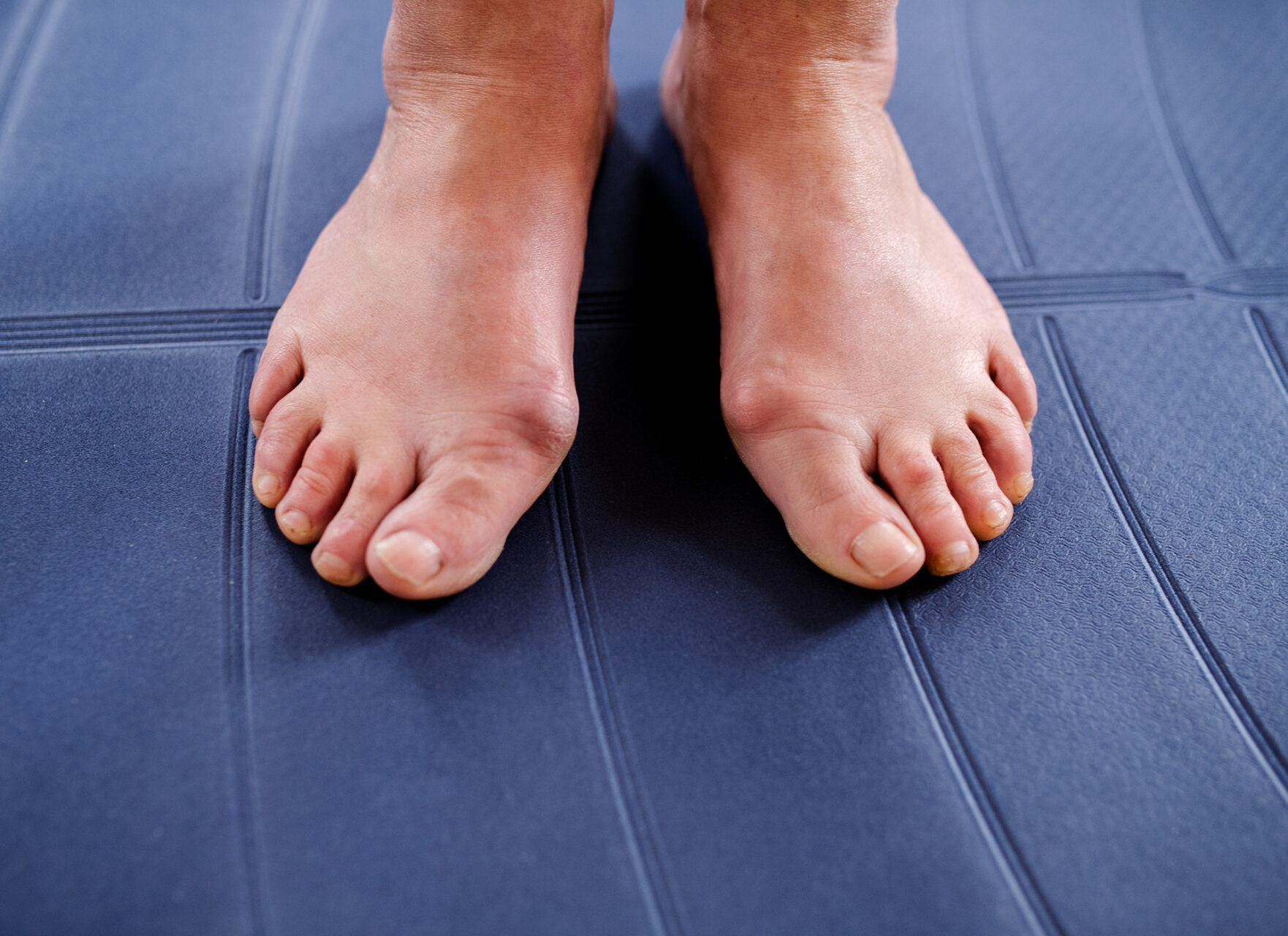
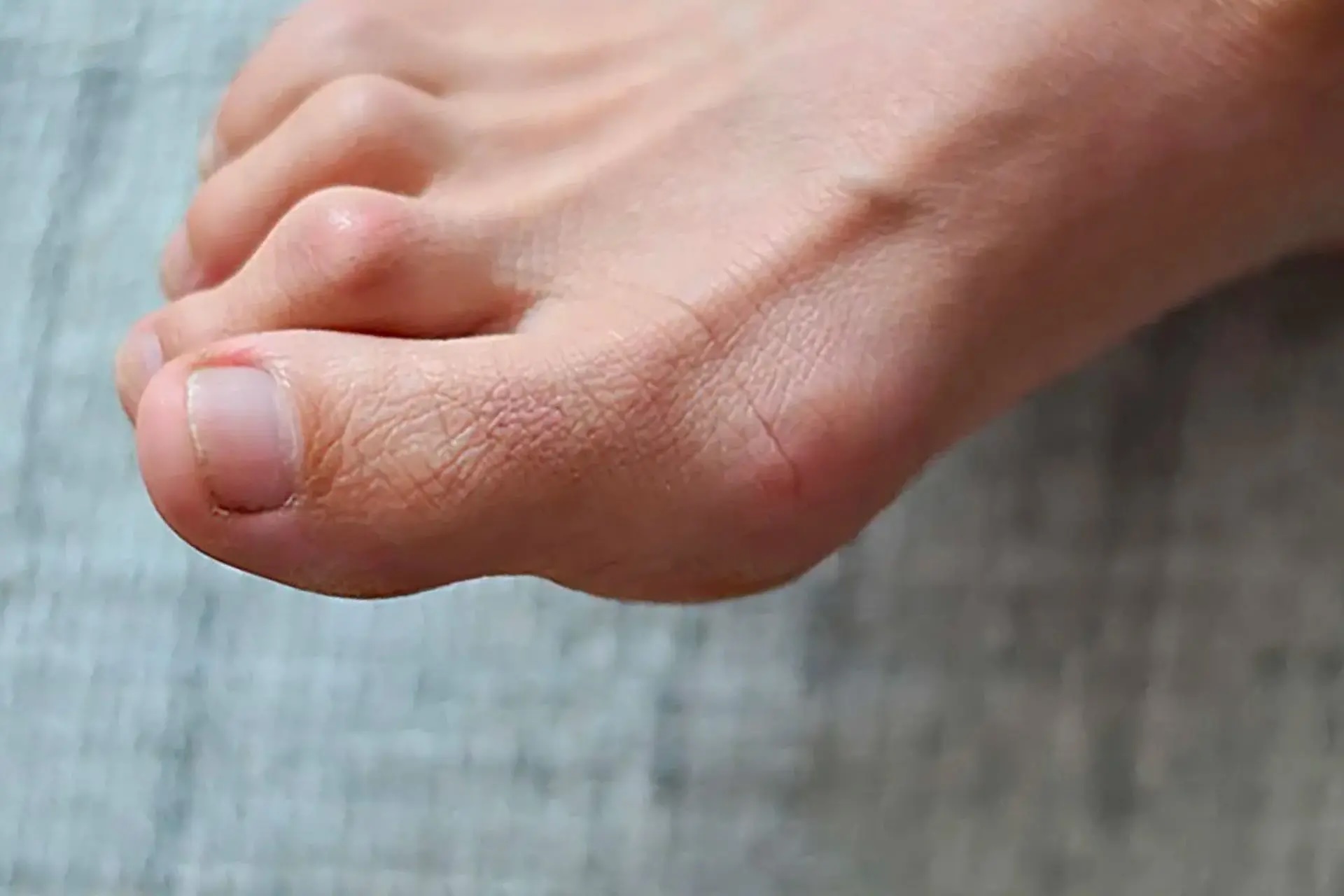
Morton’s toe describes a foot shape in which the second toe appears longer than the first. It is a common variation and does not necessarily cause symptoms.
Many people with this toe shape have no pain and need no intervention. A longer toe may rub in a shoe that is too short, but pain should not automatically be attributed to toe length.
If symptoms develop, assessment focuses on where the pain occurs, footwear fit and other possible forefoot conditions.
Why Does Morton’s Toe Occur?
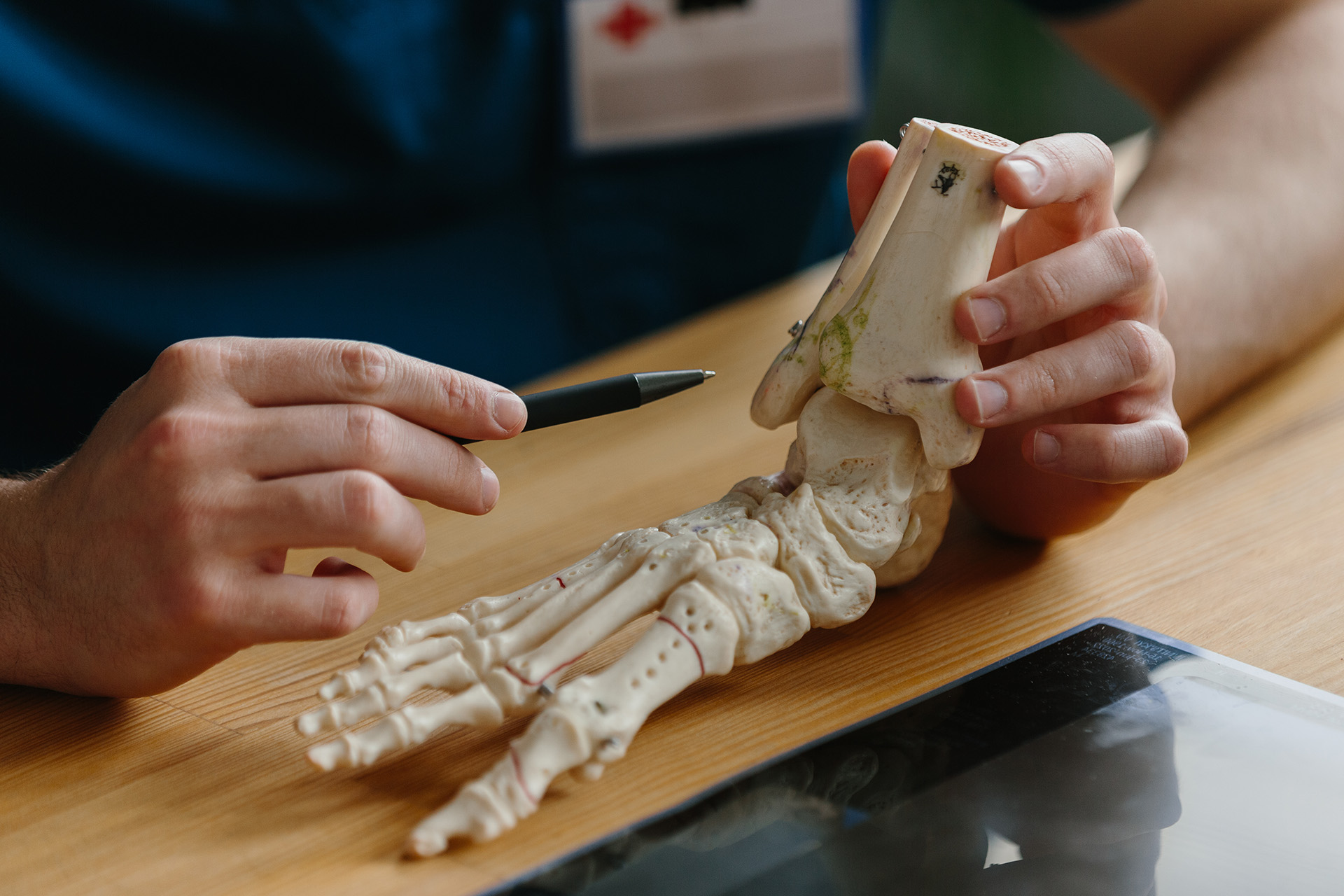
Morton’s toe, sometimes called Greek foot, describes the relative length of the toes. Visible toe length reflects both the toe bones and the metatarsals behind them; it does not by itself establish premature growth-plate closure.
Relative bone lengths can influence forefoot loading, but a longer second toe does not inevitably cause abnormal walking or injury. Symptoms and examination matter more than appearance alone.

Recognising the Signs and Symptoms
For some, Morton’s toe may cause no further complications. However, people with Morton’s toe who engage in activities such as running, dancing, or spend extended periods on their feet may start to notice discomfort. Frequently, Morton’s toe pain is the result of a secondary condition and not the result of the toe’s length itself. Either way, a range of symptoms may necessitate treatment or intervention. These may include:
- Pain beneath the second metatarsal head, especially after prolonged activity
- Calluses or hard skin forming under the second toe joint
- Rubbing or discomfort where the longer toe contacts footwear.
- Other foot pain that needs assessment rather than assuming it is caused by toe length.
If you’re experiencing any discomfort, it’s important that you see a podiatrist who can conduct a detailed assessment to understand the source of your foot pain. This is especially critical for people with Morton’s toe as your podiatrist can determine the precise cause of your pain and whether it comes from other forefoot conditions, such as Morton’s neuroma or metatarsalgia.
Associated Foot Conditions: What Else Can Be Affected?
Morton’s toe and Morton’s neuroma are different. Morton’s neuroma involves irritation and thickening around a forefoot nerve, usually between the third and fourth toes. Nerve surgery is not a correction for a longer second toe.
Corns, calluses or other toe problems may coexist with this foot shape. Persistent pain, numbness or a change in walking warrants assessment to identify the actual cause.
Foot Shape and Loading
Toe and metatarsal lengths are only part of the way a foot bears weight. They cannot establish a whole-body alignment problem or explain symptoms in distant joints on their own.
Some people with this foot shape have forefoot discomfort, while many have no symptoms. Foot, hip and back pain can have different causes and should not automatically be attributed to toe length.

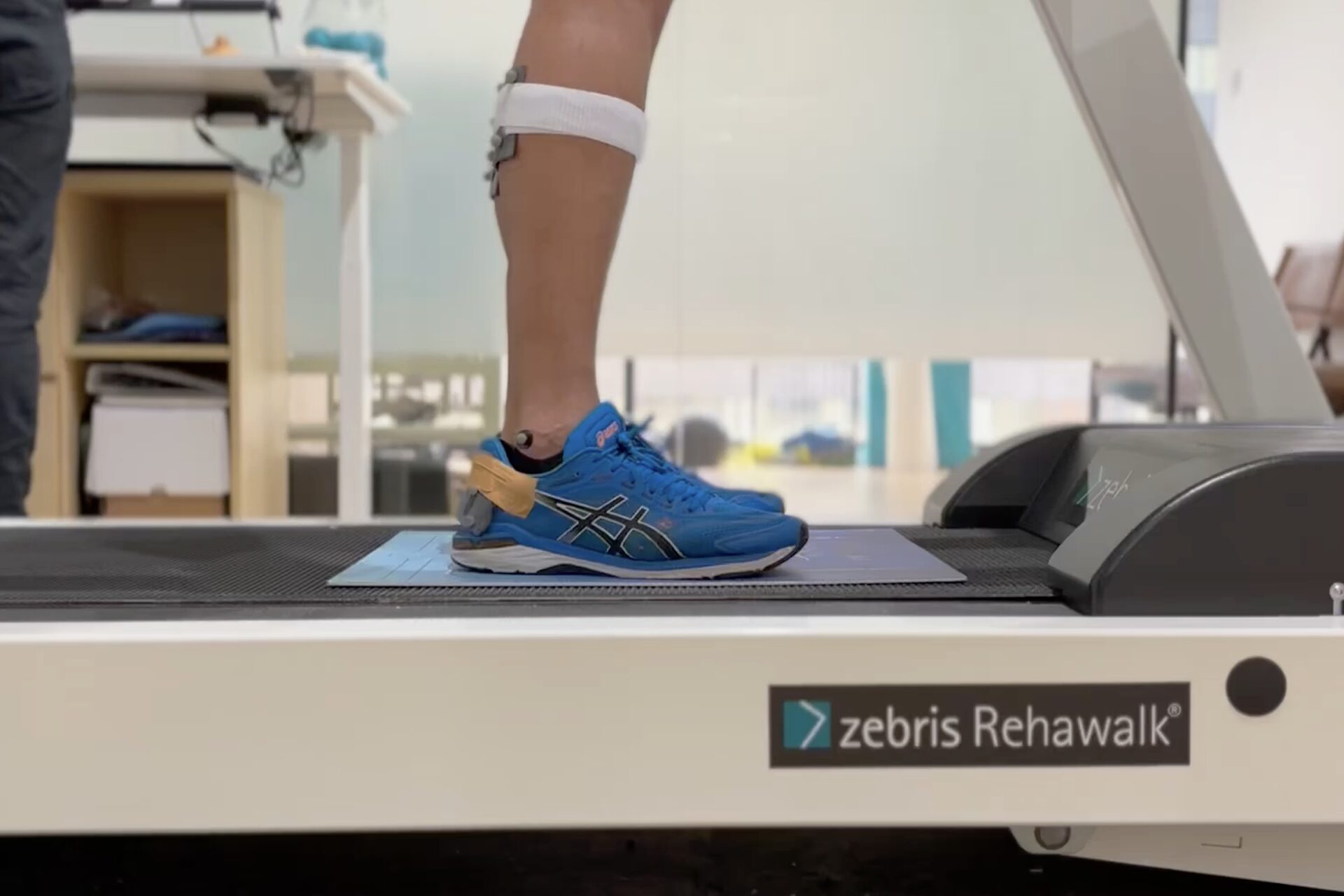
Podiatric Assessment with RehaWalk
At The Foot Practice, assessment begins with your history, symptoms and activity. A pressure-sensing treadmill may provide information about foot loading, which is considered alongside examination. It cannot by itself establish whether Morton’s toe is causing your symptoms.
Custom Orthoses Support the Foot Where It Needs It Most
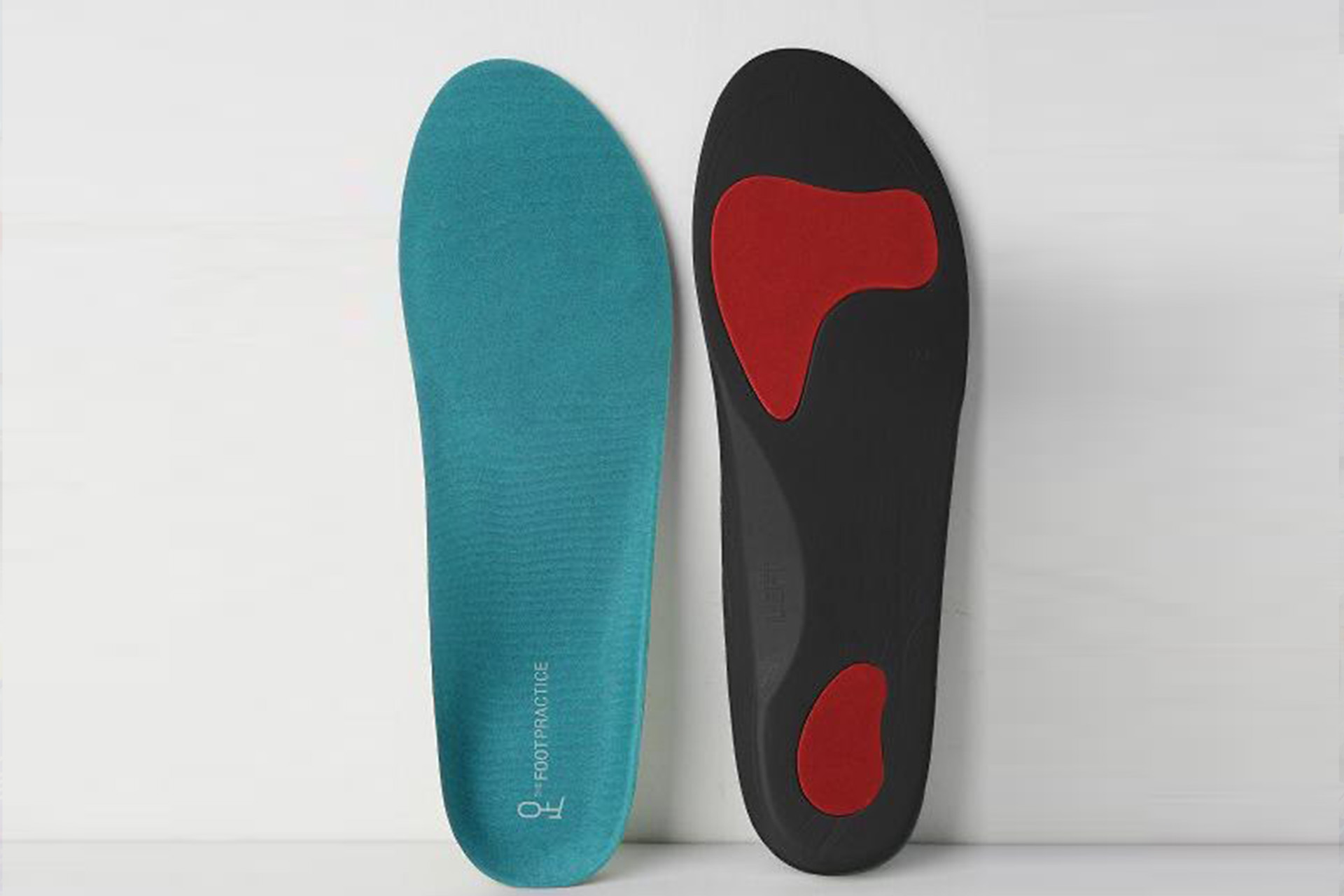
A clinician may discuss an insole for comfort or pressure under the foot. An insole does not reliably realign the foot or guarantee relief; fit and response vary.
A metatarsal pad or another insole adjustment may be considered for a diagnosed pressure-related symptom. The position and fit need review because an uncomfortable pad can worsen pressure.
Getting the Right Footwear Fit
Footwear with enough room for the toes may improve comfort for some people with forefoot pressure. The effect depends on shoe fit, symptoms and individual response.
Choose footwear with enough length and depth for the longest toe. An assessment may be helpful if rubbing continues despite a comfortable fit.

Morton’s Toe Taping and Physiotherapy Techniques
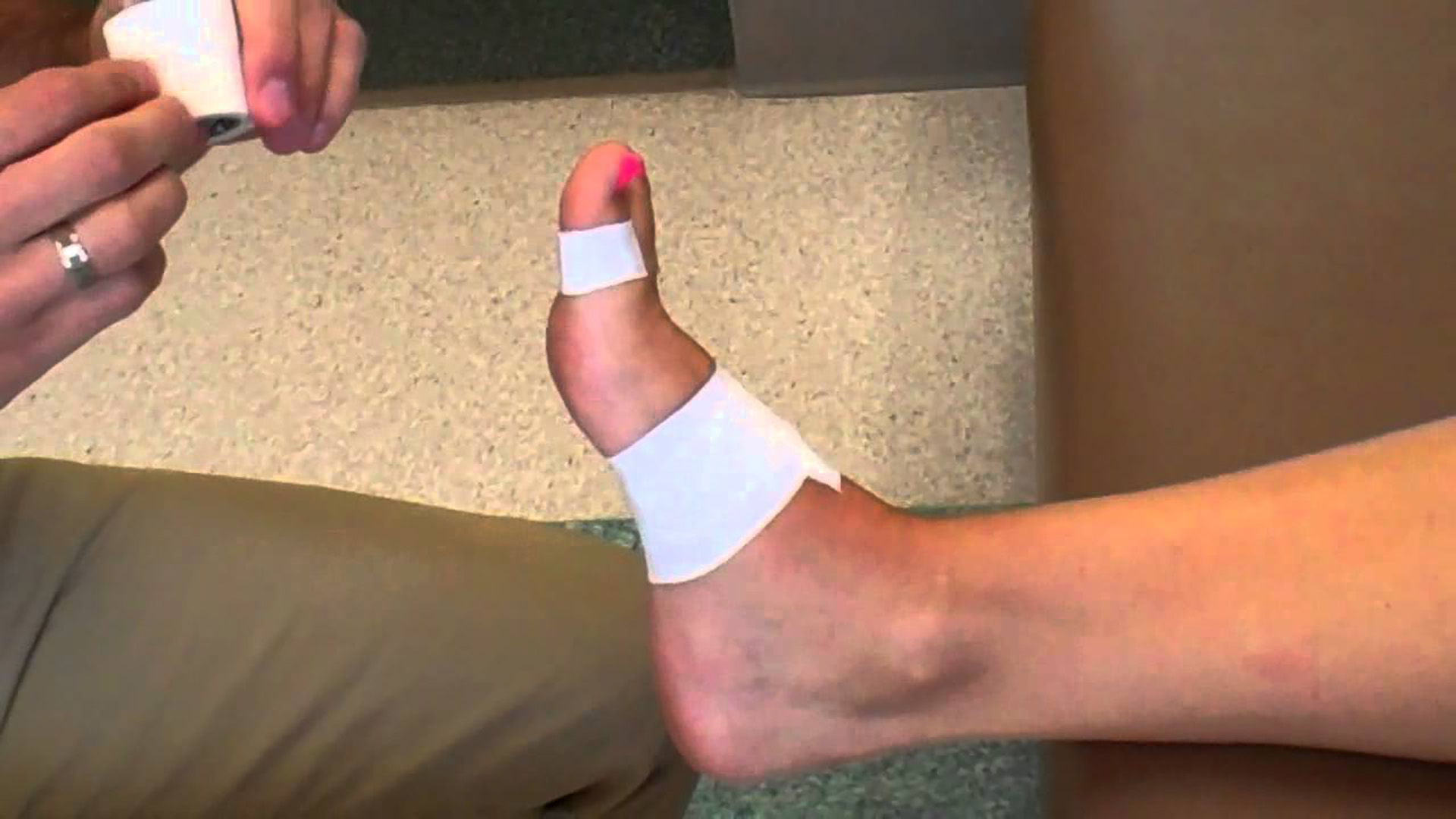
A clinician may discuss padding, taping or footwear changes for forefoot discomfort. These options may improve comfort for some people, but they do not reliably correct foot structure or guarantee an outcome.
Exercises may be considered for a specific weakness or mobility problem found during assessment. They do not change toe-bone length or reliably prevent every recurrence of pain.
A Holistic, Individualised Approach
The assessment considers symptoms, footwear, activity and the foot itself. A painless anatomical variation does not require correction simply because it looks different.
A podiatrist can assess symptoms, footwear and activity and discuss suitable management or referral. The need for gait analysis or an insole depends on the individual assessment.
To discuss persistent forefoot pain or footwear difficulties, you can book an assessment with a podiatrist.