What Is Heel Bursitis?
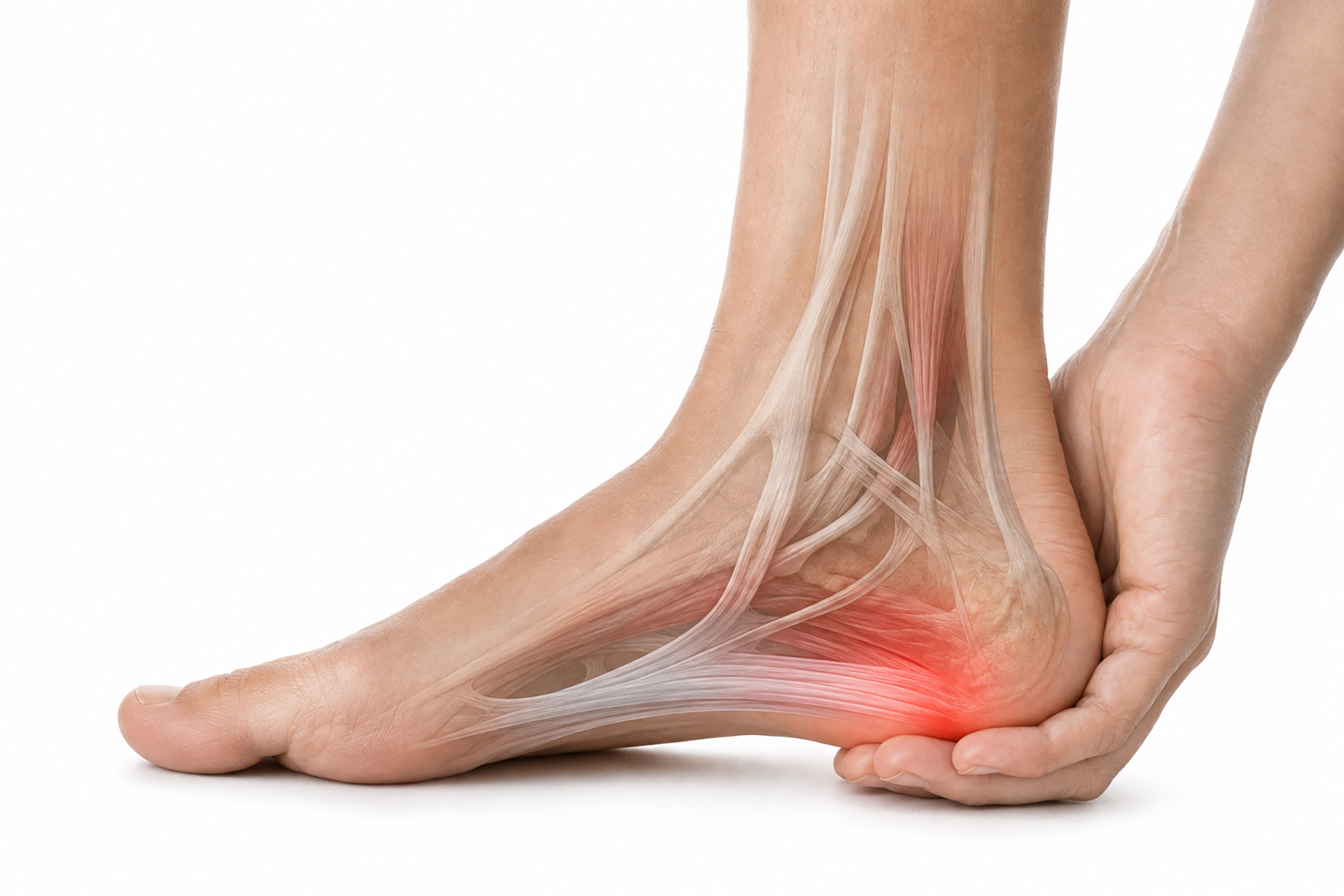
Heel bursitis is inflammation of a small fluid-filled sac near the heel. These small fluid-filled sacs, called bursae, act as cushions between the bone, tendon and skin. When one becomes irritated, the result can be pain, swelling and difficulty with walking, running, or even wearing normal shoes.
There are two main types of heel bursitis. Retrocalcaneal bursitis affects the bursa located between the Achilles tendon and the heel bone. Subcutaneous calcaneal bursitis affects the bursa between the skin and the Achilles region. In everyday language, retrocalcaneal bursitis is also referred to as Achilles heel bursitis because the pain is so close to the tendon. The two conditions can overlap, and both can make the heel sore with pressure, push-off and certain shoes.
Heel bursitis is often confused with Achilles tendinopathy, Achilles tendinitis, a heel spur, a bone spur, or other forms of heel pain. That is understandable because the area is small and several structures sit close together. However, bursitis in the foot or heel requires its own strategy for effective management, and an accurate diagnosis is important for your recovery.
What Are the Symptoms of Heel Bursitis?
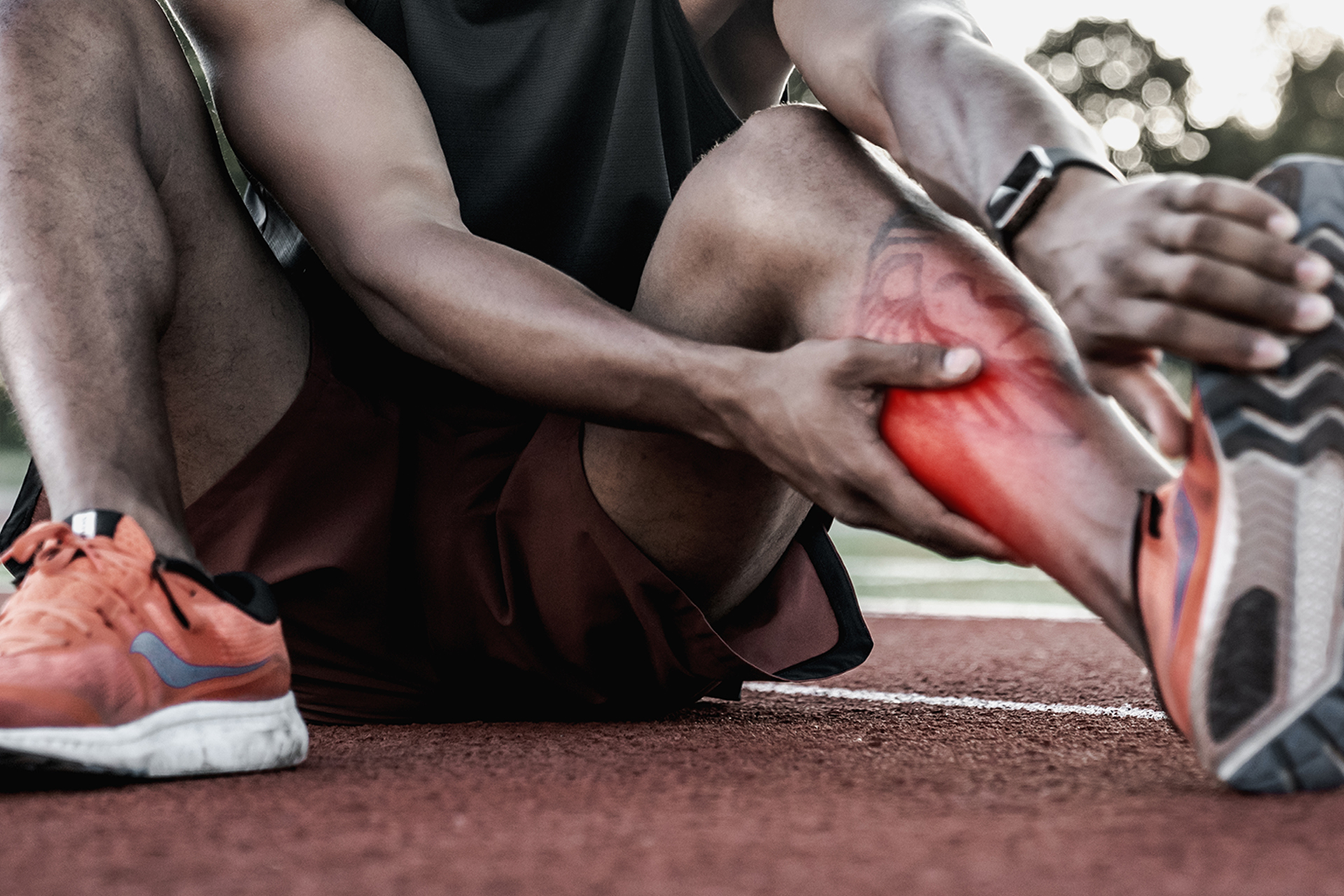
Heel bursitis symptoms usually include pain, swelling, warmth and tenderness in or behind the heel, often worsened by pressure or activity. The exact pattern depends on which bursa is involved.
With retrocalcaneal bursitis, pain often feels deeper and is commonly aggravated by standing on the toes, walking uphill, running or jumping. With the subcutaneous bursitis, the posterior heel may feel rubbed raw by a stiff shoe back or heel counter.
Other symptoms of heel bursitis typically include: the back of the heel becoming sore, puffy and tender, sometimes red or warm, and the pain getting worse when you push off, climb hills, or let the back of your shoe press on the heel area. Some people notice stiffness after rest. Others find the heel area is comfortable in sandals but flares up when they wear shoes with stiff heel counters.
Symptoms can come on gradually after a sudden increase in physical activity, or appear more suddenly after direct friction, a new pair of tight-fitting shoes, a long walk, or a higher-load training block. In Singapore, it is not unusual to see heel bursitis flare up in people who spend long hours in stiff work shoes or who increase mileage quickly before races such as the Standard Chartered Singapore Marathon. Sudden-onset marked redness, heat, and swelling can sometimes indicate an inflammatory flare-up or, in rare cases, a bacterial infection.
When to See a Podiatrist
You should see a podiatrist if heel bursitis pain persists, keeps recurring, or makes it difficult to wear shoes or walk comfortably. Mild irritation may improve with simple changes, but ongoing symptoms warrant assessment, as heel bursitis can mimic other conditions. If the pain has lasted more than a short period, is worsening, or stops you from exercising comfortably, seek an accurate diagnosis from a healthcare provider rather than continuing to guess.
Prompt review is especially important if you have severe swelling, a rapidly reddening and hot heel, fever, or pain that seems disproportionate to the amount of activity. These features can raise concern for a bacterial infection or an inflammatory condition such as gout or rheumatoid arthritis. People with known Haglund’s deformity, plantar fasciitis, high arches, flat feet, or a history of Achilles tendon problems may also benefit from earlier assessment, as structural factors associated with these conditions can keep the heel bursa irritated.
Many try home treatment for heel bursitis first, which is reasonable in the very early stages. However, if rest, ice, and shoe changes do not resolve the problem, it is better to obtain an accurate diagnosis from a healthcare provider. Chronic bursitis is more likely when the underlying cause is not identified and addressed early.
Diagnosis
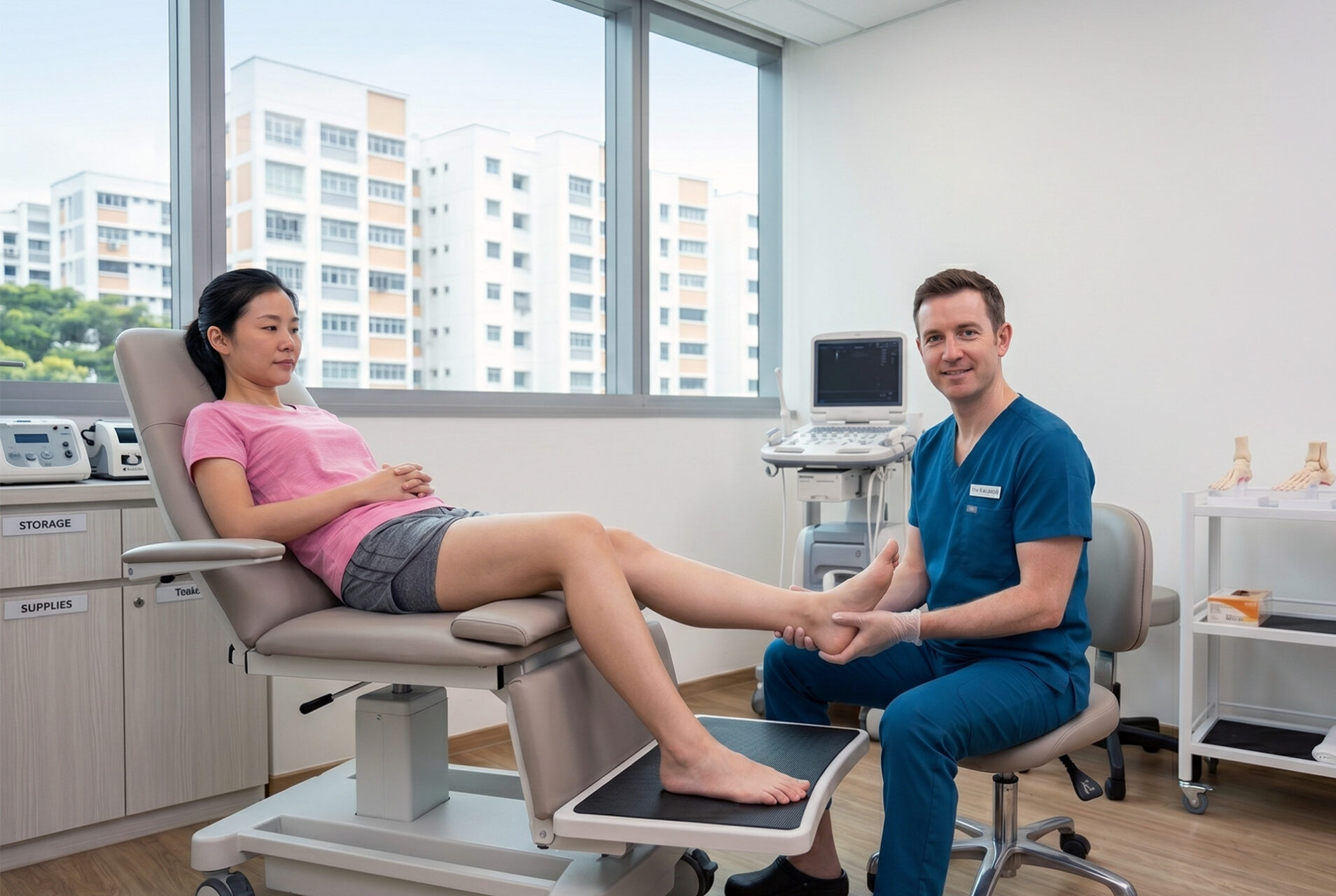
Diagnosis of heel bursitis starts with identifying the source of the pain, understanding the trigger, and distinguishing it from Achilles tendon or bone-related problems. A podiatrist will ask when the symptoms began, which activities make them worse, what shoes you wear, whether there has been a recent change in training, and whether there is morning stiffness, redness or swelling.
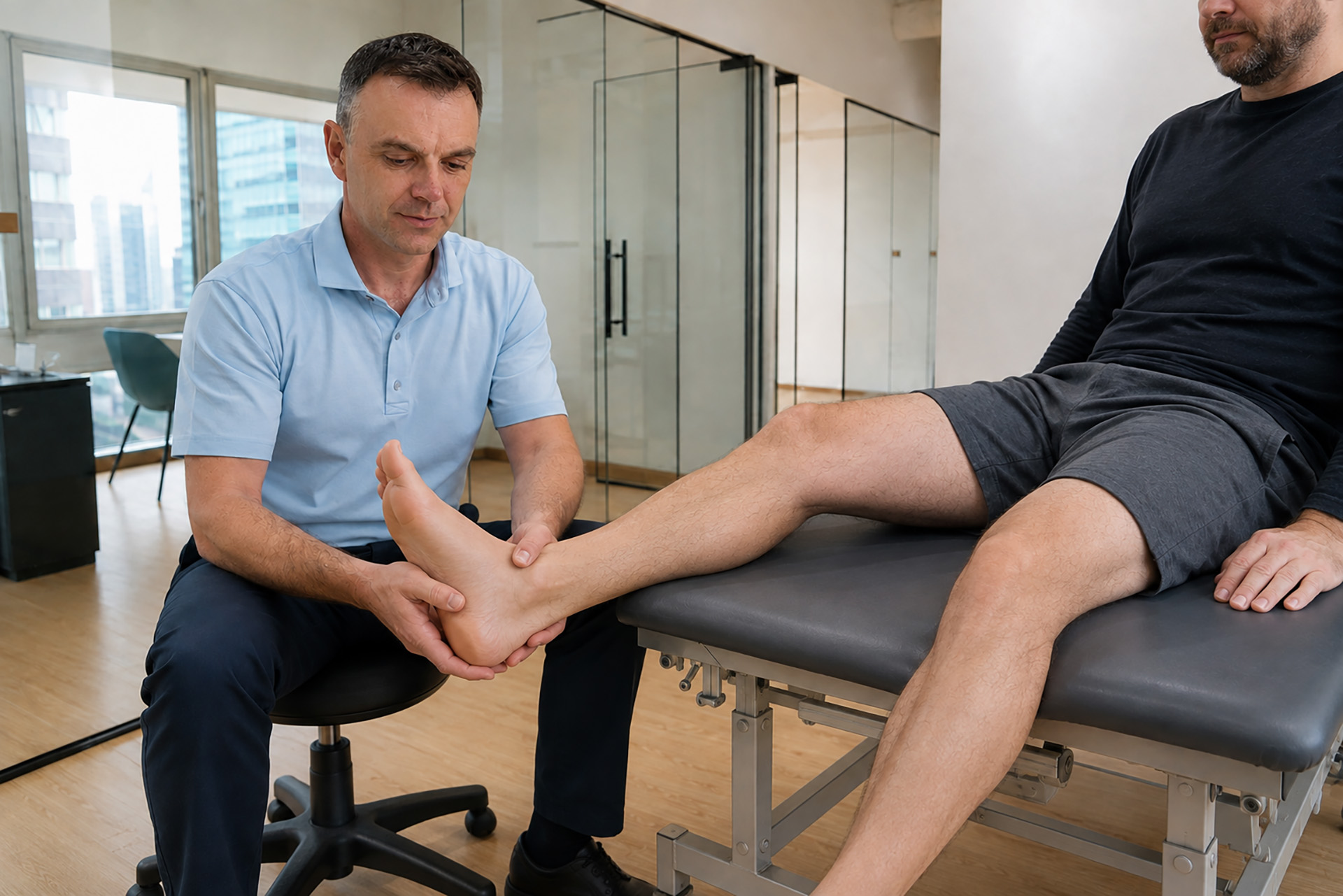
The physical exam focuses on the area of the heel that hurts most. A bony bump at the posterior heel, known as Haglund’s deformity, may be present and can be a key factor in the development of heel bursitis. The podiatrist will also assess Achilles tendon involvement, calf muscle tightness, ankle range of motion, foot posture, and whether the plantar fascia is contributing to your overall pain. Tight calf muscles, flat feet, high arches, and a poor shoe fit can all alter gait and contribute to heel bursitis.
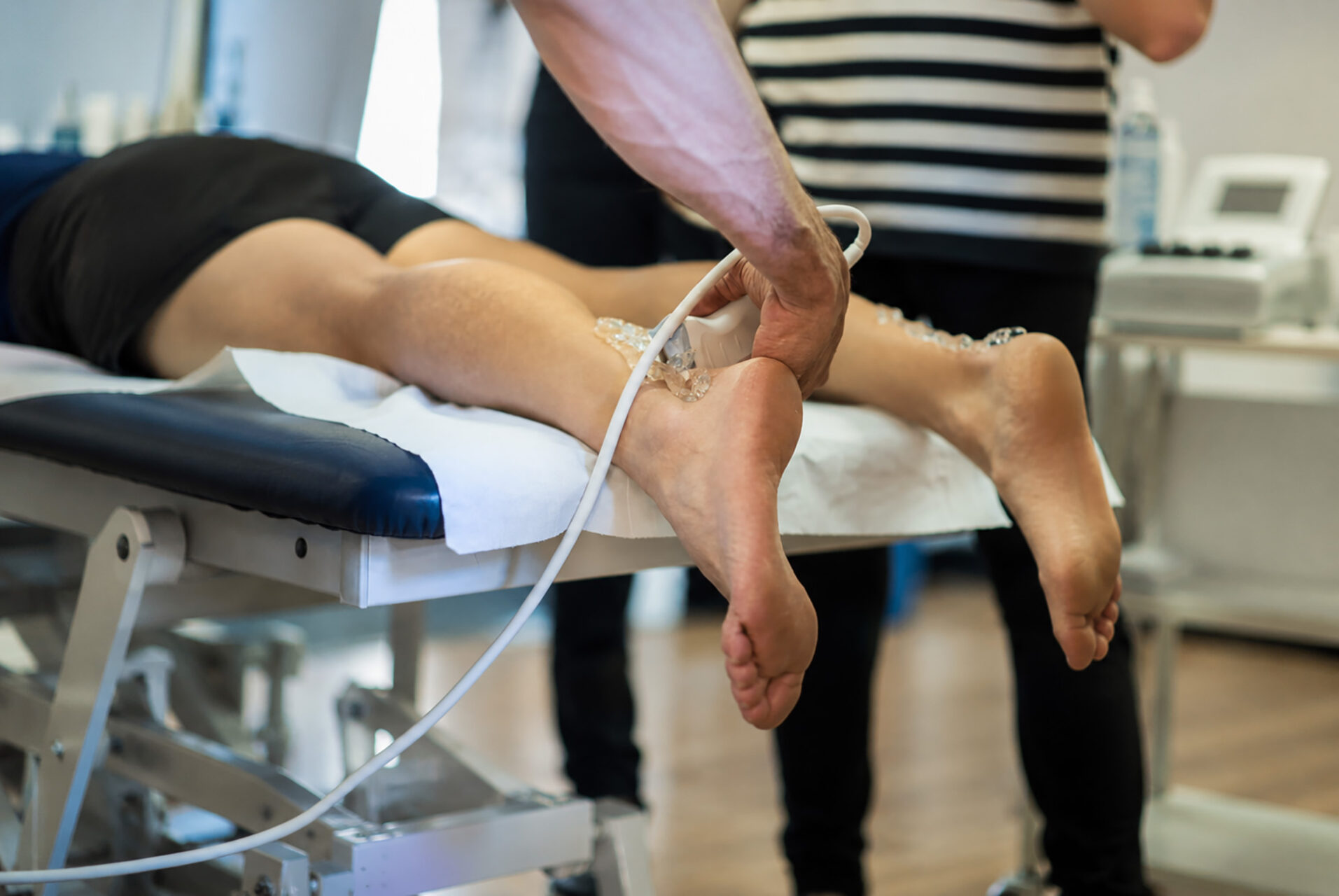
Imaging tests are not always necessary, but can help when the diagnosis is uncertain or the symptoms persist. Ultrasound is often the first imaging test chosen because it is quick and can assess the heel bursa in real time. The scans can show bursal swelling and synovial fluid accumulation, and can help assess the nearby Achilles tendon. X-rays may be useful when a bony bump, such as Haglund’s deformity or a bone spur, is suspected. MRIs are reserved for selected cases in which deeper soft-tissue structures require a closer assessment. If a bacterial infection is suspected, synovial fluid aspiration or further medical workup may be needed.
Non-Surgical Management
Non-surgical management for heel bursitis aims to reduce irritation, calm the inflamed bursa, and address the underlying causes. The first step is usually to reduce pressure and friction. That may mean avoiding tight shoes, changing the shoe’s back profile, or temporarily switching to softer or open-back footwear. A U- or V-shaped indentation in the back collar can reduce pressure around the Achilles region, which can be very helpful for shoe-related bursitis. In some cases, flat shoes with a softer heel counter are better tolerated during an acute flare-up.
Footwear Assessment
Proper footwear with adequate arch support and heel cushioning is one of the most important factors in managing heel bursitis. A shoe that has support underfoot but is harsh around the heel can perpetuate the condition. Supportive shoes with a well-fitted heel counter and proper footwear that does not produce excessive pressure at the back of the heel are ideal. Some benefit from supportive shoes with more cushioning and a less aggressive back collar. Others need a different lacing strategy or custom heel wedges to reduce pressure and Achilles tendon pull at the back of the heel. This is why choosing the right shoes for heel bursitis matters, and a podiatrist can guide you on what footwear makes the most sense for your feet and heel bursitis.
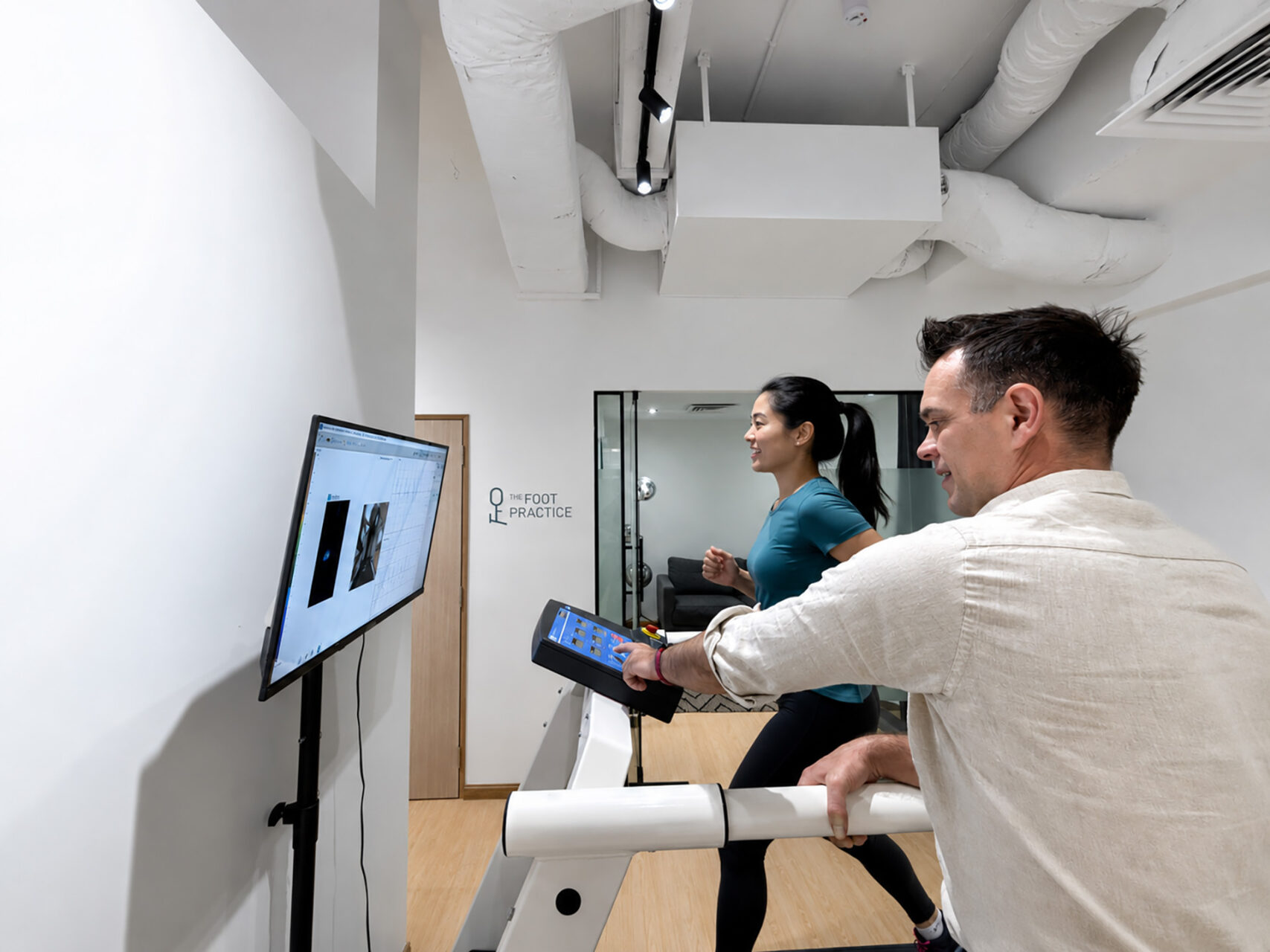
Where appropriate, gait assessment can help demonstrate how force is transmitted through your foot and ankle during walking or running. This can be useful when recurrent heel bursitis appears to be linked to overpronation, asymmetrical loading, or a heel-strike pattern that increases irritation.
Activity Modification
Activity modification matters too. Rest does not always mean complete inactivity, but it does mean reducing the motions that aggravate the heel, especially walking uphill, running, jumping or prolonged time on the toes. Ice treatments can help reduce the pain, inflammation, and swelling in the short term. Nonsteroidal anti-inflammatory drugs and other anti-inflammatory medications may be appropriate for some, though they should not be used simply to push through the same aggravating activity.
Orthoses
Supportive devices can be useful when biomechanics are part of the picture. Custom heel wedges and orthotic devices may reduce irritation by improving foot mechanics and lowering the strain at the back of the heel. This is especially relevant in those with flat feet or high arches, both of which are mentioned as potential contributors. When those patterns are not addressed, the heel bursa may continue to flare up. Physical therapy is an important part of managing heel bursitis, helping address underlying biomechanical contributors through targeted exercises and manual therapy.
Shockwave Therapy
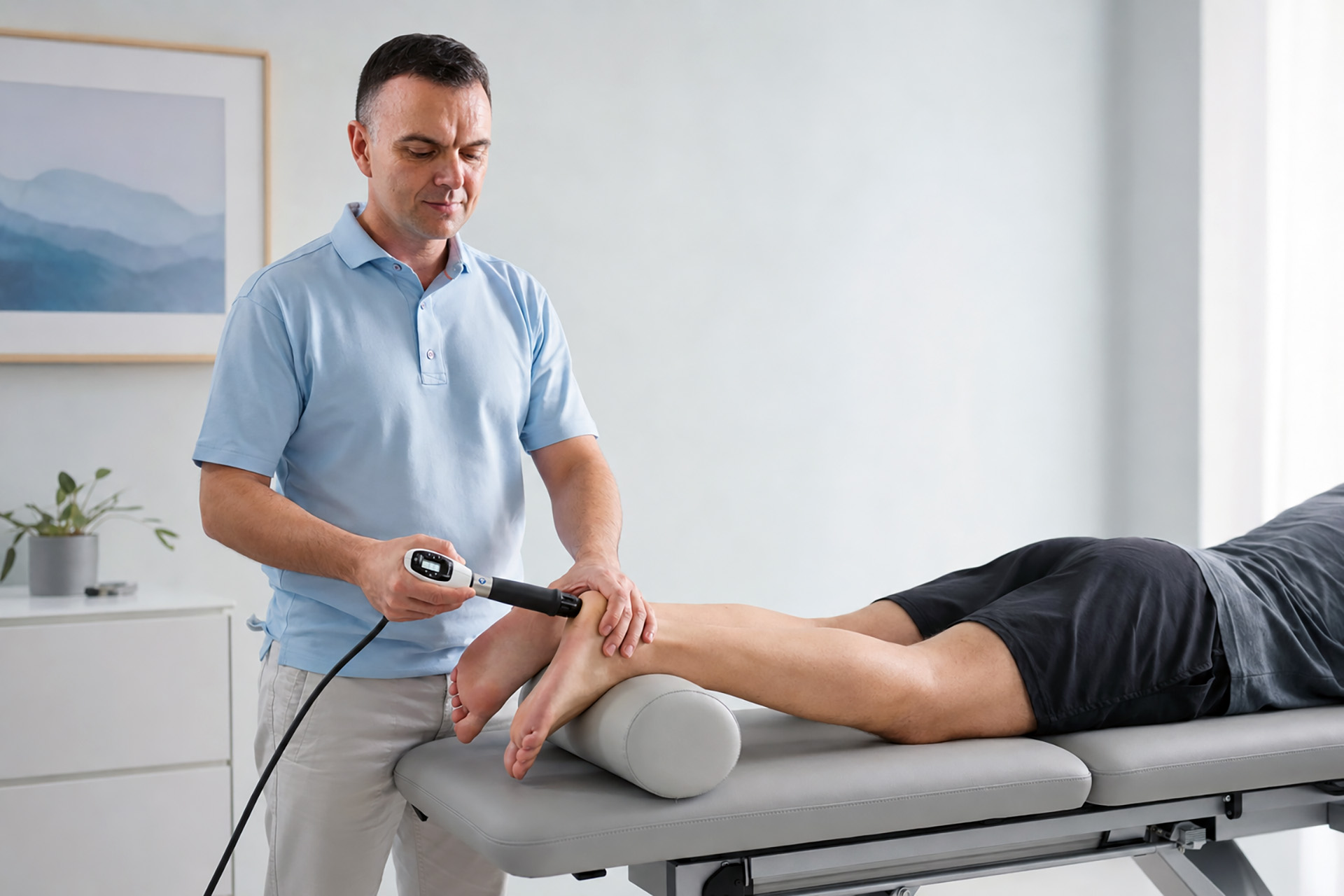
Shockwave Therapy for heel bursitis may be considered in selected cases when symptoms have not improved with footwear changes, activity modification and pressure relief. This non-surgical intervention uses acoustic waves to stimulate healing in the irritated tissue and may help reduce pain around the back of the heel. At The Foot Practice, Shockwave Therapy is used as part of a broader podiatry plan rather than a stand-alone solution. That plan may also include a footwear assessment, heel offloading, gait analysis, orthotic support, and exercises to reduce heel strain and lower the risk of recurrence of heel bursitis.
Prescribed Exercises
Heel bursitis exercises can help, but only when chosen carefully and timed appropriately. In the very irritated stage, the priority is reducing the pressure on the heel. Once pain begins to settle, calf stretches, calf muscle mobility work, and progressive strengthening exercises may be introduced to relieve pain and improve lower-limb function.
Proper conditioning through strengthening exercises helps reduce the chance of heel bursitis recurring. If the calf muscles are tight and the ankle does not move well, the heel is often asked to absorb more repetitive stress than it should. Physical therapy, manual therapy, and strengthening exercises help address these mechanical contributors and can relieve pain more effectively than rest alone.
Taping
Here at The Foot Practice, we are often asked about taping for heel bursitis. Taping is not a cure, but it can sometimes help by reducing the direct pressure, altering friction, or providing short-term support to the heel area. It works best as an adjunct rather than as the main treatment for heel bursitis.
The same applies to heel pads and cushioning devices. Steroid injections are used cautiously around the Achilles tendon, as repeated corticosteroid injections in the region can weaken the tendon. The wider plan is always to address footwear, physical activity and biomechanics.
Recovery time varies. Some patients improve within a few weeks, while more long-standing or severe cases take longer, especially if a bony bump or prominence, an inflammatory condition, or repetitive stress from shoe friction is involved. In severe cases, heel bursitis can restrict physical activity significantly and require a longer course of physical therapy. Left untreated, heel bursitis can become chronic, restricting activity and making normal footwear increasingly difficult to tolerate.
How The Foot Practice Can Help
The Foot Practice helps manage heel bursitis by identifying the irritated structure, reducing pressure on the heel, and correcting the mechanical factors that cause symptoms to return. The process starts with clarifying where the pain is, what aggravates it, how shoes affect it and whether the problem behaves like superficial friction, deeper Achilles tendon bursitis, or another heel condition.
More importantly, The Foot Practice focuses on long-term management for heel bursitis, not just short-term relief. That means helping our patients understand the cause of the flare-up, what to avoid while it settles, which strengthening exercises are appropriate, and how to reduce the chance of recurrence through proper conditioning and proper footwear.
If you are dealing with heel bursitis, persistent swelling at the back of the heel, or recurring pain during certain activities or with certain shoes, contact The Foot Practice in Singapore for a consultation. If the heel pain has been lingering, if wearing shoes is difficult to tolerate, or if you are unsure whether it is heel bursitis, plantar fasciitis or something else, a podiatry assessment can help bring clarity and a plan. Early assessment and an accurate diagnosis can simplify the management of heel bursitis and help prevent the short-term irritation from becoming a long-term heel problem.
FAQs about Heel Bursitis
How do you treat bursitis in the heel?
Management usually starts with reducing the pressure and friction, adjusting your footwear, modifying aggravating activity, using ice, and considering heel wedges or orthotic support when appropriate.
How long does bursitis last in the heel?
Mild cases may improve within a few weeks, but more persistent cases can take several months, especially if the heel remains irritated by the same shoes, walking pattern, or activity level.
What happens if heel bursitis is left untreated?
It can become chronic, make walking and exercise less comfortable, and make normal shoes harder to tolerate. Ongoing irritation may also aggravate nearby tissues, including the Achilles region.
Does walking hurt heel bursitis?
Walking is often painful when the bursa is inflamed, especially on hills, during longer distances, or when shoes press on the sore area.
Why did I suddenly get bursitis?
A sudden flare-up can occur after a rapid increase in walking, running, or jumping; a change in footwear; direct heel friction; or an inflammatory flare-up such as gout. Occasionally, infection is the reason, especially if the heel is very red, hot and swollen.