
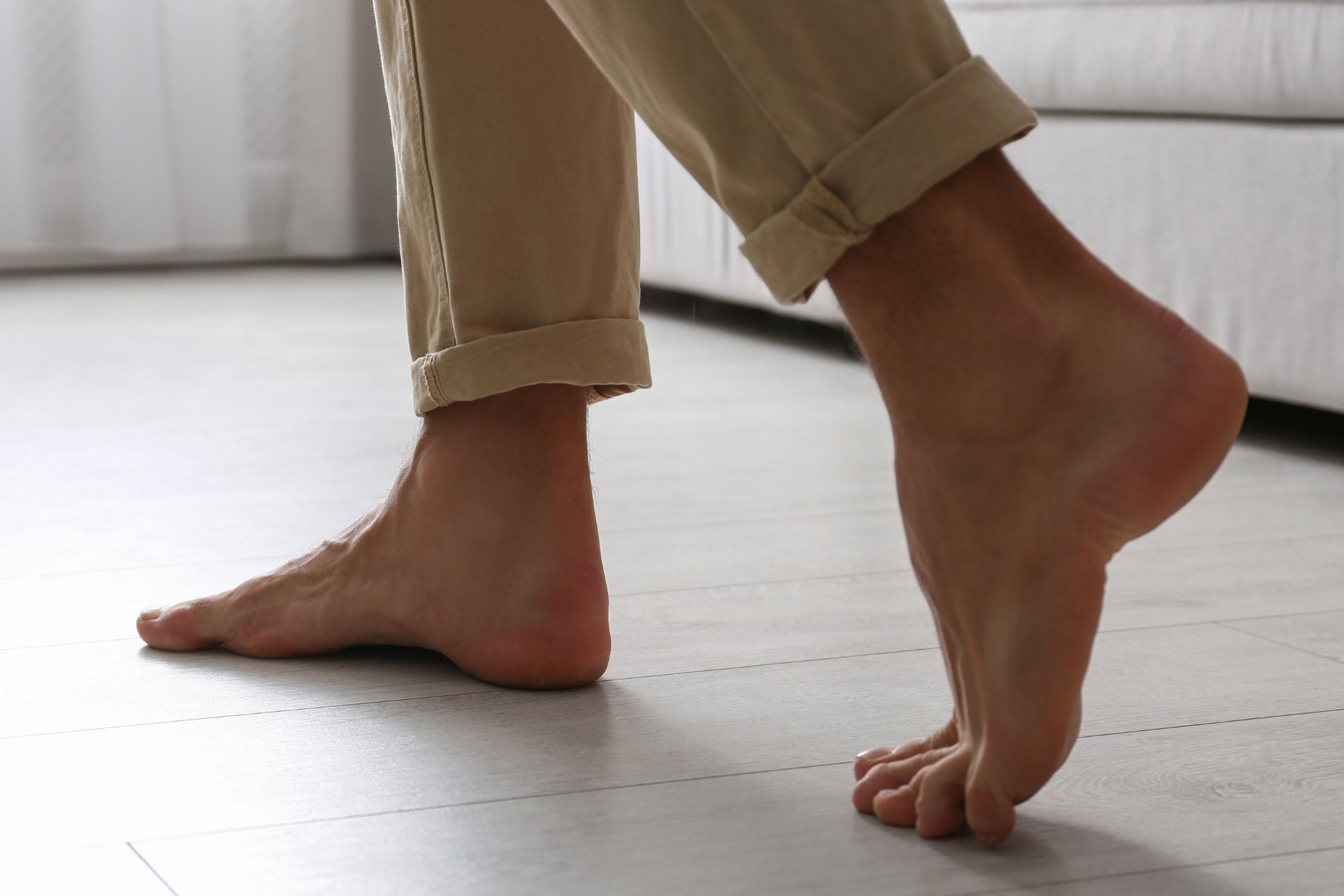
As a podiatrist with almost two decades of experience, I’ve seen thousands of feet — and the myriad ways people neglect them. Your feet are engineering marvels, bearing your entire body weight and carrying you through life. Yet, they’re often the most overlooked part of our bodies. Let me share some insider insights on how to care for your feet, especially as you age.
The Hidden Cost of Neglect
Foot discomfort has many possible causes. If a corn or another foot problem is painful, recurring or affecting your activities, a clinician can assess it and discuss appropriate care.
Your feet contain 26 bones, 33 joints, and over 100 muscles, tendons, and ligaments. That’s a lot of moving parts! Keep them flexible with regular stretches and exercises. Something as simple as picking up marbles with your toes can help maintain foot strength and flexibility.
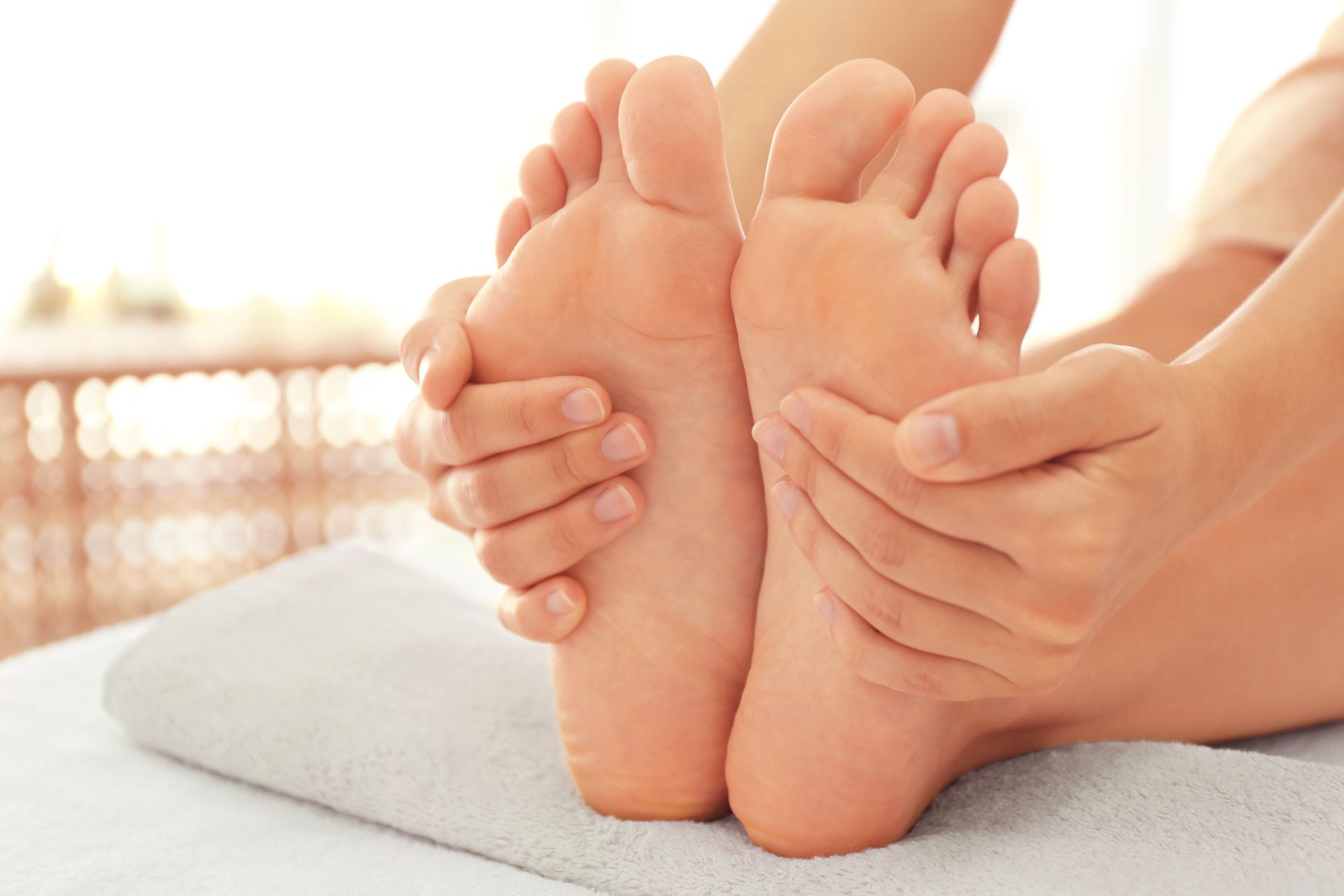
One of the simplest yet most effective foot care routines I recommend is a daily foot check. It takes just a minute but can save you from a world of trouble. Look for any changes in colour, texture, or temperature. Feel for any lumps or bumps. This quick scan can catch issues like ingrown toenails or fungal infections before they become serious problems.
The Shoe Dilemma
If I had a dollar for every time I’ve seen foot issues caused by ill-fitting shoes, I’d be writing this from my private island! The right shoe is not just about comfort — it’s about support, stability, and allowing your foot to function as nature intended. Invest in good-quality shoes that fit well.
One of the most crucial yet often overlooked aspects of a good shoe is the toebox—the front part of the shoe where your toes reside. Many shoes, especially in fashion-forward styles, have narrow, pointed-toe boxes that squeeze the toes together. This can lead to a host of problems, including bunions, hammertoes and neuromas.
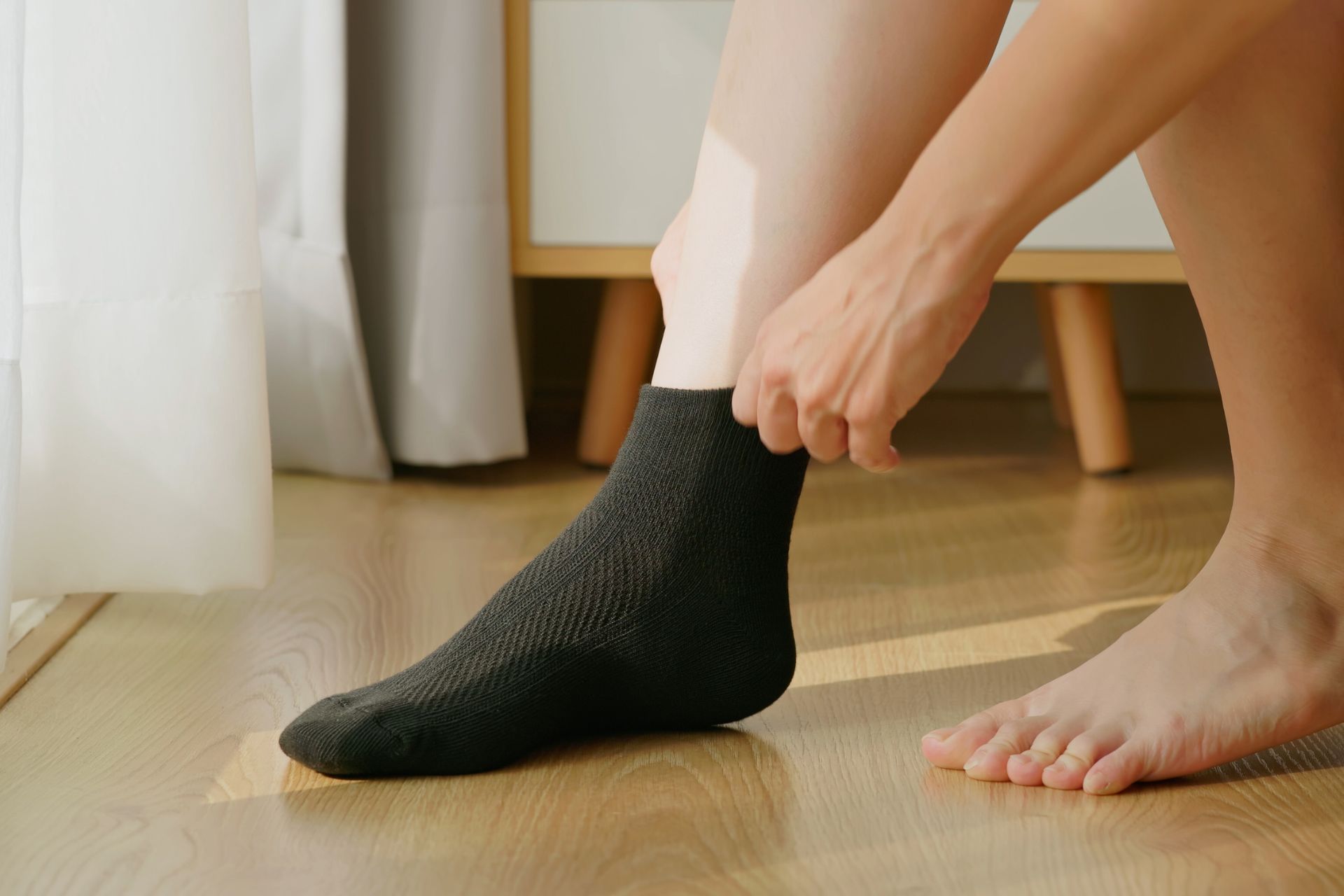
Remember the importance of good socks. They’re not just for keeping your feet warm; they are crucial in moisture management and blister prevention. Opt for breathable materials and ensure they fit well — no bunching or sliding around in your shoes!
Natural Foot Function
The human foot is designed to spread and grip as we walk or run. This natural mechanism helps with balance, shock absorption, and propulsion. However, years of wearing shoes with narrow toeboxes can change the shape of our feet, leading to weakened foot muscles and altered biomechanics.
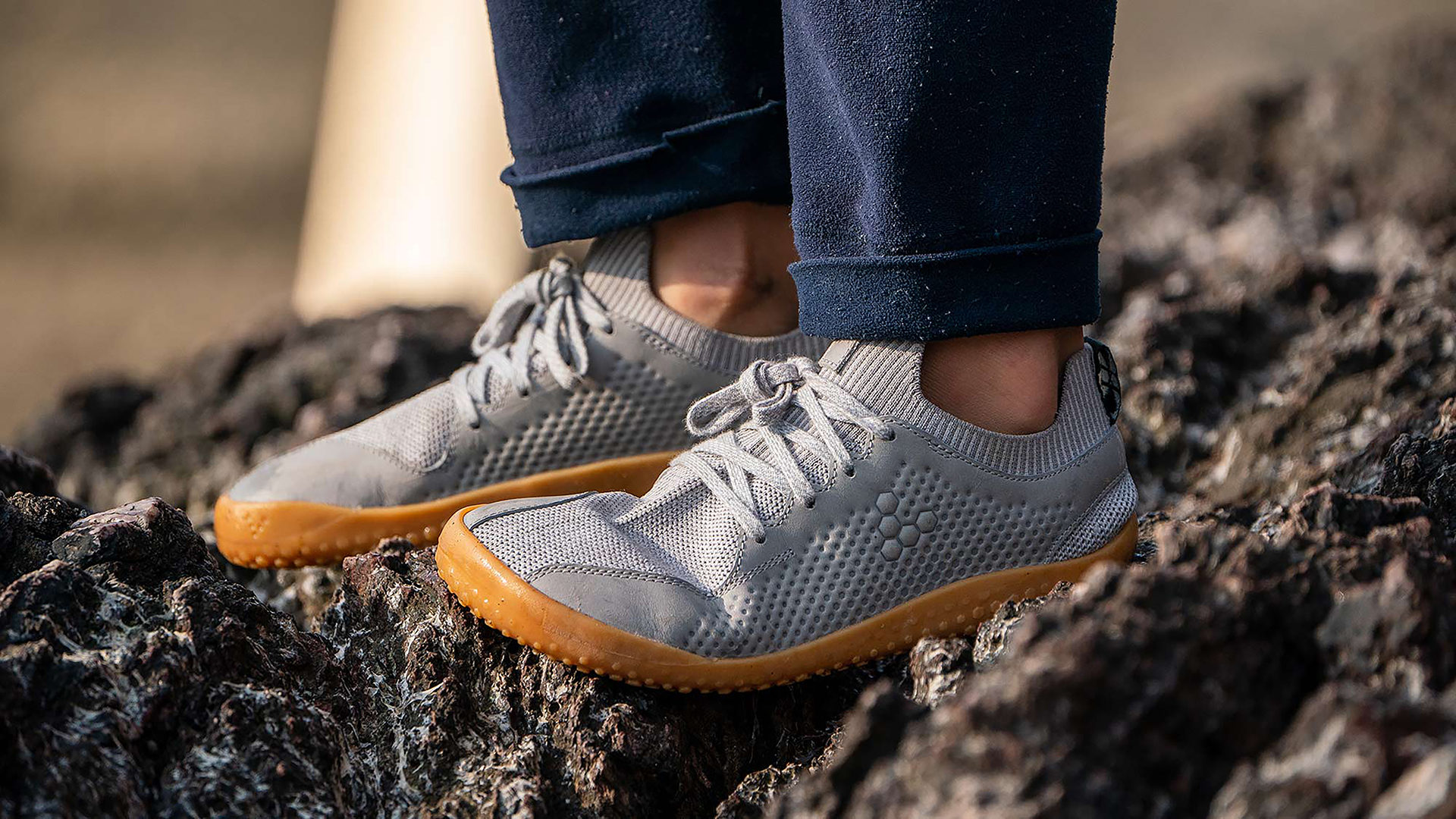
Choose a toe box that leaves room for the toes without squeezing or rubbing. A wider fit can improve comfort, but barefoot-style shoes are not suitable for everyone and should be introduced gradually.
When shopping for shoes with a wider toebox, look for brands that emphasise this feature. These companies have invested in last and sole designs that allow for more natural foot movement and toe splay, even if it means departing from more traditional (often narrower) shoe shapes.
A roomy toe box can reduce pressure, but the whole shoe must fit securely and suit the intended activity.
Finding the Right Fit
When shopping for shoes, always try them on when your feet are slightly swollen at the end of the day. Make sure there’s about a thumb’s width of space between your longest toe and the end of the shoe. The shoe should fit comfortably without pinching or rubbing, especially in the toebox area.
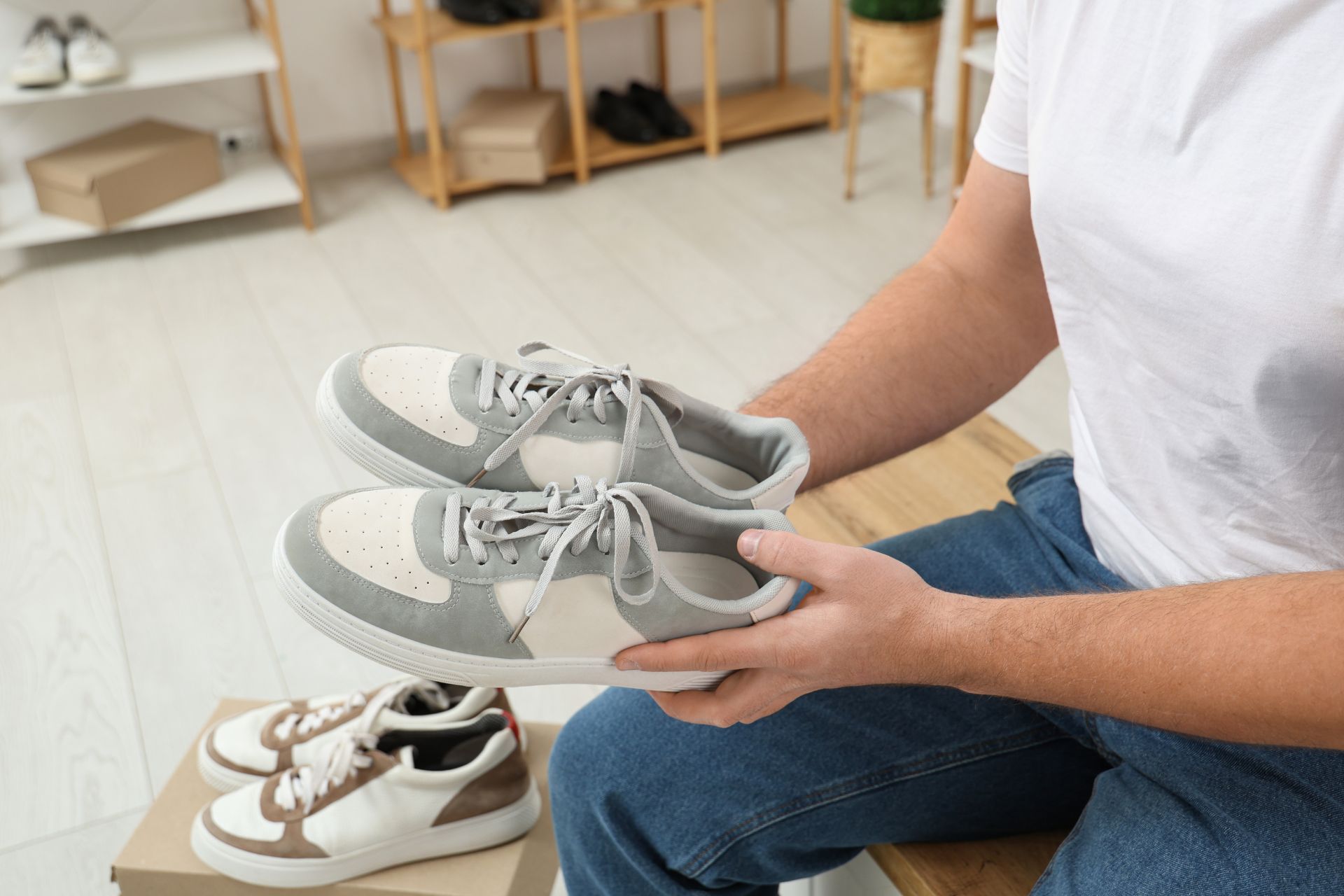
Remember, no shoe should need a “breaking in” period. It will only be comfortable at home if it’s comfortable in the store.
While we’re on shoes, let’s talk about high heels. They may look fabulous, but they’re a podiatric nightmare. High heels force your feet into an unnatural position, putting excessive pressure on the balls of your feet and squeezing your toes into a narrow space. If you must wear them, limit them to special occasions and always carry comfortable, supportive shoes to change into.
How to Care for Your Feet as You Age
As we get older, our feet change. The fat pads that cushion our soles thin out, our arches may start falling, and our feet might grow larger. Here are some tips for ageing feet:
- Stay on top of nail care: Thickening nails can be harder to trim, increasing the risk of ingrown toenails.
- Keep moving: Regular exercise helps maintain foot strength and circulation.
- Be shoe-wise: As feet change shape, you may need to reassess your shoe size and style.
- Manage chronic conditions: Diseases like diabetes and arthritis can significantly impact foot health.
- Hydrate: Aging skin is often drier, so moisturising becomes even more important.
When to See a Podiatrist
Many people wait too long before seeking professional help. If you’re experiencing persistent pain, changes in nail or skin colour, or any unusual symptoms, don’t wait. Early intervention can prevent minor issues from becoming major problems.

Remember, your feet are your foundation. Treat them well; they’ll carry you through life comfortably and easily. So next time you’re shoe shopping, think beyond style and colour. Consider the shape of the toebox and how it will impact your foot health. Your feet will thank you for years to come.