What Is Shockwave Therapy?
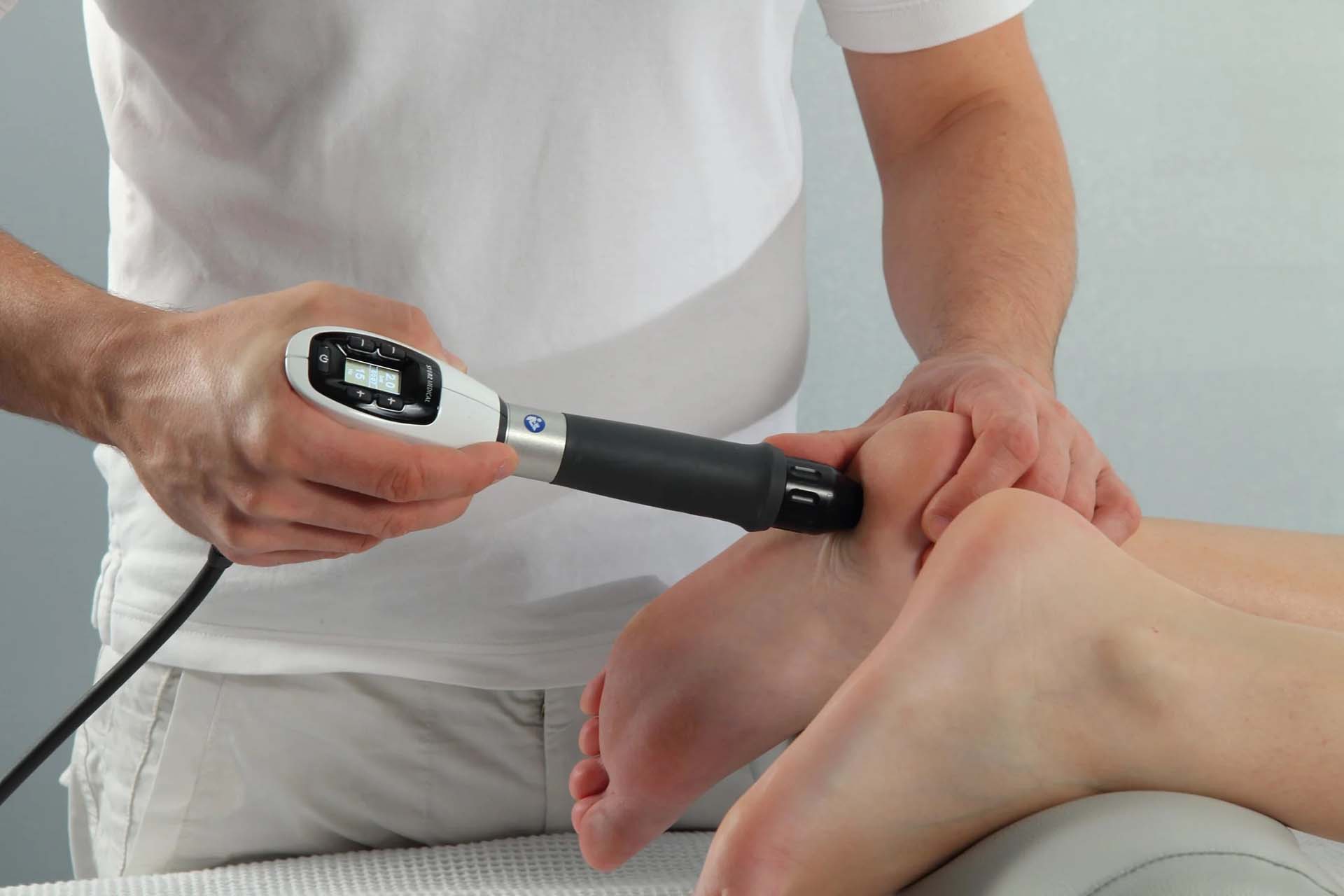
Shockwave therapy, also known as extracorporeal shockwave therapy (ESWT), is a non-invasive treatment designed to stimulate healing in damaged tissues. It uses acoustic waves to deliver energy to the affected area, promoting cell regeneration, improving blood flow, and accelerating the body’s natural healing processes.
Historically, acoustic shockwave therapy was first used in lithotripsy procedures to break up kidney stones, illustrating its effectiveness in addressing this painful condition. Now commonly used in podiatry, ultrasound shockwave therapy effectively addresses chronic pain and injuries, particularly in the feet and lower limbs.
This treatment has gained traction globally, including in Singapore, where patients benefit from its ability to provide relief without surgery. From plantar fasciitis to Achilles tendinopathy, shockwave therapy is a versatile solution for many podiatric conditions.
How Does Extracorporeal Shockwave Therapy Work?
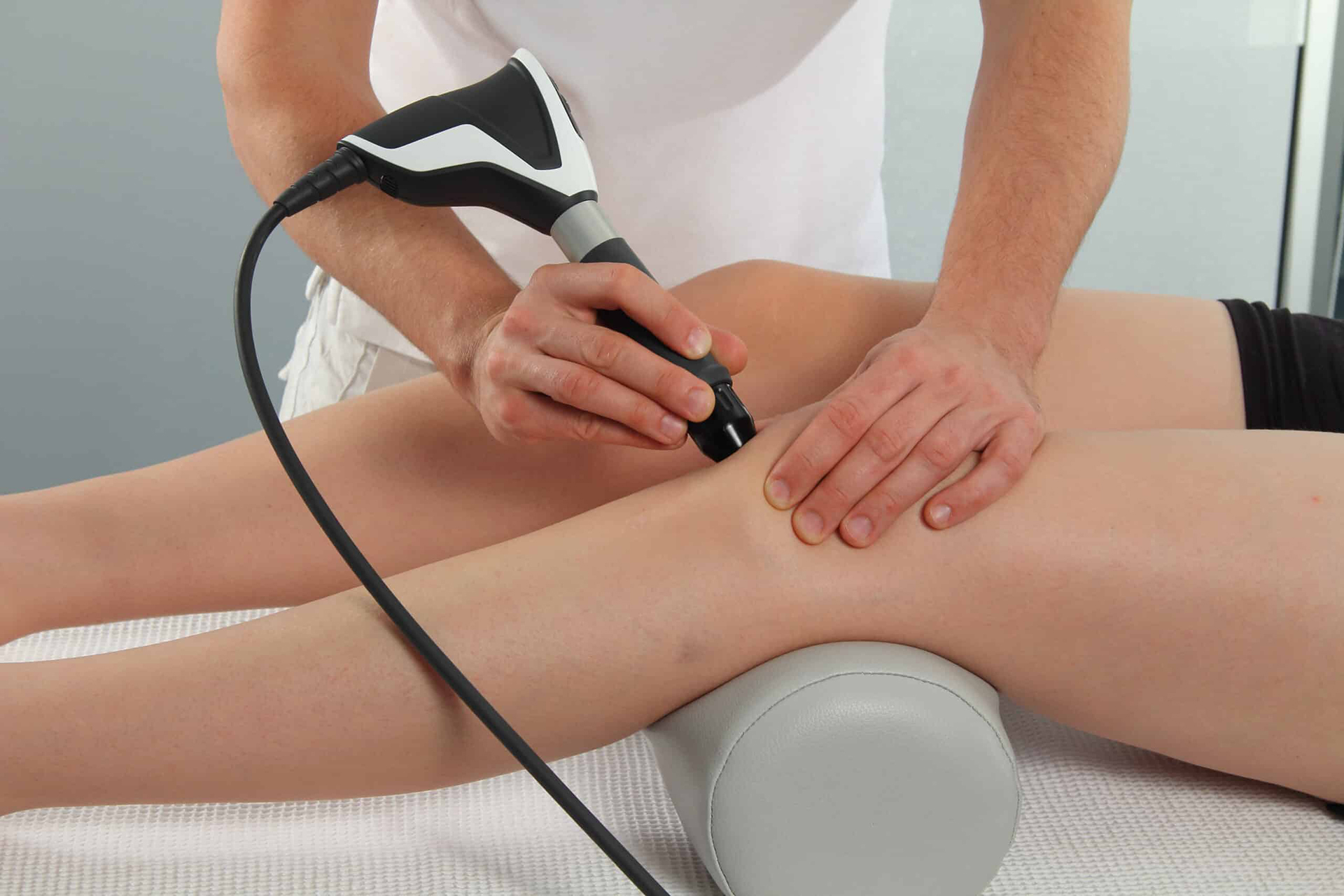
ESWT treatment delivers high-energy acoustic waves to the target area, triggering several responses. These waves create controlled microtrauma within the tissue, which activates the body’s natural repair processes.
Specifically, the therapy stimulates the release of growth factors that promote cellular regeneration and angiogenesis—the formation of new blood vessels. This enhances blood flow to the affected area, delivering oxygen and nutrients necessary for healing while removing metabolic waste. Additionally, the therapy disrupts pain receptors and reduces inflammation by modulating nerve activity and breaking down calcified deposits, leading to long-term pain relief and improved tissue functionality.
ESWT treatment can aid in the recovery of musculoskeletal disorders by enhancing blood circulation and initiating a pro-inflammatory response, thereby aiding the recovery process in the affected tissues.
Two primary types of shockwave therapy are commonly used in podiatry: focused shockwave therapy and radial shockwave therapy. Each has unique applications and benefits tailored to specific conditions and patient needs.

Focal Shockwave Therapy
What Is Focused Shockwave Therapy?
Focused shockwave therapy, also known as focal shockwave therapy, delivers concentrated, high-energy waves to precise areas of the body. The waves penetrate deeper into tissues, making this method ideal for treating conditions that involve deep-seated pain or chronic issues.
Applications in Podiatry
Focal shockwave therapy is particularly effective for conditions like plantar fasciitis, deep tendon injuries, and heel spurs. By targeting specific tissues with pinpoint accuracy, this therapy offers precise treatment for challenging cases where other methods may have failed.
Benefits of Focal Shockwave Therapy
- Deep Penetration: Effective for addressing pain and damage located deep within tissues.
- Precision Treatment: Ensures the affected area receives targeted energy for maximum healing.
- Improved Blood Flow: Stimulates circulation in the targeted area, accelerating recovery.
Focused shockwave therapy is a valuable tool in the podiatrist’s arsenal, offering patients a pathway to relief from chronic pain and injury without the need for invasive procedures.
Radial Shockwave Therapy
What Is Radial Shockwave Therapy?
Radial shockwave therapy delivers energy in a more dispersed manner compared to focused shockwave therapy. The waves are less concentrated and are effective for treating larger surface areas or conditions that require general pain relief and tissue stimulation.
Applications in Podiatry
Radial shockwave therapy is commonly used for conditions like Achilles tendinopathy, general foot pain, and muscle tightness. It is particularly beneficial for treating larger areas and improving mobility in patients who experience discomfort during physical activities.
Benefits of Radial Shockwave Therapy
- Surface-Level Effectiveness: Ideal for treating superficial injuries or broader areas.
- Tissue Stimulation: Enhances overall tissue health and flexibility.
- Pain Relief: Reduces discomfort quickly and effectively, improving quality of life.
In combination with other podiatric treatments, radial shockwave therapy offers a holistic approach to managing foot pain and related conditions.
What Conditions Can Be Treated By Shockwave Therapy for Chronic Pain?
Here’s how shockwave therapy in Singapore can assist with several different foot conditions:
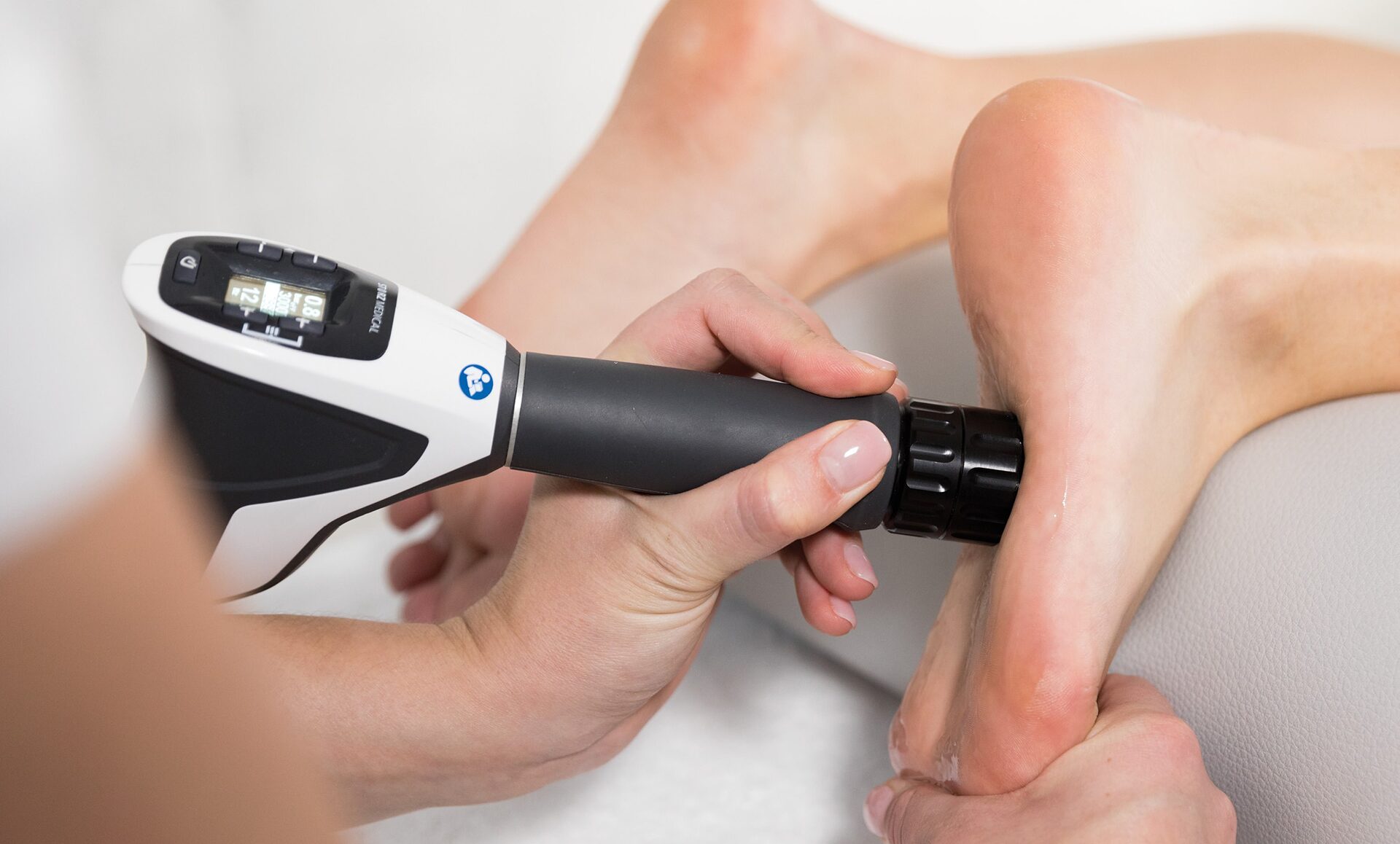
- Achilles tendonitis. Achilles tendonitis is a chronic injury where the Achilles tendon – the area above the back of the heel – experiences regular pain, swelling, and tenderness. Radial shockwave therapy can effectively treat the condition when applied directly to the tissue surrounding the tendon. Shockwave therapy also effectively treats soft tissue injuries, including sports-related injuries like tennis elbow and plantar fasciitis.
- Heel Spurs: Dissolves calcium deposits and relieves associated discomfort.
- Metatarsalgia: Reduces pressure and pain in the ball of the foot.
- Morton’s neuroma. Morton’s neuroma is a condition that causes pain between the third and fourth toes. Morton’s neuroma requires urgent short-term pain relief that can be provided by shockwave therapy.
- Plantar fasciitis. A web-like tissue connecting the heel and the toes is lying above the soles of your feet. Plantar fasciitis is when this tissue – the plantar fascia – becomes inflamed, commonly causing pain in the morning or after prolonged periods of sitting or standing.
- Shin Splints: Accelerates recovery by improving blood flow to affected areas.
- Tibialis posterior tendonitis. The posterior tibial tendon connects your calf muscle to the bones inside your foot. A fall or injury can result in this tendon being torn or inflamed, causing flat-footedness and various pains across the foot, especially after prolonged activity.
On top of helping with short-term pain, shockwave therapy can assist in rehabilitation in conjunction with exercises from our podiatrist to help the foot heal. Shockwave therapy is particularly effective for sports injuries, emphasising its non-surgical nature and role in assisting athletes to recover faster.
What to Expect During a Treatment Session
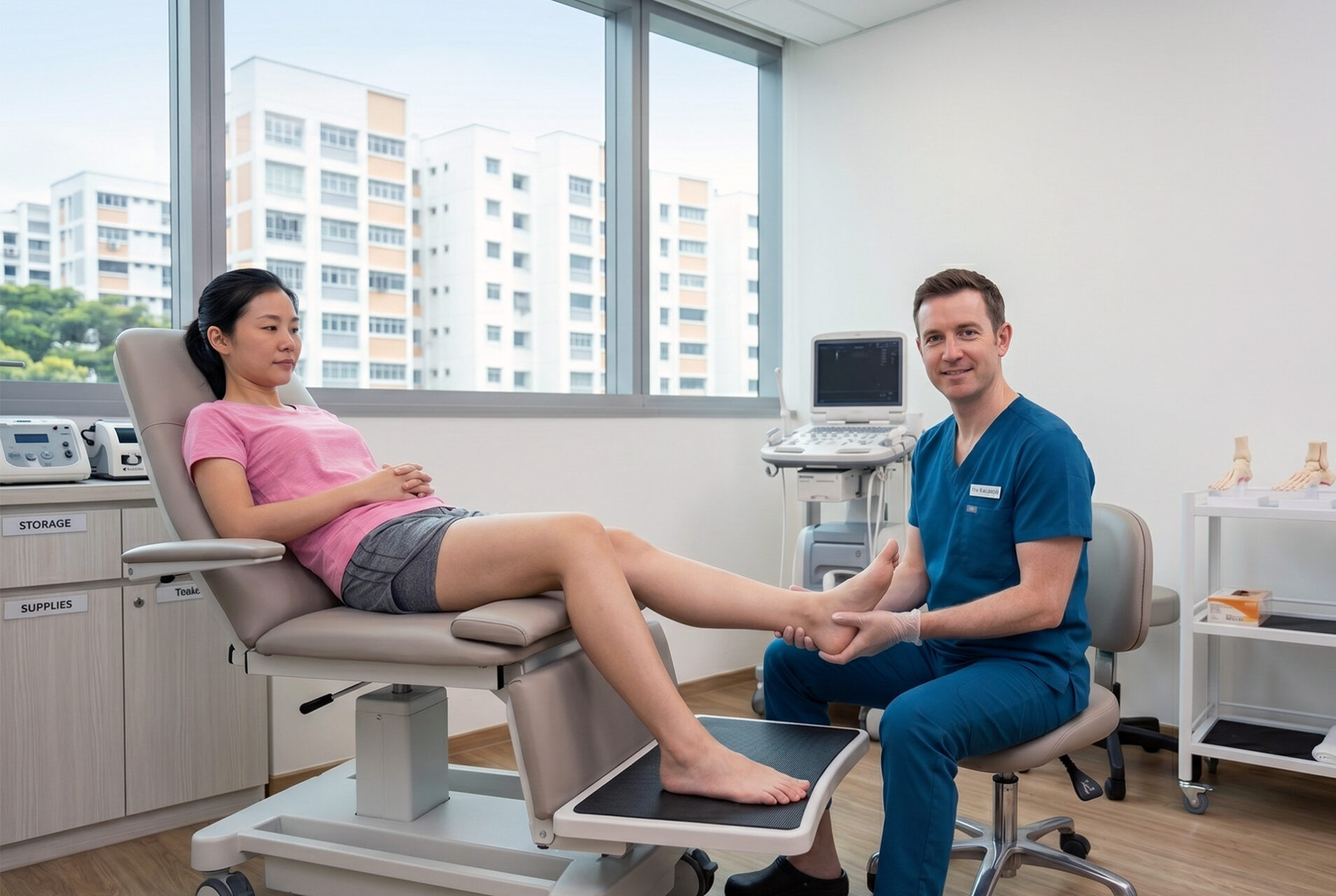
During a shockwave therapy session, you can expect a non-invasive and relatively painless procedure. The modality typically lasts 10-20 minutes, depending on the specific condition. Here’s what you can expect during the session:
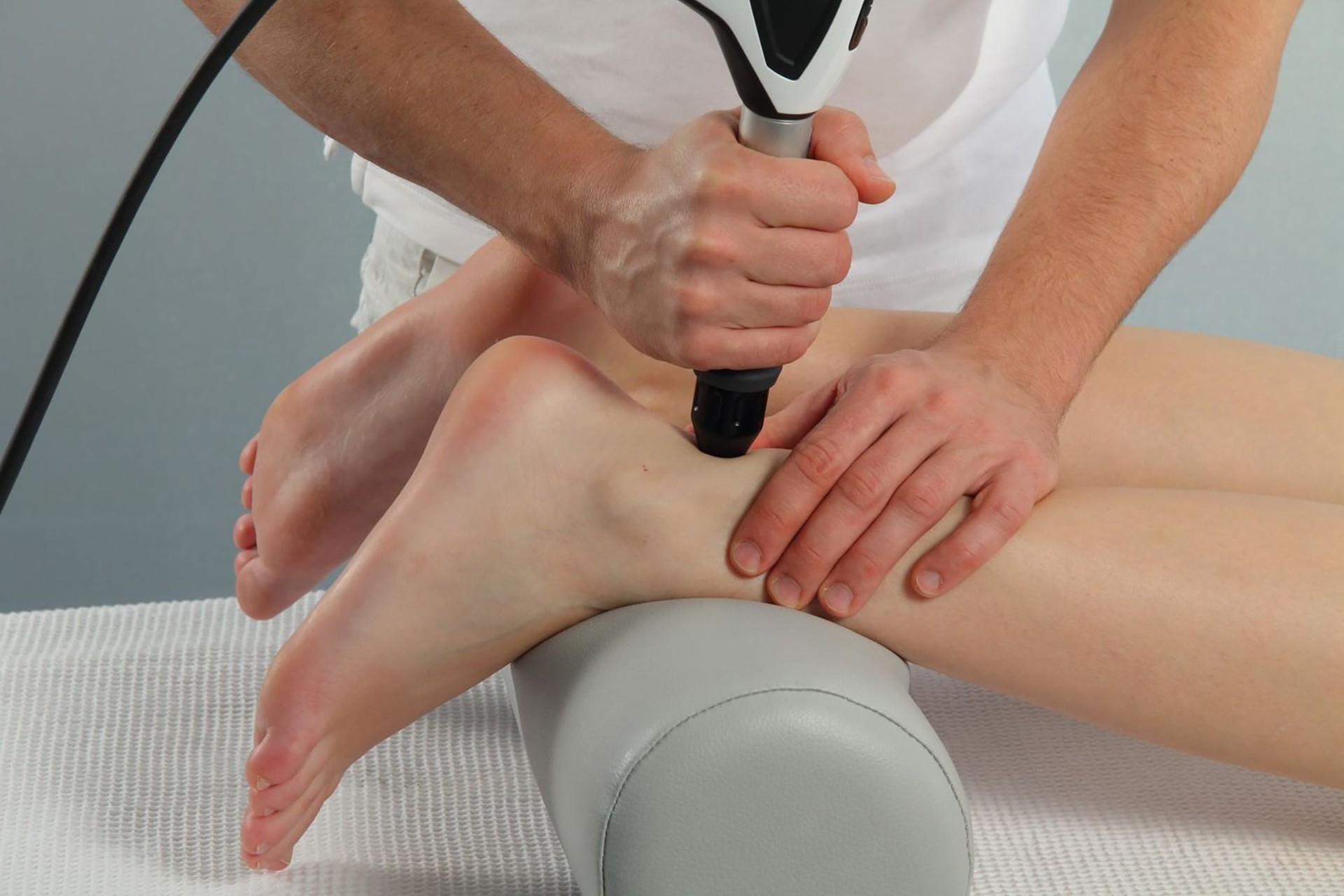
- Application of Ultrasound Gel: Our podiatrist will apply a small amount of ultrasound gel to the affected area. This gel helps the shockwaves penetrate the skin more effectively, ensuring the treatment reaches the targeted tissues.
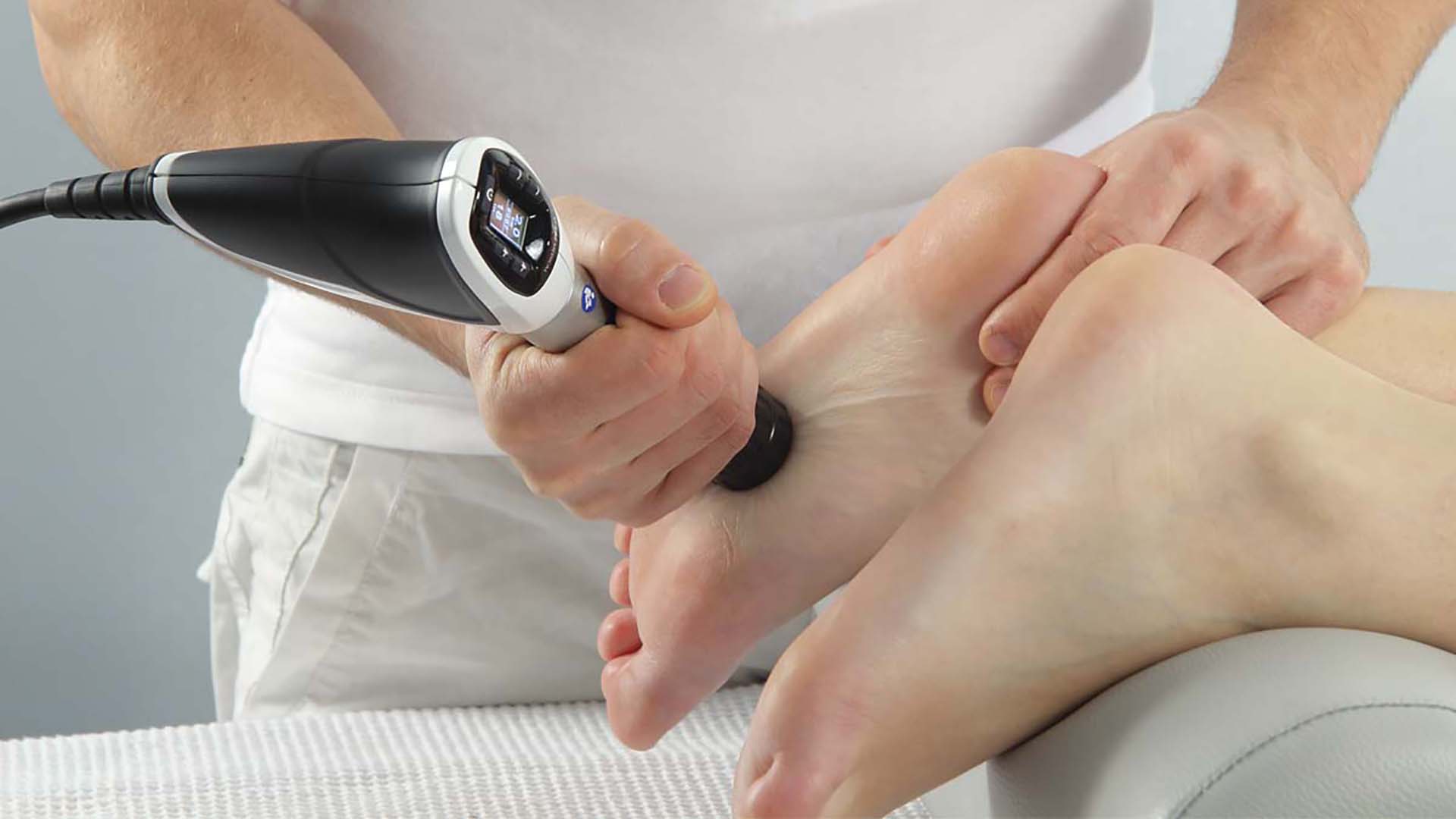
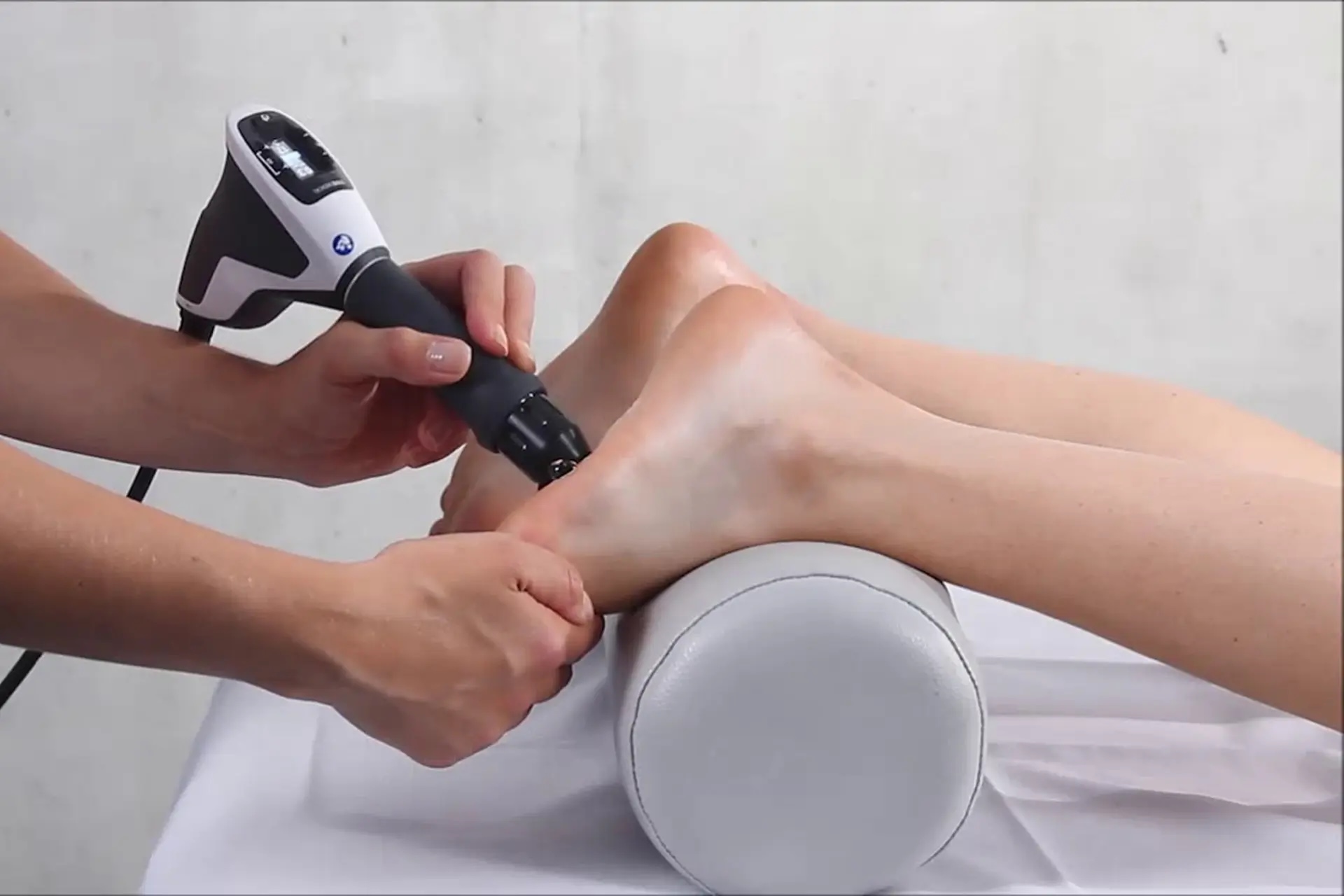
- Use of Handheld Device: A handheld device connected to a machine that generates sound waves will administer the shockwave therapy. This device is moved over the affected area with light pressure, targeting the specific tissues that need treatment.
- Sensation During Treatment: You may feel a mild sensation, similar to a gentle tapping or vibration, as the shockwaves are delivered to the affected area. This sensation is generally well-tolerated by most patients.
- Adjustments for Comfort: Our podiatrist may adjust the intensity and frequency of the shockwaves based on your comfort level and the specific condition being treated. This ensures that the intervention is both effective and comfortable for you.
Does Shockwave Therapy Hurt?
Shockwave therapy for your foot is a non-invasive, non-surgical treatment and will not require the same recovery time associated with surgery. Nor will the treatment put you out of commission.
It is expected to experience some pain or discomfort during a session. Residual swelling and pain may continue for a few days after each session. This indicates the therapy is working! Biostimulation occurs in the tissue, and swelling is a positive response to the targeted shockwaves.
Preparing for Treatment
Before undergoing shockwave therapy, it’s essential to prepare yourself for the treatment. Arrive at least 15 minutes before your scheduled appointment to complete any necessary paperwork and get settled. Wear loose, comfortable clothing that allows easy access to the affected area. This will make the treatment process smoother and more relaxed. Remove any jewellery or accessories that may interfere with the treatment. This ensures that the shockwave therapy can be administered without any obstructions. Inform your podiatrist about any medications you’re taking, including blood thinners, as they may affect the therapy. This is crucial for your safety and the effectiveness of the therapy.
Discuss any concerns or questions with your podiatrist before the treatment begins. Open communication helps ensure that you are comfortable and well-informed about the procedure.
Aftercare and Recovery
After the shockwave therapy session, you can expect some mild side effects, such as temporary redness, swelling, or bruising.
Avoid strenuous activities or exercises that may aggravate the affected area for at least 48 hours after the treatment. This allows your body to heal and respond to the therapy. Take over-the-counter pain medication, such as acetaminophen or ibuprofen, as your podiatrist directs to manage discomfort. This can help alleviate any residual pain.
As your podiatrist recommends, follow a gentle stretching and exercise program to promote healing and prevent further injury. This is an essential part of your recovery process. Attend follow-up appointments with your podiatrist to monitor your progress and adjust the management plan. Regular check-ins ensure that you are on the right track to recovery.
Risks and Side Effects
While shockwave therapy is generally considered safe and effective, there are some potential risks and side effects to be aware of:
- Temporary Redness, Swelling, or Bruising: These are common side effects at the treatment site and usually resolve on their own within a few days.
- Mild Pain or Discomfort: You may experience mild pain or discomfort during or after the treatment. This is typically short-lived and can be managed with over-the-counter pain medication.
- Increased Sensitivity: Some patients may experience increased sensitivity to touch or pressure in the treated area. This is usually temporary and subsides as the area heals.
- Rare Severe Side Effects: Rarely, shockwave therapy may cause more severe side effects, such as bleeding or infection, especially in people with blood clotting disorders or those taking blood thinners. It’s essential to discuss any concerns or questions you have with your podiatrist before undergoing shockwave therapy.
By understanding these potential risks and side effects, you can decide whether shockwave therapy is the proper treatment method. Always consult with your podiatrist to ensure the best possible outcome.
The Benefits of Shockwave Therapy in Singapore
Patients seeking shockwave therapy in Singapore often do so to avoid surgery or prolonged recovery periods associated with traditional treatments.
Shockwave therapy eliminates the need for surgical intervention, making it a safer option with minimal downtime. Conditions that have been unresponsive to other treatments often improve significantly with shockwave therapy. Shockwave therapy allows patients to regain mobility and enjoy an active lifestyle by addressing pain and stiffness.
Compared to surgical procedures, shockwave therapy costs in Singapore are relatively affordable, making it accessible to many patients.
Shockwave Therapy Cost in Singapore
One of patients’ most common questions is about the cost of shockwave therapy in Singapore. At The Foot Practice, the cost is approximately $150 per session. During your consultation, your podiatrist can provide a more detailed breakdown of costs tailored to your treatment plan.
Is Shockwave Therapy Right for You?
Consulting with a qualified podiatrist is essential if you’re considering shockwave therapy. The effectiveness of the treatment depends on the condition, its severity, and individual patient factors. It is important to consult with a qualified clinician before undergoing shockwave therapy to ensure it is the proper treatment for your specific condition.
If you are already experiencing pain from any of the foot conditions above, make an appointment with The Foot Practice today for the targeted pain relief and healing benefits of radial shockwave treatment.