

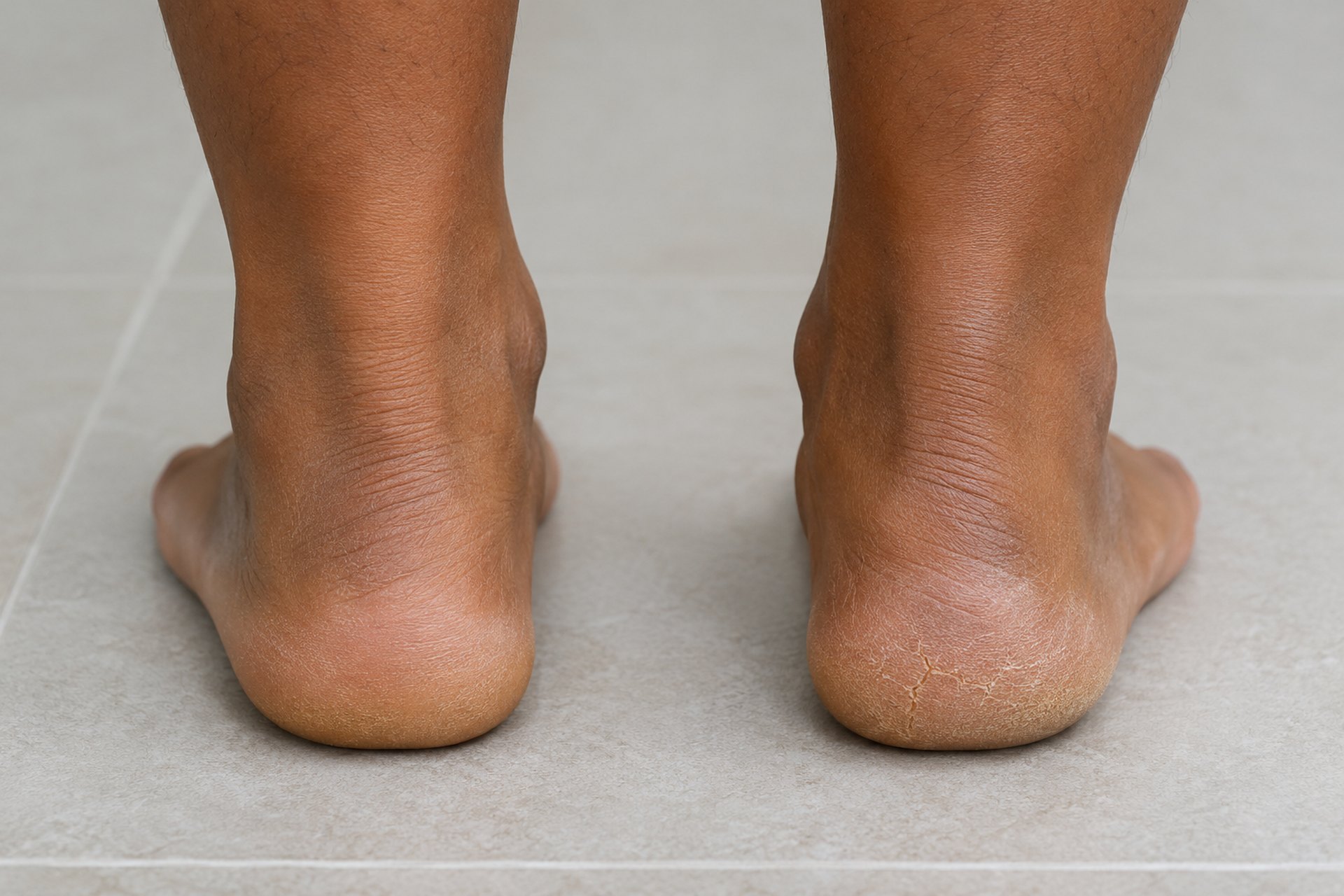
Cracked heels, also called heel fissures, are splits in dry, thickened skin around the rim of the heel. Cracked heels develop when the skin loses flexibility, and the heel pad spreads outward under the load of standing or walking.
A shallow crack may affect only the surface. Deep cracks can reach deeper layers, expose living tissue, and lead to pain or bleeding.
Symptoms
Cracked heels often begin when dry skin and hard tissue build up around the heel. Signs and symptoms may include:
- Dry, rough or flaky heels
- Yellow, brown or grey callus that can build up around the heel rim
- Fine lines or visible cracks
- Tightness, itching or tenderness
- Pain when standing or walking
- Bleeding from a deep fissure
- Redness, warmth, swelling or discharge if infection develops
Cracked skin on heels may extend deeply even when it causes little pain. Discomfort may increase with walking. This is especially important to note if you have reduced sensation in your feet.
When to Seek Care
Arrange an assessment or consider cracked heels treatment if:
- You have bleeding heel cracks
- Painful cracked heels are affecting your quality of life
- Walking or standing has become difficult
- Redness, warmth or swelling is spreading
- The heel produces pus, fluid or an unpleasant smell
- Home care does not improve the area
- The cracks keep returning
- You are unsure whether the problem is a fissure, a fungal condition or another skin condition
Seek care promptly if you have diabetes, poor circulation, reduced sensation, a weakened immune system or a history of foot ulcers. Do not cut, file or chemically treat the skin yourself. Prompt treatment can protect your foot health. See the guidance on diabetic foot care.
Causes of Cracked Heels
Cracked heels usually develop through a combination of dry skin and mechanical load.
Skin loses moisture and elasticity as the heel becomes dry. When you stand or walk for long periods, the heel pad spreads sideways. When the tissue cannot stretch enough due to dryness, movement at the rim can lead to splits.
Factors that can contribute to dry cracked heels include:
- Standing for long periods, particularly on hard surfaces
- Walking barefoot
- Wearing open-backed sandals, slippers or flip-flops
- Shoes that do not support or cushion the heel
- Repeated loading or friction
- A thick foot callus
- Long, hot showers or harsh soaps
- Dry weather or prolonged exposure to air conditioning
- Age-related reductions in natural skin oils and elasticity
- Higher body weight, which may increase load through the heel
Other factors that can affect cracked skin on heels include medical conditions associated with dry or fragile skin, such as eczema, psoriasis, hypothyroidism, diabetes and some inherited skin disorders.
Moccasin-type fungal infection of the foot may also cause dry scaling and fissures across the sole and heel. This requires different care from a simple pressure-related heel fissure.
Cracked Heels, Calluses and Athlete’s Foot
A heel callus is thickened skin caused by pressure or friction. It may be dry without being cracked. A cracked heel, on the other hand, develops when this tissue splits.
Athlete’s foot is a fungal infection. It may cause itching, burning and scaling between the toes or across the sole. Moisturiser alone will not clear the fungus, while moisturiser can help with a cracked heel.
A podiatrist can examine the distribution and appearance of the skin when the cause is uncertain.
Diagnosis
Clinicians usually diagnose cracked and dry heels by examining the feet. The assessment may include:
- The depth and location of each fissure
- The amount of dry or callused skin
- Signs of bleeding or infection
- Footwear and loading around the heel
- Sensation and circulation in the feet
- Skin changes elsewhere on the foot
- Medical conditions or medicines that may affect the skin
Pressure assessments may help identify how standing, walking, and footwear load the heel and determine the right management strategy. Consider testing if you suspect a fungal infection, psoriasis, dermatitis, or another skin condition.
Cracked Heel Treatment and Care
Cracked heel treatment options in Singapore depend on the depth of the cracks, the amount of callus, and your overall foot health.
How to Treat Cracked Heels at Home
Home care may help heal cracked heels when the cracks are shallow, the skin is intact, and you have normal sensation and circulation. Severe cases, or persons with diabetes, need professional assessment. If your case is mild, the following may assist with your cracked heels:
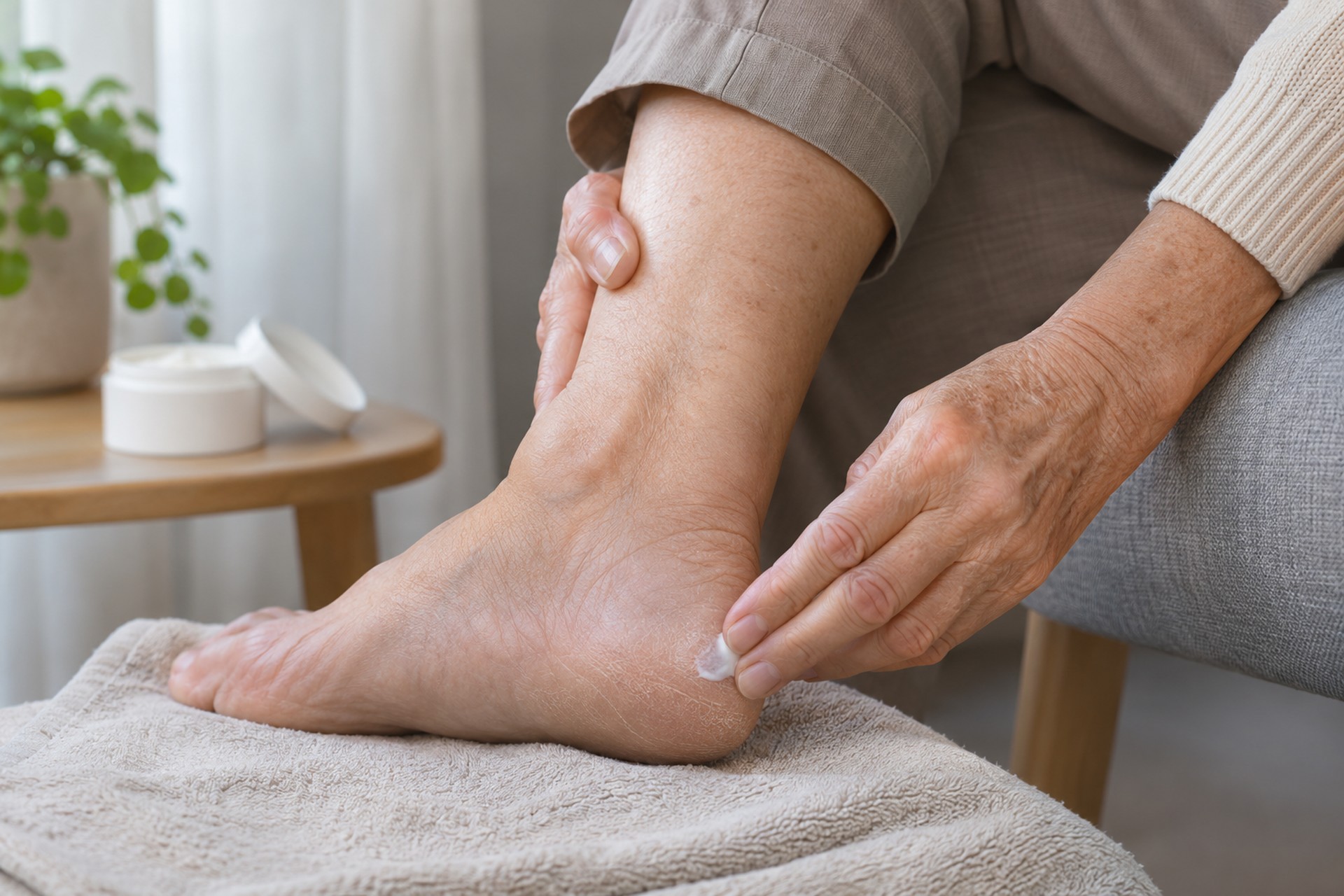
- Wash or soak briefly. Soak your feet in lukewarm water for about 5-10 minutes. Avoid prolonged soaking and very hot water, which can worsen dryness.
- Dry carefully. Pat the skin dry, including between the toes.
- Exfoliate gently. Use a pumice stone or foot file lightly to remove dead skin from intact thickened areas. Stop if the area becomes painful or starts bleeding. Never use scissors, razor blades or other sharp tools.
- Apply a thick moisturiser. Moisturise the heels at least twice daily to keep the skin hydrated, retain moisture and support a healthy skin barrier. When the skin is very dry, applying moisturiser two or three times a day may help keep it soft.
- Consider a urea-containing cream. Products containing approximately 10% to 25% urea may soften intact thickened skin. Urea, salicylic acid and alpha-hydroxy acids may sting or irritate open fissures. Ask a healthcare professional if you are uncertain which product is suitable.
- Protect the skin overnight. Apply a heavy oil-based cream or petroleum jelly before bed, then wear clean cotton socks. This helps seal in moisture and prevents it from rubbing onto bedding. Do not apply moisturiser between the toes.
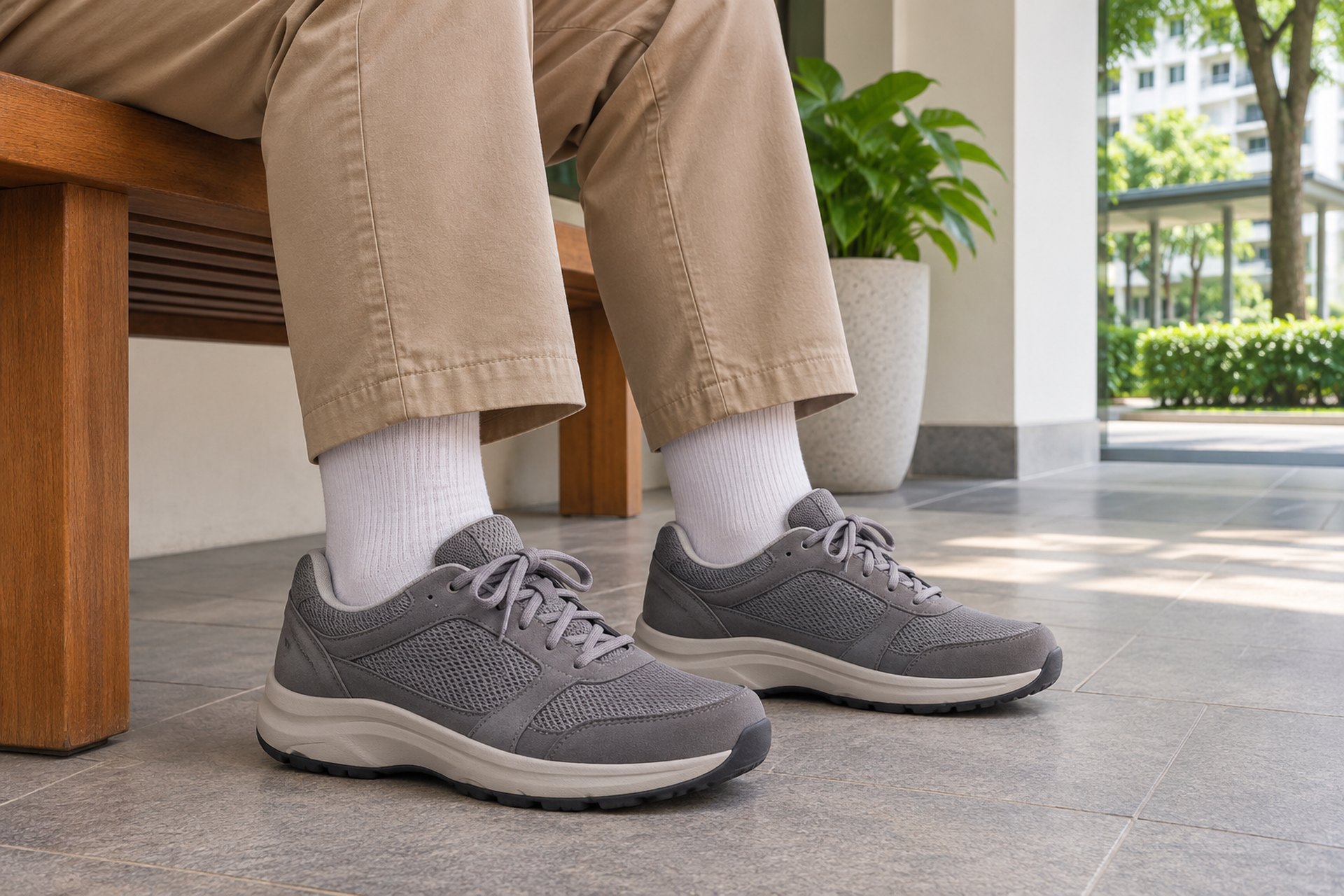
- Reduce heel pressure. Wear supportive footwear that fits well, with cushioning and a closed or supported heel. Avoid walking barefoot while the skin heals.
A liquid bandage or skin glue may protect a small, clean, superficial crack. Follow the product instructions. Never apply household glue or seal a deep, bleeding, or infected fissure.
Professional Podiatry Care
A podiatrist may carefully reduce thickened tissue using sterile instruments. This is called debridement. It reduces the hard skin pulling at the edges of a fissure, but you must also address the cause of repeated loading, as otherwise, the hard skin will keep returning.
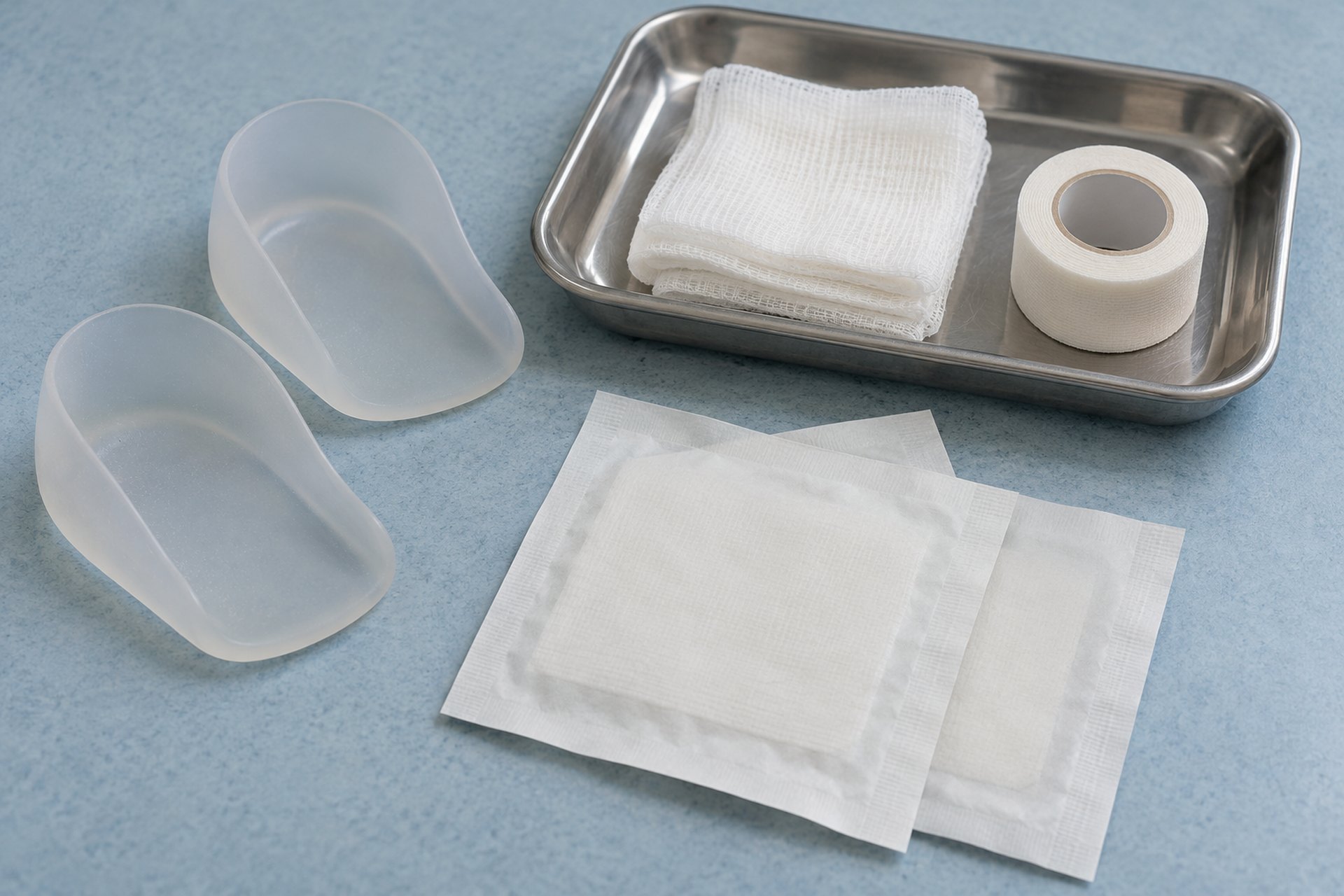
Depending on the assessment, treatment may include:
- Sterile reduction of thickened skin
- Dressings or strapping to limit movement across the crack
- A suitable moisturising or keratolytic product
- Tissue adhesive for selected clean fissures
- Heel cups, padding or insoles to redistribute pressure
- Footwear assessment
- Assessment for fungal or inflammatory skin disease
- Referral for medical care if the area is infected or an underlying condition is suspected
In severe cases of cracked heels, treatment also aims to protect deeper tissue and support healing.
See the separate guide to professional callus removal for more information about reducing thickened skin.
Complications with Cracked Heels
Most mild heel fissures improve with consistent care. However, if left untreated, a deep crack can become painful, cause discomfort, bleed or form an open wound. From an open wound or broken skin, bacteria can enter and cause infection. Warning signs include increasing redness, warmth, swelling, discharge, worsening pain or fever.
People with diabetes may have reduced sensation or impaired healing. A fissure can therefore worsen without causing the expected amount of pain and may contribute to ulceration or other complications.
Prevention
To help prevent cracked heels:
- Apply a thick moisturiser or heel balm to the heels every day
- Inspect and moisturise your feet daily for dryness and early signs of cracking
- Use a pumice stone gently and only on intact skin
- Avoid cutting or shaving hard skin
- Use lukewarm rather than hot water
- Choose mild cleansers and avoid harsh soaps
- Choose appropriate footwear, including supportive footwear that cushions the heel
- Limit prolonged use of open-backed sandals and other open-backed footwear to prevent undue exposure
- Avoid walking barefoot on hard surfaces
- Avoid walking on hard floors with bare feet
- Wear stockings or clean, dry socks with enclosed shoes when practical
- Reduce extended periods of standing when practical
- Use topical moisturiser to manage heel dryness
- Manage diabetes, fungal infection and inflammatory skin conditions appropriately
Consistent moisturising and pressure reduction are more important than occasional intensive exfoliation.
Podiatry Assessment in Singapore
The Foot Practice assesses cracked heels and other skin and nail conditions. Our podiatrists can determine whether the cracks are related to dry skin, callus, loading, footwear, a fungal condition or an underlying health condition. Professional care may help if a fissure is painful, bleeding, recurrent, infected, or unsafe to manage at home.
If your heel isn’t improving or you have risk factors that make self-care unsafe, call The Foot Practice today to book your podiatry appointment.