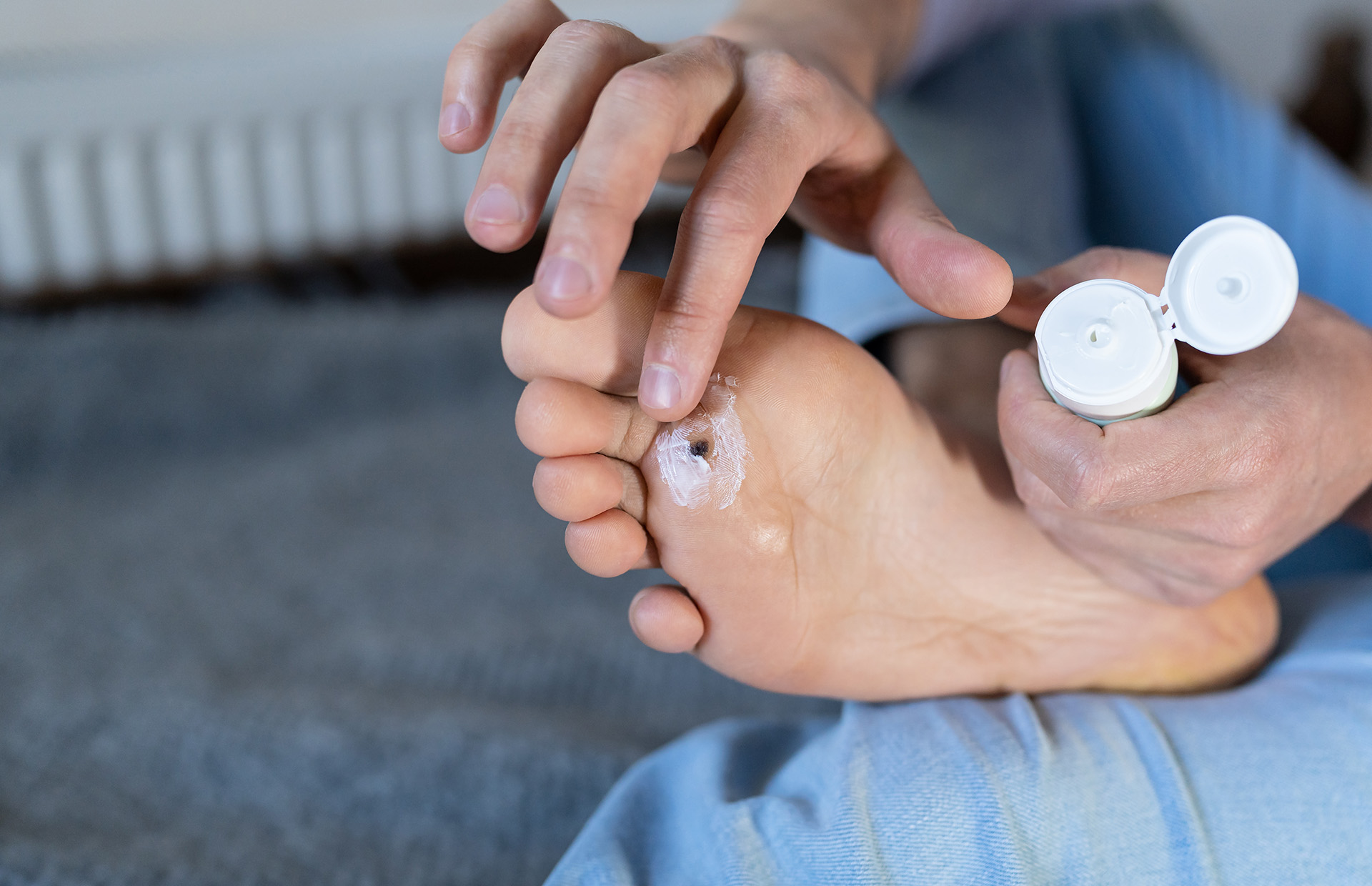
A foot corn is a small, concentrated area of thickened skin caused by repeated pressure and/or friction. It often has a firm central plug that presses into underlying tissue, causing sharp pains when standing, walking, or wearing certain shoes.
Foot corn removal in Singapore usually involves more than reducing the hardened skin. A podiatrist first confirms the lesion is a corn and identifies the pressure that caused it. Care may then include sterile debridement, protective padding, footwear changes, or an offloading plan to ease pressure on the area.
At The Foot Practice, we aim to reduce painful thickened skin while protecting and preserving healthy tissue. The next step is to address the root cause of the foot corn, because it may return if the same pressure continues.

When to Consider a Professional Corn Removal
Not every foot corn needs professional removal or requires treatment. A small foot corn may improve when your footwear stops rubbing the area and relieves the pressure. An assessment may be helpful when:
- The foot corn is painful during walking, standing or exercise.
- The area is deep, hard or difficult to manage safely.
- The foot corn keeps returning.
- You are not sure whether the lesion is a foot corn, callus or plantar wart.
- A bunion, hammer toe, or other foot deformity creates a repeated pressure point.
- You have diabetes, reduced sensation, poor circulation, fragile skin or a weakened immune system.
- The skin is red, swollen, bleeding, broken or producing discharge.
Persistent pressure can damage the skin beneath a corn. In a high-risk foot, this can lead to an open sore called an ulcer and may allow infection to develop. In particular, people with diabetes, poor blood flow, or a reduced feeling in their feet should avoid DIY foot corn removals and self-treatment with blades, files, or acids.
Is Thickened Skin a Foot Corn?
Foot corns develop when the skin protects itself from constant pressure or friction. Corns and calluses are both areas of thickened skin. However, hard foot corns are usually dry and about the size of a pea. Unlike calluses, they are smaller and more localised. A central plug of keratin, the main protein in the outer skin, sits within the thickened area of a foot corn but is not present in calluses. Pressure on this plug can irritate deeper tissue and nerve fibres, causing a focused pain.
Hard foot corns commonly develop on the tops or sides of toes, where a toe rubs when you are wearing shoes. Soft foot corns form between toes. Moisture in this space keeps the skin pale, soft or rubbery. Seed foot corns are tiny and may occur in clusters, often in areas that do not bear any weight.

What a Podiatrist Checks before Removal
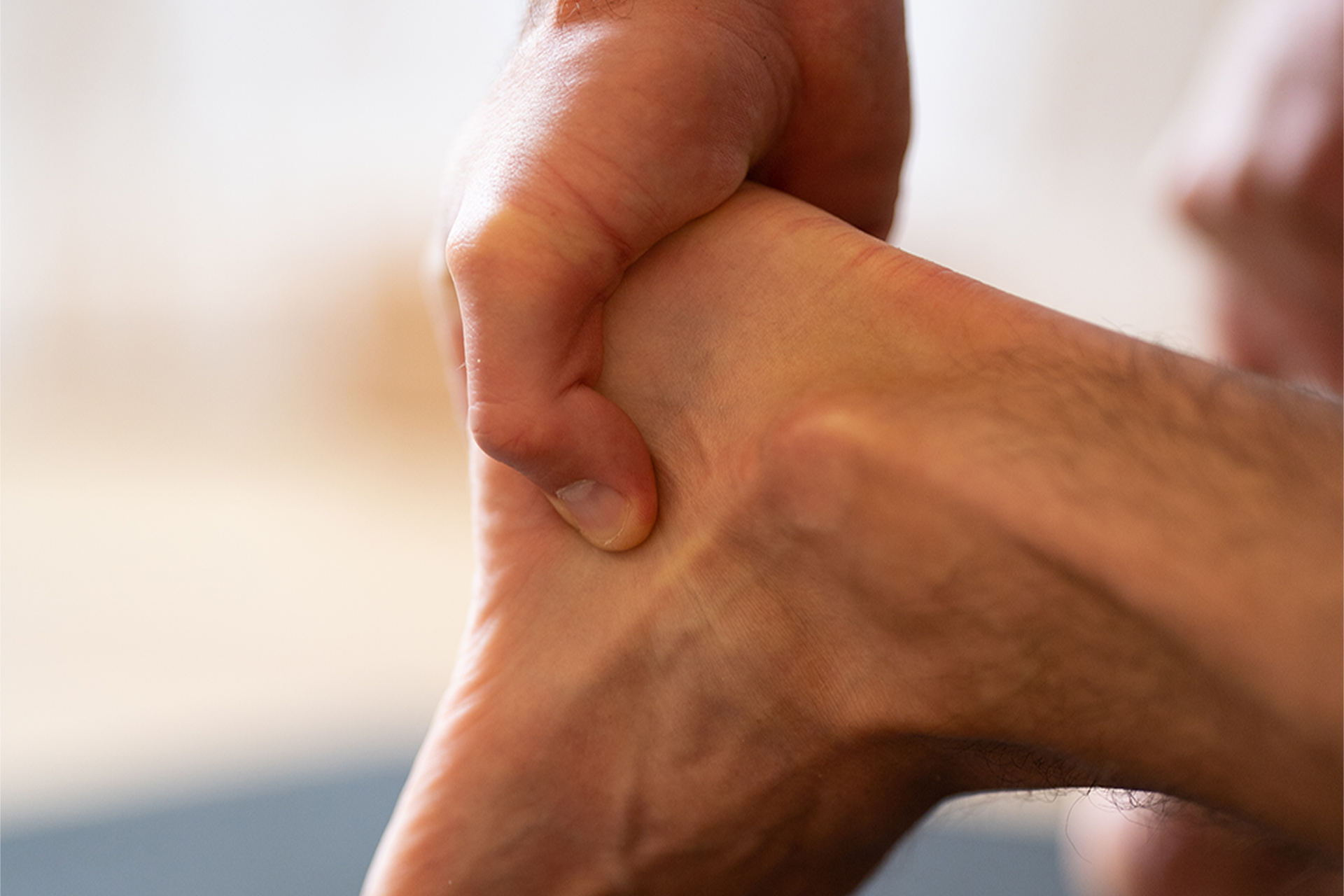
A podiatrist usually diagnoses foot corns by examining and gently pressing the area. The assessment may include your symptoms, medical history, work demands, usual activities and whether you use poorly fitting footwear.
The podiatrist may also carefully pare a small amount of hard skin to examine the tissue beneath it. This check helps distinguish a foot corn from a plantar wart or other skin conditions. A wart may interrupt the natural skin lines and reveal small dark or bleeding points when pared. A corn has a defined keratin core and lacks the same pattern of tiny blood vessels. If the diagnosis is uncertain, the podiatrist may recommend a medical or dermatological review.
The podiatrist will look for abnormal pressure points and the underlying cause of the foot corn. This may include a narrow toe box, a shoe seam, high-heeled shoes, toe crowding, foot deformities such as bunions or hammer toes, reduced joint movements, flat feet, or an abnormal gait. These factors can cause increased pressure on one part of the foot.
What Happens during a Professional Foot Corn Removal?
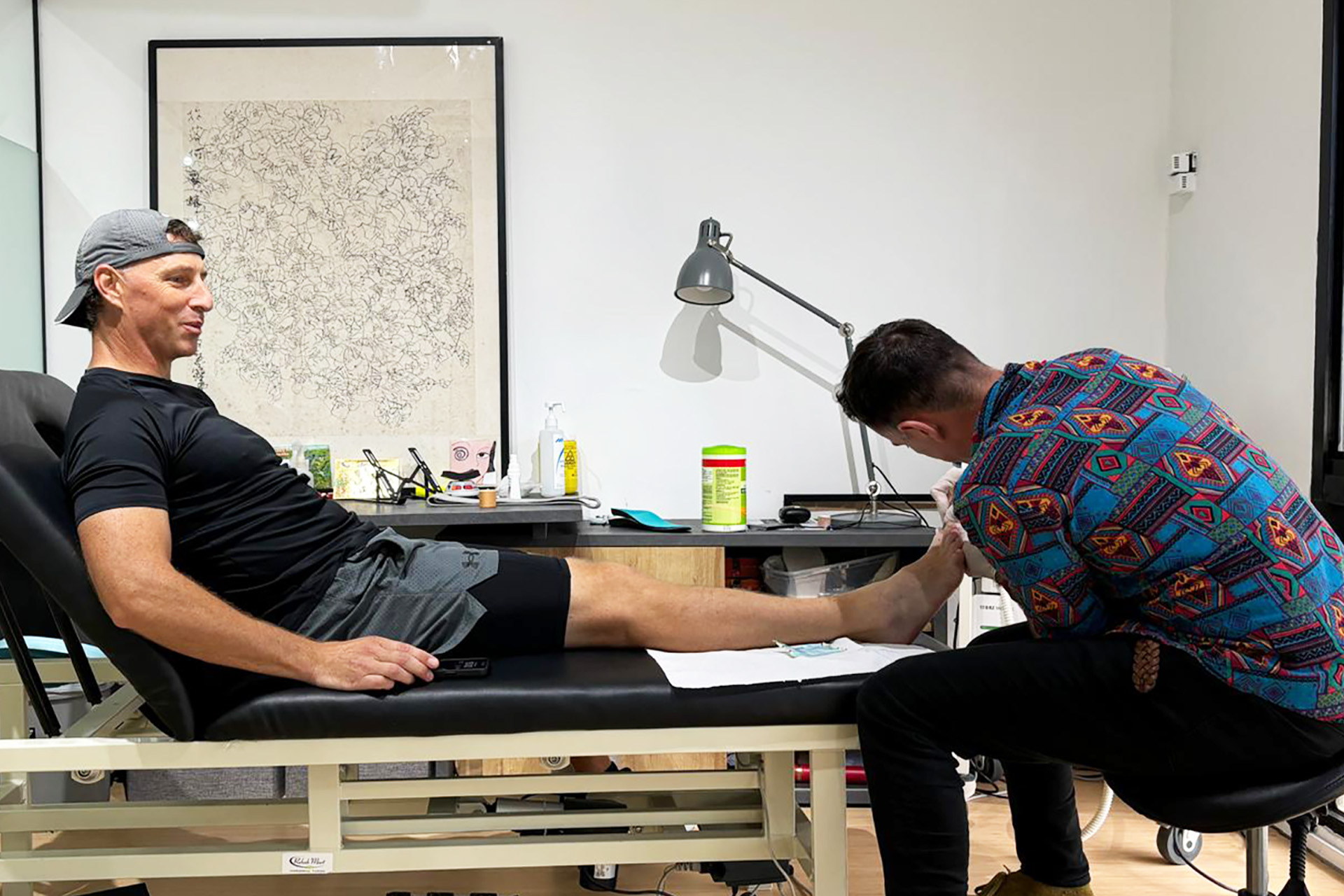
A podiatrist completes professional foot corn removal during a clinic appointment. The exact steps in a personalised treatment plan depend on the corn’s position and depth, the condition of the skin, and your medical history.
1. Skin and risk assessment
The podiatrist confirms the diagnosis and checks the surrounding skin. Patients with diabetes, neuropathy, or circulation problems need a more cautious assessment, as wounds on the foot may heal slowly or go unnoticed.
2. Sterile debridement
A trained podiatrist uses sterile medical instruments, including a surgical blade, to pare the hardened layers and central keratin plug. The procedure aims to remove hardened skin without damaging healthy skin. The tissue removed from corns and calluses is mainly dead outer skin, so debridement usually causes minimal discomfort. A deep or inflamed corn may still cause pain or feel tender. Tell the podiatrist if you feel any discomfort at any point.
3. Pressure relief
Removing the hard skin can reduce pressure on the tissue beneath it. The podiatrist may then use felt, foam, a toe sleeve, a spacer or another form of padding to offload the area. This pressure relief focuses on relieving symptoms and preventing a corn from building up again.
4. Recurrence plan
The appointment may finish with advice on shoes, socks, skin care and activity. If the corn is recurrent, the podiatrist may recommend a footwear assessment, pressure assessment, or custom foot orthoses.

Is Foot Corn Removal Painful, and How Quickly Does It Help?
Professional debridement is usually well tolerated because the podiatrist removes dead, hardened skin rather than living tissue. Almost all patients do not need anaesthetic for routine foot corn paring, although comfort varies, especially when a foot corn is inflamed, very deep, or close to damaged skin.
Pain symptoms and focal pressure may ease after one foot corn removal session. This does not mean the foot corn has been permanently cured. A deep lesion may need further care, and a recurrent foot corn may require ongoing pressure management to address the cause. The result depends on the corn’s depth, skin health, and whether you can change the cause of friction or pressure.
Why Foot Corns Can Return after Removal
A foot corn can gradually rebuild if the same spot remains under pressure. Debridement reduces the thickened skin, but it does not change ill-fitting shoes, a prominent toe joint or foot mechanics that create a high-pressure loading pattern.
Ongoing management may include lifestyle changes and proper footwear. This can be as simple as replacing a narrow shoe or protecting a toe. For more persistent cases, a corn treatment plan may include structured offloading through custom orthoses or other methods.
Custom orthoses can redistribute pressure when foot shape or walking mechanics overload a particular area. They are not needed for every case of foot corns. If the corn is on a weight-bearing area or keeps returning, the podiatrist may use the RehaWalk® pressure-sensor gait system to see where pressure builds during walking. The findings can help guide the padding, footwear advice or custom insoles.
Other Options for Stubborn or Recurring Foot Corns
Treatment options depend on the foot corn’s depth, location and underlying cause. Some treatment options are suitable only when the skin is healthy, and circulation is normal.
Keratolytic creams and salicylic acid
Keratolytic topical treatments soften and loosen thick keratin. Correct, consistent use of salicylic acid may gradually reduce an uncomplicated corn in a suitable low-risk patient. However, it does not remove the pressure that caused the foot corn.
Medicated corn plasters contain salicylic acid, which can damage surrounding healthy skin. Misplacement or prolonged use can cause chemical burns, ulcerate healthy skin, and create a route for infection. The risk is more serious for those with diabetes, poor circulation, neuropathy, fragile skin or an open wound. They should not decide to apply medicated corn plasters unless a qualified healthcare professional specifically advises it.
Cryotherapy
Cryotherapy freezes tissue, but it is not a standard first-line method for a mechanically caused foot corn. It also does not correct the pressure or friction that formed the lesion. Freezing methods are more commonly used for plantar warts. Diagnose the lesion correctly before considering any intensive skin procedure.
Surgery for a structural pressure point
Surgery is rarely needed for a foot corn. If a bunion, hammer toes or another foot deformity is putting pressure on the same area and conservative measures have not helped, referral to an orthopaedic surgeon may be appropriate. Surgery may reduce the recurrence by correcting the structural source of pressure, but no procedure can guarantee that a foot corn will not return.

Home Care Before and After a Foot Corn Removal
If you are otherwise healthy, your skin is intact, and you plan to treat a corn at home, briefly soaking your foot in warm water can soften the surface. For foot corns and calluses, a foot mask may soften the surface skin, but it cannot remove a deep central corn. Gentle filing with a pumice stone or foot file may help maintain the skin. But do not file too aggressively, as it can cause bleeding or soreness.
Under no circumstances should you cut a foot corn with a razor, scissors or any other sharp tool. Podiatrists and dermatologists use sterile instruments with a clear view of the tissue and the training to protect healthy skin.
Apply moisturising creams regularly to the tops and soles of your feet to keep the skin supple. Do not apply them between the toes, where added moisture can macerate the skin and worsen a soft corn. Follow any dressing, padding or skin-care instructions from your medical professional after they conduct debridement.
How to Reduce the Chance of Another Foot Corn
Prevention focuses on pressure control and ways to reduce friction:
- Wear proper footwear with a wide toe box so that your toes are not compressed.
- Check that your shoes do not slip, rub or have a seam over an affected area.
- Wearing socks that fit well and wick moisture away can reduce any friction on the foot.
- Moisturise dry skin regularly, while keeping the spaces between your toes dry.
- Use non-medicated padding or toe spacers when a podiatrist recommends them.
- Follow your prescribed offloading or orthotic plan consistently.
- Inspect your feet often if you stand or walk for much of the day. This is especially useful for retail workers and others who spend long periods on their feet.
- Check your feet daily if you have diabetes, neuropathy, or poor circulation.
These steps may help prevent foot corns and calluses. Footwear changes and custom orthoses can lower pressure, but recurrence is still possible. A review is useful if a foot corn returns quickly, becomes extremely painful, changes appearance, or continues to interfere with your walking.
Foot Corn Removal in Singapore Price and Fees
The total foot corn removal fee depends on the procedure. A straightforward visit may include an assessment and sterile debridement. A recurring foot corn may require separate pressure assessments, padding, footwear work or an orthotic prescription.
Your podiatrist will explain the recommended care and associated fees before you decide whether to proceed with foot corn removal in Singapore. Call The Foot Practice to ask for the current consultation fee, foot corn removal charge and any separate product or assessment fees when arranging your appointment.
When to Seek Prompt Medical Care
Arrange a professional assessment before self-care if you have diabetes, reduced circulation, numbness, fragile skin, a weakened immune system or a history of foot ulcers.
Seek prompt care for:
- Broken or bleeding skin.
- Increasing redness, warmth or swelling.
- Pus, fluid or an unpleasant smell.
- Rapidly worsening pain.
- A change in colour or shape of the foot corn.
- A lesion that you cannot confidently identify.
Seek urgent medical help if the redness spreads, red streaks appear, or a foot wound is accompanied by fever or if you feel unwell.

Foot Corn Removal at The Foot Practice
The Foot Practice has provided podiatry care for adults and children in Singapore since 2004. An appointment with us for foot corns and calluses can include skin assessments, sterile debridement and a review of the pressure or friction contributing to recurrence. We may also consider footwear assessments, pressure mapping, and custom orthoses if they would benefit your foot health.
To arrange an assessment, book a podiatry appointment or call +65 6282 7400.
Frequently Asked Questions
What happens at a podiatry appointment for foot corn removal?
The podiatrist examines the lesion, confirms it is a foot corn, and checks your skin, footwear, and pressure pattern. If a removal is appropriate, the podiatrist will use a sterile blade to reduce the hard skin and central plug. Padding, footwear advice or other offloading measures may follow.
Is professional foot corn removal painful?
Routine debridement usually causes little or no pain because the tissue being pared is dead outer skin. A deep or inflamed foot corn can be tender. The podiatrist can pause or modify the procedure if you feel any discomfort.
Is one foot corn removal session enough to remove the foot corn?
One session may reduce pressure and discomfort, particularly for a straightforward foot corn. A deep or recurrent foot corn may need follow-up care. Long-term control depends on addressing the pressure or friction that caused it.
Can a foot corn come back after a podiatrist removes it?
Yes. A foot corn can return if the same shoe, toe position or loading pattern continues to press on the area. Offloading, footwear changes and, in selected cases, customised insoles can reduce any recurrence.
How much does foot corn removal cost in Singapore?
The fee depends on whether the appointment includes an assessment and debridement only or requires additional services and products. Ask the clinic for the current consultation fee, foot corn removal charge and any separate costs before your appointment.
Do you use liquid nitrogen or cryotherapy to remove foot corns?
Cryotherapy is not a standard first-line method for a mechanically caused foot corn. It is more commonly used for some types of warts, such as plantar warts. A correct diagnosis and pressure relief matter more than freezing a lesion that may return under the same mechanical stress.
Will surgery stop a foot corn from returning?
Surgery is uncommon and is considered only when a structural problem creates repeated painful pressure and conservative care has not helped. Correcting the structural problem may reduce recurrence, but it cannot guarantee that a foot corn will never return.