
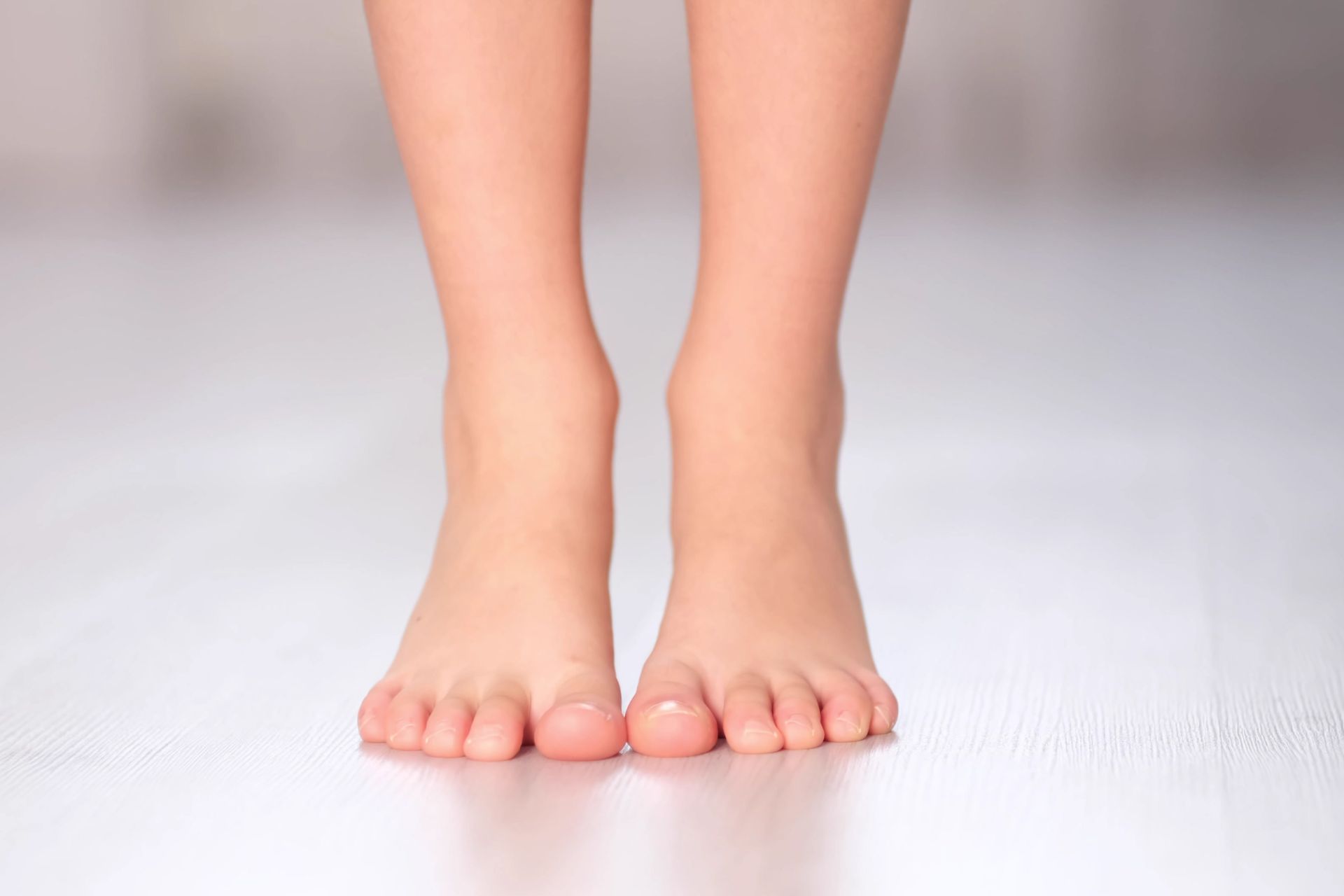
Bunions can develop in children and adolescents as well as adults. A painful prominence at the big-toe joint should be assessed, particularly if it affects footwear or activities.
Understanding Bunions in Children
A juvenile bunion is a prominence at the base of the big toe in a child or adolescent. Bunions have several contributing factors, including family history; footwear can aggravate symptoms but is not necessarily the cause.
A juvenile bunion may cause discomfort or difficulty finding comfortable shoes, although some children have no symptoms. Progression varies.
Measuring Walking Patterns with Technology
An assessment of a child with a bunion considers the foot’s shape, symptoms, footwear and activities. Treatment depends on the child’s needs; an assessment cannot predict or guarantee that the bunion will not progress.
A pressure-sensing treadmill records aspects of foot contact during walking. It cannot diagnose the cause of a bunion or predict its progression on its own.
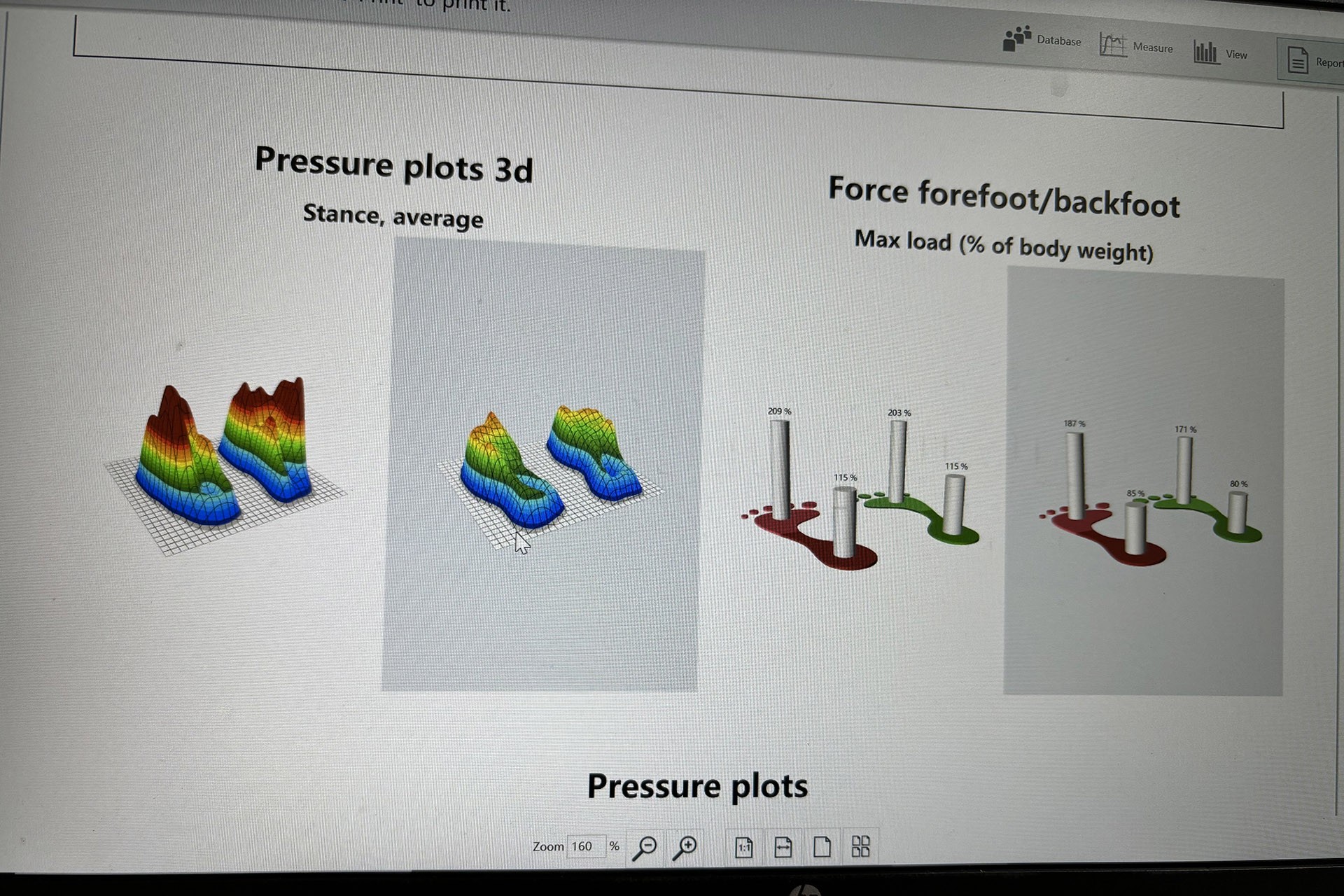
Pressure measurements may provide additional information when a clinician assesses symptoms and footwear. The results need to be considered alongside the examination.
3D gait analysis records aspects of movement. It does not by itself establish how a bunion affects the rest of the body.
A clinician considers the child’s symptoms, foot shape, examination and footwear when discussing care. An insole may be considered for comfort, but it does not reliably straighten a bunion.
Orthotic Intervention to Redistribute Pressure
Orthoses may be ready-made or custom-made, depending on the child’s symptoms and assessment. If an insole is appropriate, its aim may be to support comfort or change pressure under the foot; it does not reliably correct the bunion.
Insoles may help some children with symptoms, but they do not reliably change the shape of a bunion. If prescribed, they should be reviewed for fit as the child grows.
A podiatrist can discuss footwear, symptom relief and follow-up. Insoles cannot guarantee that the bunion will stop progressing or that surgery will never be needed.
Comprehensive Management of Juvenile Bunions
Exercises and footwear changes may help manage discomfort for some children. They do not reliably stop a bunion progressing; response varies.
Paediatric podiatrists work with children and their parents to manage symptoms. Advice may include suitable footwear and activities, but these measures cannot reliably prevent a juvenile bunion or stop it progressing.
The management approach for juvenile bunions differs significantly from that for adults, as children’s feet are still developing. This unique challenge requires expertise in paediatric foot conditions to tailor interventions that address the deformity without stifling the child’s natural growth.
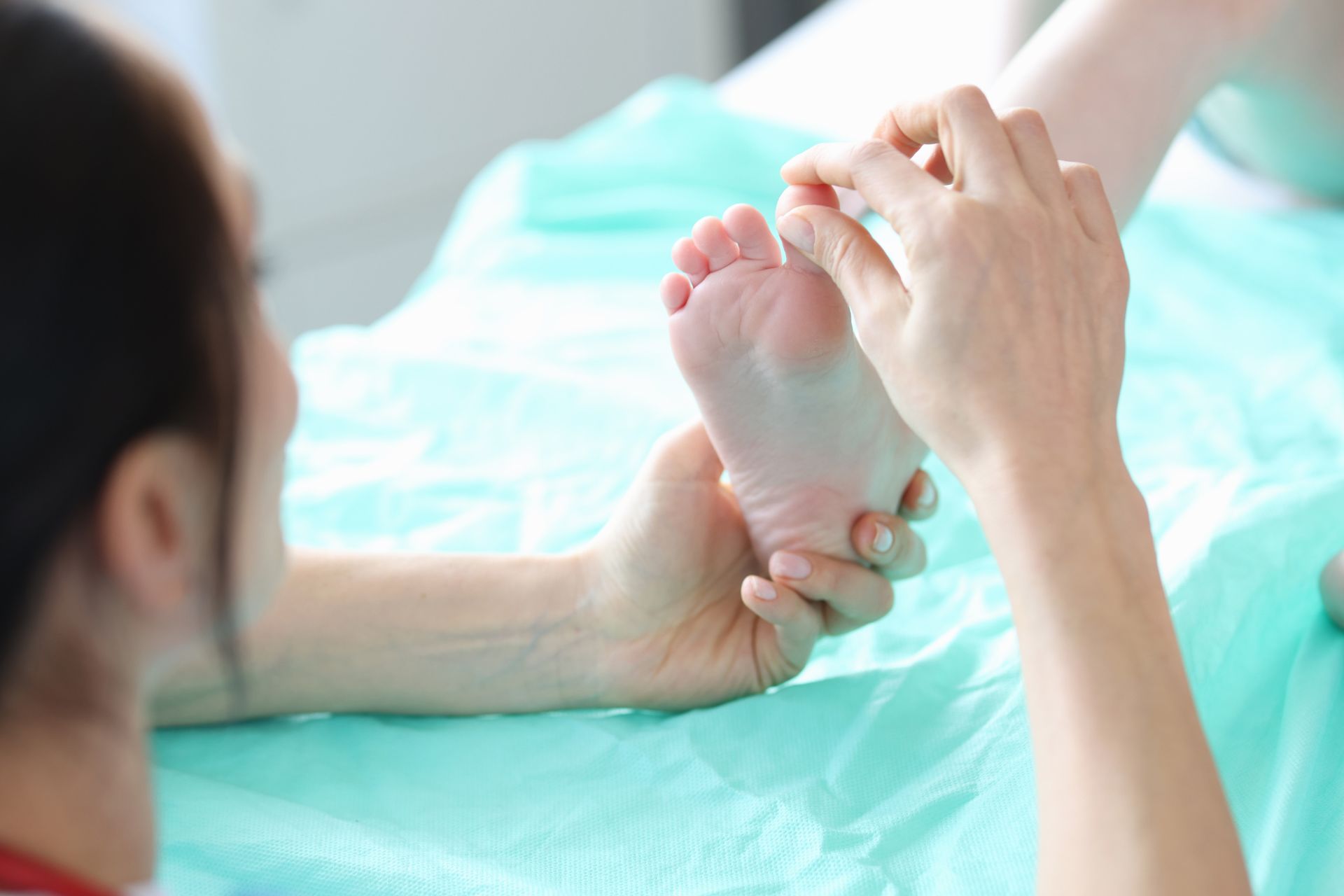
If a child’s bunion is painful, affects footwear or changes over time, a clinician can discuss appropriate care and whether specialist assessment is needed. No approach guarantees pain-free feet in adulthood.
If your child is showing signs of juvenile bunions, schedule a consultation today with our expert paediatric podiatrists at The Foot Practice.