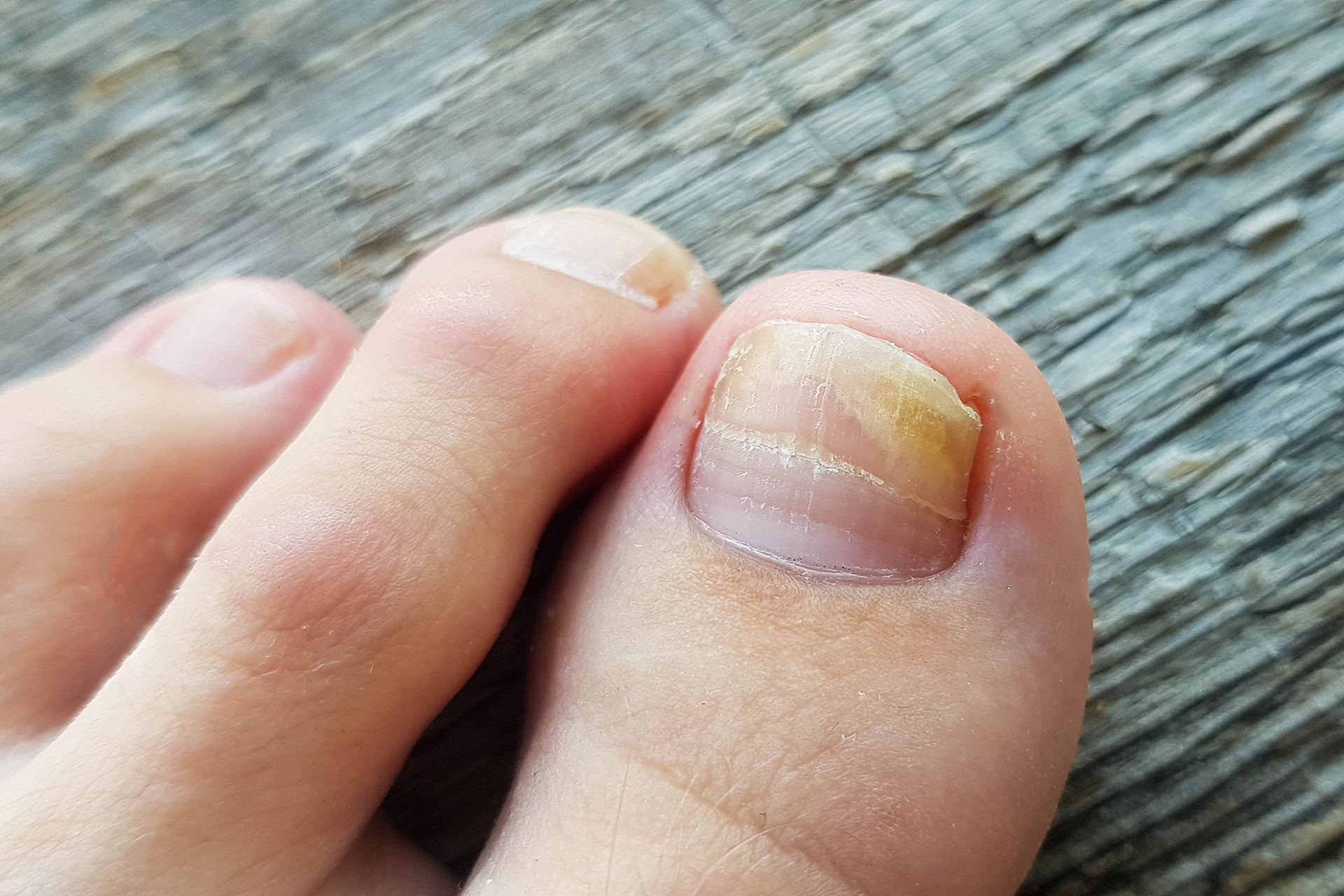

Foot skin and nail care focuses on identifying, managing and preventing problems affecting the toenails and surrounding tissue. These include corns, calluses, fungal infections, ingrown or thickened toenails, plantar warts, cracked heels and blisters. Healthy nails vary in colour, thickness and shape.
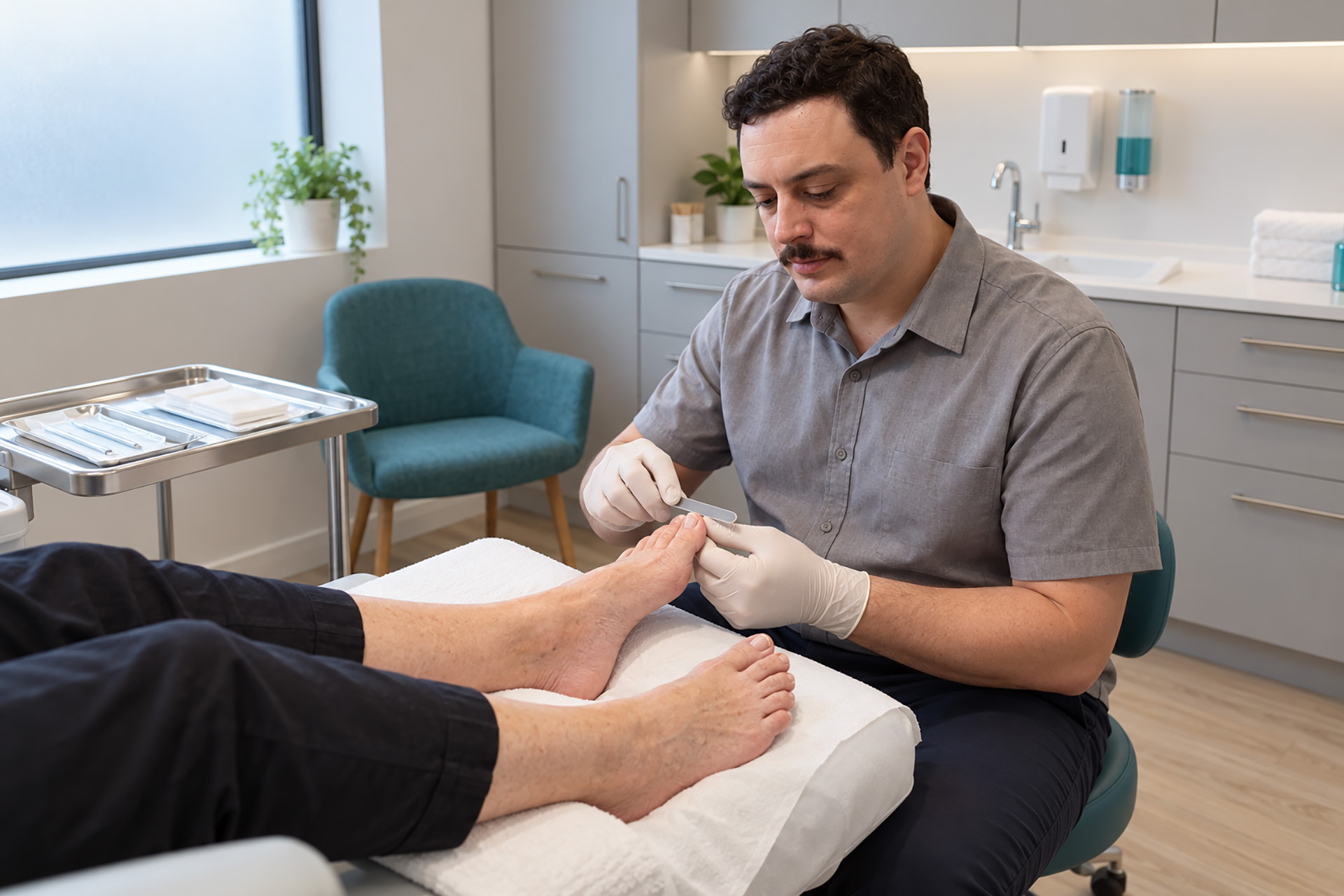
A podiatrist can examine the affected area, identify possible causes and recommend appropriate care. Not every thick or discoloured toenail is fungal, and not every hardened area is a corn. An accurate assessment helps address the cause and avoid unnecessary or unsuitable self-care.
What Is Podiatric Skin and Nail Care?
Podiatric skin and nail care in Singapore addresses conditions affecting the toenails and surrounding tissue. These problems may develop because of pressure, friction, moisture, infection, footwear, injury or changes in the way you move.
Some conditions appear similar but require different care. A plantar wart may be mistaken for a corn. Nail trauma, psoriasis and fungal infection can all cause a toenail to become thick or discoloured. Redness beside a nail may be caused by an ingrown toenail, paronychia or another infection.
Your podiatrist will consider the appearance of the affected area and nails, your symptoms, how long the change has been present, your overall health and whether you have conditions that increase the risk of complications.
Skin and Nail Conditions We Assess
Corns and calluses
- Corns on Feet: Smaller, localised areas of thickened skin caused by repeated pressure or friction. Recurring corns may be linked to footwear, toe position, foot structure or how pressure is distributed when you walk.
- Foot Calluses: Broader areas of thickened skin caused by repeated pressure or friction. A foot callus may develop where pressure is distributed across a wider area.
Fungal skin and nail infections
- Athlete’s foot: A fungal infection that often causes itching, peeling or cracking, particularly between the toes.
- Fungal nail infection: An infection that may cause a toenail to thicken, crumble, lift or change colour. Because other nail conditions can resemble fungus, examination and sometimes laboratory testing may be needed before management begins.
Ingrown, thickened or injured toenails
- Ingrown toenail: A nail edge presses into or breaks the surrounding tissue, causing tenderness, swelling and sometimes infection.
- Thick toenails: Toenails that may develop after repeated pressure, previous injury, ageing, fungal infection or another underlying condition.
- Black toenail: Dark discolouration that may result from trauma or bleeding beneath the nail. Unexplained colour changes should be assessed.
- Paronychia: Inflammation or infection of the tissue around the nail.
- Nail avulsion: Partial or complete separation of a nail from the nail bed.
Plantar warts, blisters and cracked heels
- Verrucae, also called plantar warts: Growths that can develop on weight-bearing areas and may resemble corns or calluses.
- Foot blisters: Fluid-filled areas that usually result from friction, pressure, heat or moisture.
- Cracked heels: Dry, hardened areas that lose flexibility and split. Deep heel fissures can become painful or bleed.
What Happens During a Skin and Nail Assessment?
Skin and nail services in Singapore may include:
- A review of your symptoms, health conditions, medication and previous care.
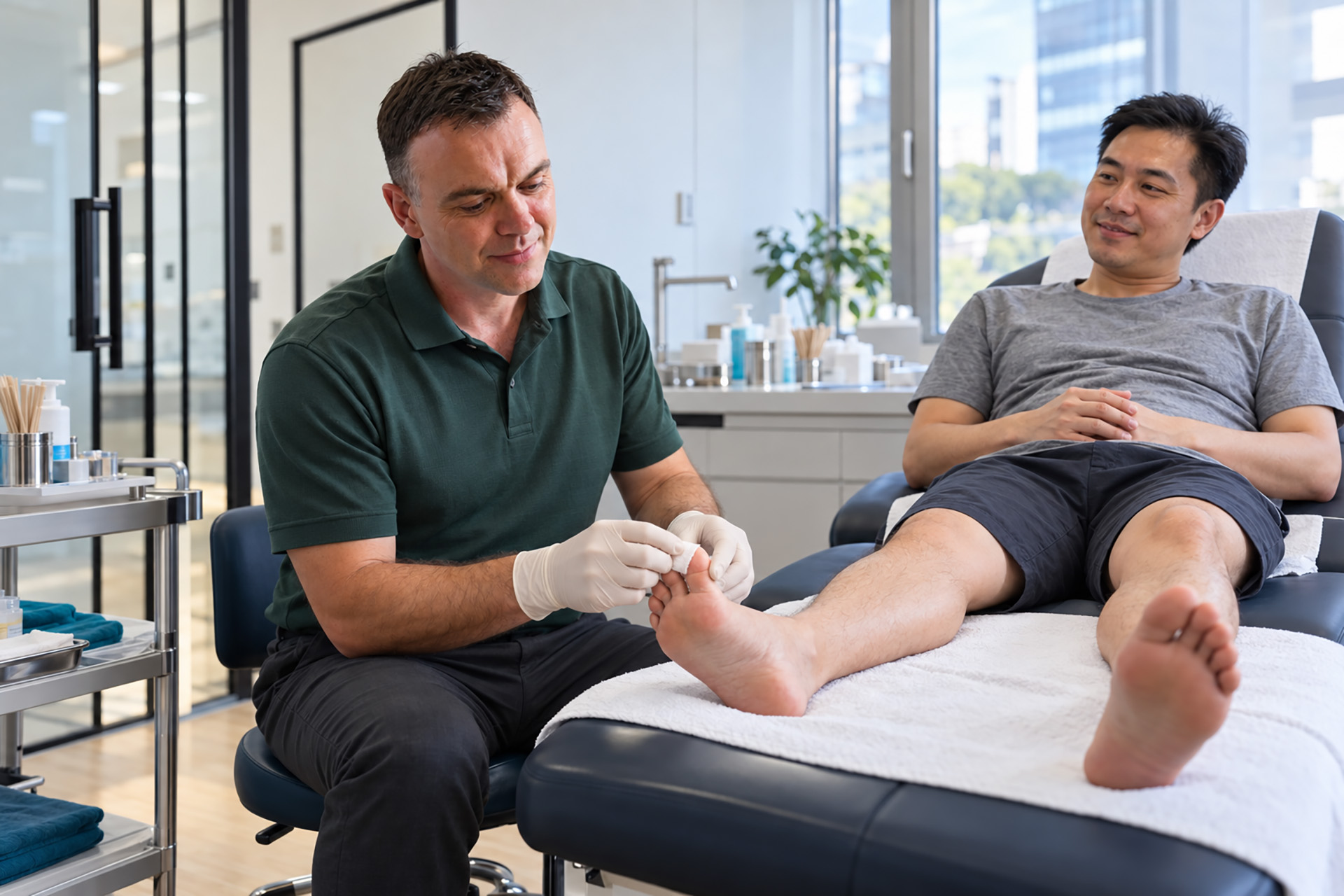
- An examination of the affected area, nails and surrounding tissue.
- Assessment of circulation or sensation when clinically relevant.
- Consideration of footwear, pressure and activity.
- Nail clippings, skin samples or referral for further testing when the diagnosis is uncertain.
- A care plan based on the diagnosis and your individual risks.
Management options may include careful trimming or reducing thick nails, pressure relief, footwear advice, hygiene guidance, or condition-specific care. A podiatrist may remove hardened areas. Other services may include a minor nail procedure or referral. These services address diagnosis and risk.
Caring for Your Skin and Toenails at Home
Simple ways to support nail care at home and reduce problems affecting the nails include:
- Wash your feet daily with lukewarm water and a mild cleanser.
- Dry carefully, particularly between the toes.
- Apply moisturiser to dry areas while they are still slightly damp, but avoid applying it between the toes.
- Trim toenails straight across and avoid cutting them too short.
- Gently file sharp or rough edges. Aggressive filing can thin or damage the nails.
- Avoid digging into the corners of the nails or cutting the cuticles.
- Wear clean socks and shoes that provide enough room around the toes.
- Let damp footwear dry before wearing it again, especially in humid environments.
- Wear sandals in communal showers and changing areas.
- Do not cut corns, calluses or warts with a blade.
- Apply broad-spectrum, water-resistant sunscreen with SPF 30 or higher to exposed areas.
Healthy nails are usually smooth and attached to the nail bed, but fine ridges and colour differences may be normal. Healthy nails are not always pink and vary from person to person. Healthy nails may become brittle or develop peeling after injury. Healthy nails need not be identical. Peeling can affect the nail surface or cuticle. Changes in healthy nails, including persistent peeling or separation from the nail plate, can signal damage or infection. Gentle nail care protects healthy nails.
When nails are dry, apply a thin layer of fragrance-free nail oil or cuticle oil around the nail plate and cuticle. Nail oil may hydrate dry cuticles, but it does not treat infection or strengthen nails. Nail polish, gel manicures, artificial nails and nail art can hide changes. Remove nail polish before assessment.
At a nail salon, request clean instruments and an intact cuticle during a pedicure. Avoid gel polish, artificial nails, repeated nail art or harsh products when nails are painful or peeling. Keep nails at a practical length. Choose fragrance-free nail products, follow product directions and stop using products that irritate. A balanced diet supports nail growth and overall health. Brittle or abnormal nails do not automatically indicate a vitamin deficiency. Do not start high-dose biotin solely for your nails without discussing it with a healthcare professional.
When to See a Podiatrist
Arrange an assessment if you have:
- A painful, thickened or difficult-to-trim toenail.
- Persistent changes in the colour, shape or texture of the nails.
- A corn, callus or wart that is painful or keeps returning.
- An ingrown toenail that is not improving.
- Cracks that bleed or do not heal.
- Recurrent athlete’s foot or suspected fungal nail infection.
- A lesion that you cannot confidently identify.
- Pain or changes that affect walking, exercise or footwear.
Seek prompt medical care for signs of infection, such as spreading redness, increasing warmth or swelling, pus, fever, severe pain or an open wound.
Also have a new dark streak or unexplained black area beneath a nail assessed. Although trauma is a common cause, persistent pigmentation can occasionally indicate a more serious condition.
Skin and Nail Care for Higher-Risk Feet
Seek professional advice before attempting self-care if you have diabetes, reduced sensation, poor circulation, a weakened immune system or a history of foot ulcers or diabetic foot.
These conditions can make injuries harder to detect and slower to heal. Avoid using blades, strong acids or medicated corn and wart products unless a healthcare professional confirms that they are appropriate.
People who have difficulty seeing or reaching their toes may also benefit from professional nail care rather than attempting to cut thick nails or hardened areas themselves.
When Skin and Nail Changes Need Medical Referral
Some problems require assessment by a doctor or dermatologist rather than podiatry care alone. Referral may be appropriate for:
- A rapidly spreading infection.
- A suspicious or changing pigmented lesion.
- A widespread rash or suspected inflammatory disease.
- Nail changes that may be linked to a systemic illness.
- A wound that is deep, infected or not healing.
- Symptoms requiring prescription medication or further medical investigation.
The appropriate next step depends on the condition, its severity and your general health.
Frequently Asked Questions
Are thick or discoloured toenails always caused by fungus?
No. Fungal infection is one possibility. Pressure, injury, psoriasis, ageing, and other nail disorders can cause similar changes. Testing may be recommended if the cause is uncertain.
Can I remove a corn or callus myself?
Do not cut a corn or callus with a blade. Gentle filing may suit some people, but self-care is not recommended if the diagnosis is uncertain or if you have diabetes, poor circulation, or reduced sensation.
How often should I see a podiatrist for nail care?
No single schedule suits everyone. The frequency depends on the condition, how quickly your nails or hardened areas return, and whether health factors make self-care unsafe.
If a problem affecting the toenails or surrounding tissue is painful, recurring or difficult to identify, a podiatry assessment can help you understand and address the cause and choose appropriate care options.