
Warts (Verrucae) in Children
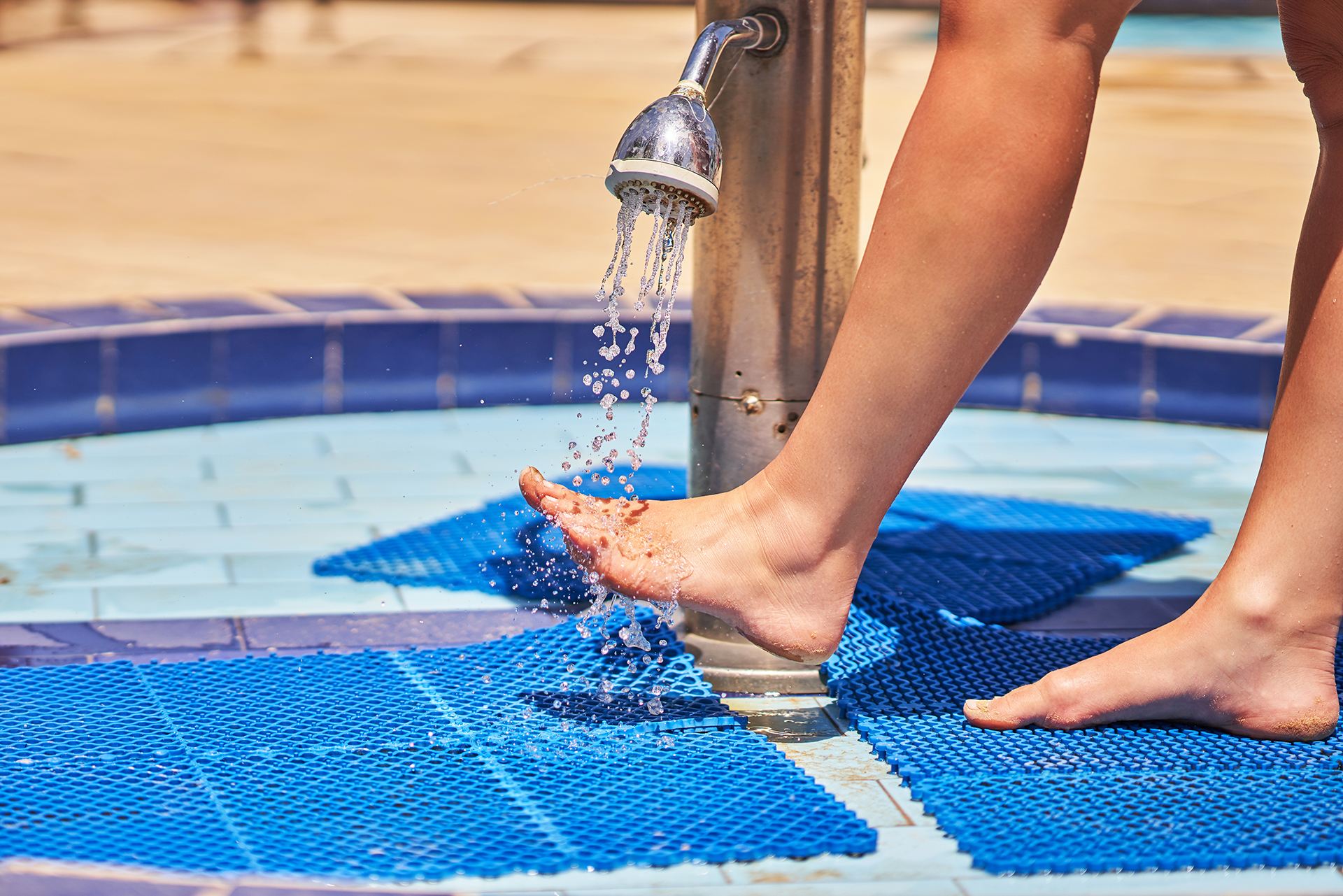
Plantar or verrucae warts in children may sound embarrassing, but they’re fairly common. With a paediatric podiatrist’s help, you can prevent verrucae in your child or, if necessary, intervene to prevent the condition from becoming painful or uncomfortable.
Flat Feet (Pes Planus) in Children
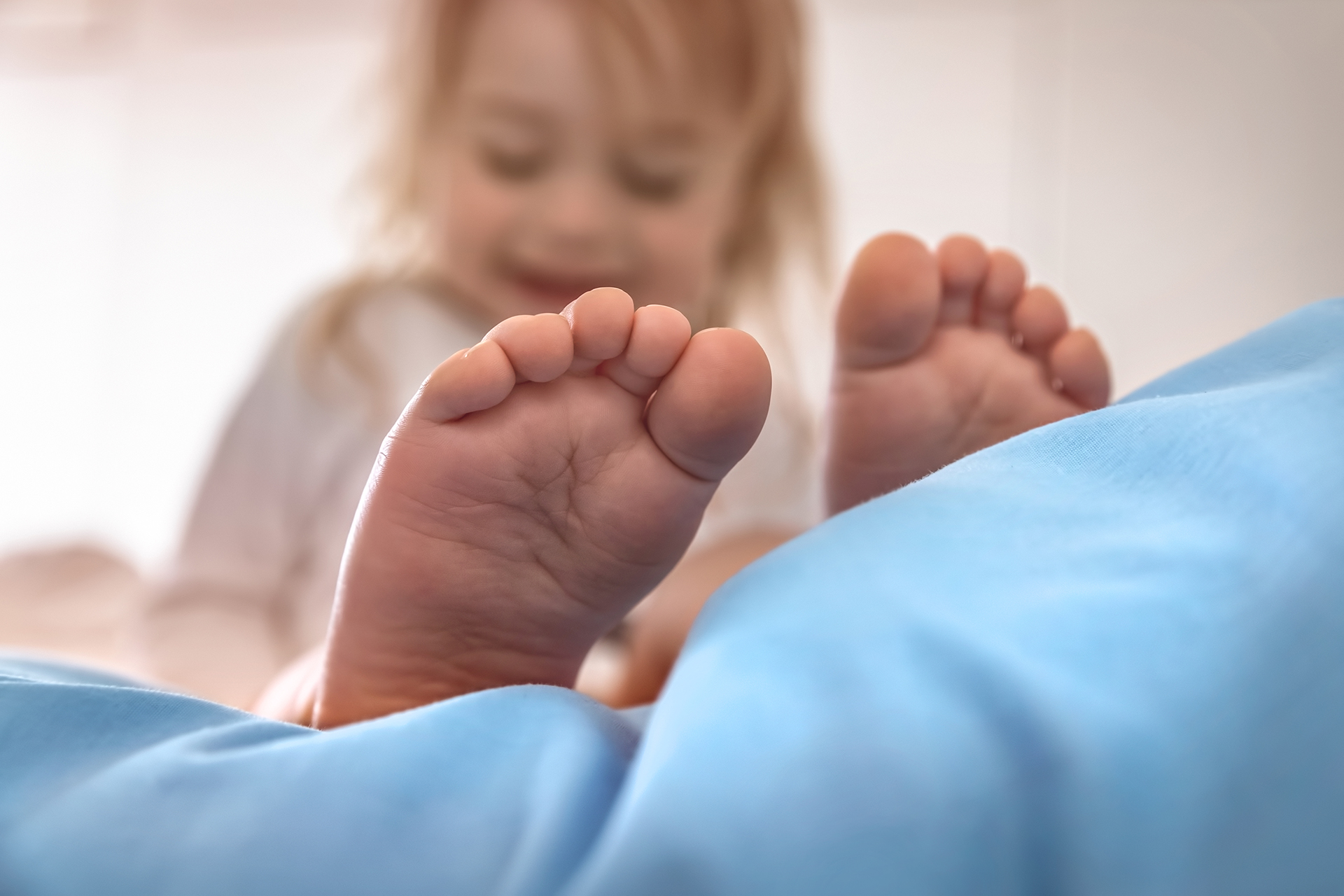
Flat feet in children can cause pain, discomfort, and long-term complications if left untreated. Identify signs of pain, such as leg and foot pain, and consult a paediatric podiatrist for effective management options like orthotic devices, supportive footwear, and physical therapy. Ensure proper foot development and alignment in your child for a healthy lifestyle.
Ingrown Toenails in Children
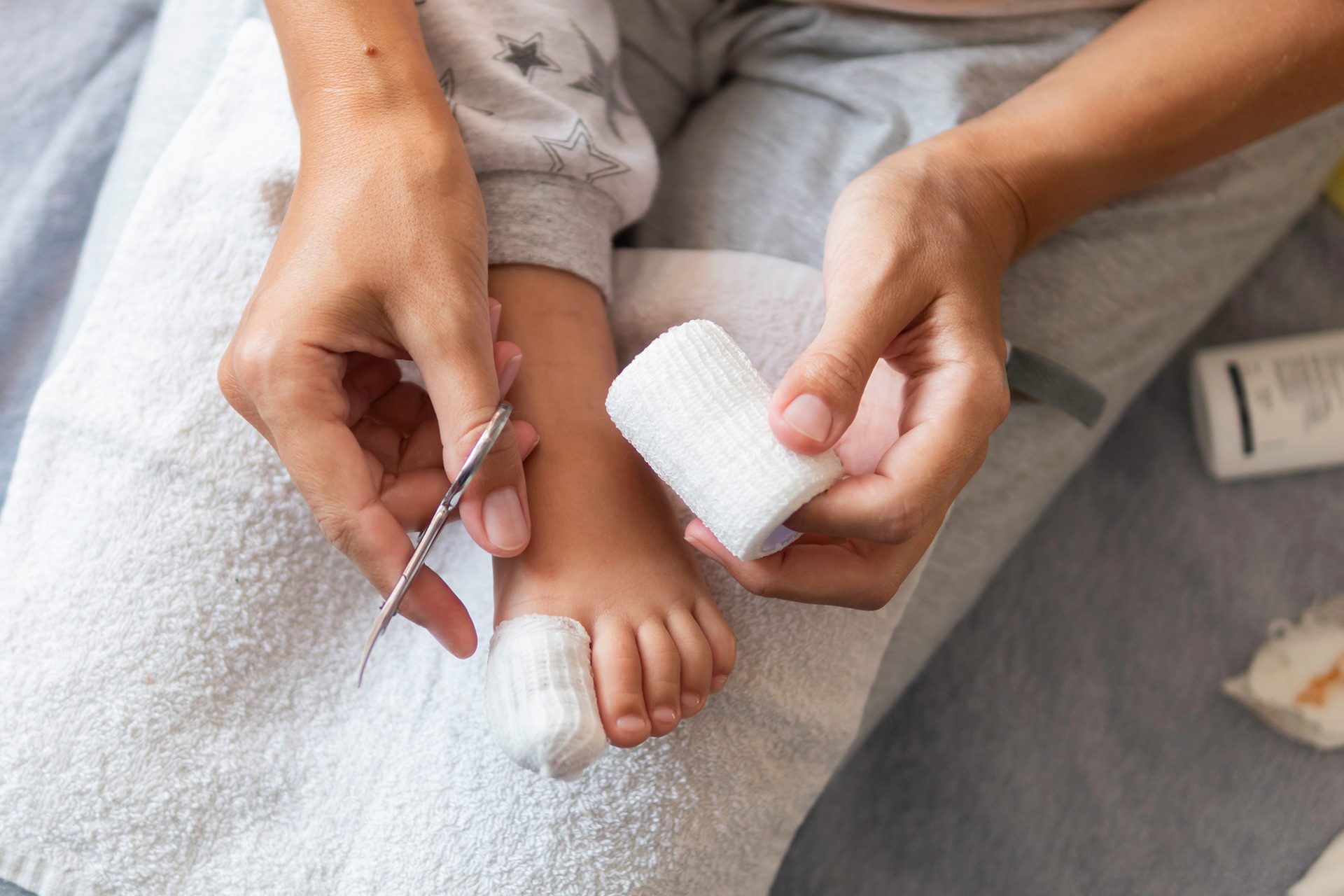
Ingrown toenails in children can start as a small problem but become an issue if infected. Paediatric podiatrists can help manage and prevent ingrown toenails, benefiting your child’s foot health.
Paediatric Ankle Sprains
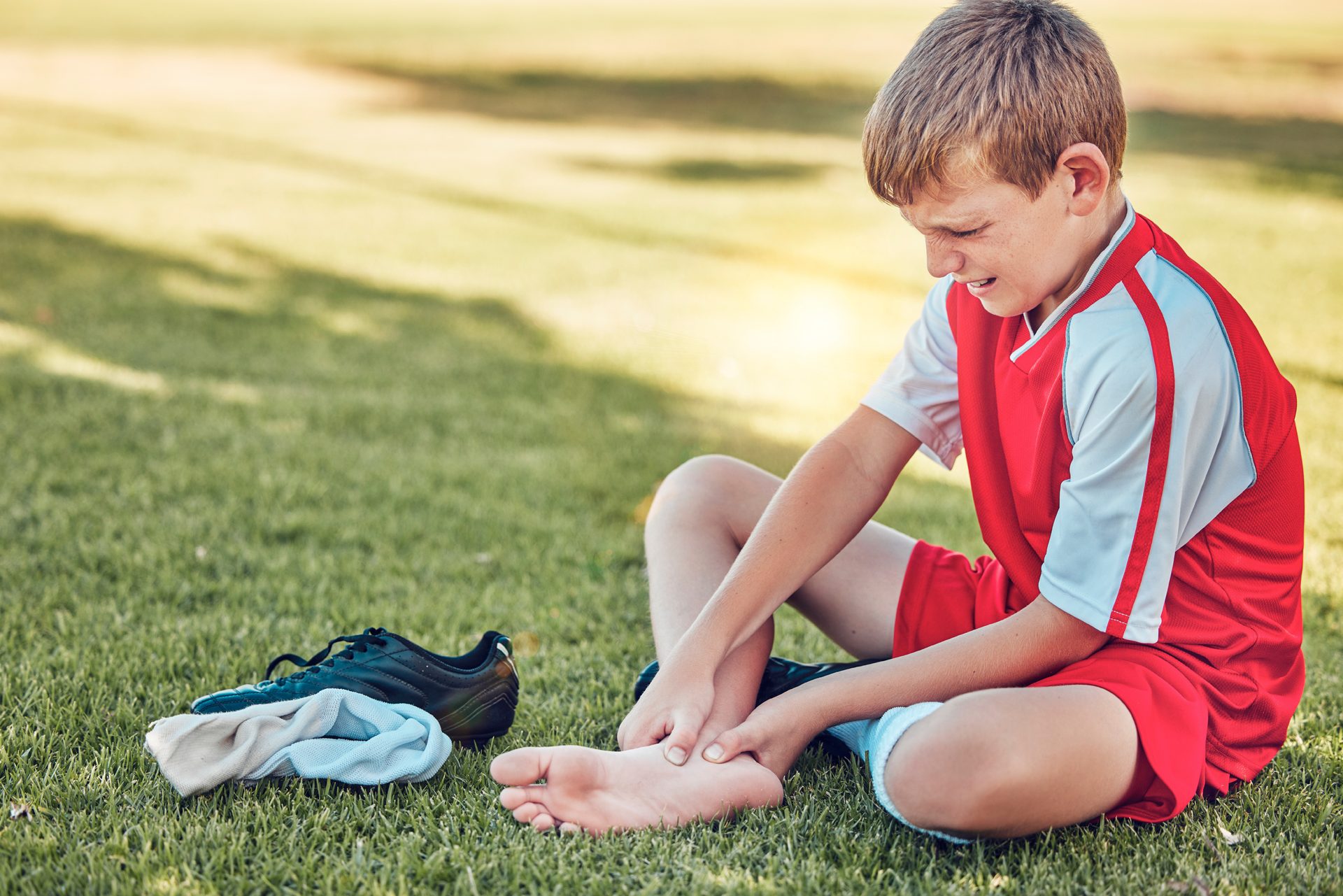
Kids love to run around—that’s a fact. As soon as they’re on their feet, they’re jumping, leaping, and sprinting everywhere, excited by their newfound ability to navigate the world on two legs. With this excitement comes certain risks. Although children may feel invincible, they are still susceptible to injuries. Ankle sprains, for example, are manageable conditions; with proper care and physical therapy exercises, your child can quickly get back on their feet.
Clubfoot in Children (Talipes Equinovarus)
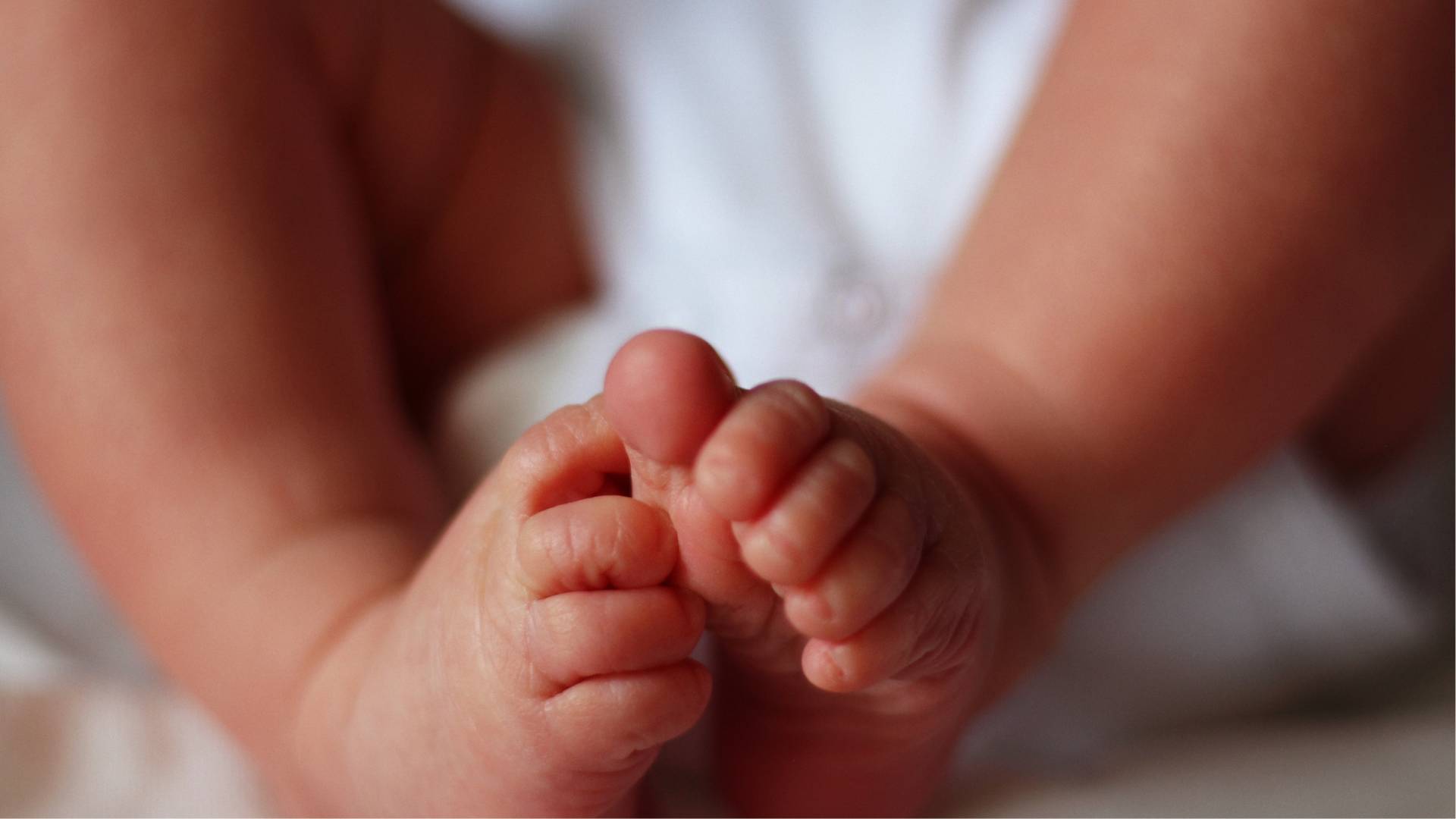
Podiatric treatments can be highly effective in correcting clubfoot without the associated risks and complications of major foot surgery. Weekly stretching of your child’s feet in the clinic followed by the application of long leg plaster casts over a period of time. Explore more about the correction of clubfoot to help with abnormal gait movements and pain dramatically during childhood but also in adulthood.
Osgood-Schlatter Disease in Children
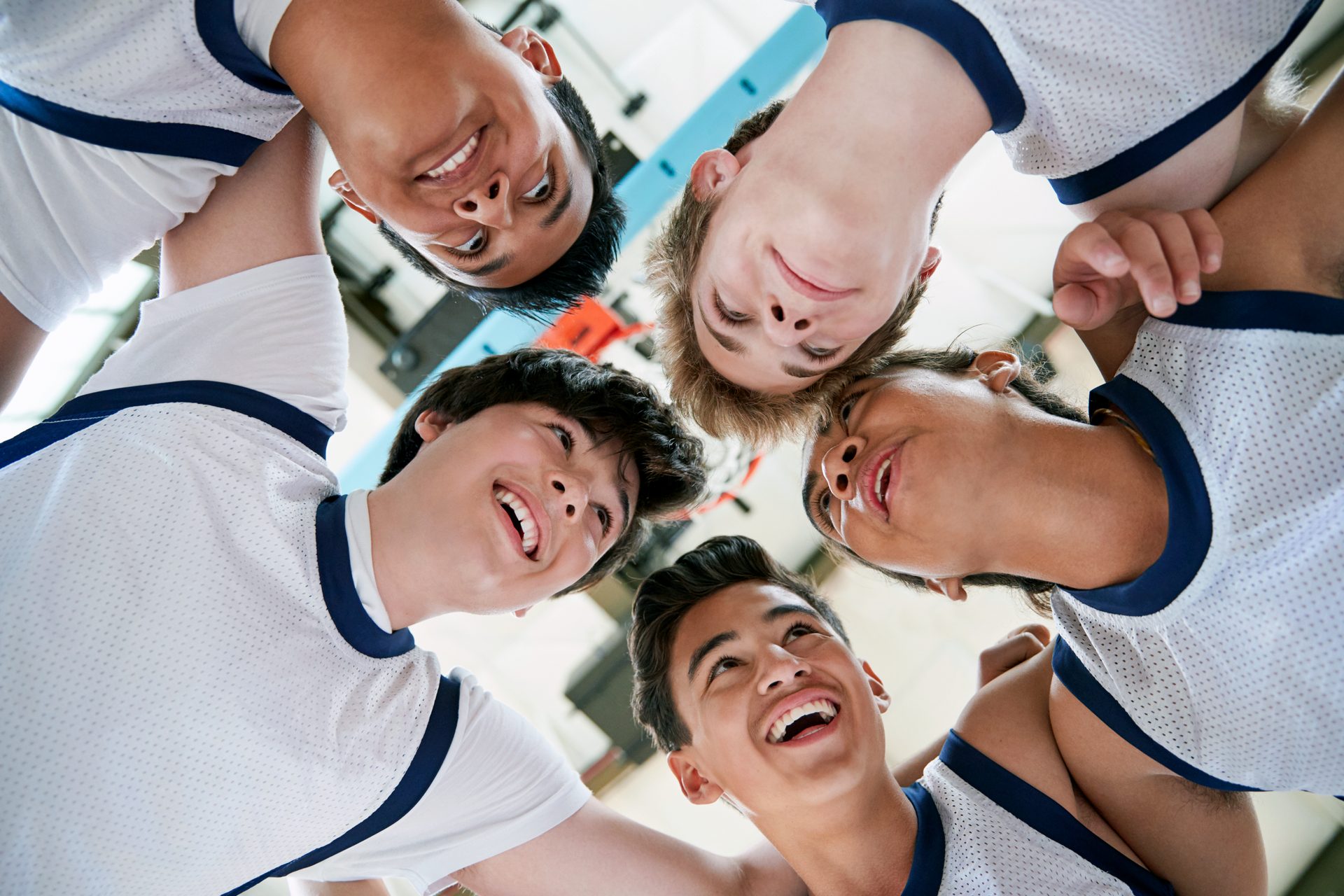
Osgood-Schlatter Disease is a common condition affecting children and adolescents experiencing growth spurts during puberty. It is particularly prevalent among children active in sports that involve running, jumping and swift changes in direction, putting additional stress on the growth plate at the knee. Your child can move without pain with proper podiatric management from prescribed physical therapy exercises, orthoses and footwear modifications.
Sever’s Disease in Children
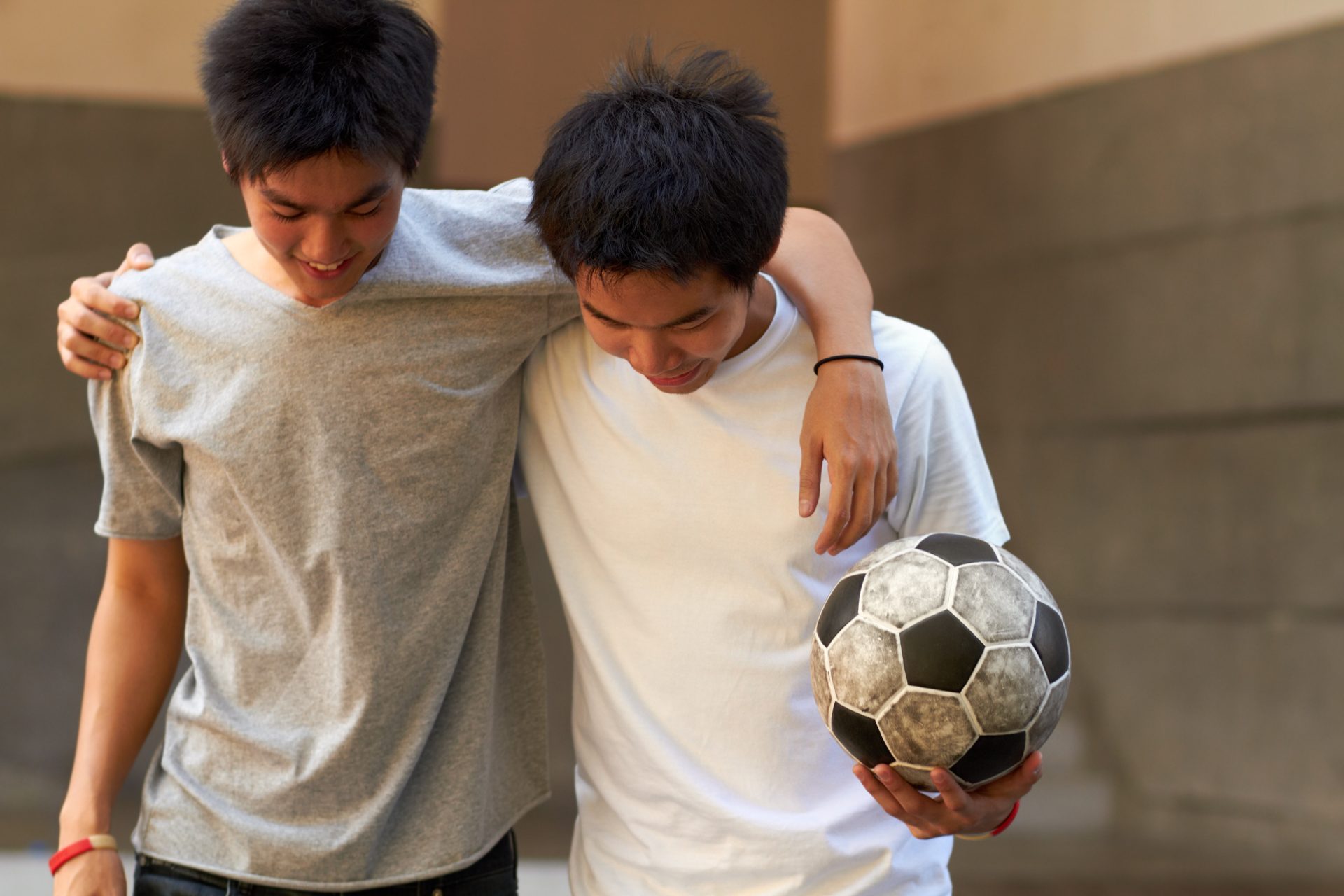
If your child, especially one who loves sports, keeps complaining about heel pain, it may worry you and them. But you should know that this pain, which is often due to Sever’s Disease, doesn’t just mean taking lots of painkillers or missing out on sports. If your child, especially one who loves sports, keeps complaining about heel pain, it may worry you and them. But you should know that this pain, which is often due to Sever’s Disease, doesn’t just mean taking lots of painkillers or missing out on sports. Sever’s disease is a common cause of heel pain in growing children, but it can be managed with podiatric care.
Paediatric Podiatry & Children’s Podiatrist

As your child grows and explores the world, healthy feet are the foundation for their adventures! But did you know that even minor foot and ankle problems can impact their development and balance, potentially impacting their injuries into adulthood? At The Foot Practice, our specialised paediatric podiatrists in Singapore are dedicated to ensuring your child’s feet develop strong, healthy, and pain-free.
Intoeing In Children
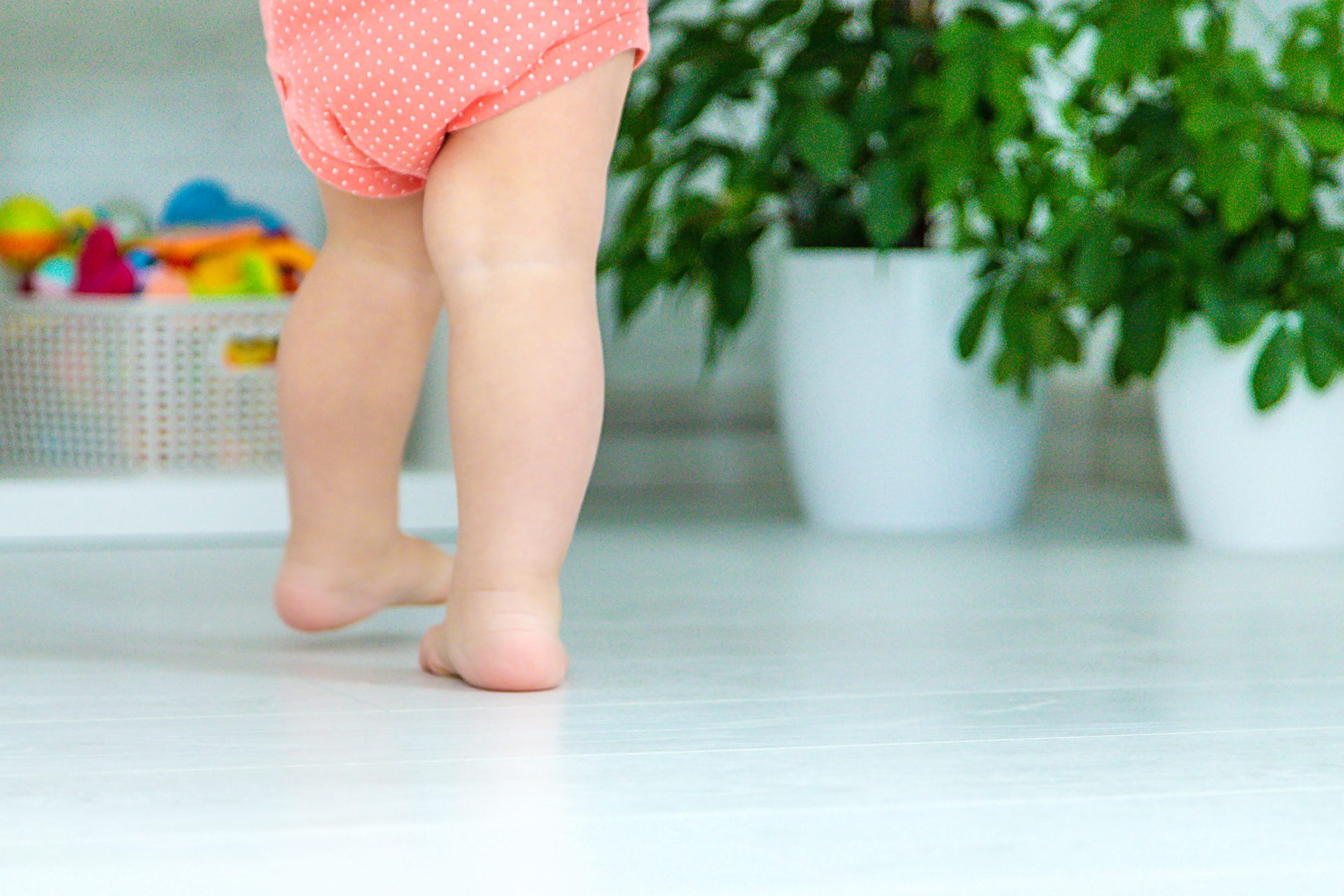
Intoeing in children may cause concern for parents. This common and painless paediatric condition, known as ‘pigeon toes’ or pediatric intoeing, is common in babies, toddlers and children up to the age of 8 years. Most of the time, children simply outgrow the congenital condition that develops while in the womb. However, if pigeon toe continues beyond childhood or your child shows signs of difficulty or symptoms of pain when walking, then you should be rightfully concerned. Schedule a consultation with a trained paediatric podiatrist at The Foot Practice to determine the underlying cause.
Kids Sports Injuries

Sports injuries can inhibit children from living an active lifestyle. The biomechanical properties of bones during early development can predispose children to injury as growth does not occur evenly in the body, with ligaments, tissues, and tendons taking a longer time to catch up. This causes bones and the surrounding areas to be at a greater risk of injury, especially for children who are playing sports where jumping, running, quick movements, flips, tumbling or microtrauma repeatedly wears on a growing body.